This Area's Housing
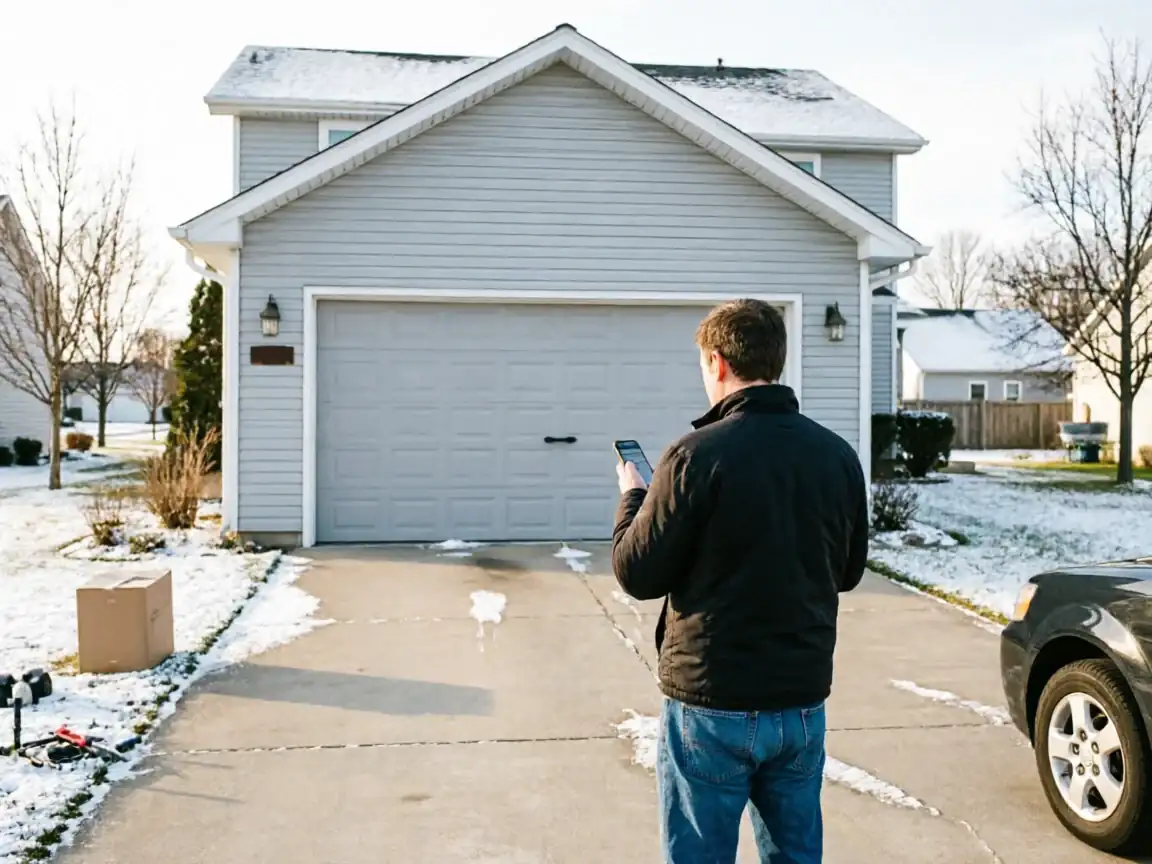
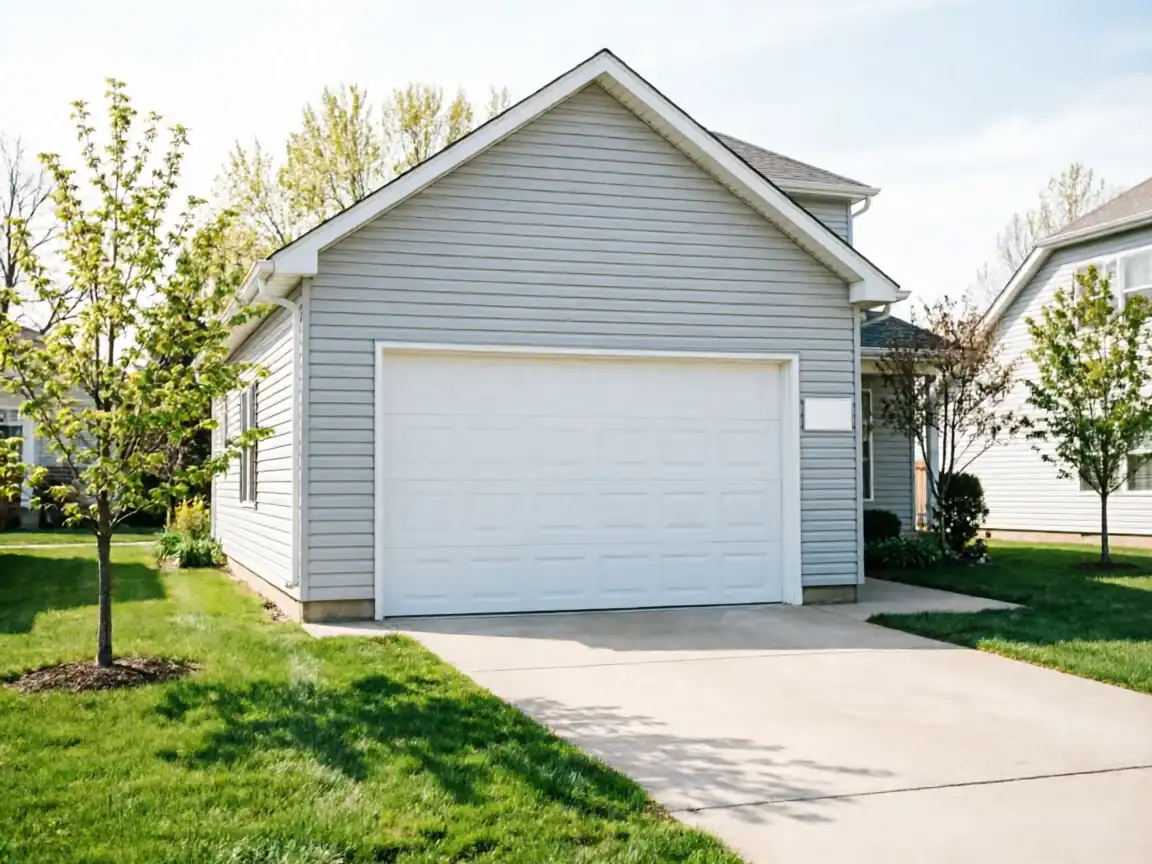
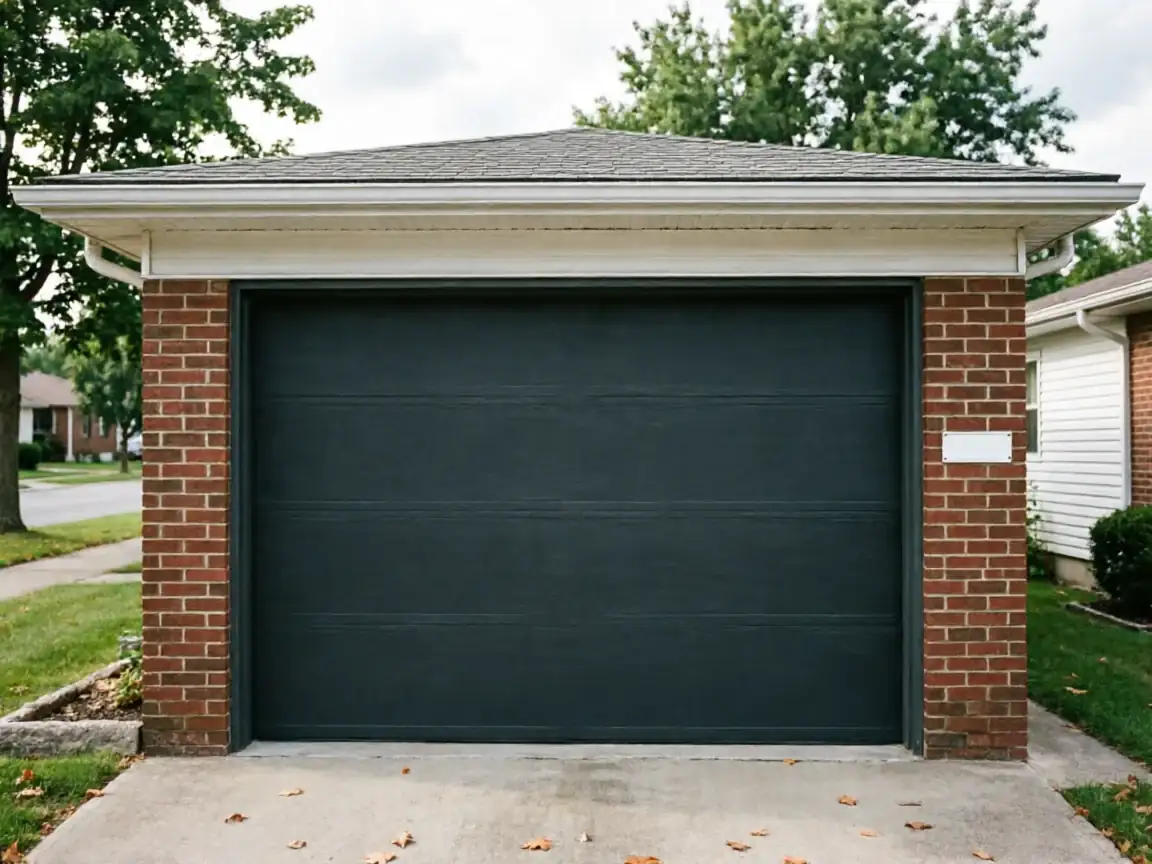
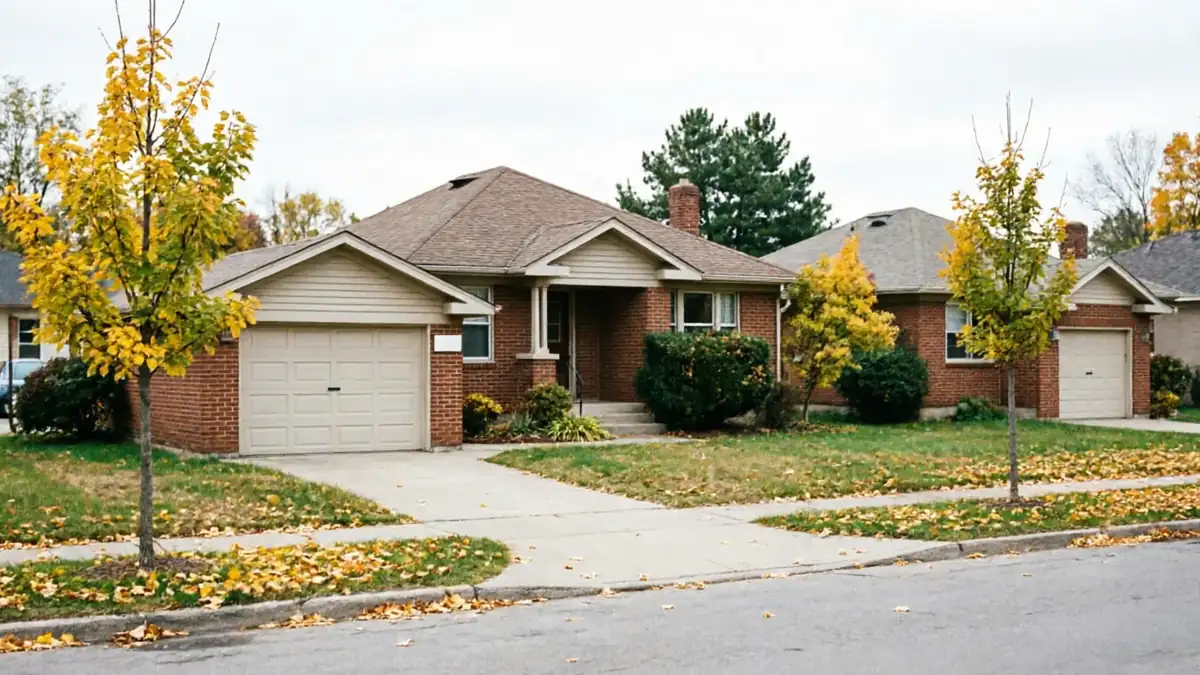
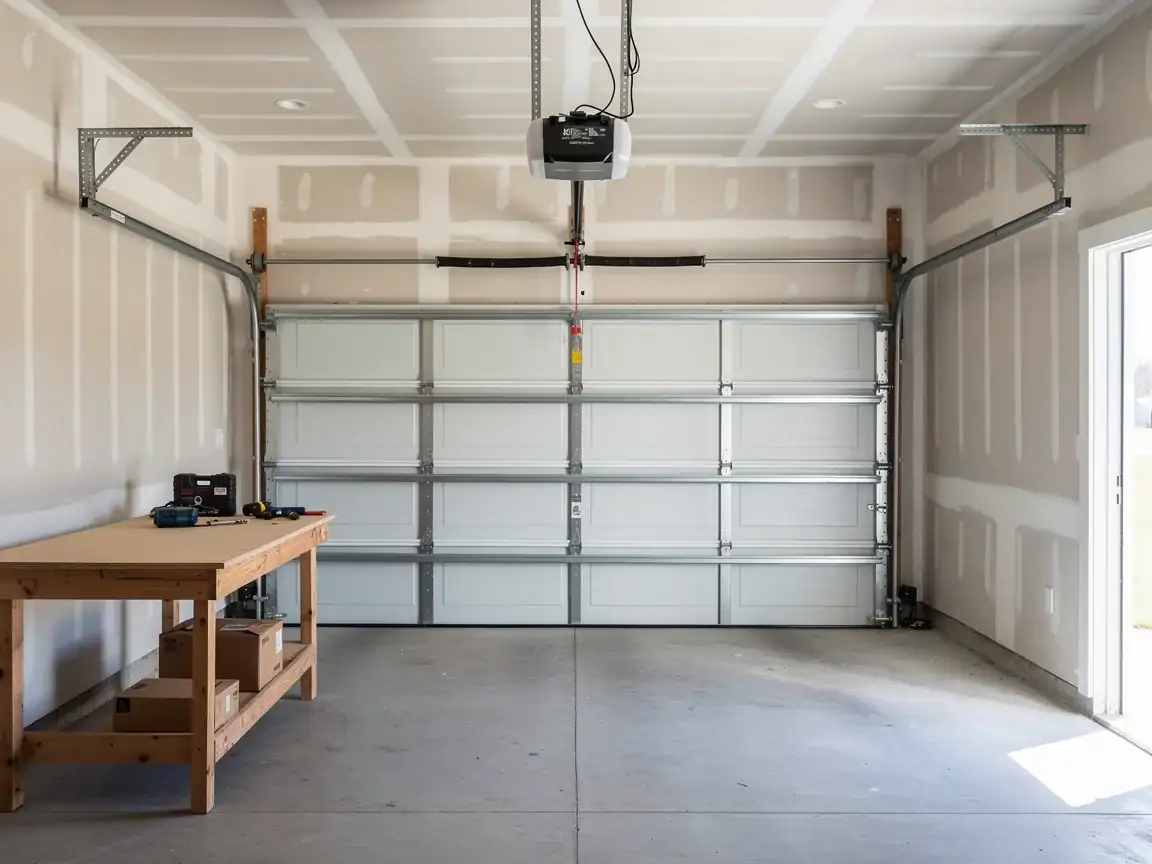
Saylorville sits about 4 miles from Ankeny, and its housing stock skews older than the service area as a whole. The median build year here is 1983, a decade ahead of the area-wide median of 1993. That matters because a 1983 house was framed and wired for a different garage door than a house built in the late '90s or 2000s. With roughly 1,400 households in this pocket, you're looking at a fairly tight, established neighborhood rather than a spread of newer subdivisions still being built out. Across the wider service area, housing generally dates from 1941 to 2009, with most of it concentrated in 1980s and '90s construction - so Saylorville sits right at the early edge of that range, not the late edge. Median household income here runs $80,250, noticeably under the area median of $96,354. That gap tends to show up in how homeowners approach repairs: more interest in fixing what's there, less appetite for a full teardown-and-replace unless the door's actually failing. None of this is a knock on the area - it just means the common problems we see on a Saylorville call aren't the same mix we'd expect on a newer street across town.
What That Means for Doors
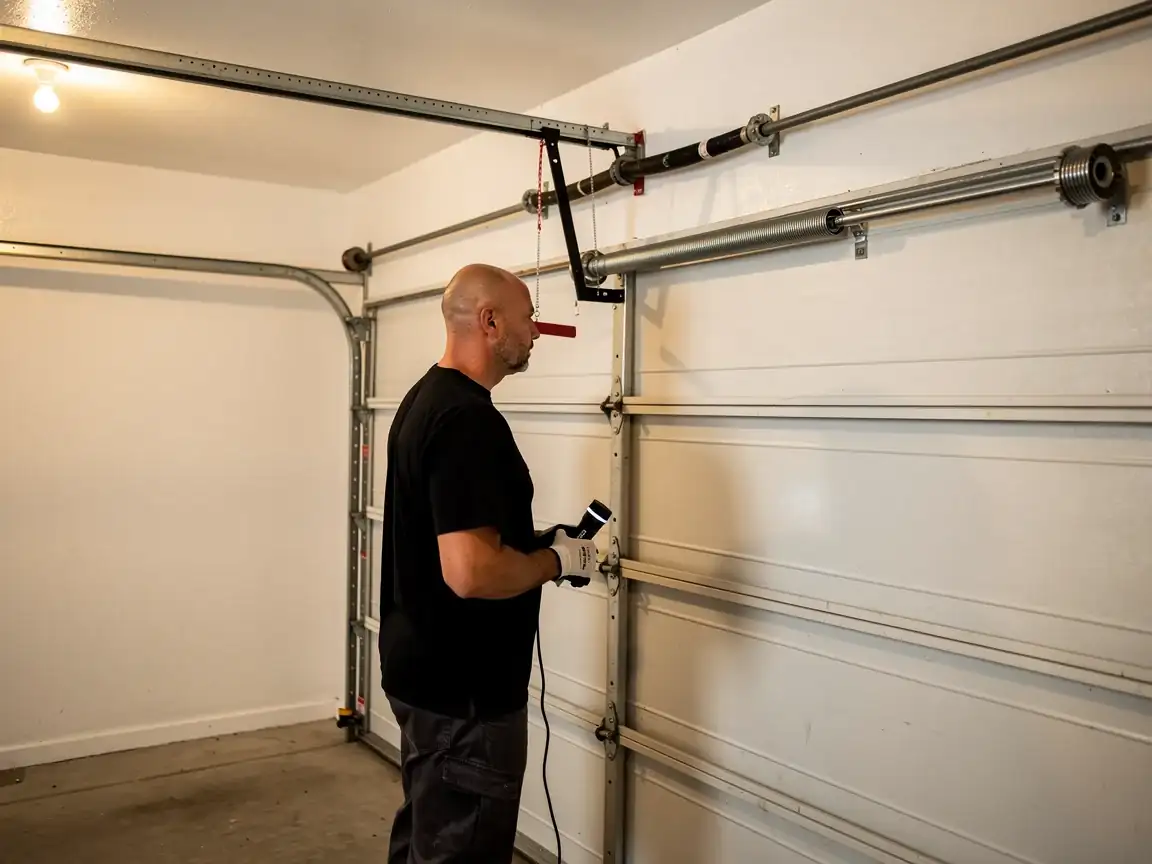
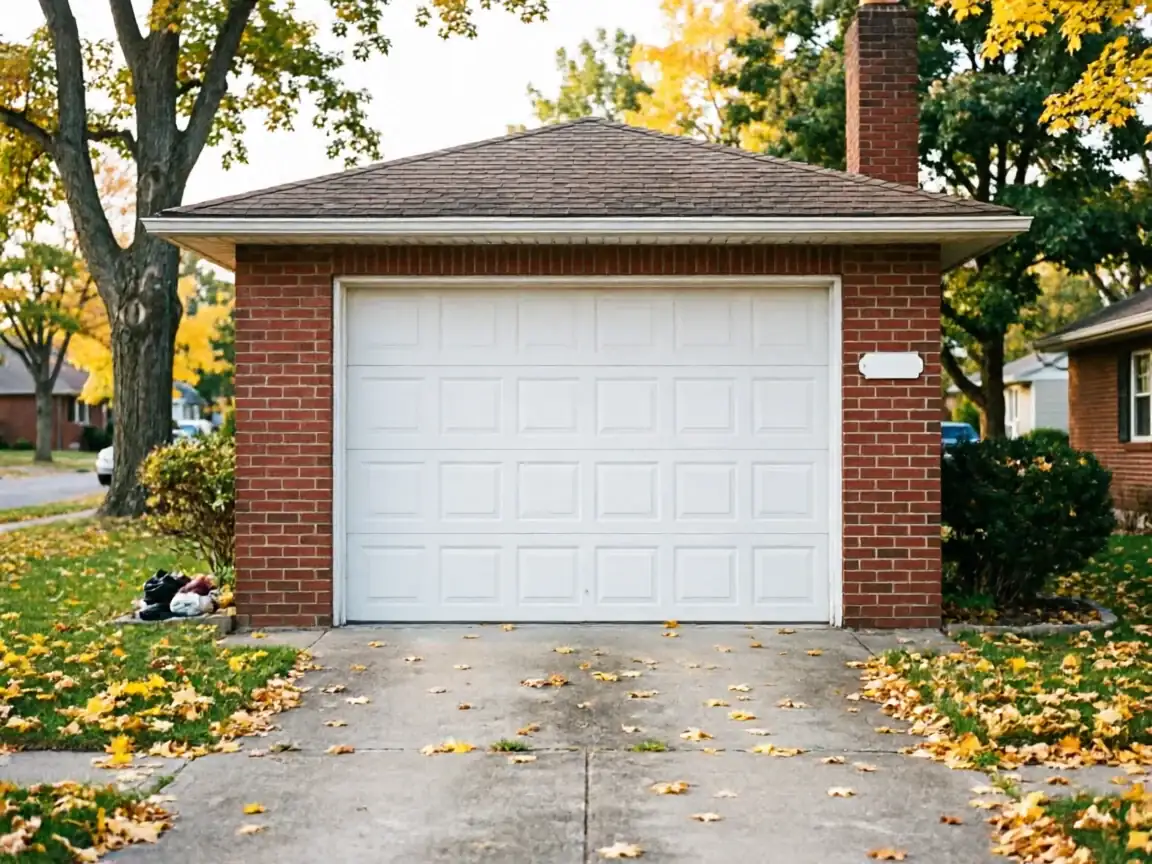
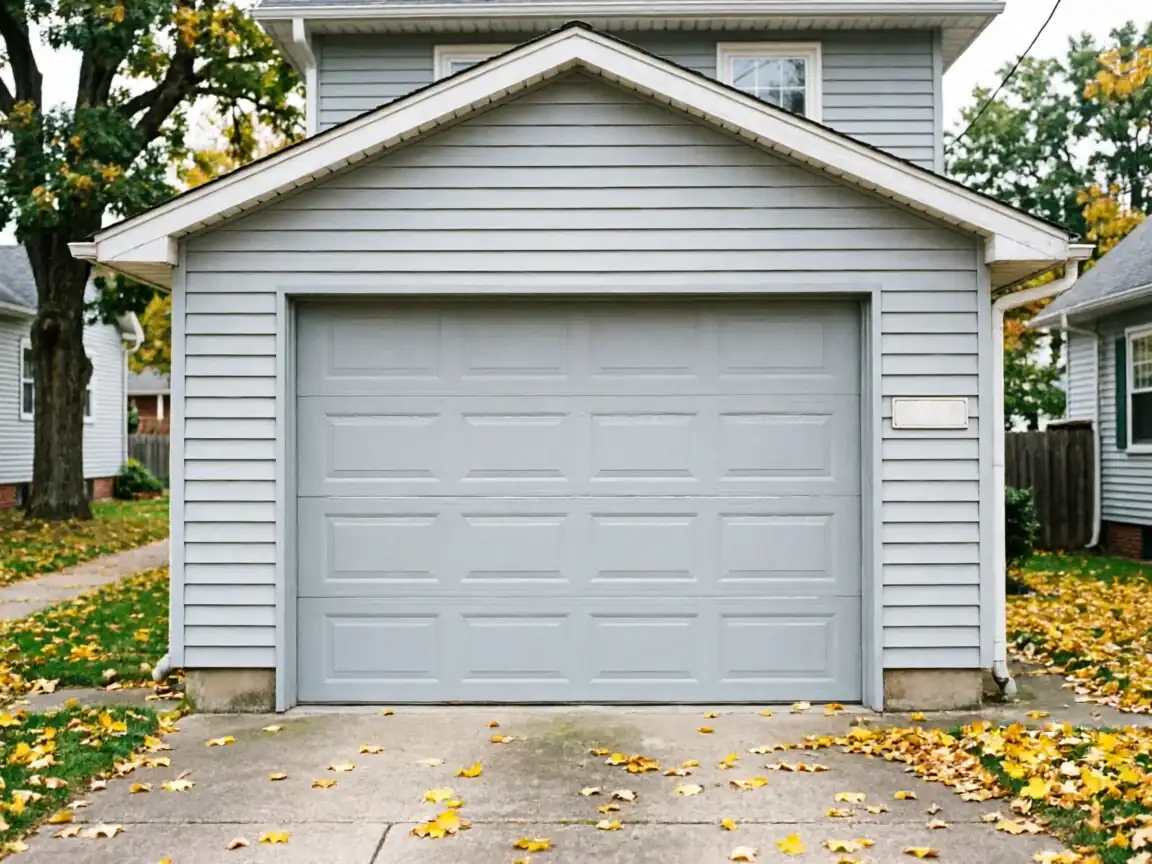
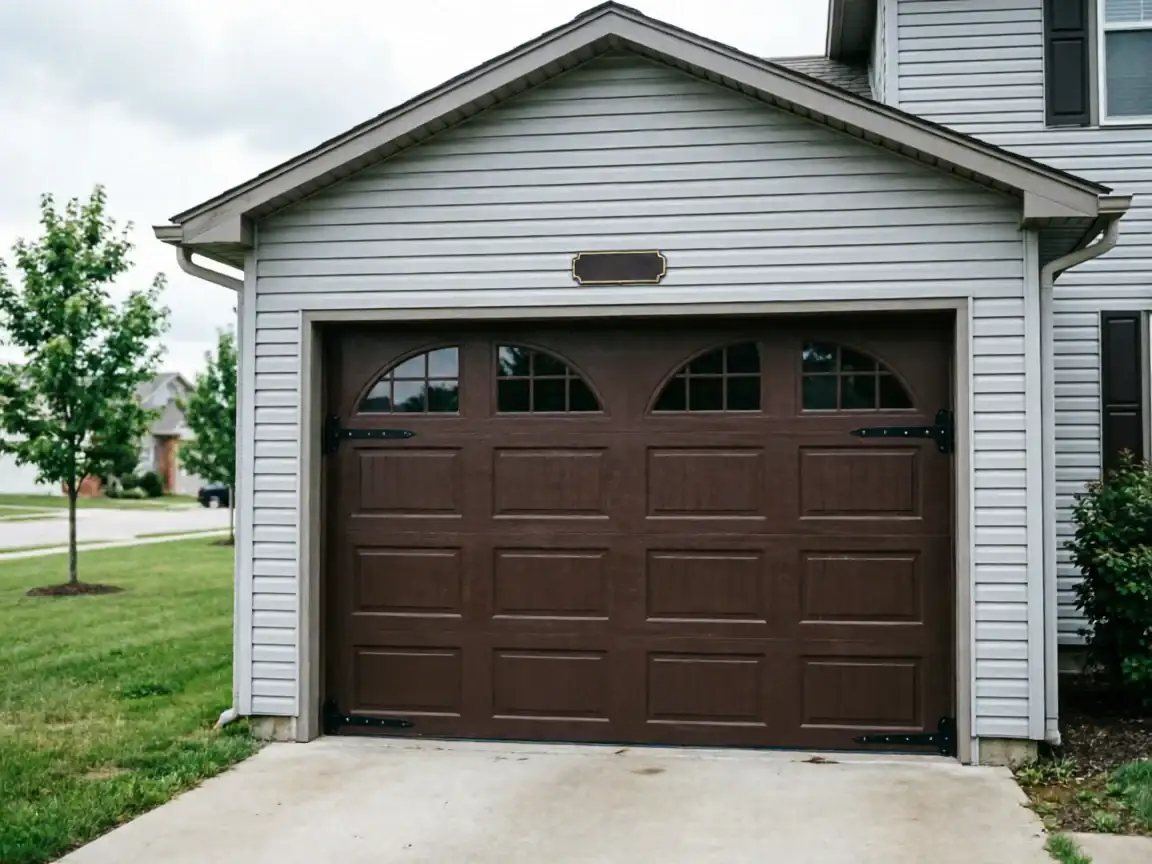
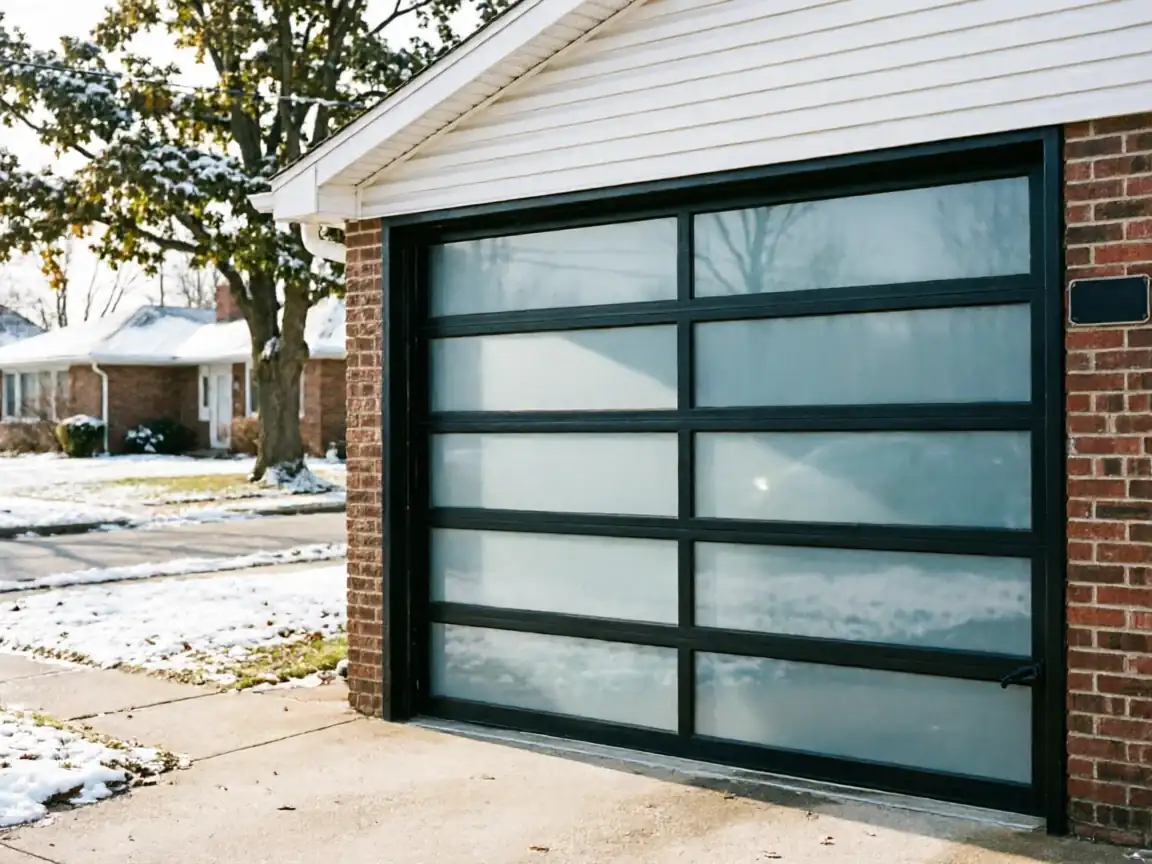
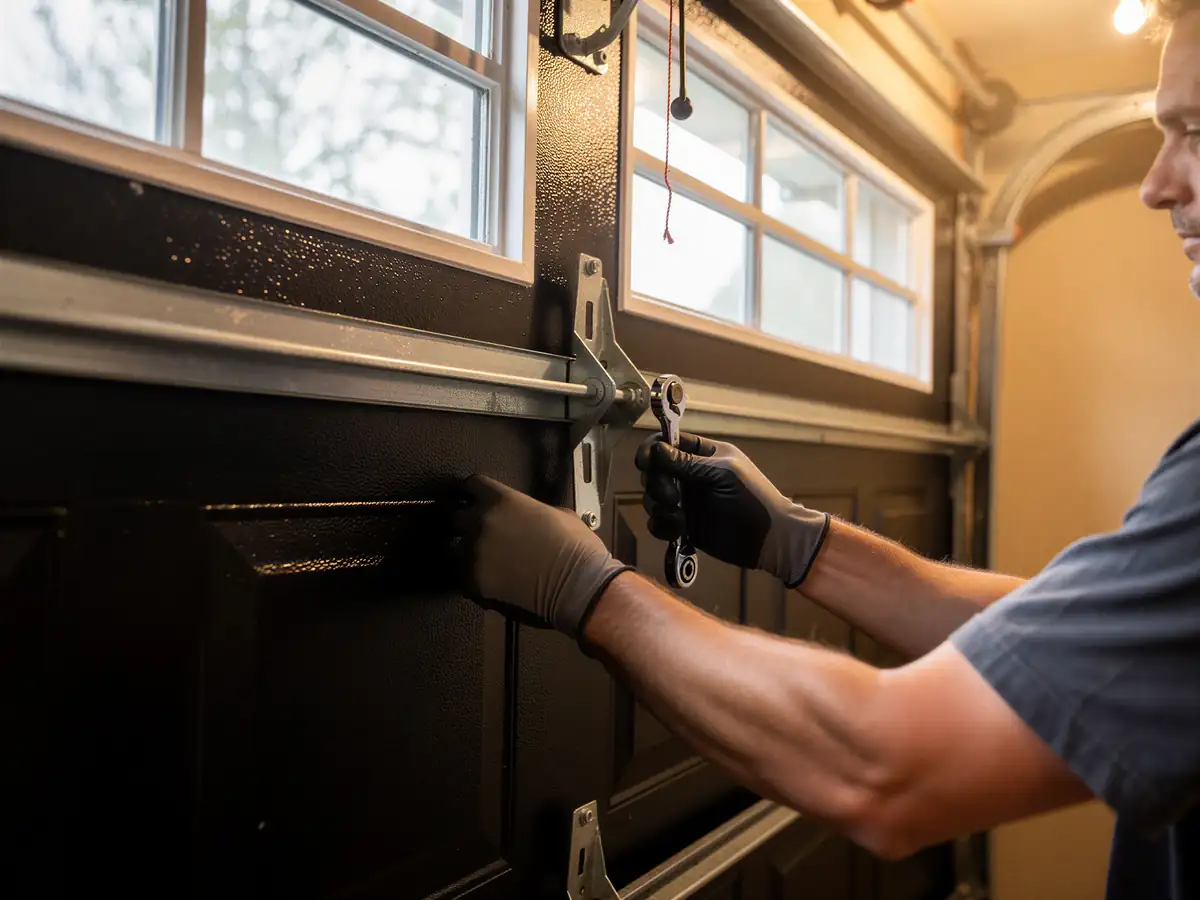
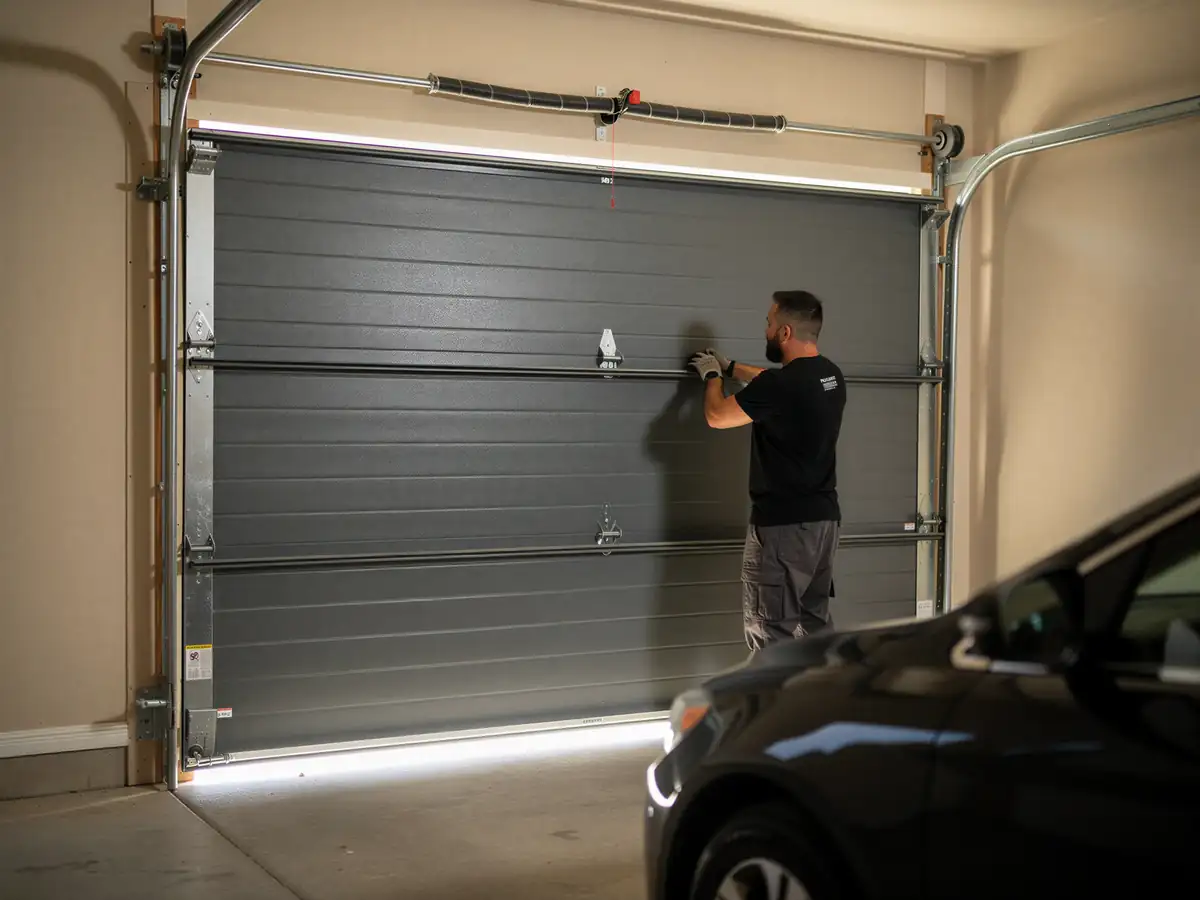
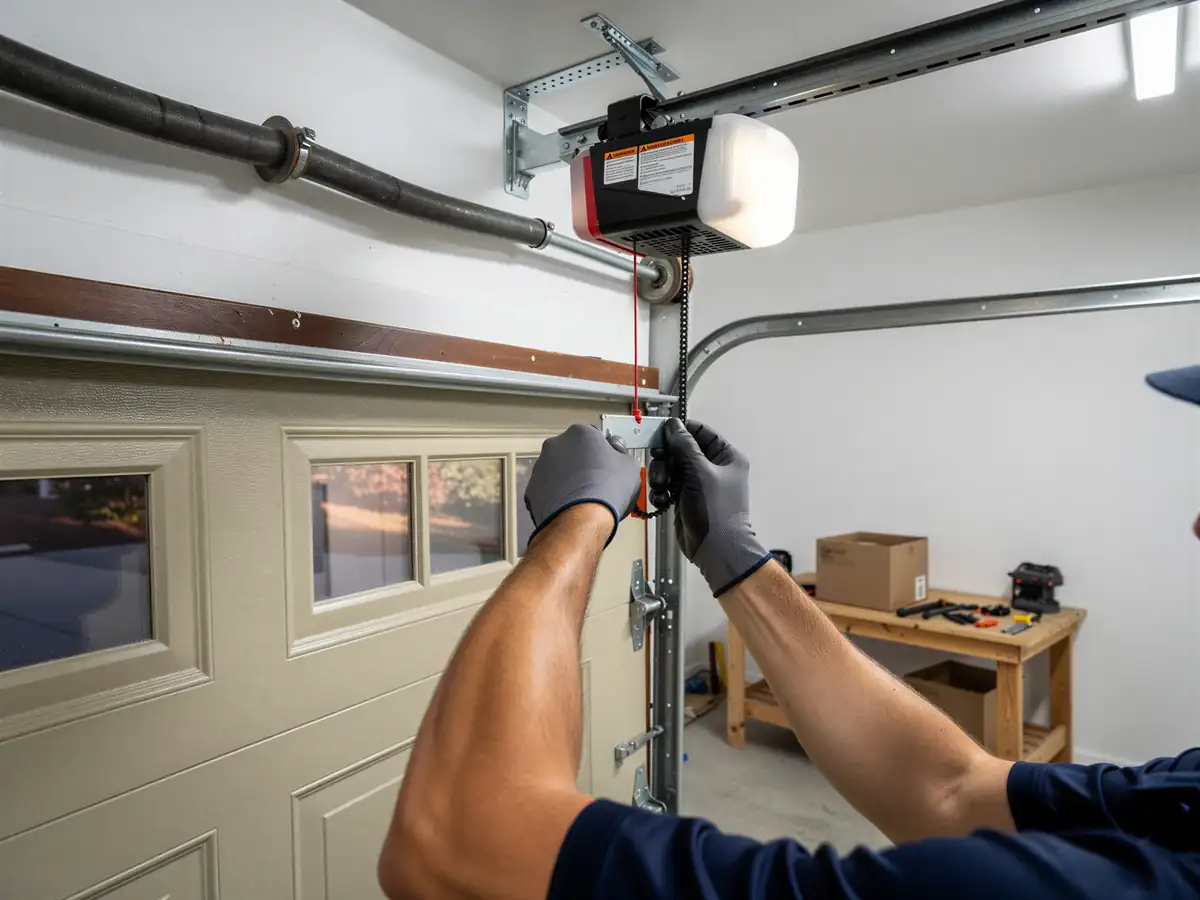
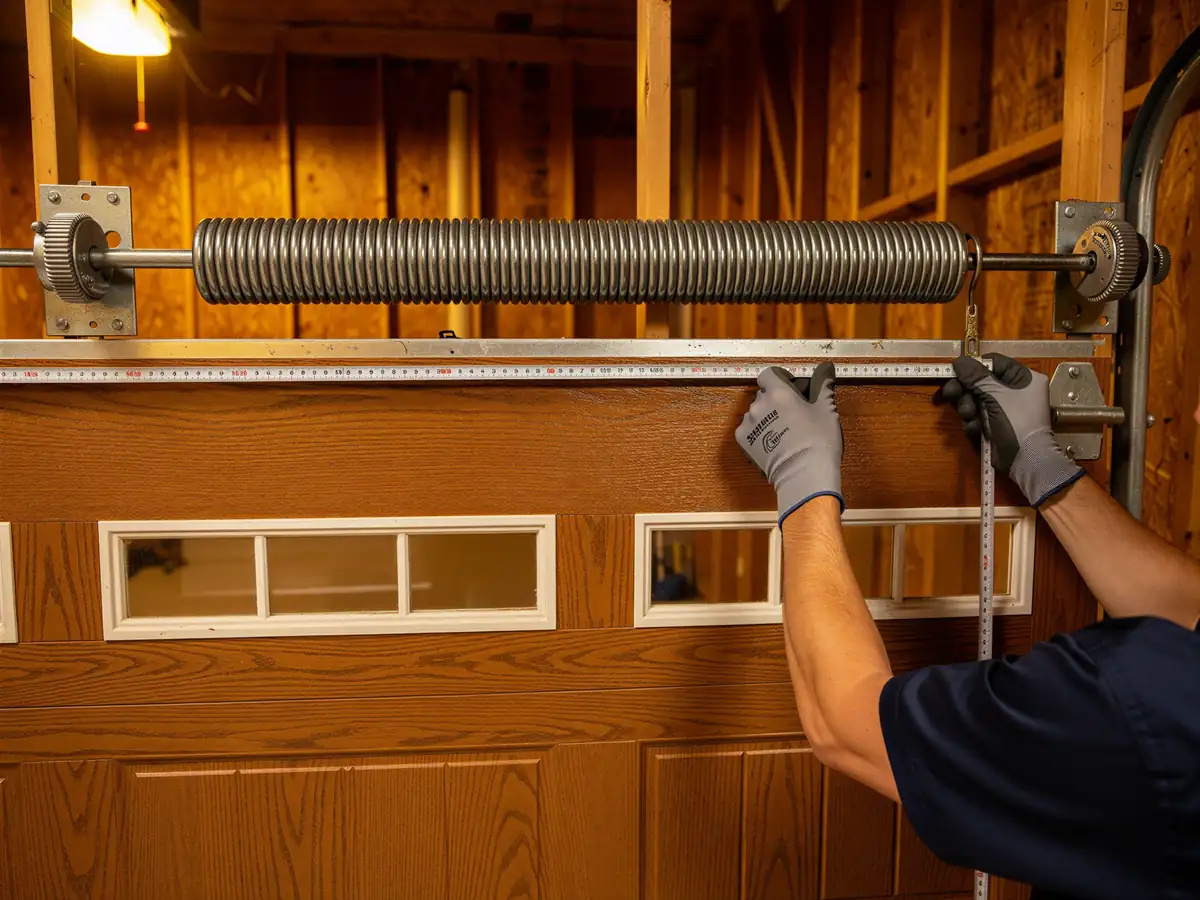
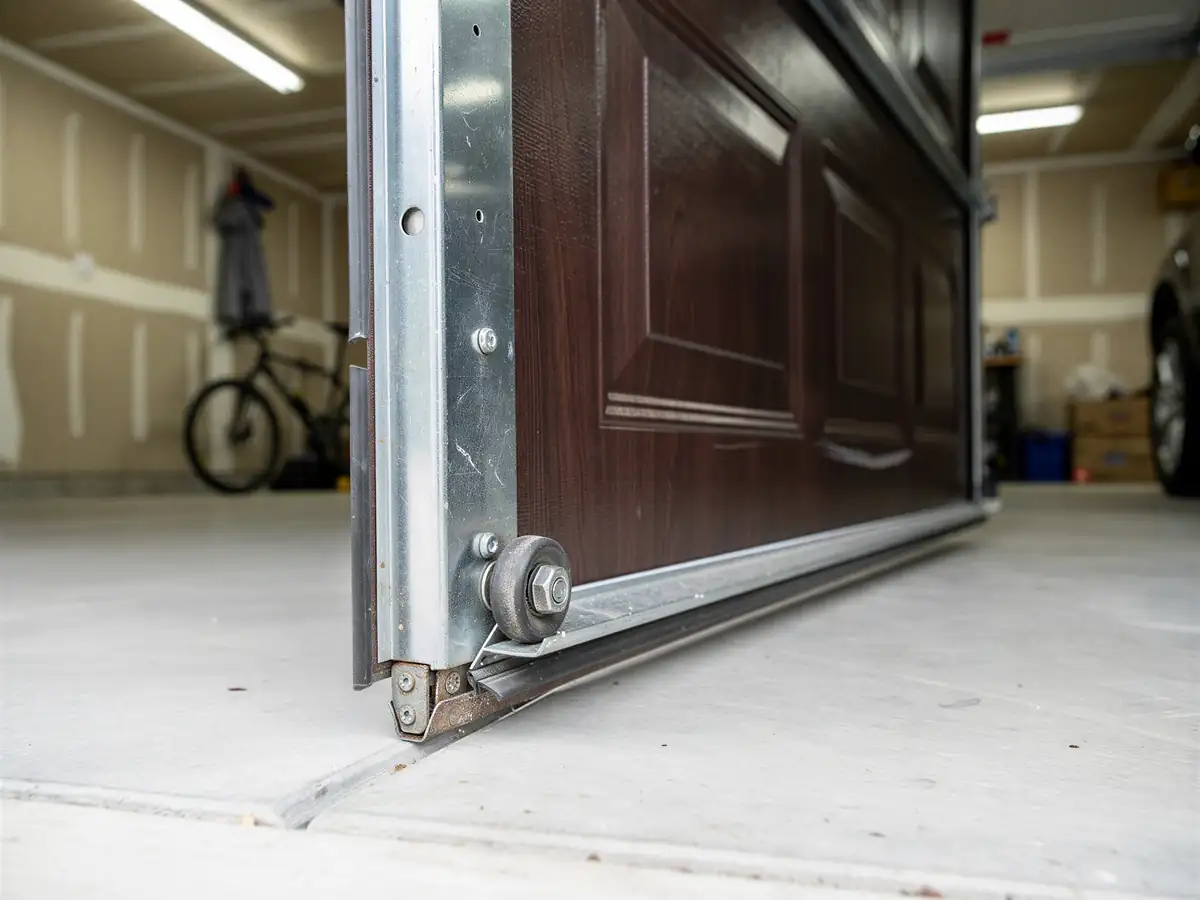
A door installed around 1983 is old enough that the original opener, if it's still in place, is almost certainly a chain-drive unit with none of the safety reversal sensors required on newer installs. Torsion springs from that era were often sized for heavier wood panel doors, even if the door's since been swapped for a lighter steel one - which throws off the spring-to-door balance and wears out cables and rollers faster than they should. Galvanized track from the early '80s also tends to pit and rust over four decades in a cold, humid Iowa winter, which is why we see bent or corroded track sections more often in this stretch than in houses built after 2000. Panel seams on doors this age were rarely insulated to today's standard, so homeowners dealing with a drafty garage are usually looking at a door that predates foam-core construction rather than a door that's simply broken. None of this means every Saylorville garage is a problem - plenty of these doors have been maintained or replaced over the years. But when an original system is still running, the failure points are predictable: tired springs, chain-drive openers without modern sensors, and track hardware that's outlived its service life.
What We Do Most in This Area
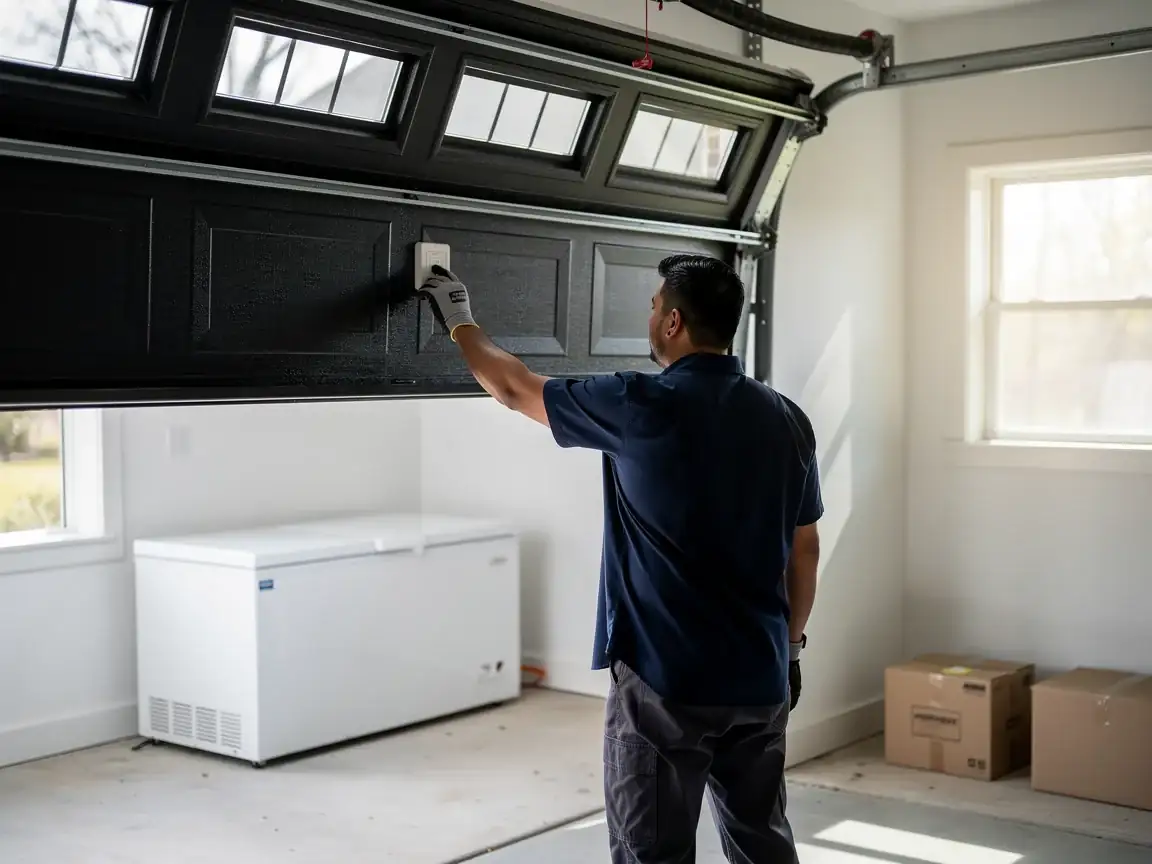
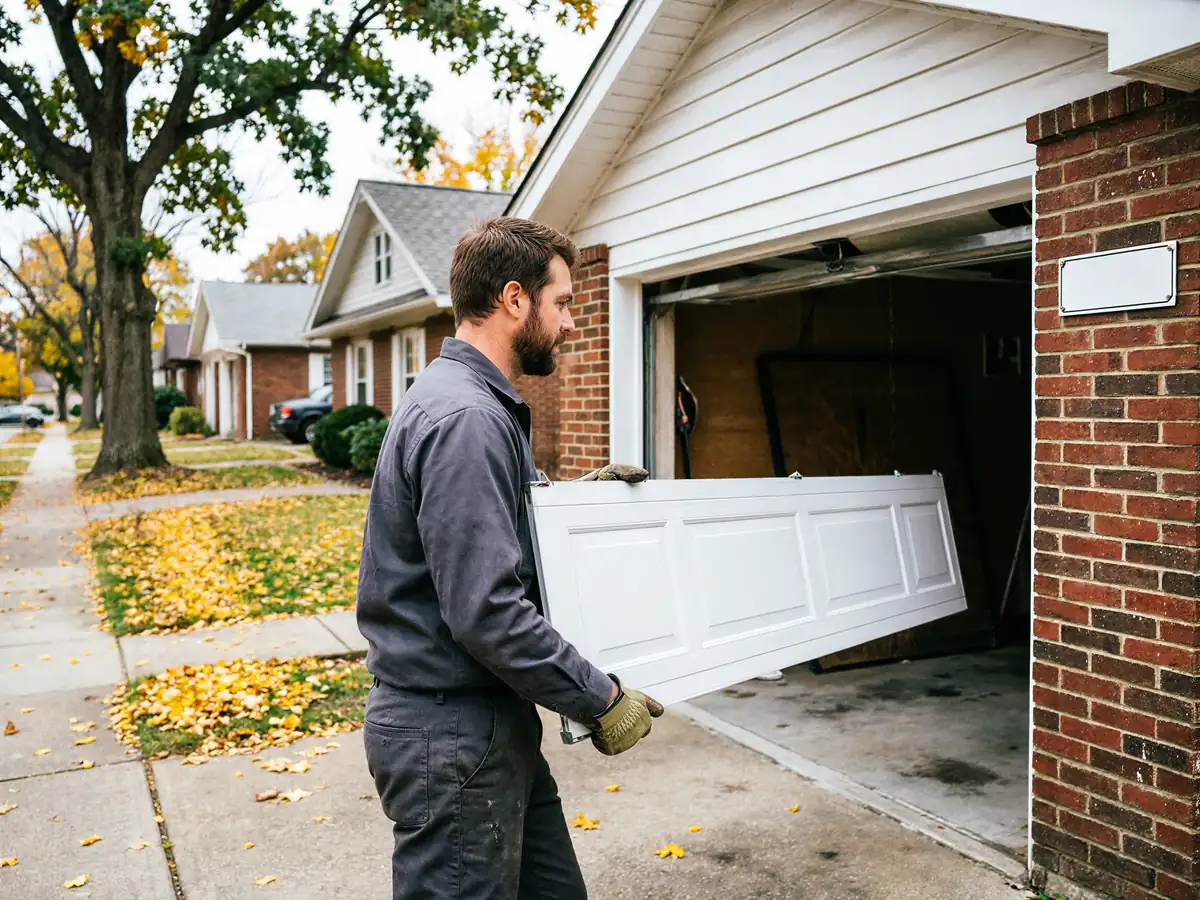
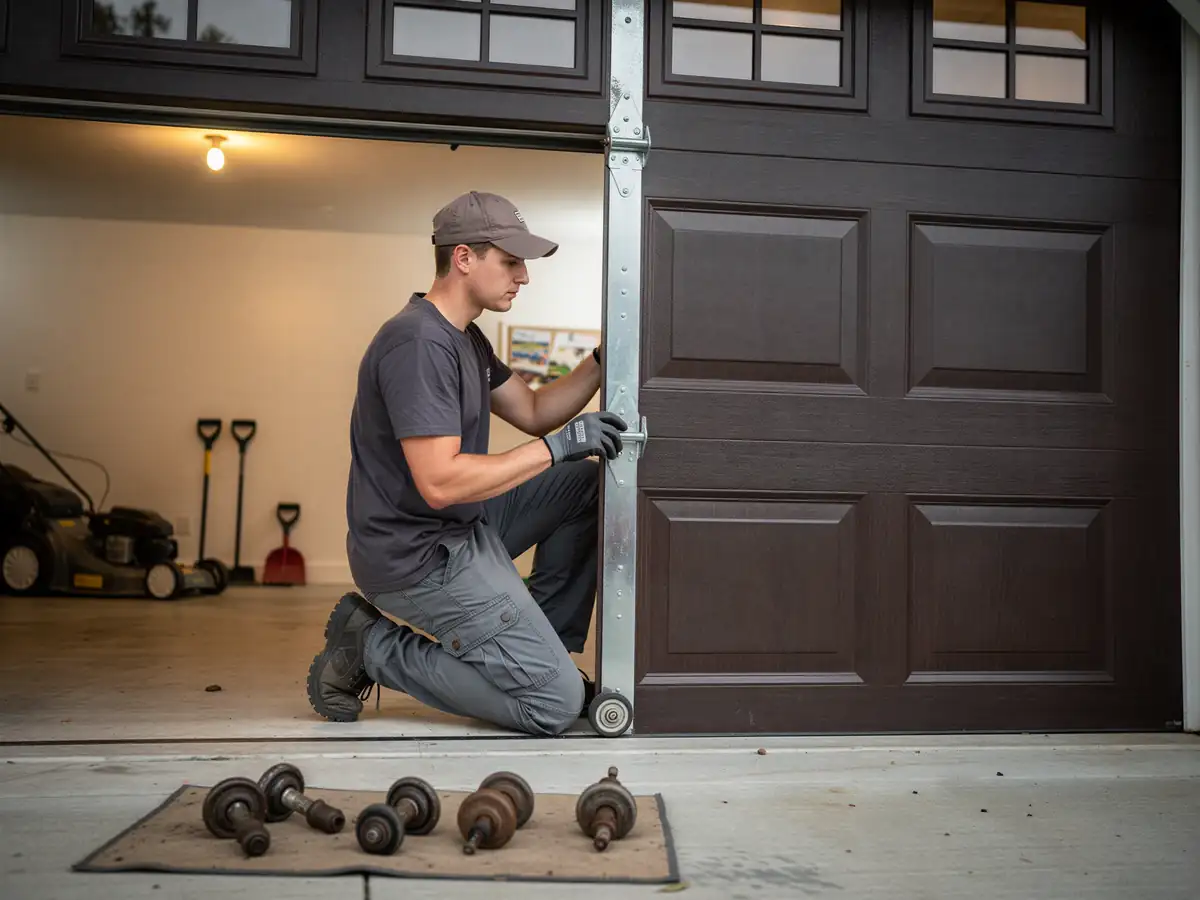
Given the 1983 median build year, most of our Saylorville calls are spring replacements on torsion setups that were never resized when a door got swapped, plus opener upgrades for homes still running original chain-drive units without modern safety reversal. We also see a fair number of roller and cable jobs where corrosion on older galvanized track has worn through hardware faster than it would on newer installs. Given the area's median income, we hear from a lot of owners who want the existing door kept running rather than replaced outright, and in most cases that's a reasonable call - a spring, cable, or opener swap can add years to a door that's otherwise sound. Full replacements do come up, usually when the panels themselves are damaged or the track is bent past straightening. We travel out from Ankeny for these calls; there's no separate local crew, so scheduling runs through the same dispatch as the rest of the service area.