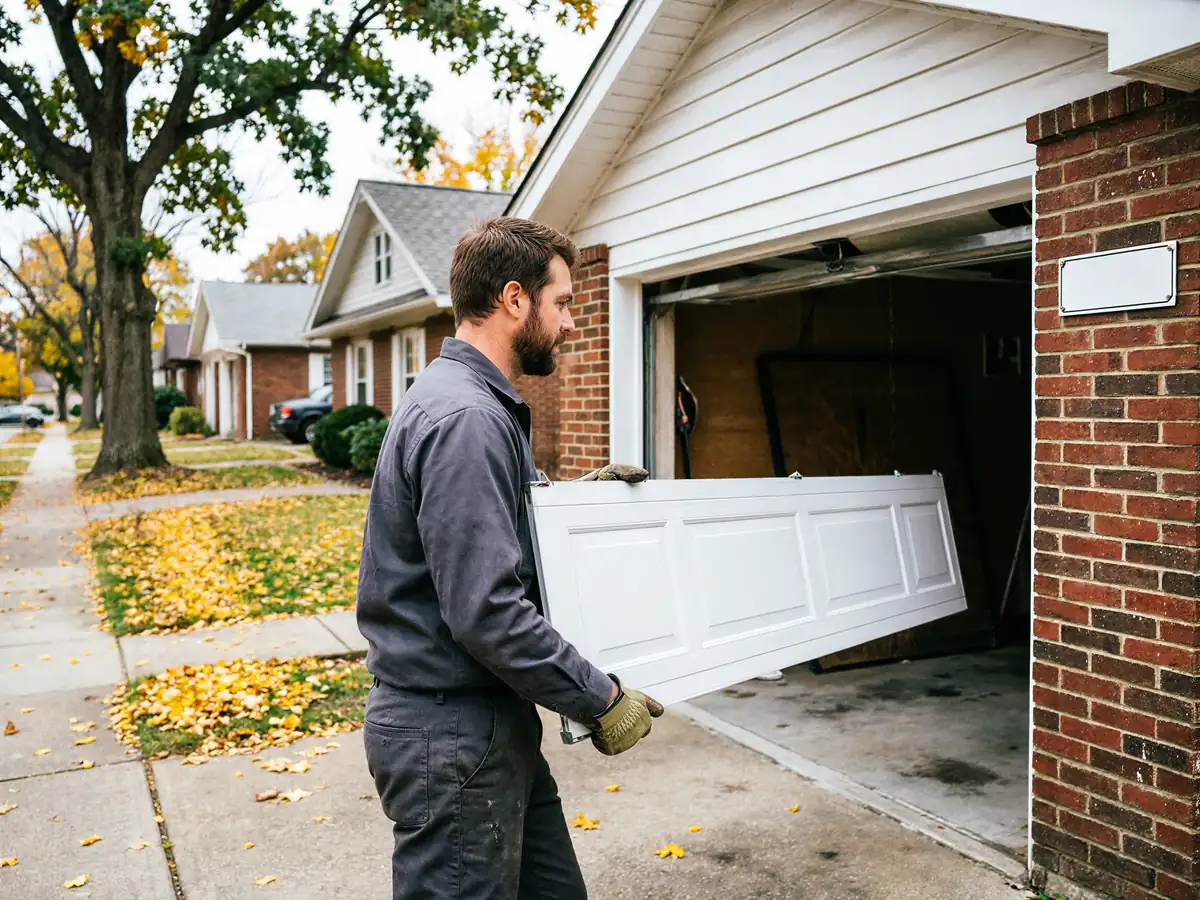
Doing It Yourself
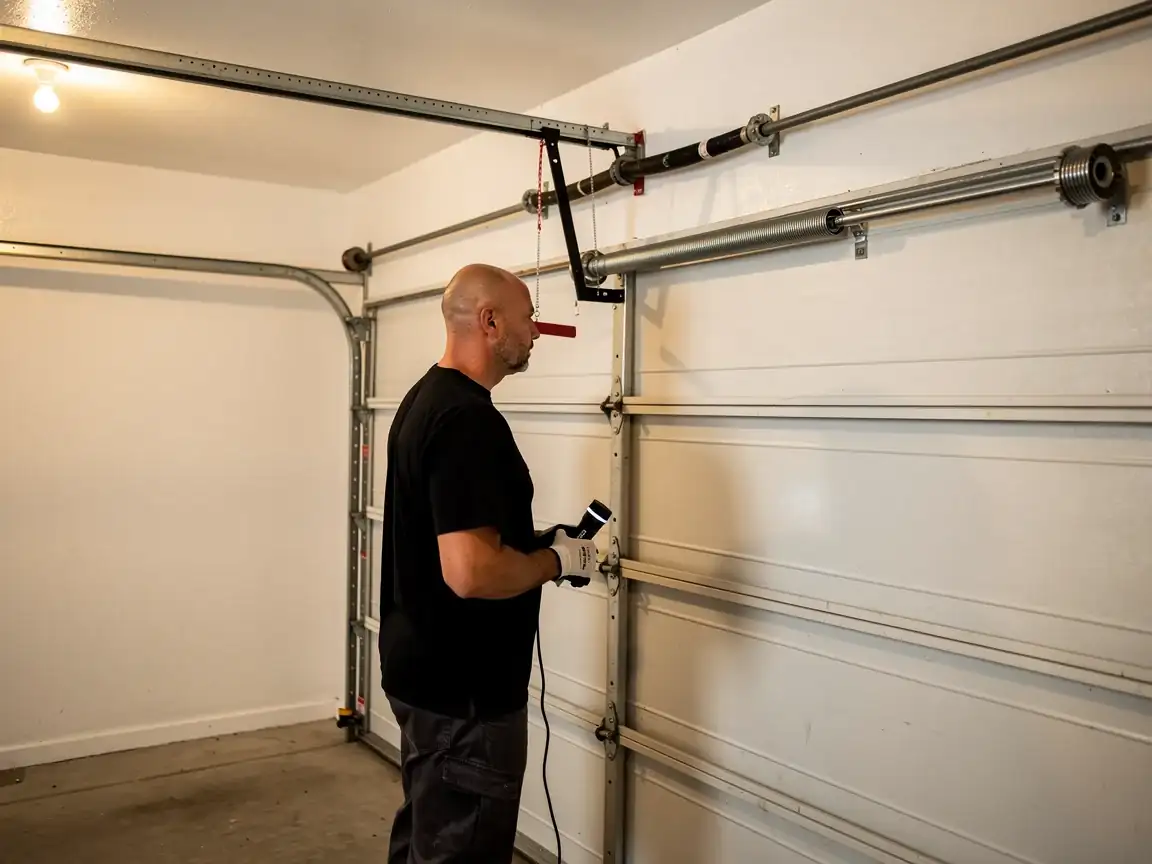
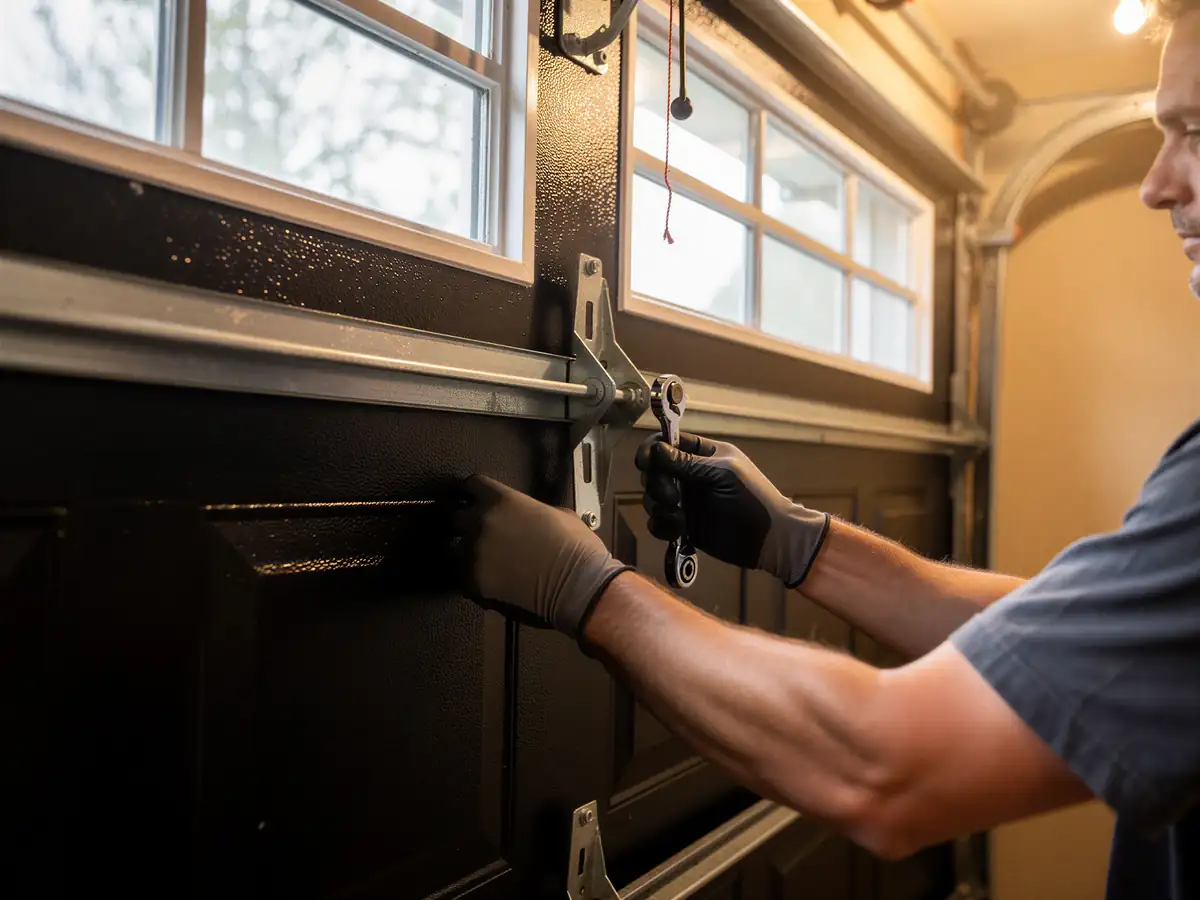
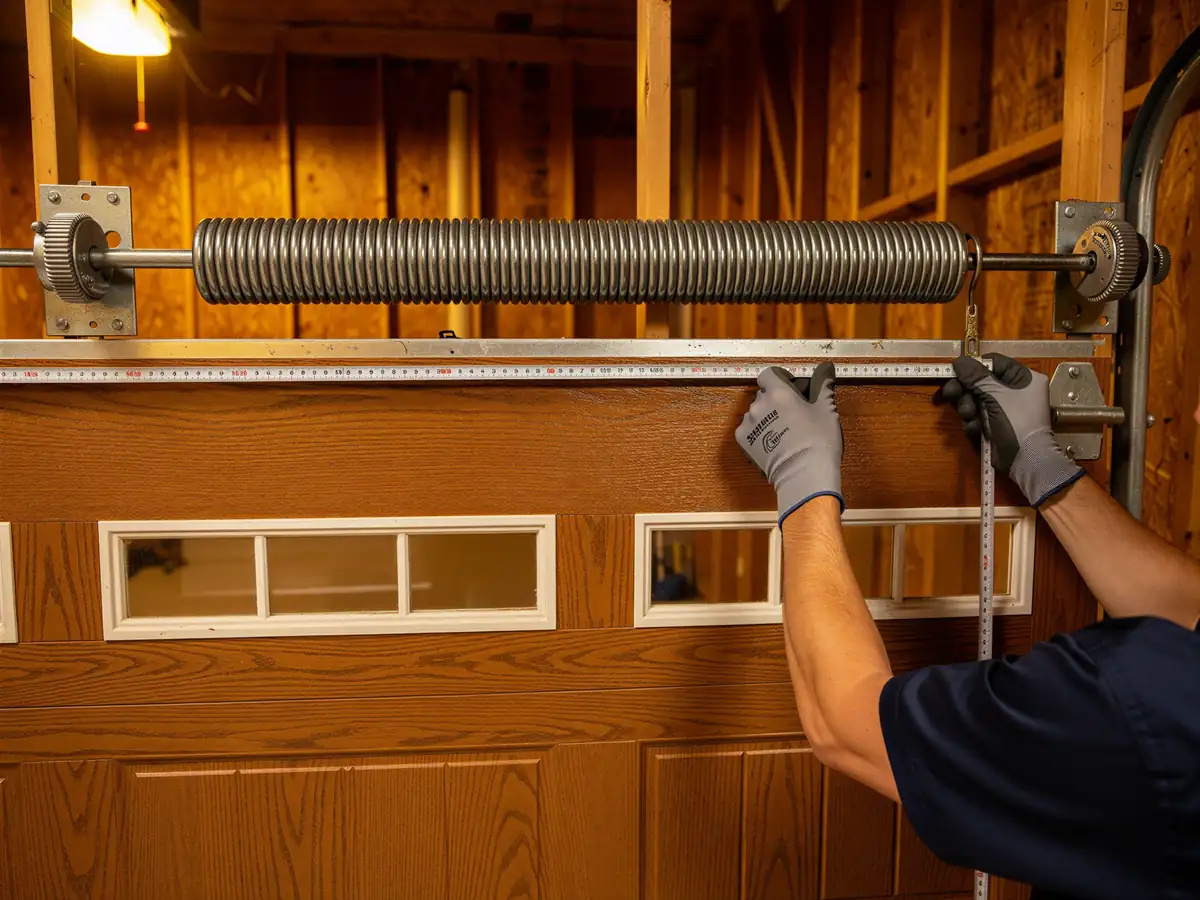
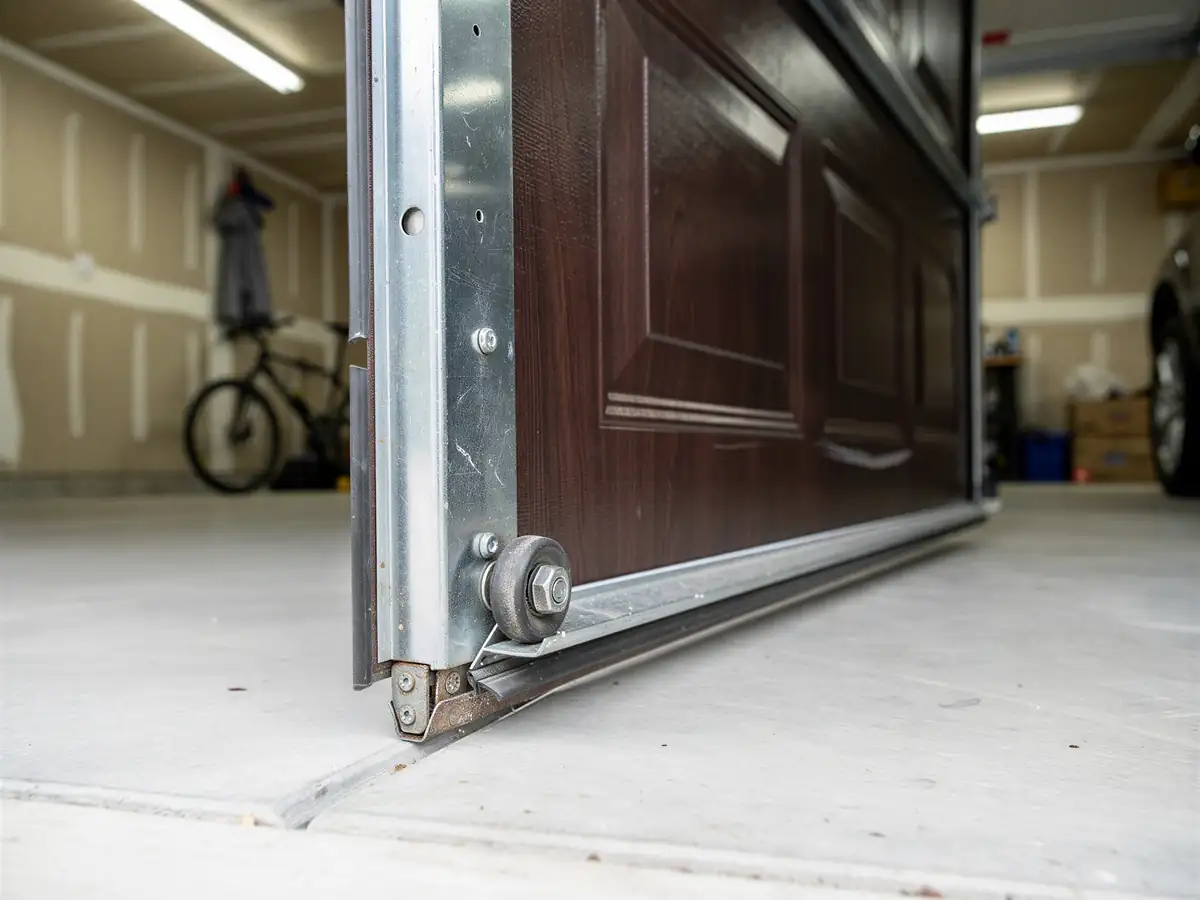
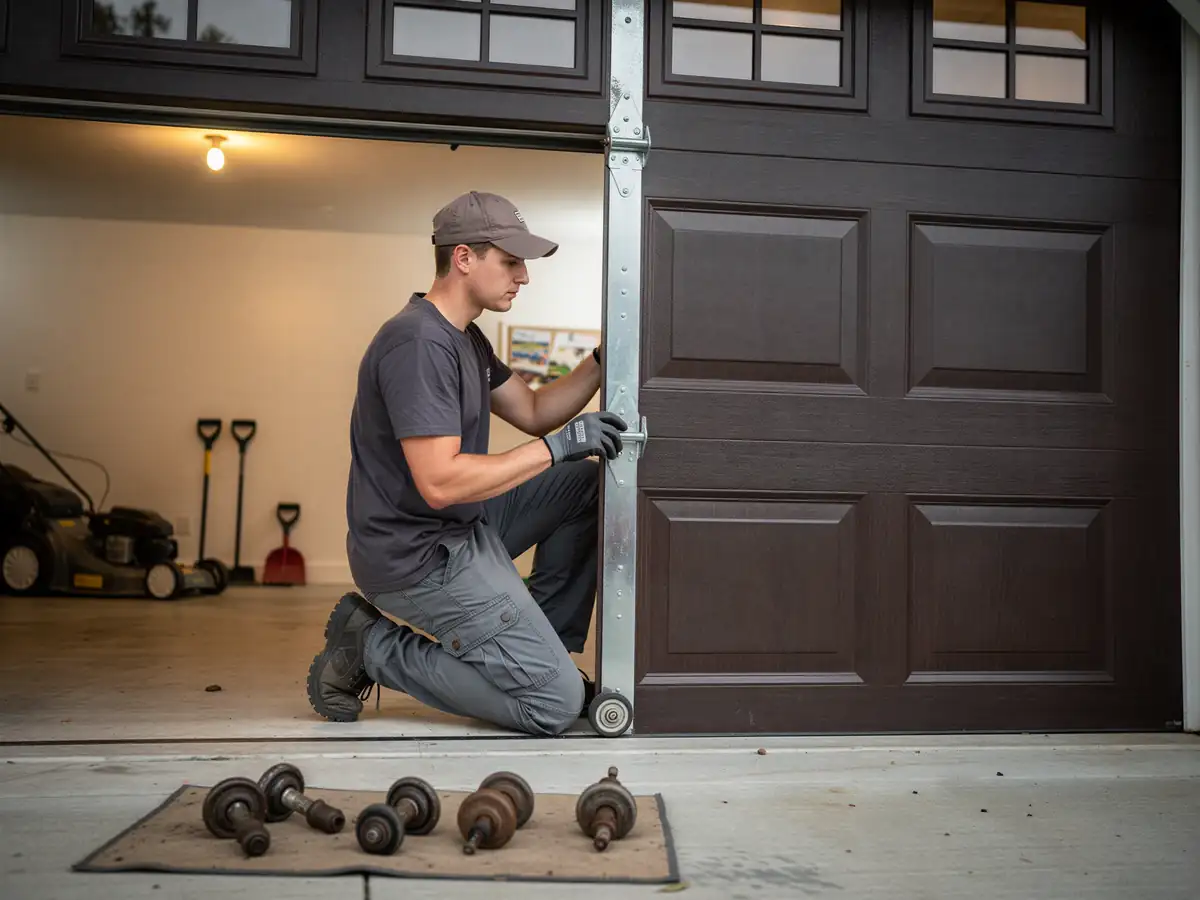
Most of the doors we see out in Saylorville went up around 1983, and the roller hardware on them is almost always the original steel roller on a steel stem, running in a raw steel track with no nylon bushing. Swapping one roller looks simple: pull the hinge bolt, slide the roller out, slide a new one in. The part most people get wrong is the top two rollers on each side, which sit in the curved section of track and carry more side-load than the rest. Pull those with the door still under spring tension and the section can drop on your hand. If you've got a torsion spring door - which is common on this era of build - unplug the opener and leave the top section alone until the door is manually locked down. A worn stem that's bent even slightly will bind in the track no matter how new the roller is, and that's the part a lot of DIY jobs miss.
The Cost of This Job
We price roller replacement by the roller, not the visit, because the job on a 1983-era door with ten steel rollers is a different scope than a newer door with four worn ones. What we can tell you without seeing the door: original steel rollers on houses this age have usually outlasted their bearings, not their housings, so the noise is bearing failure even when the roller itself looks fine. Nylon rollers run quieter and hold up better through Iowa's cold stretches, since steel contracts and gets louder in low temperatures - that's a real factor here given our moderate-cold climate band, not just a sales pitch. We won't swap a track that's still straight and true just because the rollers in it are old; replacing a track that doesn't need it is money you don't need to spend.
Getting It Booked In
With roughly 1,400 households in Saylorville, this isn't a town with its own crew parked nearby - we come out from Ankeny for each job, which is why we ask for the door's age and a photo of the roller and track when you call. That lets us bring the right roller stock the first trip instead of a second one. We don't keep a local depot here, so same-day isn't something we promise for this town; we'll give you the honest window based on the Ankeny schedule and the four-mile drive.
Why This Fails Locally
The median household income in the broader service area runs around $96,354, but Saylorville itself sits closer to $80,250, and that gap shows up in the housing stock - fewer newer builds, more original doors from the early '80s still running first-generation hardware. A door built in 1983 was not speced with nylon rollers or sealed bearings; it got stamped steel rollers because that's what was standard then. Thirty-plus winters of steel expanding and contracting in the cold have worked the roller stems loose in their brackets, and that looseness is what you hear as rattling before anything actually breaks.