How It Shows Up
The opener usually tells you before it quits outright. The door hesitates halfway up, reverses for no reason, or the motor hums without moving the chain. Sometimes it's just loud in a way it never used to be - a grinding instead of a smooth run.
A lot of what we see traces back to when the house went up. Local housing stretches from 1941 to 2009, with the heaviest building in the 1980s and 90s. That means a big share of openers in this service area are original equipment from that era, or a direct swap installed at the same age the house hit twenty years old. Either way, they're past the point where parts are worth chasing.
Cold winters add wear you don't get in a milder climate. The nylon drive gear inside an older chain-drive unit gets brittle, and the cold makes the motor work harder to break the door loose from a frozen seal at the bottom. That combination is why we get more opener calls here in the first deep cold snap of the season than any other time of year.
If your opener is original to a house built in that 1980s-90s window, it's not a question of if, it's when.
How We Fix It
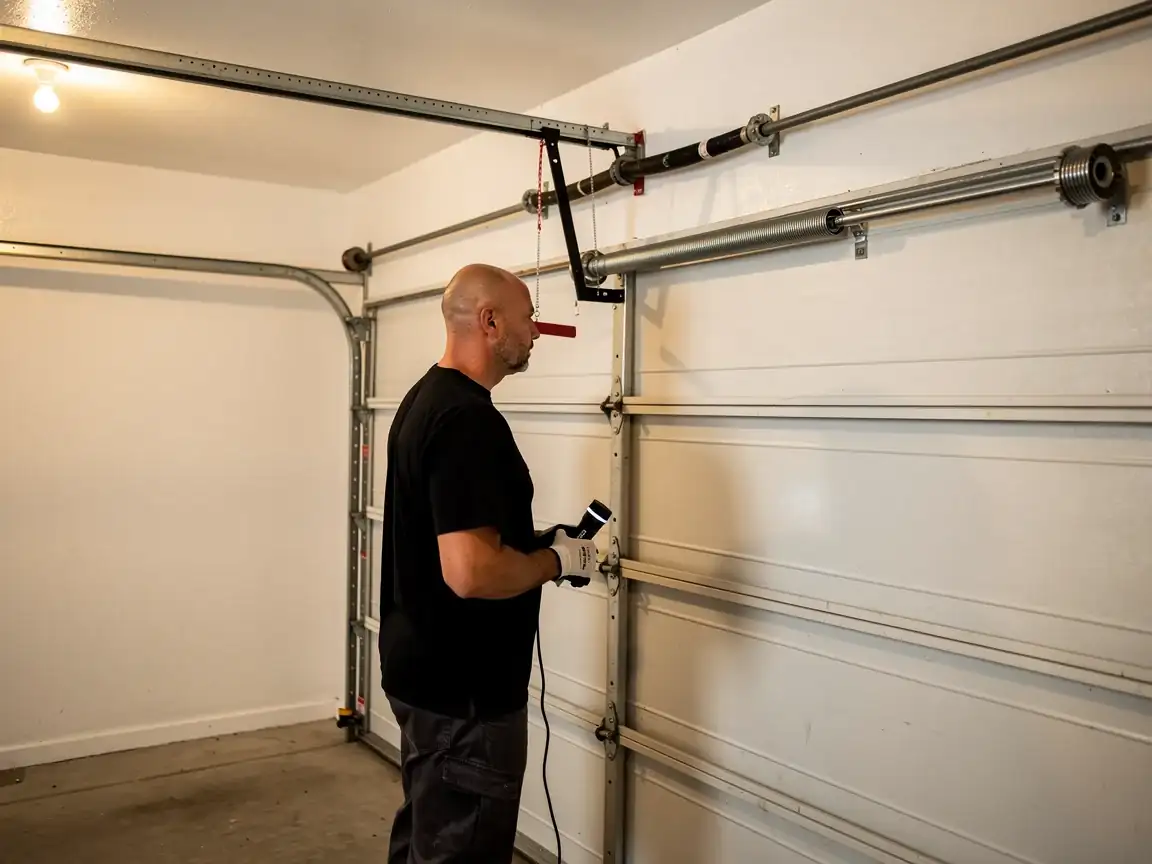
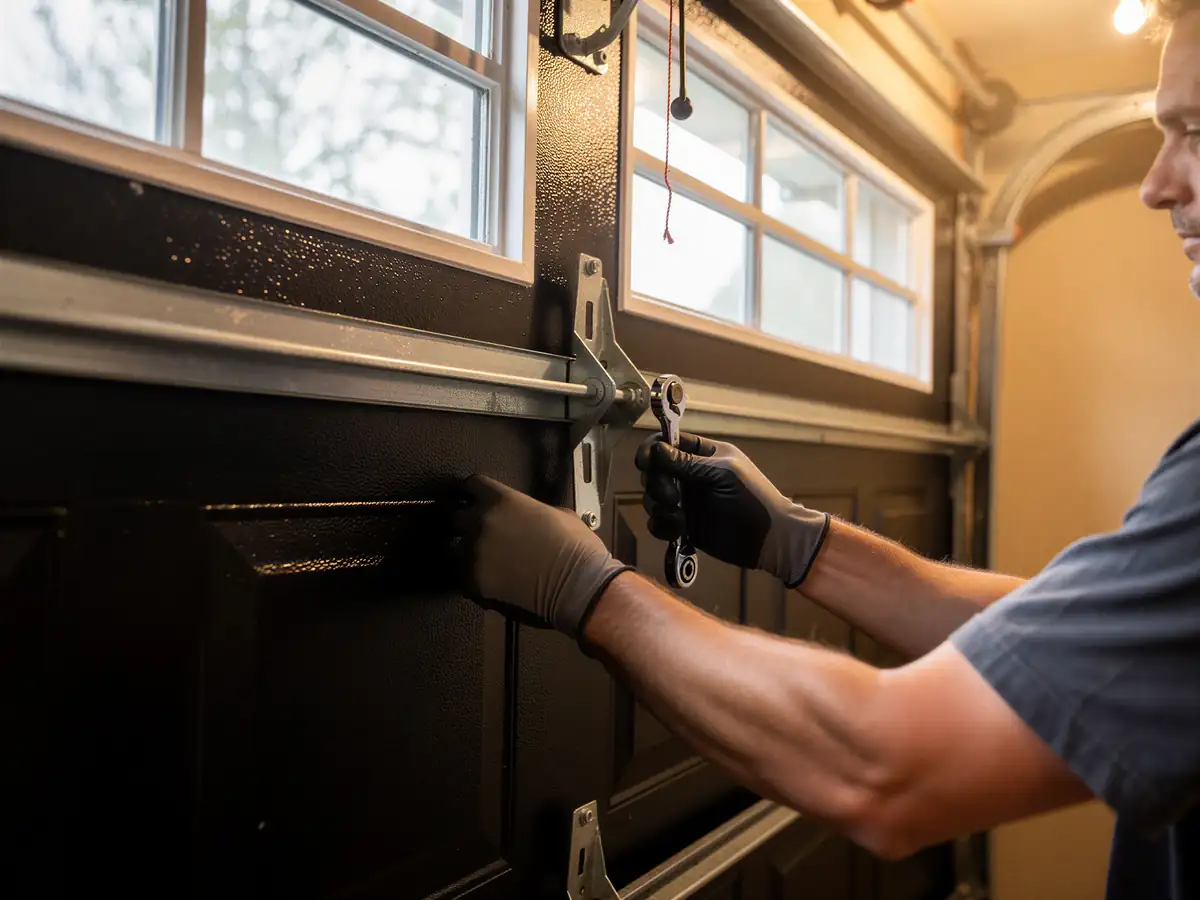
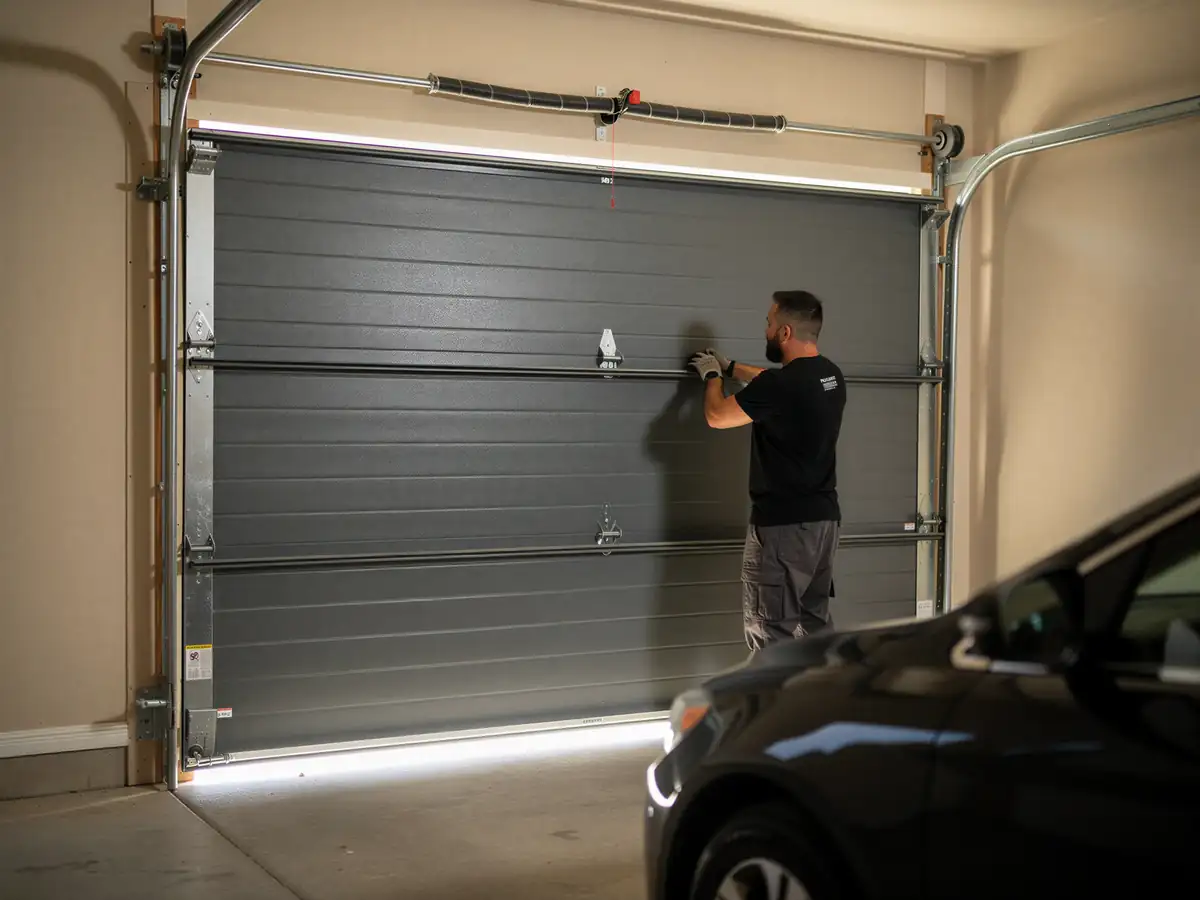
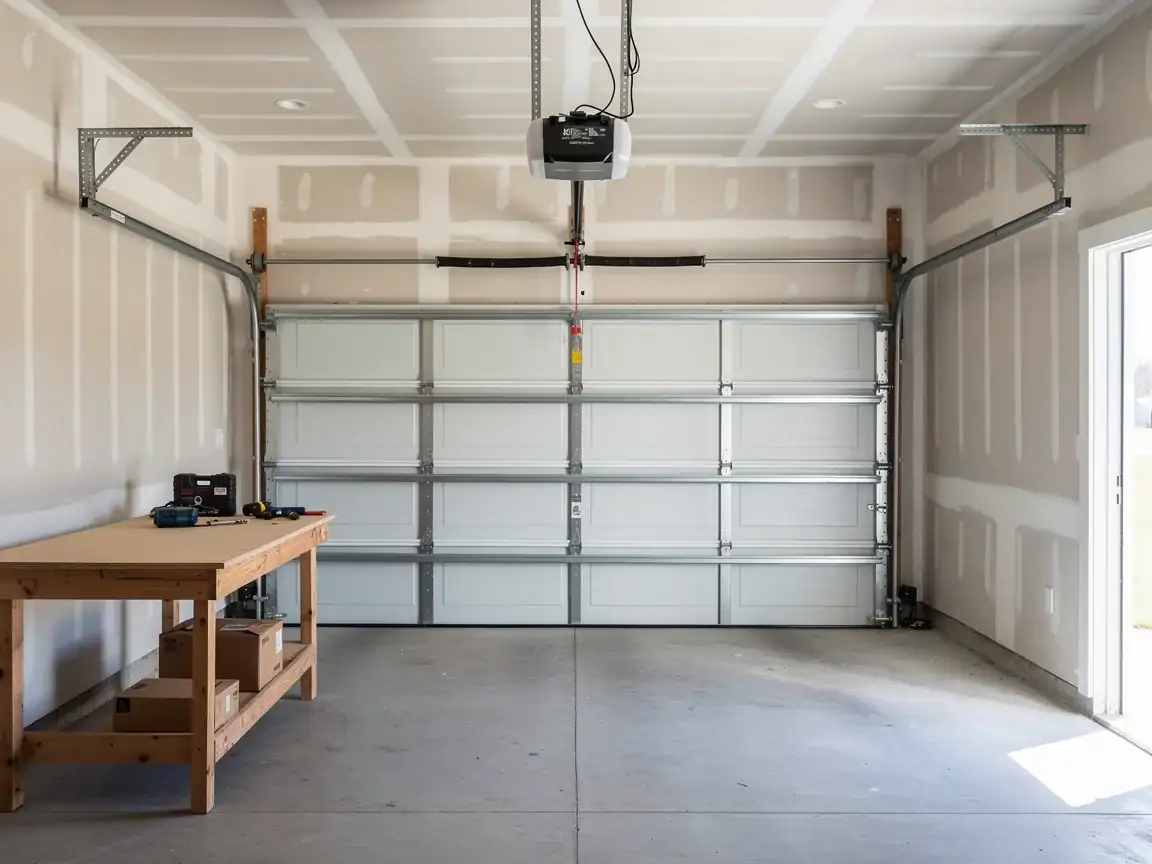
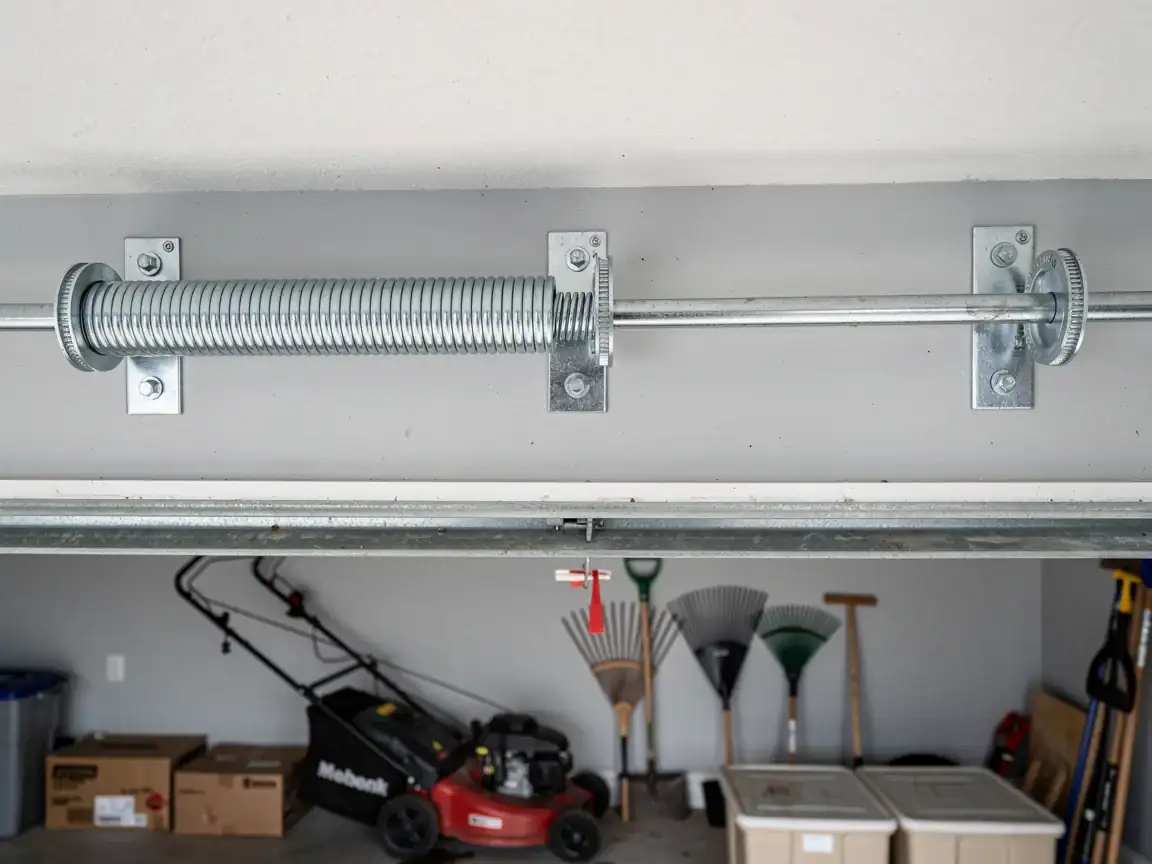
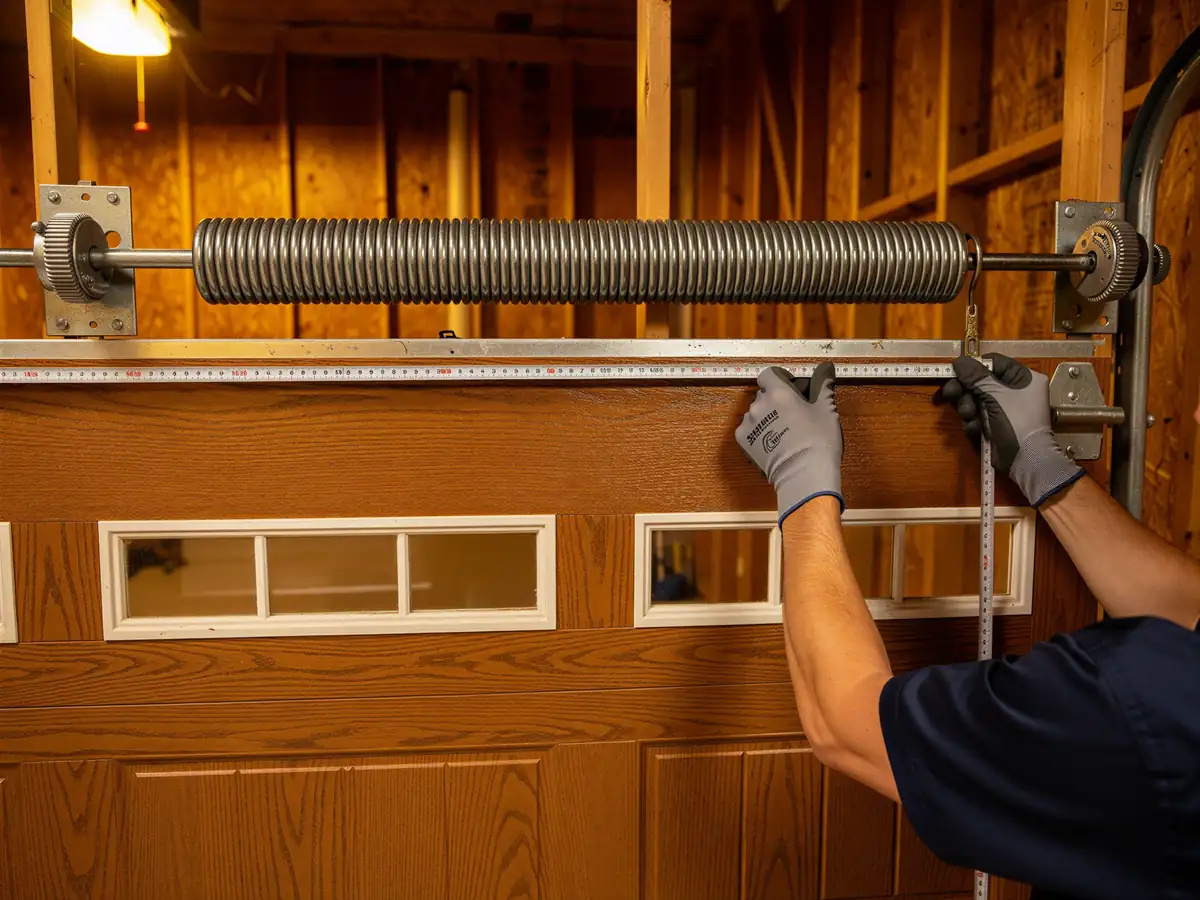
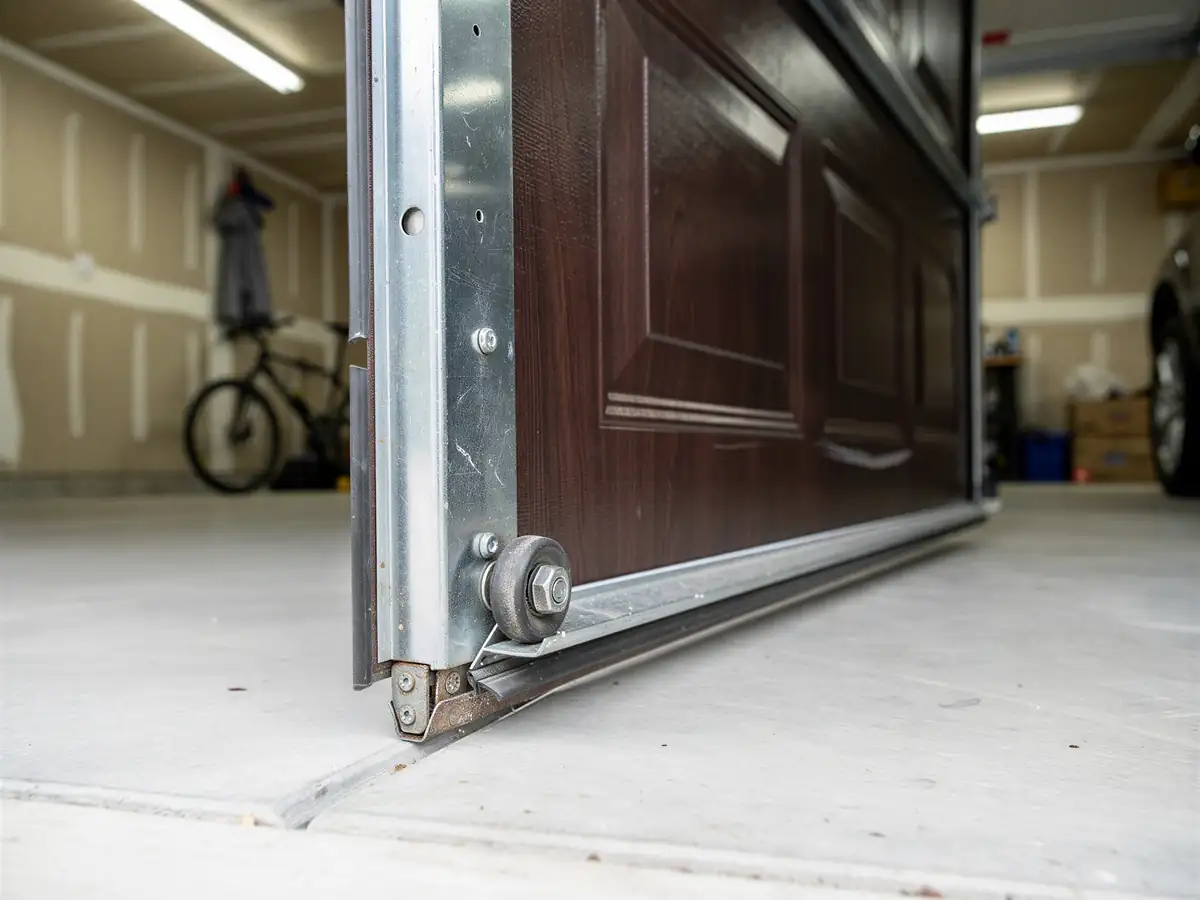
Installation starts with the door itself, not the opener. If the springs, cables, or rollers are worn, a new opener bolted onto bad hardware just fails faster and can strain the new motor. We check the door's balance and track condition before anything else, because a door that doesn't move freely by hand will never run right on a motor either.
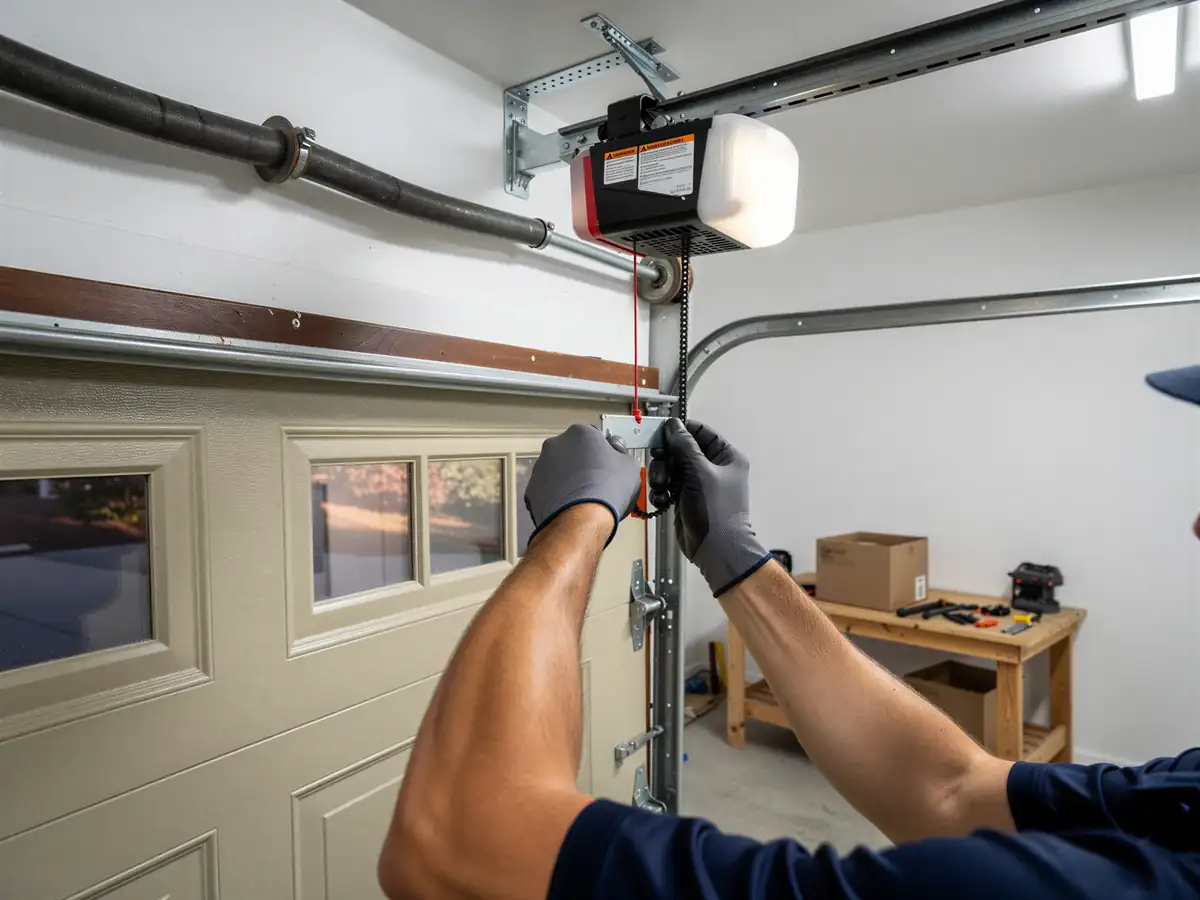
For the install, we size the opener to the door - weight, height, and whether it's a single or double panel door matters for horsepower and drive type. Belt-drive units run quieter and hold up better to cold-weather starts than older chain-drive styles, which is part of why we see more owners here choosing belt drives on replacement jobs rather than matching the old chain system.
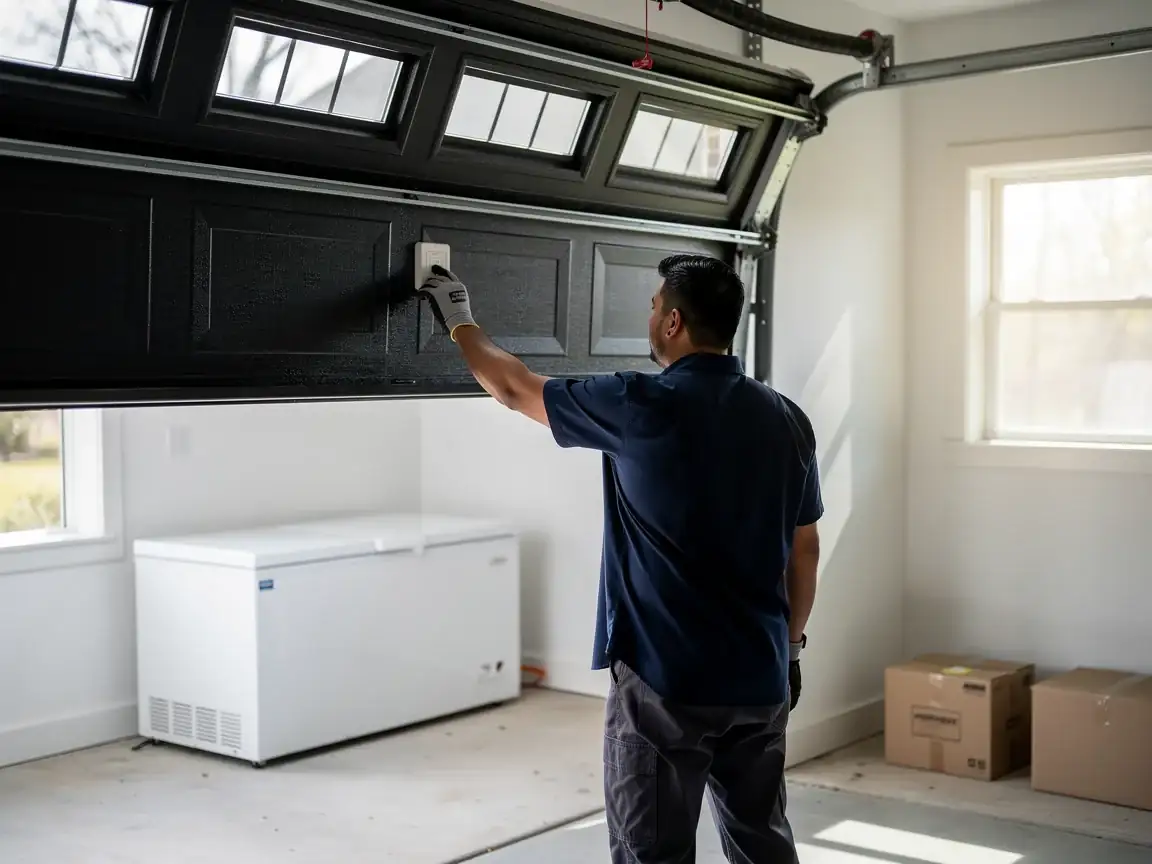
We set the travel limits, force settings, and safety reversal sensors to current spec, not just whatever worked on the old unit. A reversal sensor that's slightly out of alignment is one of the most common comebacks we see on DIY or rushed installs, so we test it before we leave.
One limit worth being straight about: if your door's track or header is out of square from age or settling, that's a separate repair, and we'll flag it rather than install an opener on a frame that'll keep causing problems.
Getting It Booked In
Booking an opener install doesn't need to be complicated
You call, tell us the door size and whether you want to keep the same drive type or switch to belt drive, and we give you a time that works. If you're not sure what's installed now, a photo of the motor unit from underneath usually tells us everything we need before we show up.
Most jobs are a same-day visit once scheduled
The opener swap itself doesn't take long when the door hardware is in good shape. If we find worn springs or a bent track during the walkthrough, we'll tell you before we start, not after, so you can decide whether to handle both in one visit.
We work across the greater Ankeny service area
Including out toward Saylorville, Alleman, and Elkhart to the north and east, and as far as Grimes, Waukee, and Dallas Center to the west. Distance affects scheduling more than it affects the job itself - the install is the same whether it's four miles or twenty.
More about the company and our full range of door work is on the homepage
Why This Fails Locally
This isn't a generic wear-and-tear story. It's the specific overlap of three things: housing age, housing concentration, and climate.
Most homes across this service area's 26 named neighborhoods were built between 1941 and 2009, with the median landing around 1993 and the heaviest cluster in the 1980s and 90s. That means tens of thousands of houses - out of 85,219 households and 46,052 owner-occupied homes in the area - hit opener replacement age in roughly the same stretch of years. It's not random failures scattered evenly over time; it's a wave tied to when the subdivisions went up.
Layer the cold-moderate climate on top of that. Older chain-drive openers rely on nylon and steel components that were engineered decades before today's cold-weather tolerances were standard. Repeated freeze-thaw cycles on the drive gear, combined with a door seal stiffened by cold, put more strain on an aging motor here than the same unit would see in a warmer region.
The income level in this area ($96,354 median) also shows up in the choices owners make - more opt for a one-time upgrade to a better unit with battery backup than a patch job on the old one, which is part of why we stock for replacement more than repair parts on these calls.