How It Shows Up
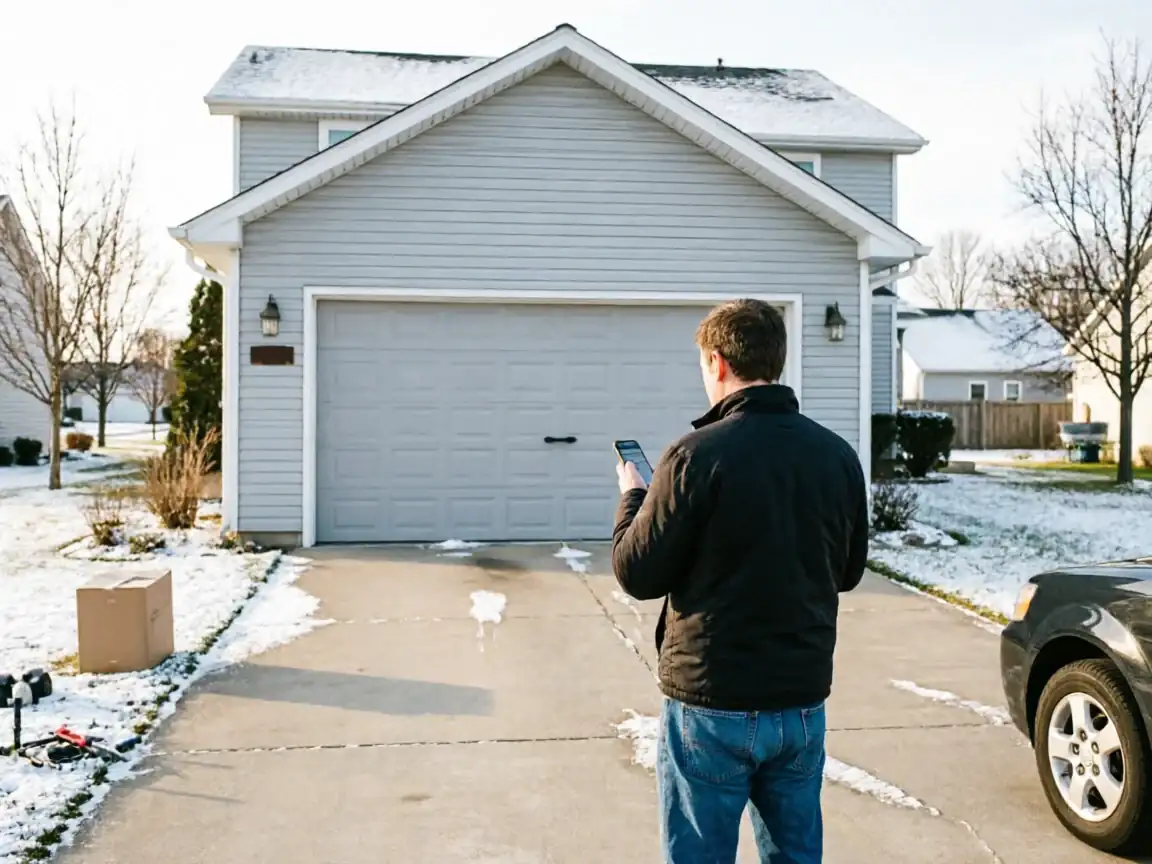
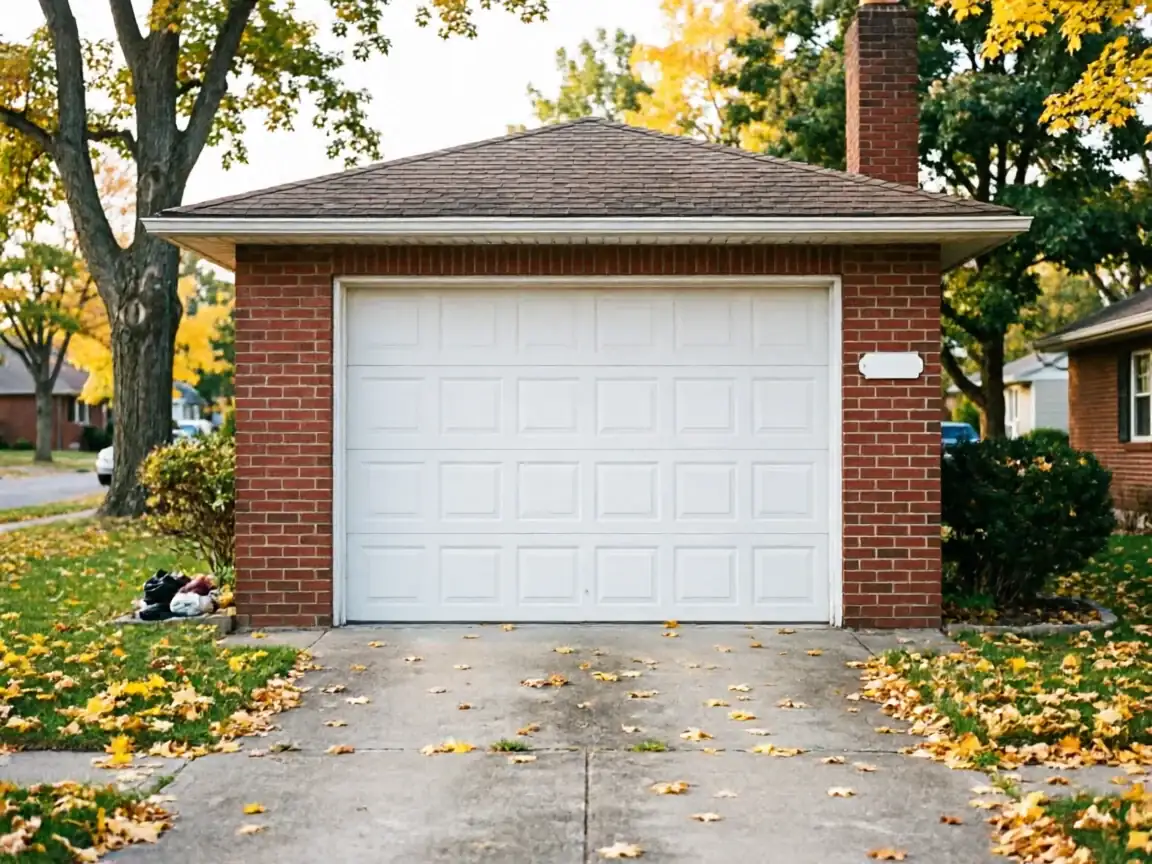
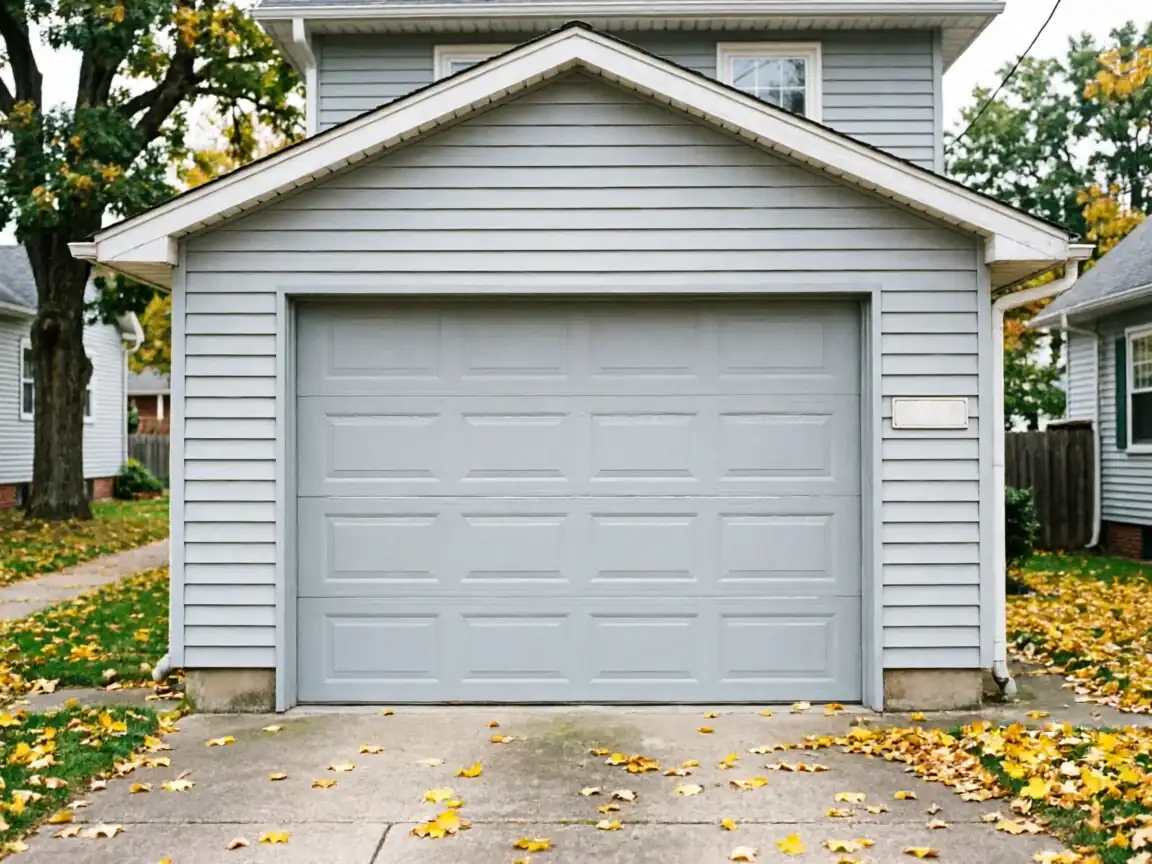
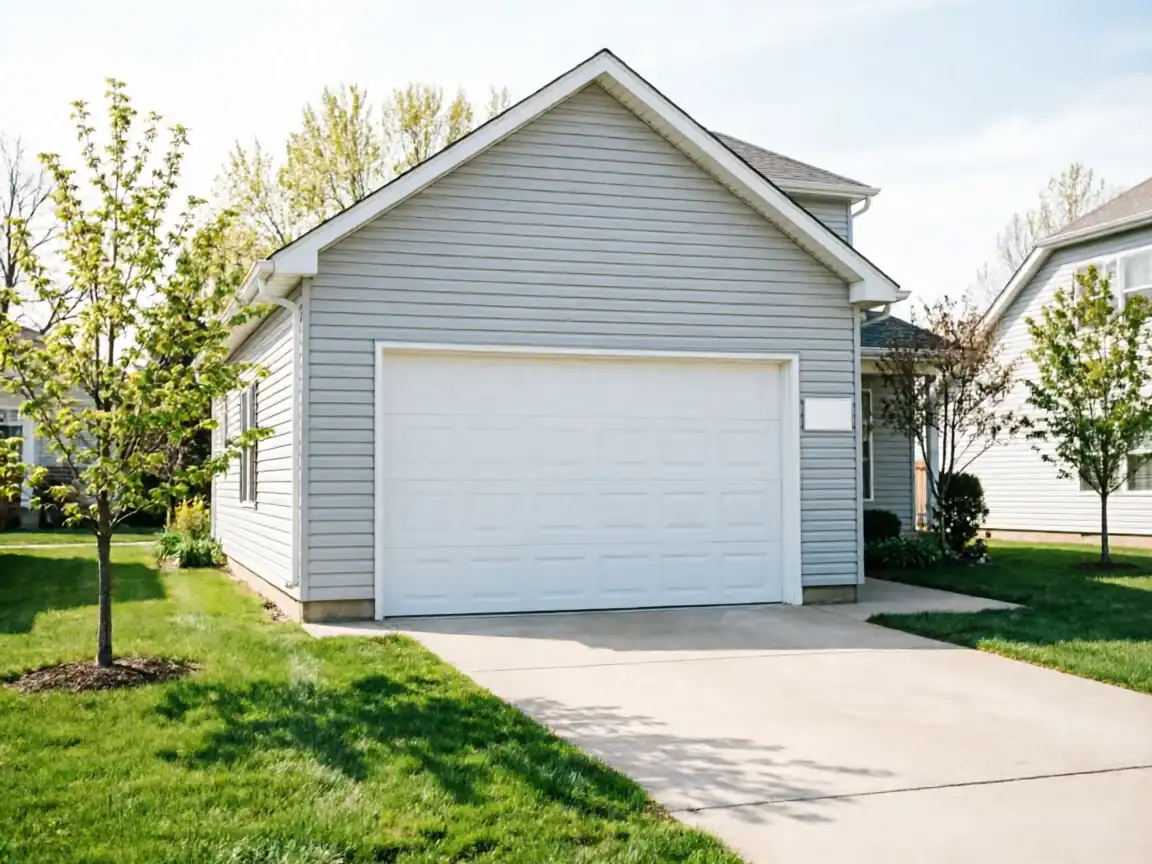
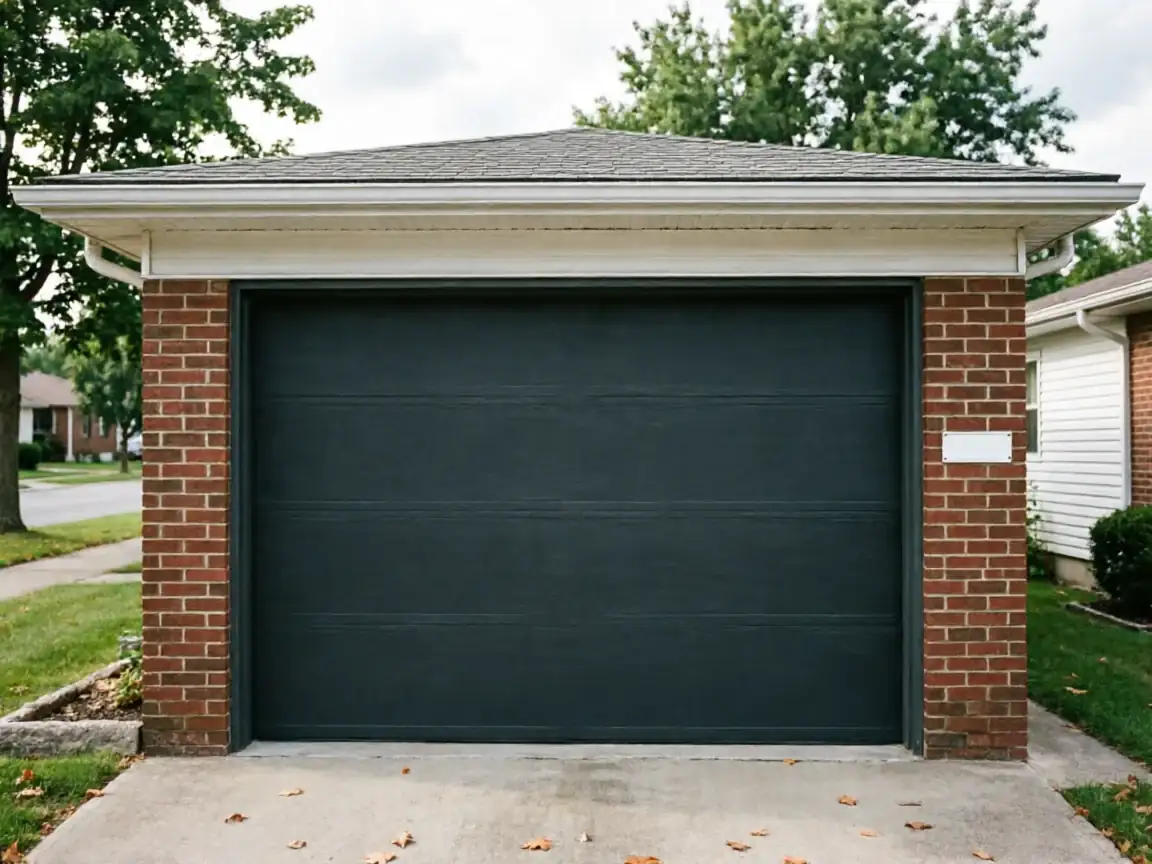
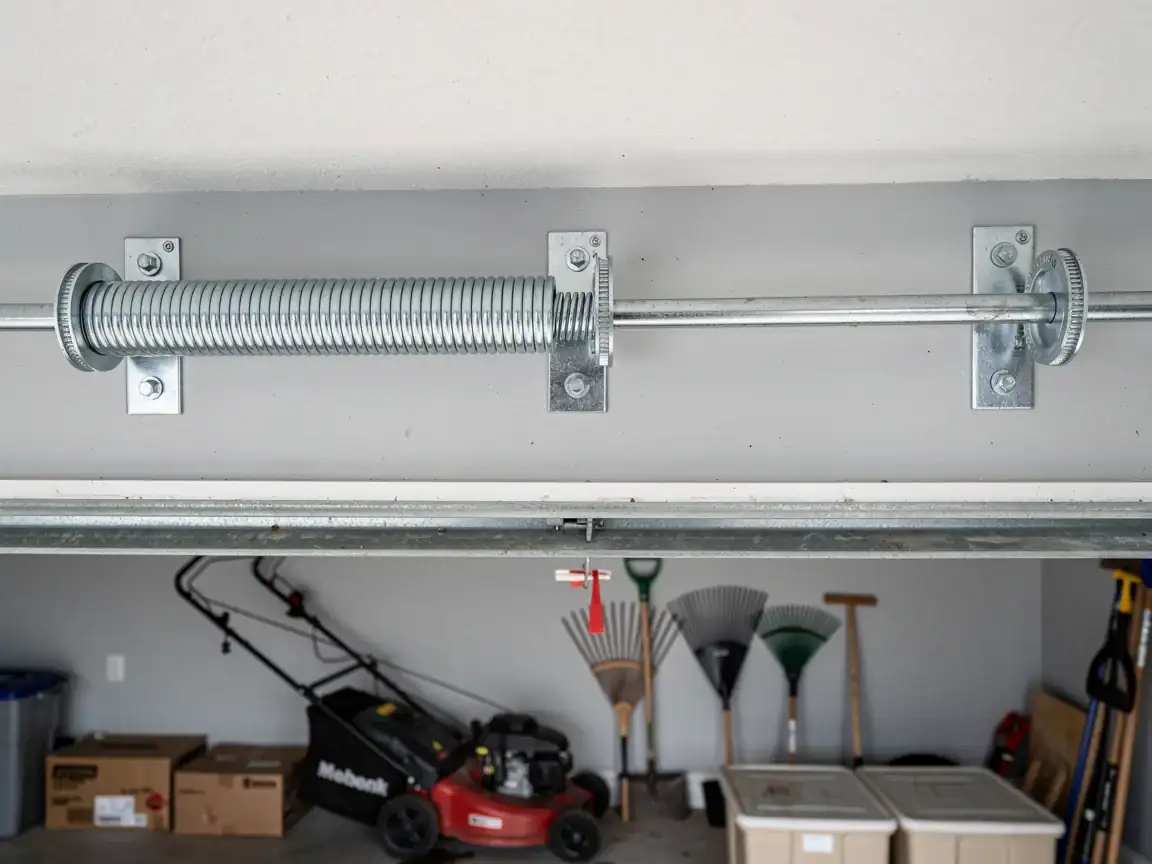
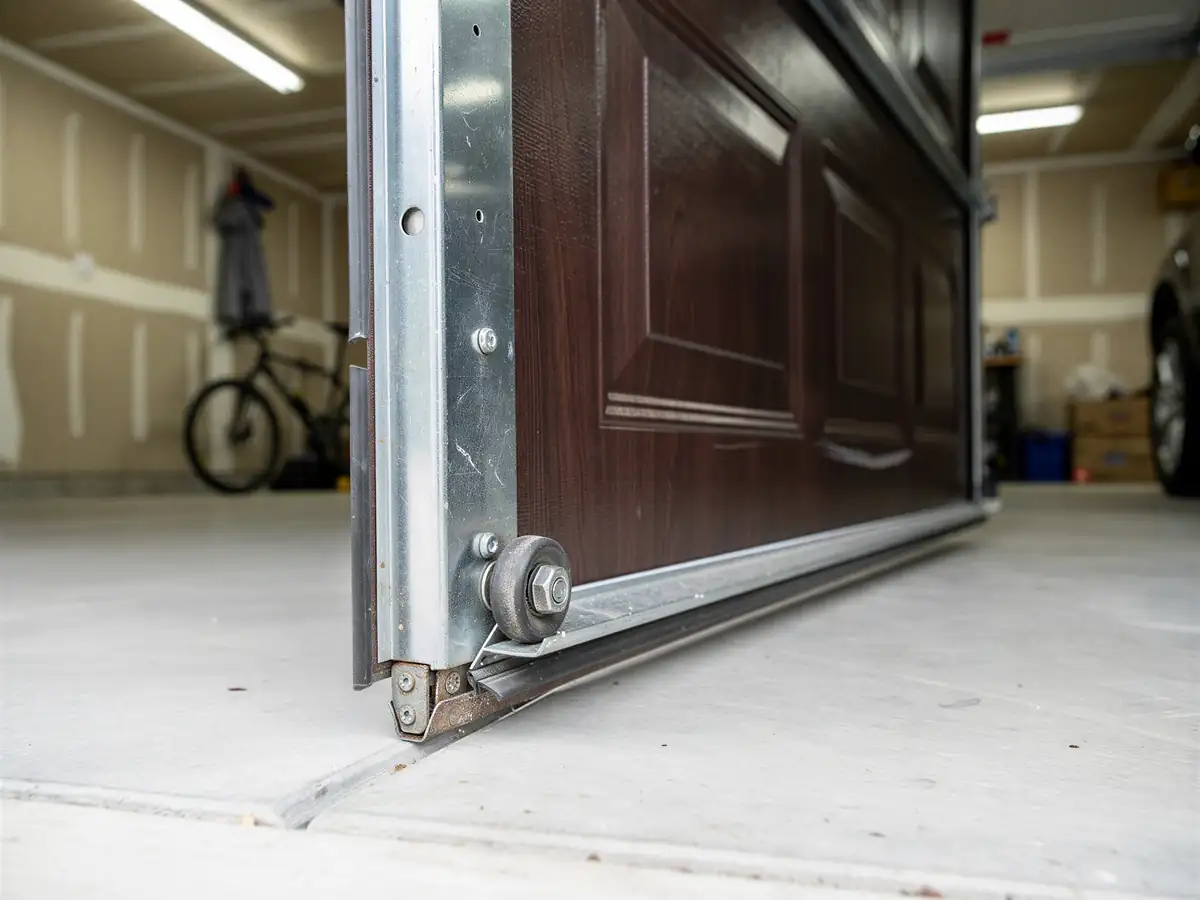
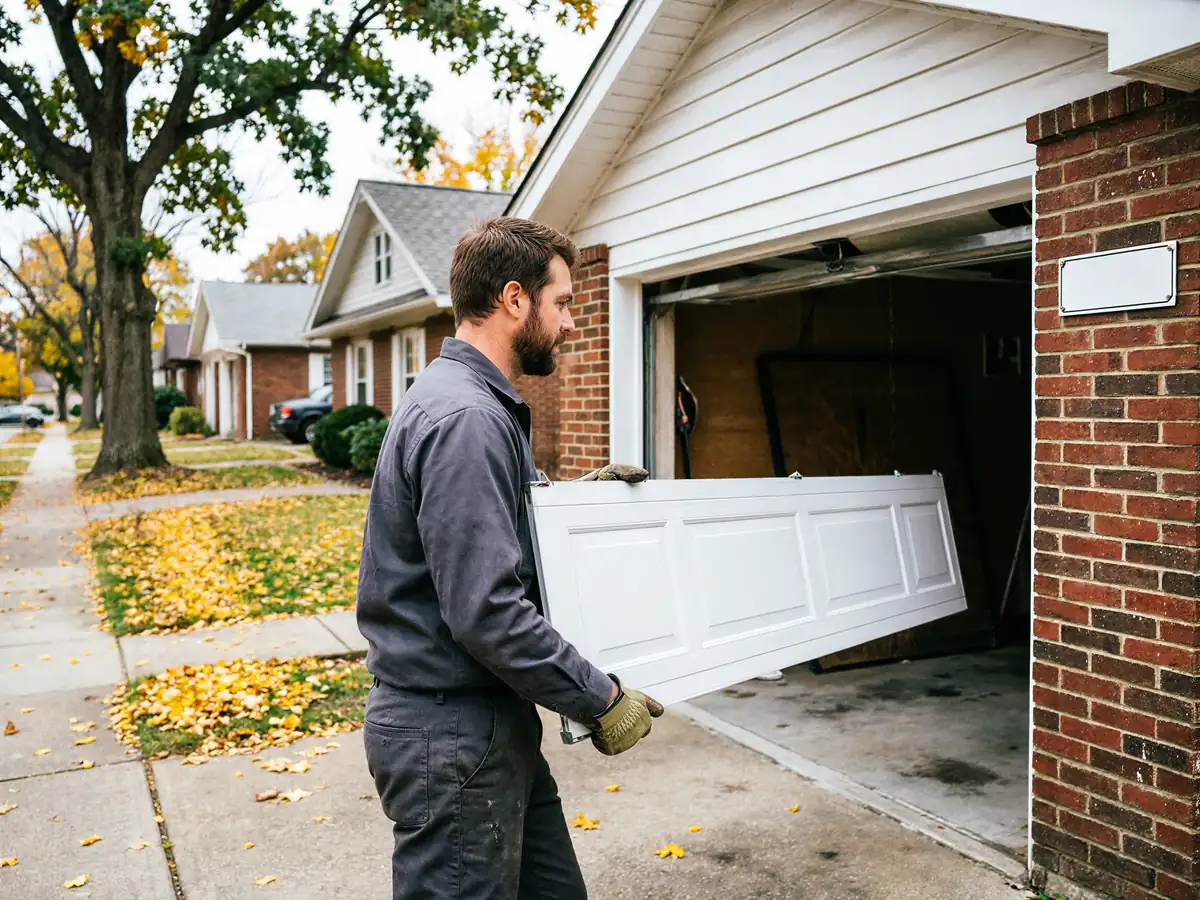
Most calls for a new door start the same way: the old one still opens, technically, but it takes longer, sags on one side, or lets a line of cold air under the bottom seal. Houses in Ankeny built between 1941 and 2009, with most of the stock dating to the 1980s and 90s, often still carry the original single-layer steel door that was never rated for Iowa's cold swings. That door was fine for the climate it was built in, but thirty-plus winters of expansion and contraction leave the panel seams loose and the foam backing (if it has any) crumbled into dust at the bottom corners. With 46,052 owner-occupied houses across the service area, a lot of them are hitting the age where the door's foam core has broken down and the panel flexes in the cold. You'll notice it as a door that's heavier to lift by hand, an opener that strains and groans on the first foot of travel, or a bottom seal that's lost its shape and lets daylight through on both sides. None of that means the opener is bad. It usually means the door itself has reached the end of what insulation and hardware tolerances can do for it.
How We Fix It
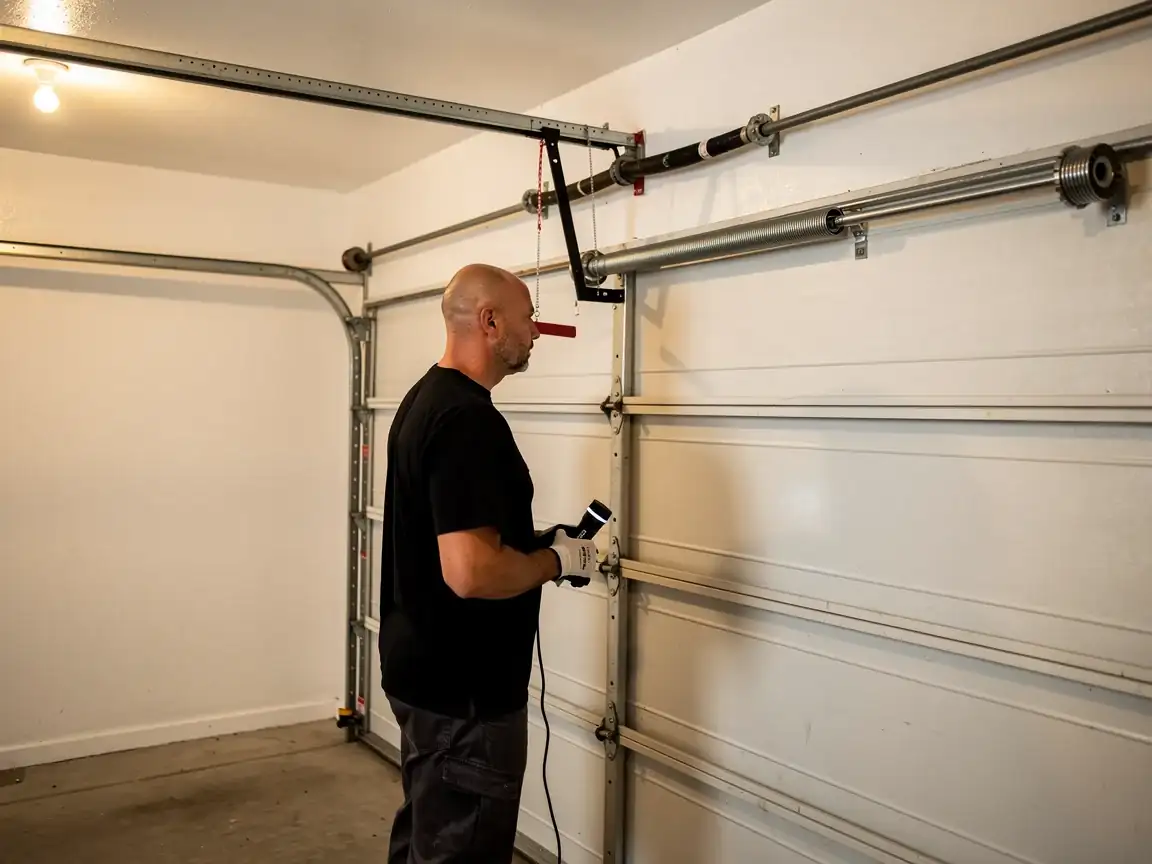
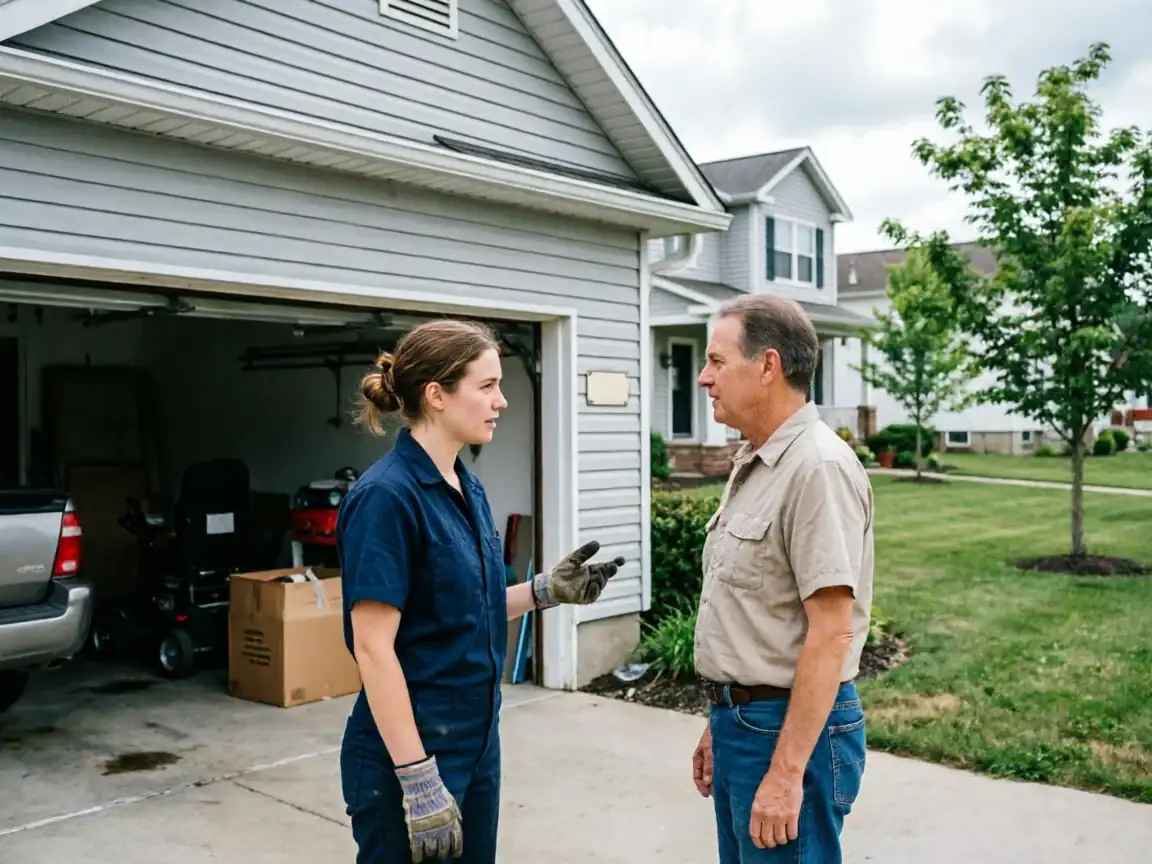
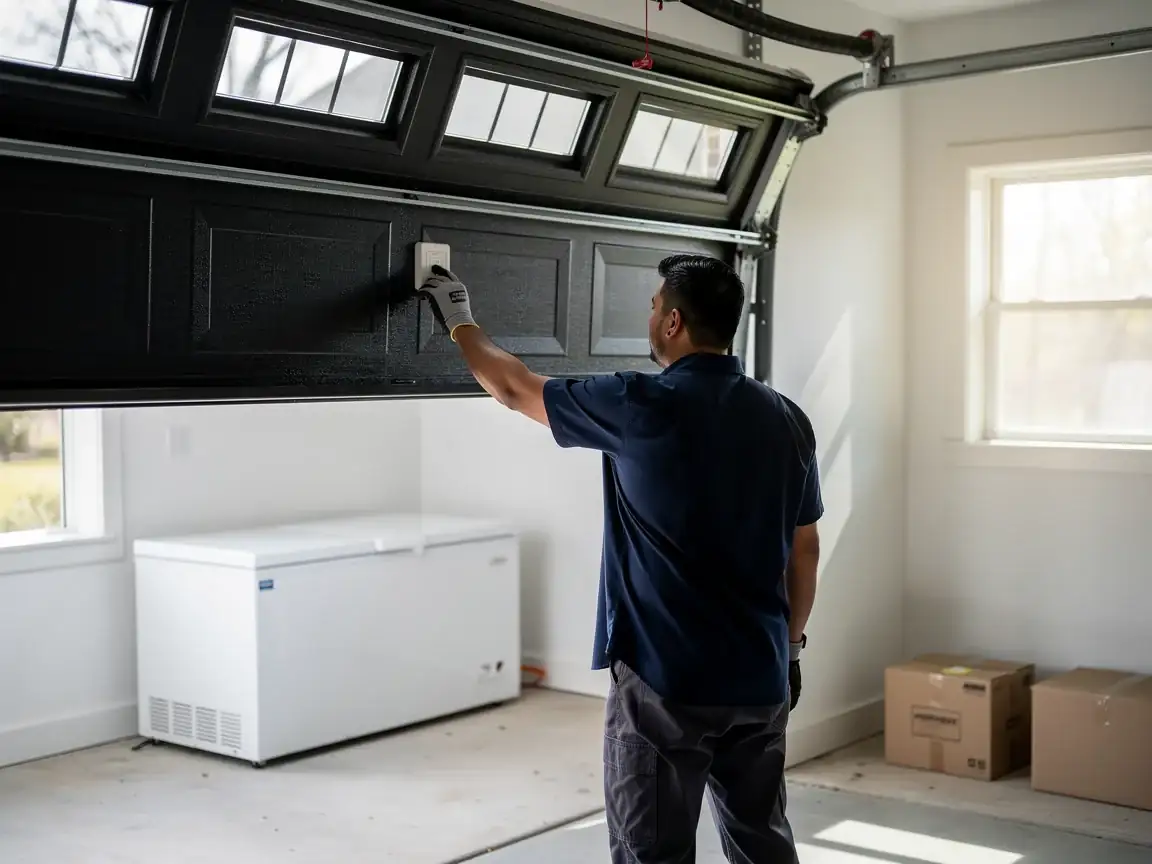
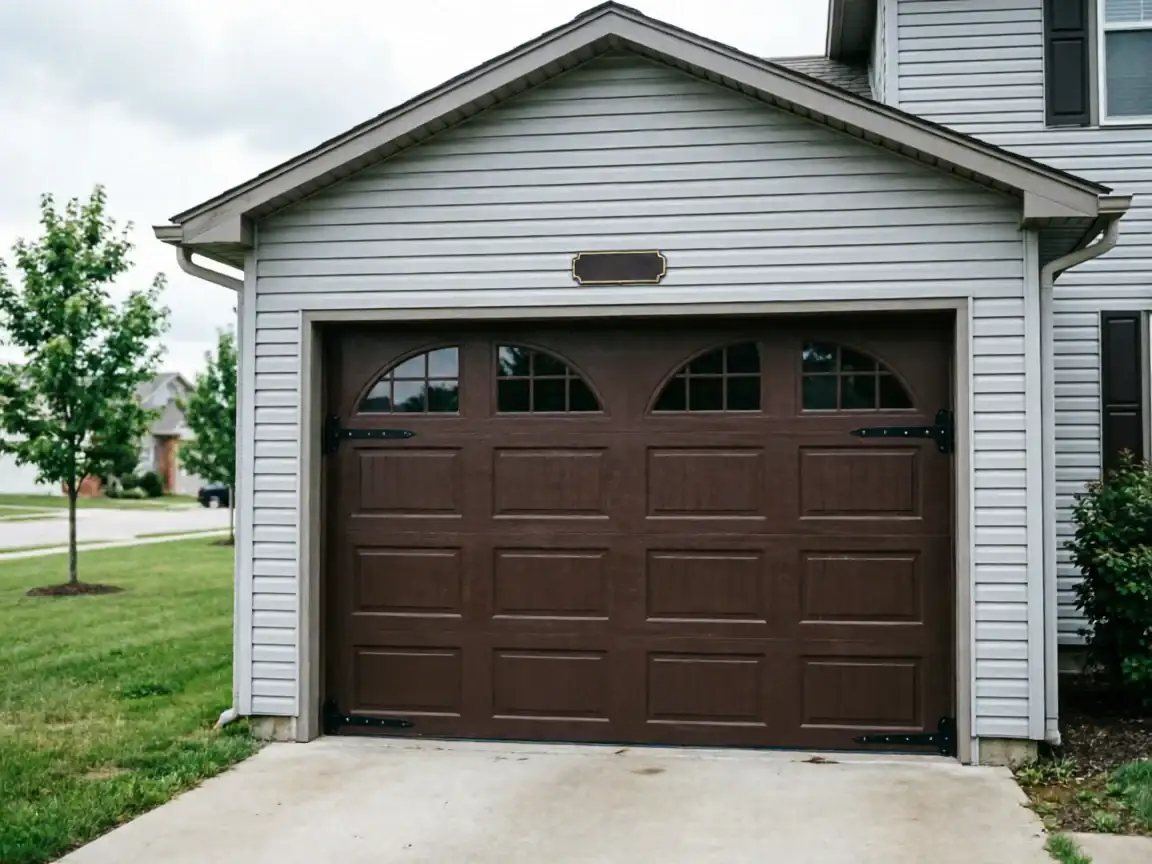
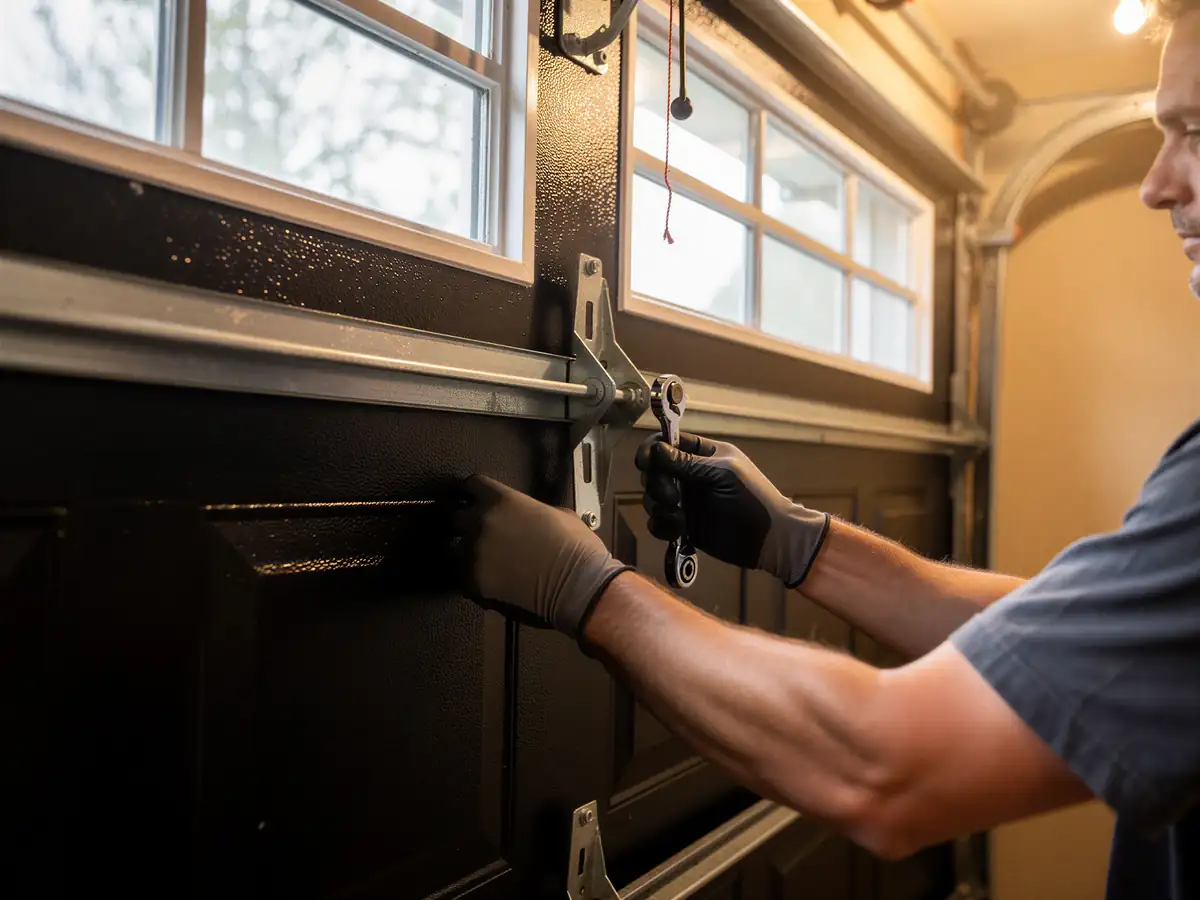
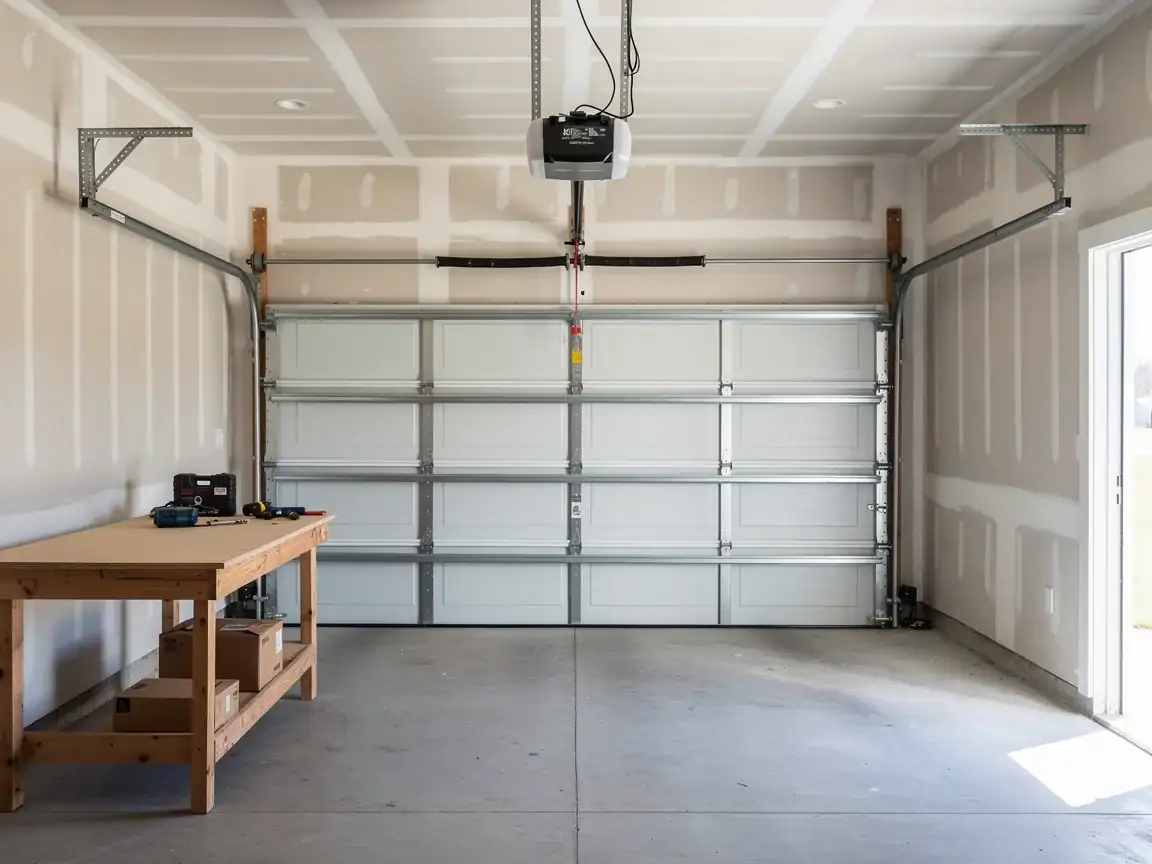
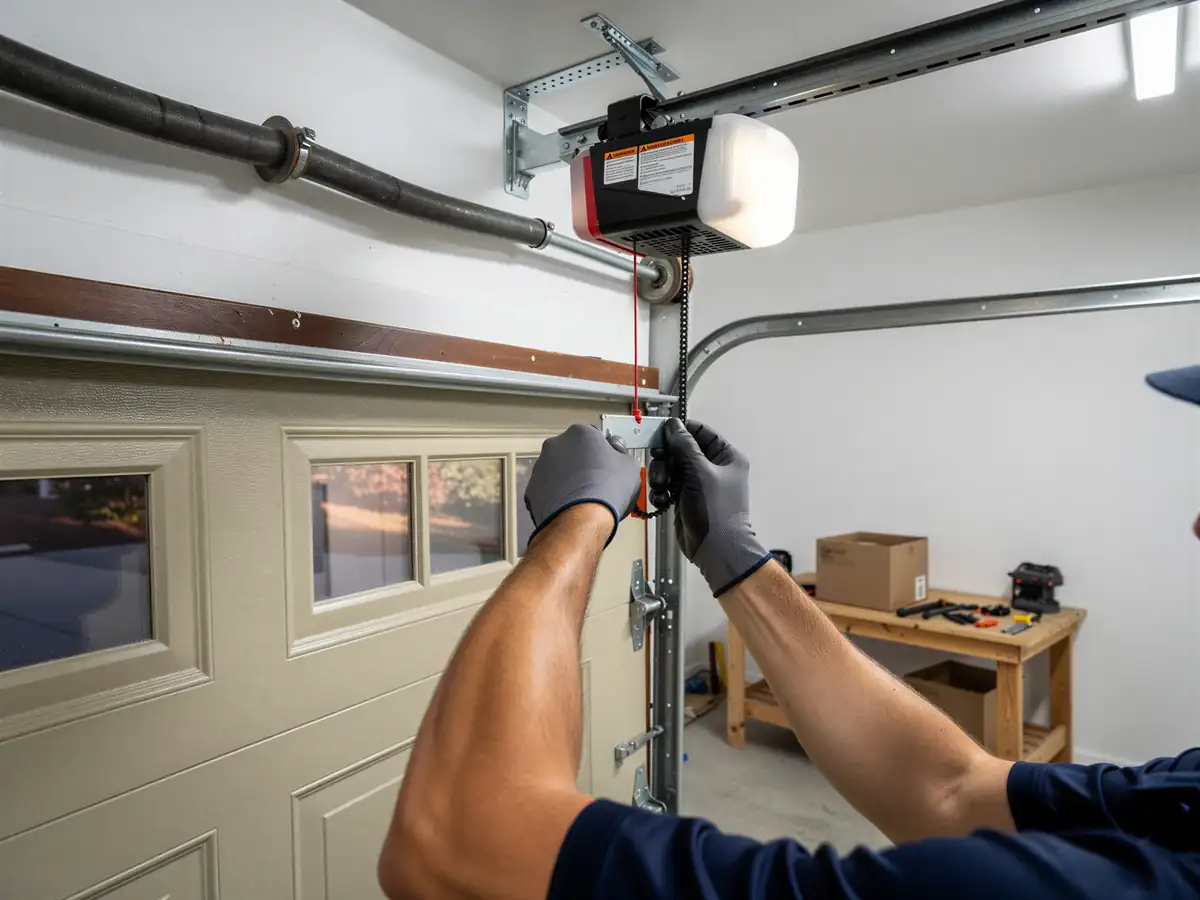
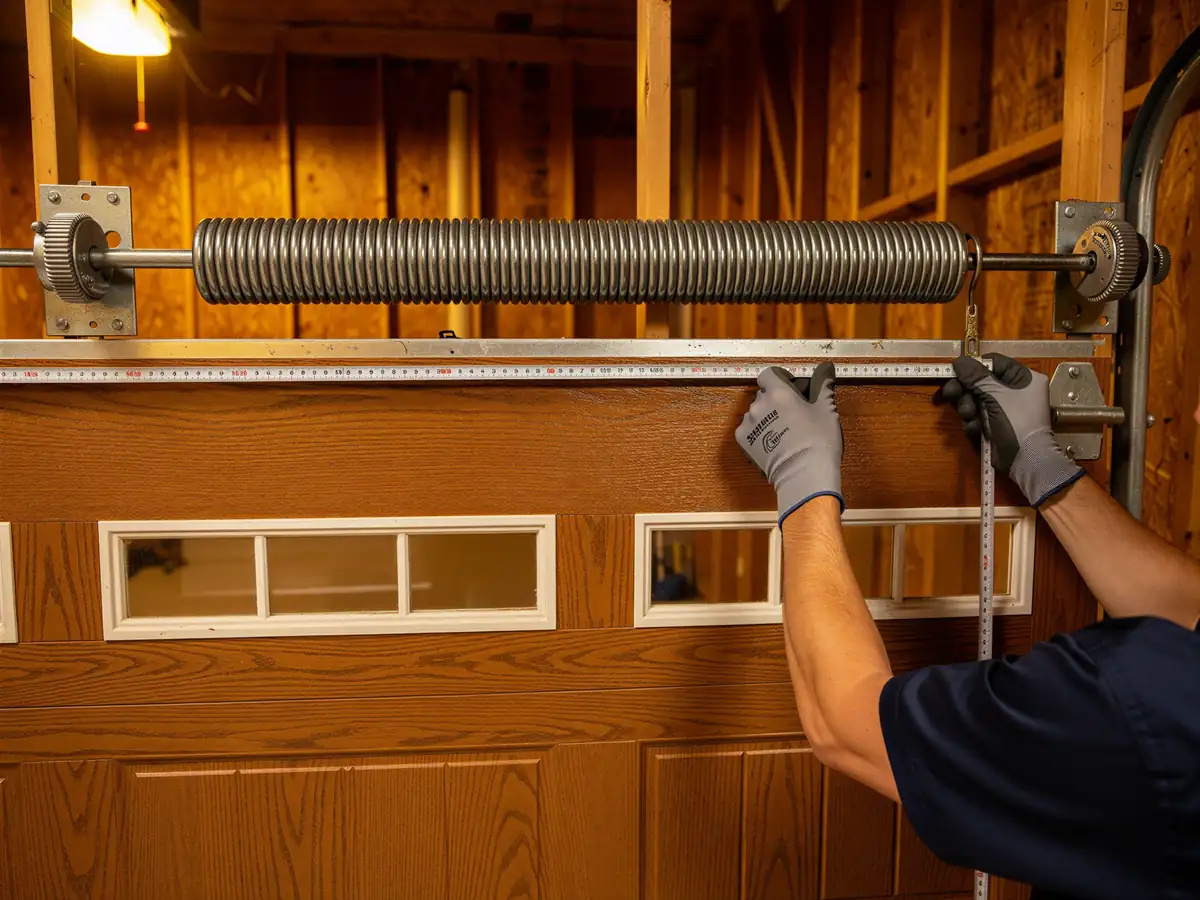
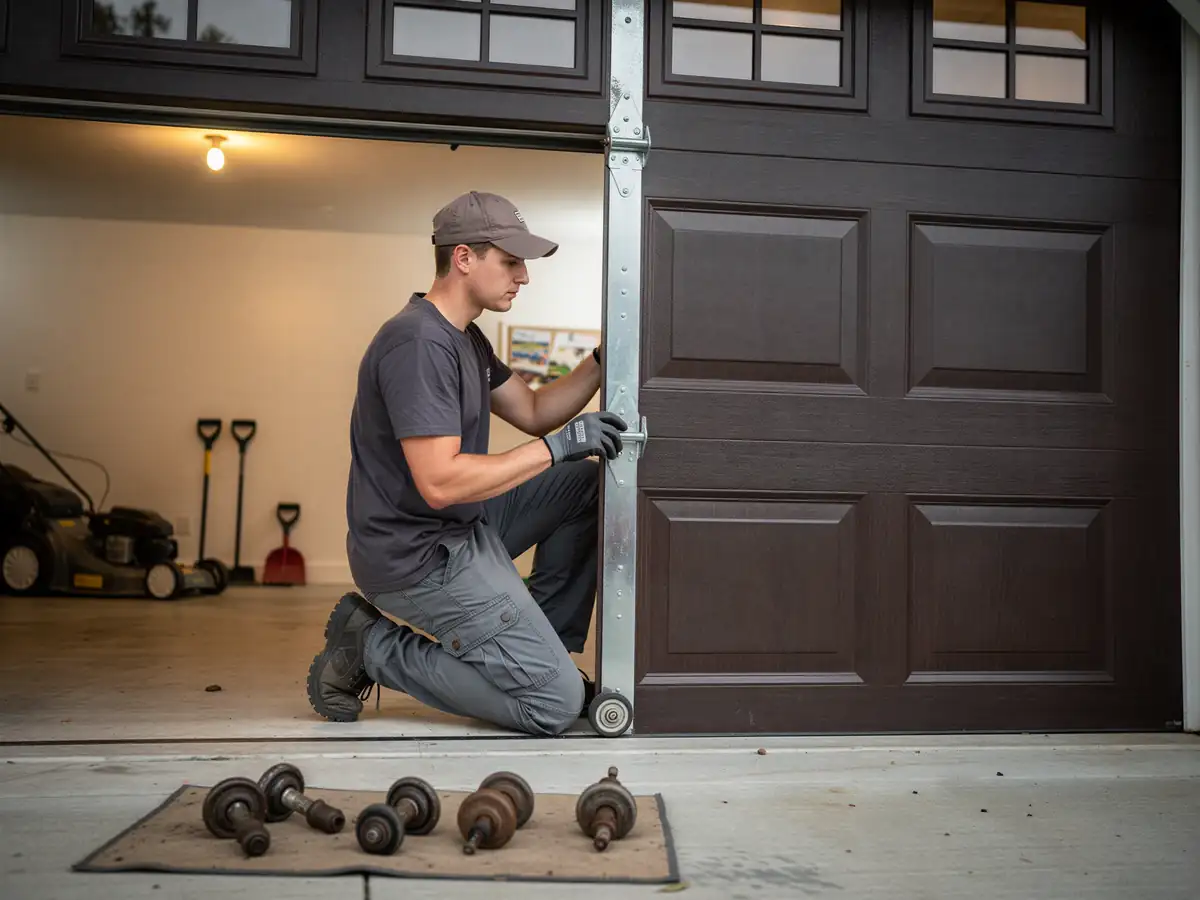
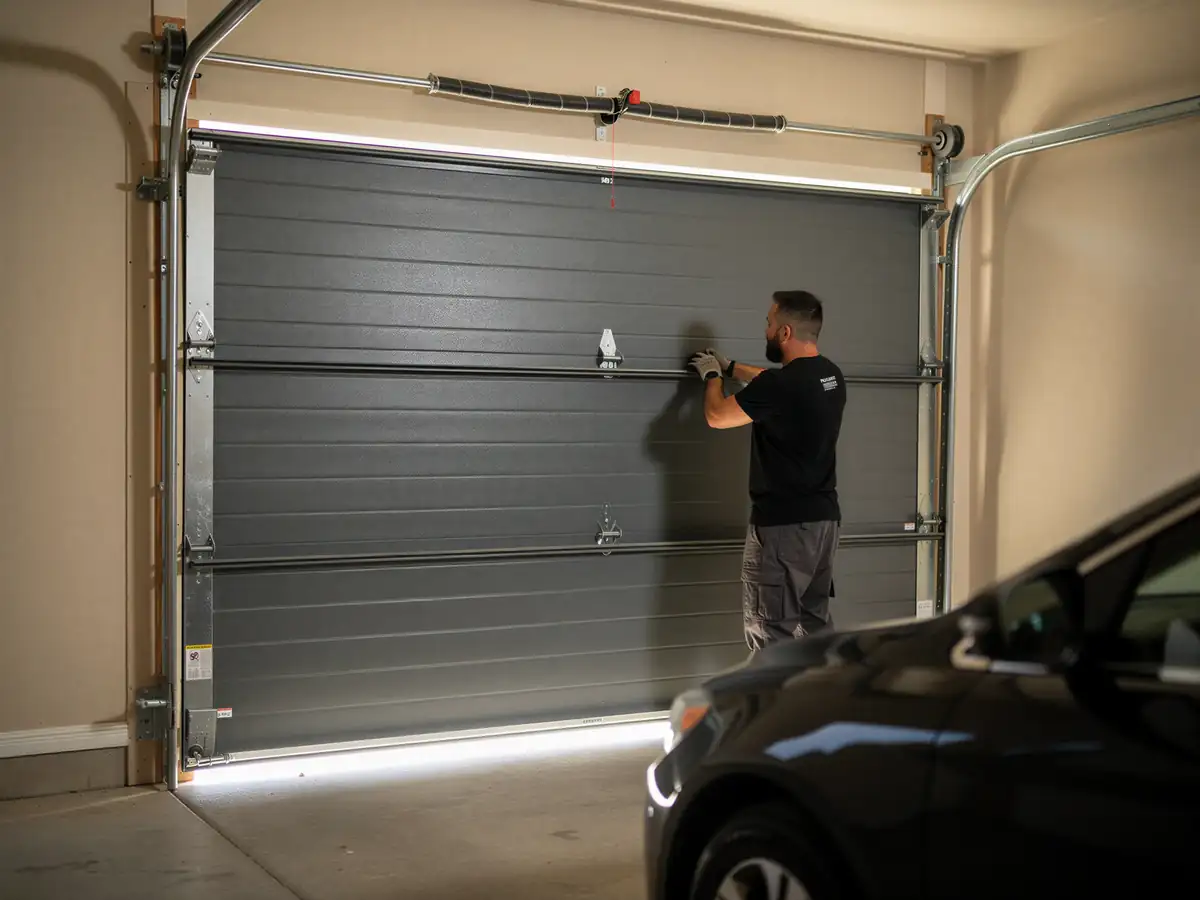
We measure the opening, not just the old door, because framing settles over decades and a stock-size replacement can end up a half inch short on one side. For this climate band, cold and moderate rather than extreme, we spec doors with a polyurethane core rather than the thinner polystyrene fill that was common on builder-grade doors from the 1990s. That core matters more for keeping the garage above freezing in January than for any marketing number on the box. We set new track and rollers to match the new door's weight rather than reusing the old hardware, since a heavier insulated door on worn rollers just transfers the strain to the opener. One limitation worth saying plainly: custom widths or odd-height openings on older homes sometimes need a special order, and that can run a week or two past what we can do with doors we keep on the truck. If your opening is a standard width, we can usually install off the truck same visit. If it isn't, we'll tell you that during the measurement, not after you've paid a deposit.
Why This Fails Locally
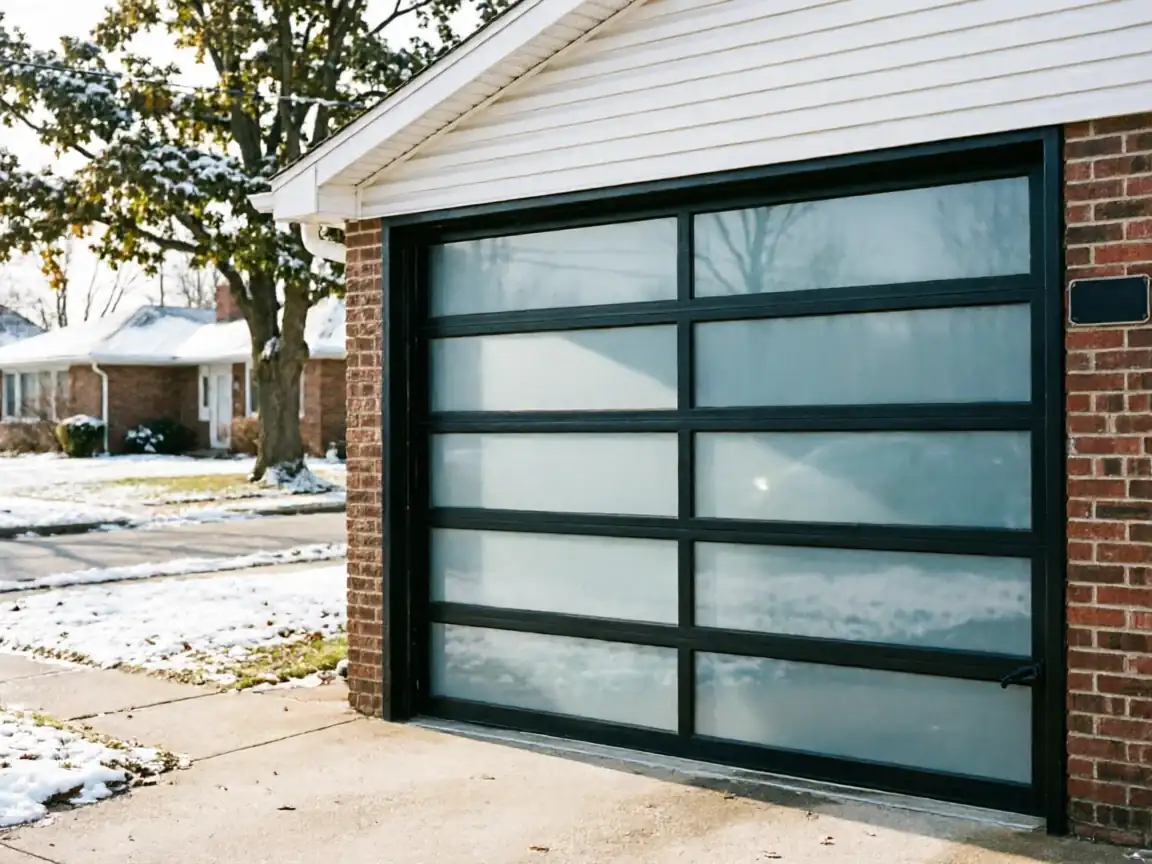
The reason this comes up so often in Ankeny specifically is the combination of housing age and climate. A door built to the standards common when most of this area went up, the 1980s and 90s stretch of F2, was not built with the insulation expectations we'd spec today for a cold-moderate climate band. In a cold-moderate climate band like this one, an uninsulated door loses enough heat that the garage floor sweats in January, and that moisture cycle is what rusts out the bottom track and rots the trim faster than the door's steel actually wears. At a median household income of $96,354, most owners here replace a door once rather than patch it twice, which is part of why we spec the heavier core up front instead of selling a thinner door that'll be back on the list in five years. The failure mode isn't dramatic. It's just a door that was right for 1990 and isn't right for a winter forty years later.