How It Shows Up
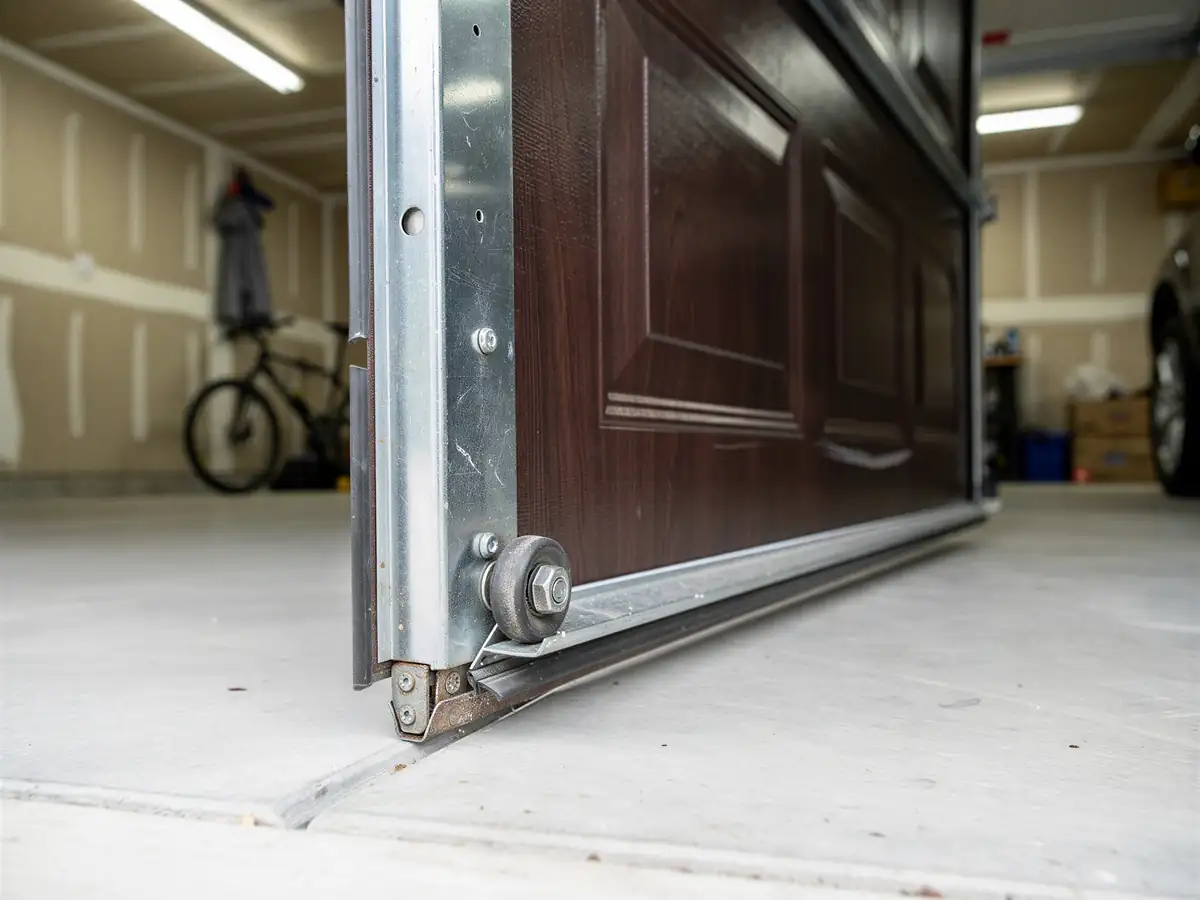
A panel usually goes one of two ways. Either something hits it - a trailer hitch backing in wrong, a kid's bike, a snowblower chute - and you get a clean dent or a split seam. Or it fails slow: the bottom section starts bowing outward, the paint cracks along a fold line, or a seam that used to be tight now shows daylight when the door's down. Most of Ankeny's housing stock went up between 1941 and 2009, with the median build year sitting around 1993, so a lot of doors out there use steel panel profiles that have been through two or three manufacturer redesigns since they were installed. That matters because a panel that looks fine on the surface can still be flexing at a seam that's fifteen or twenty years past its rated life. You'll also see warping on doors that face full afternoon sun - the steel skin expands, the foam core doesn't move with it the same way, and eventually the panel takes a permanent bow. None of this is an emergency the way a snapped spring is. But a bowed or split panel throws off the balance on the whole door and makes the opener work harder than it should.
How We Fix It
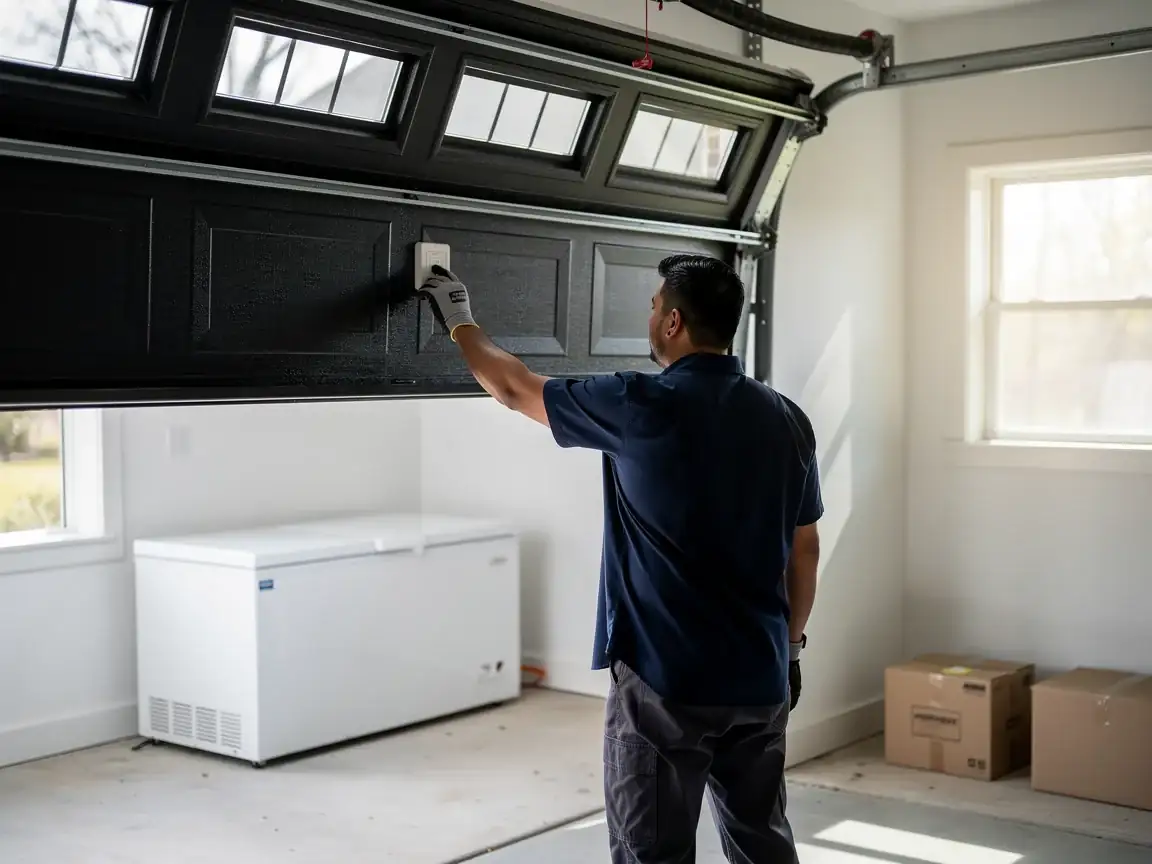
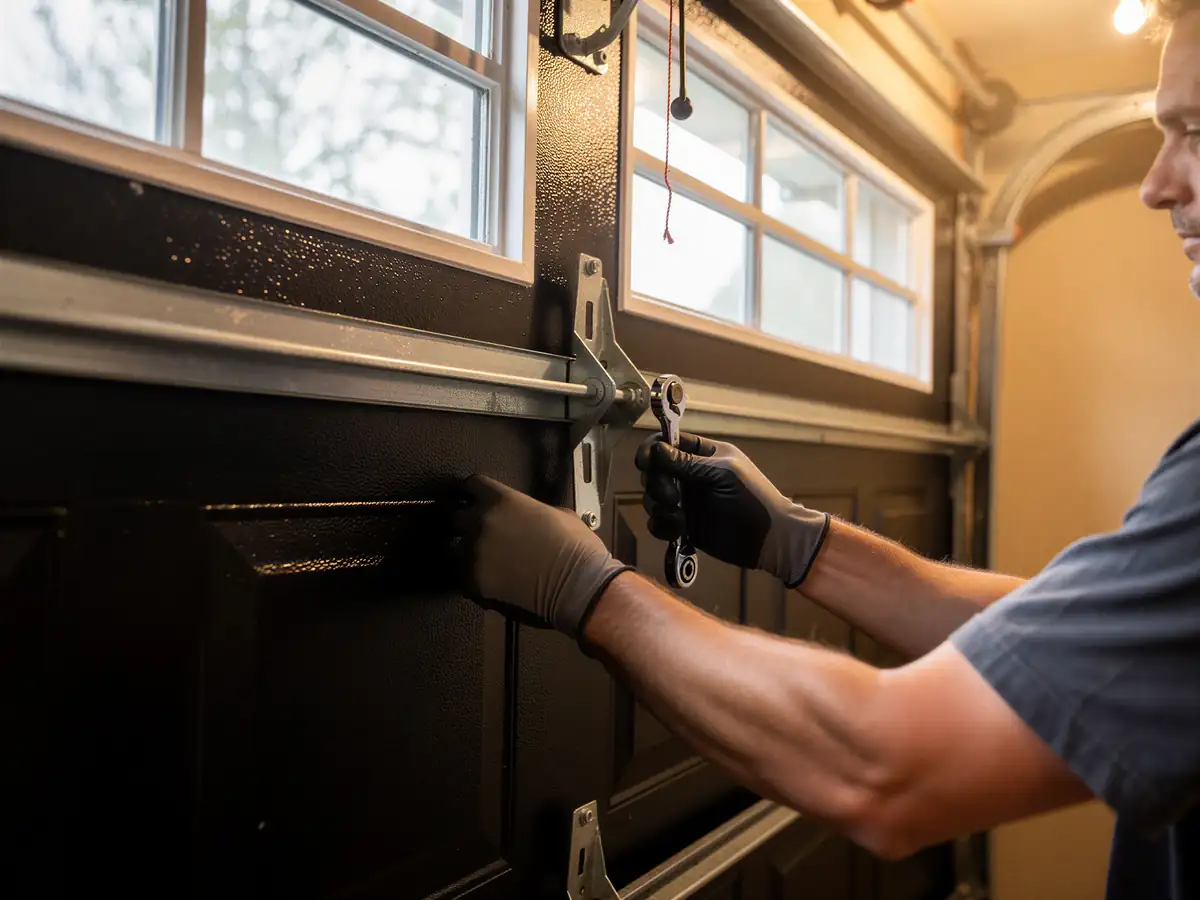
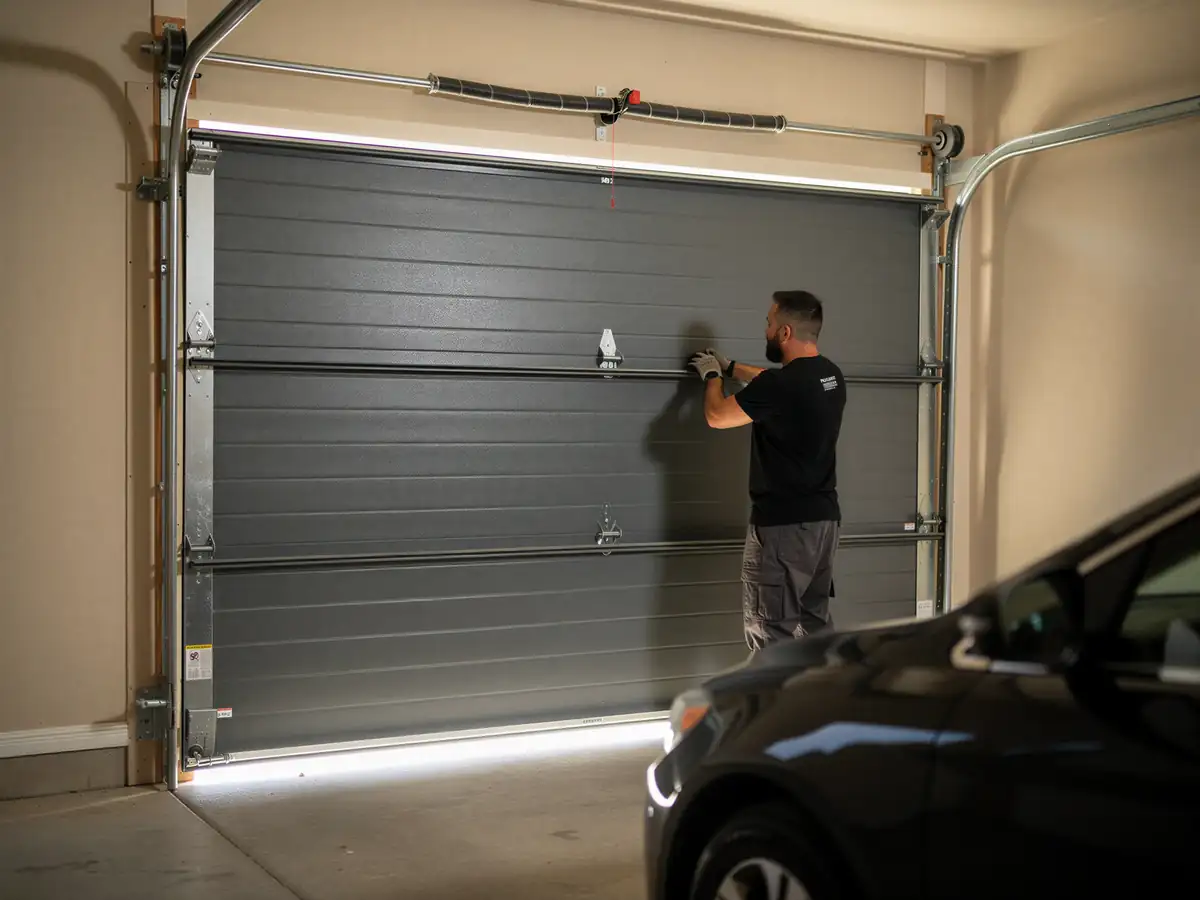
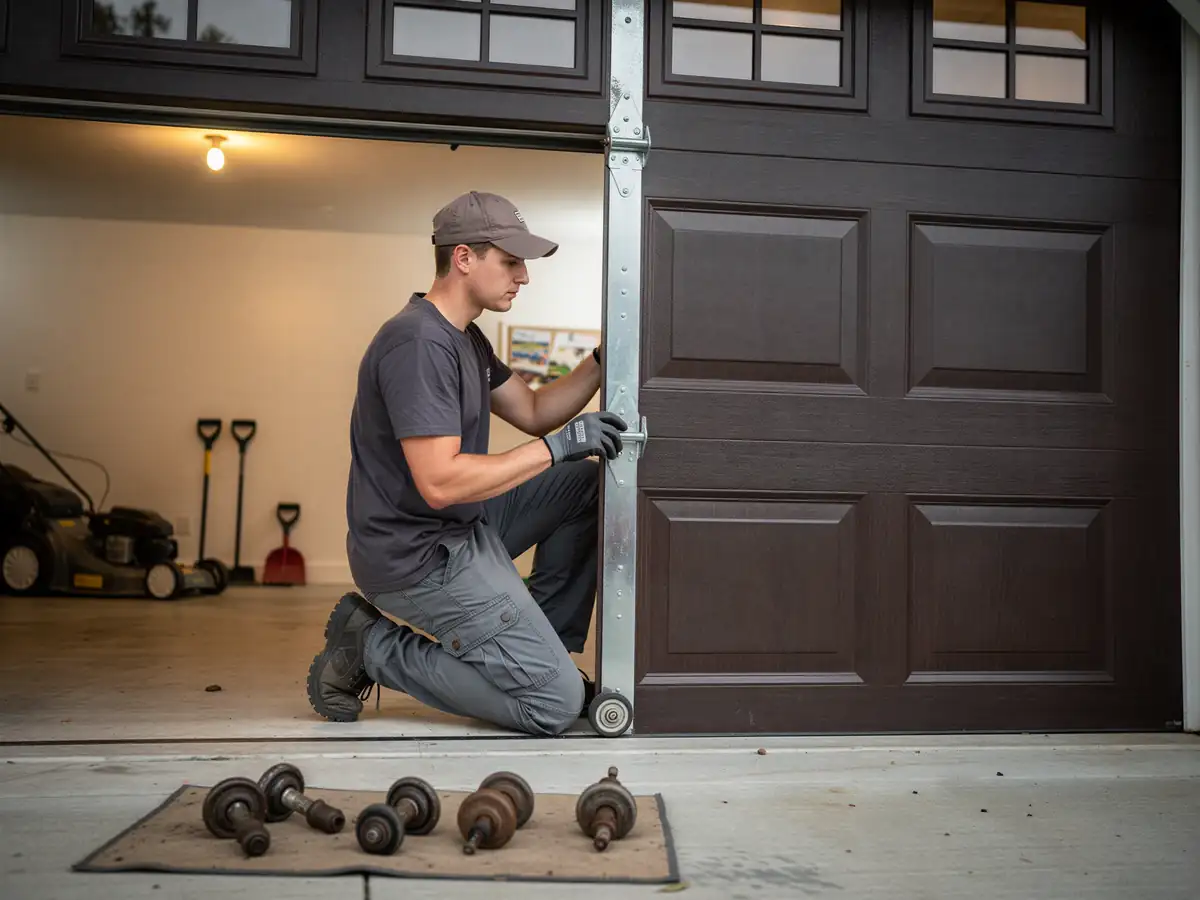
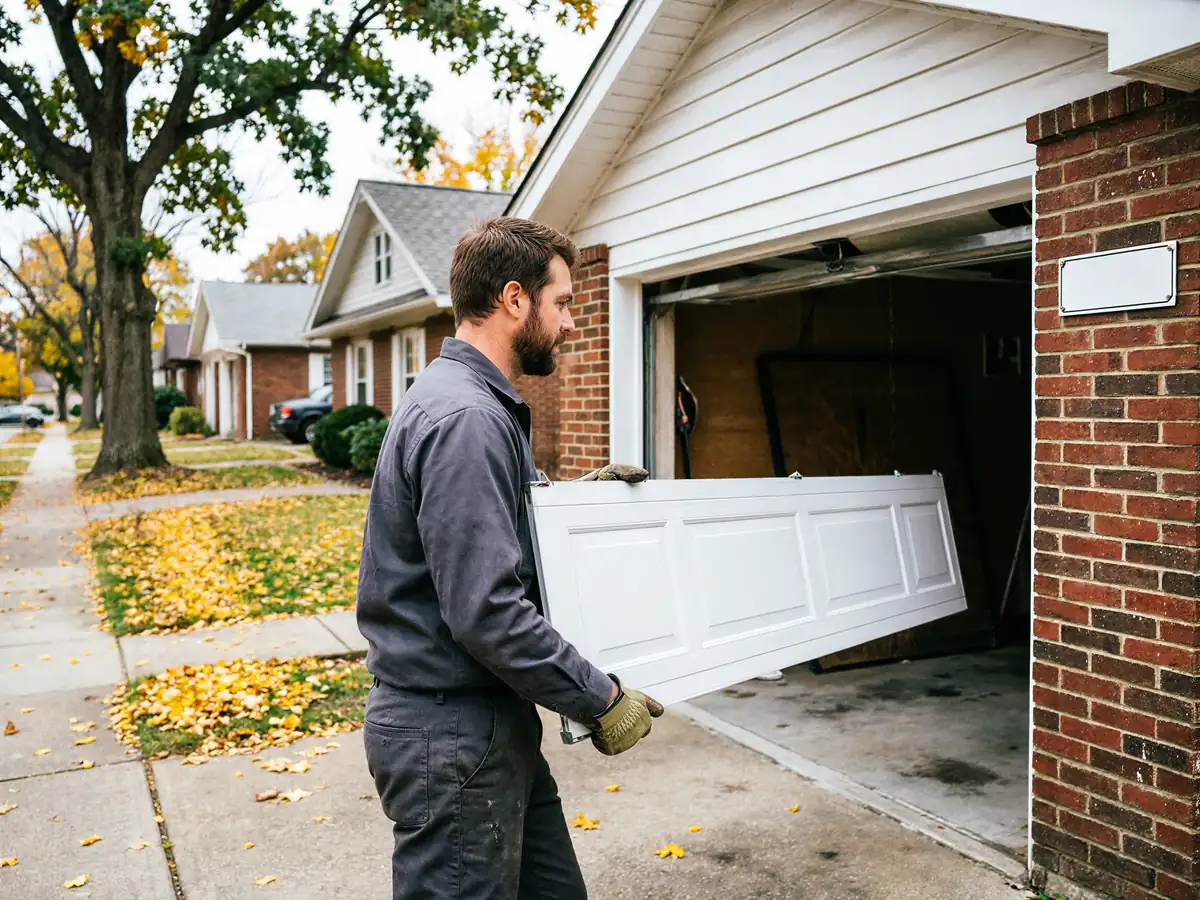
First step is figuring out whether the damaged section can be matched. If your door is still in production or close to it, we order the exact panel and swap just that section - no need to touch the rest of the door, the track, or the opener settings. If the profile's been discontinued, which happens a fair amount on doors from the earlier end of that 1941-2009 build range, we'll tell you straight: your options are a close color-and-rib match that won't be invisible, or a full door replacement. We won't sell you a panel swap on a door where the rest of the sections are also failing - that's money spent on a door you'll replace within a year or two anyway. On insulated doors we check the foam core isn't compromised beyond the one section before quoting a single-panel fix. Jobs run from a straightforward bolt-in on a non-insulated steel door up to removing hinges and rollers on either side of an insulated section to get the new piece seated and balanced. We test the spring tension and travel limits afterward since a new panel changes the door's weight distribution slightly.
Why This Fails Locally
This isn't a generic wear-and-tear story - it's specific to what's actually installed around here. Across the 26 named areas we work in, most of that 1980s and 90s stock used panel sections that have since been discontinued or redesigned by the manufacturers, which is why a match isn't always possible on an older door. Layer on the climate: Ankeny sits in a cold moderate climate band, and that swing between a hard freeze overnight and a 40-degree afternoon is what cracks the foam-and-steel sandwich inside an older panel faster than a milder climate would. With roughly 46,052 owner-occupied houses across the area we serve, a good share of them are sitting on doors old enough that the exact panel profile isn't in production anymore, which is the single biggest reason a 'simple panel swap' call turns into a longer conversation about replacement. It's not that the doors were built badly - it's that steel panel lines get discontinued on a shorter cycle than the doors themselves last.