Doing It Yourself
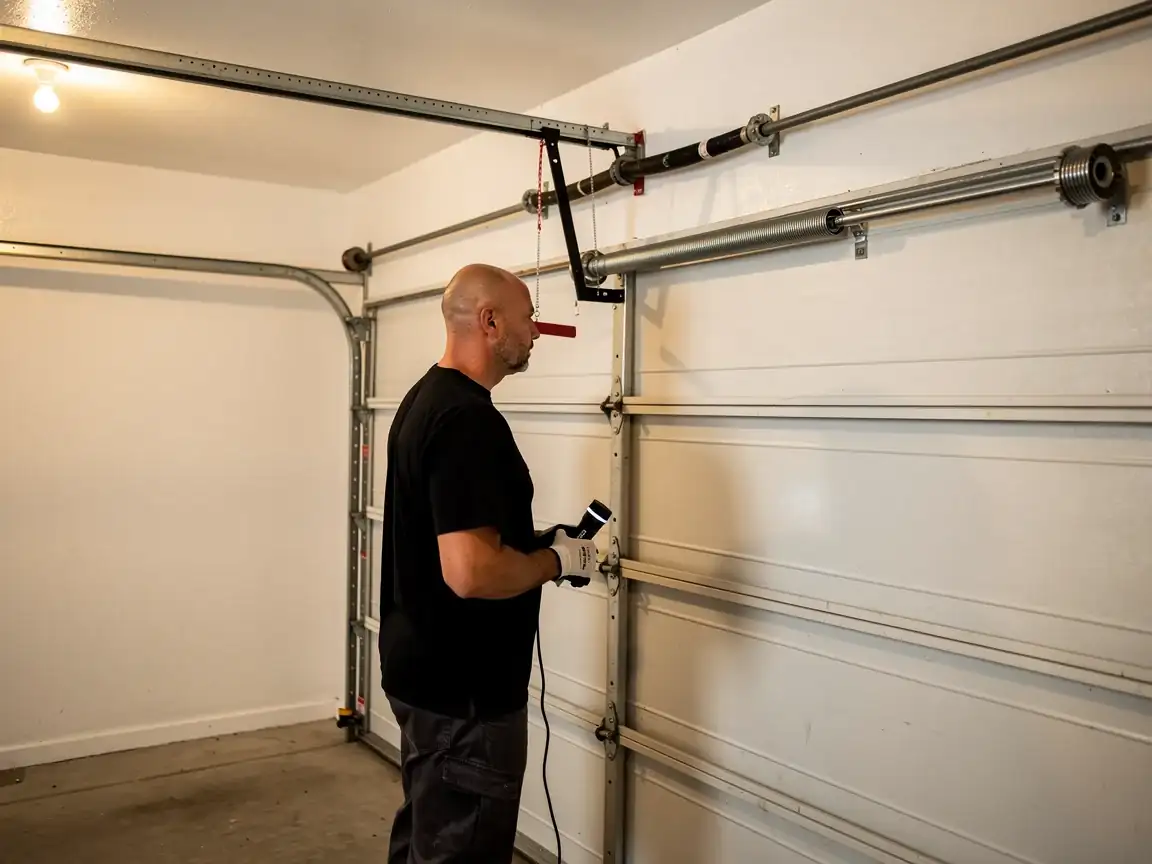
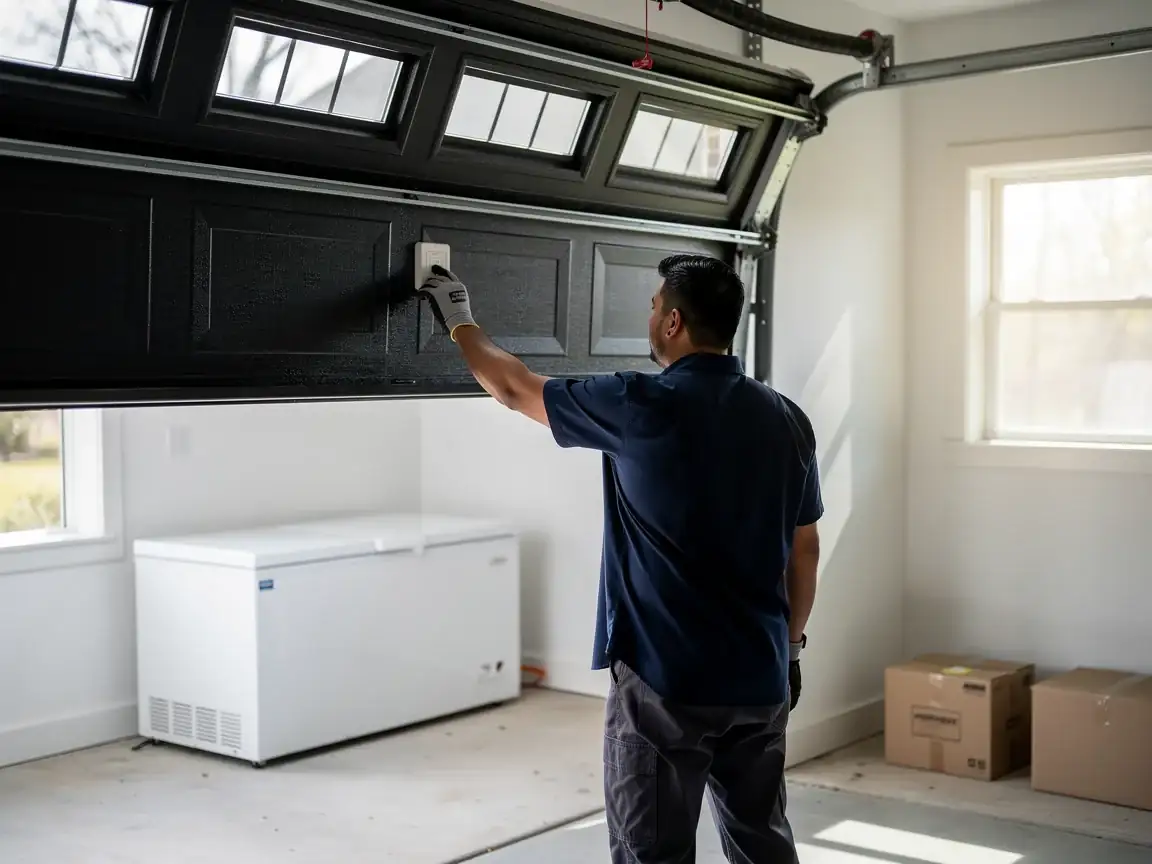
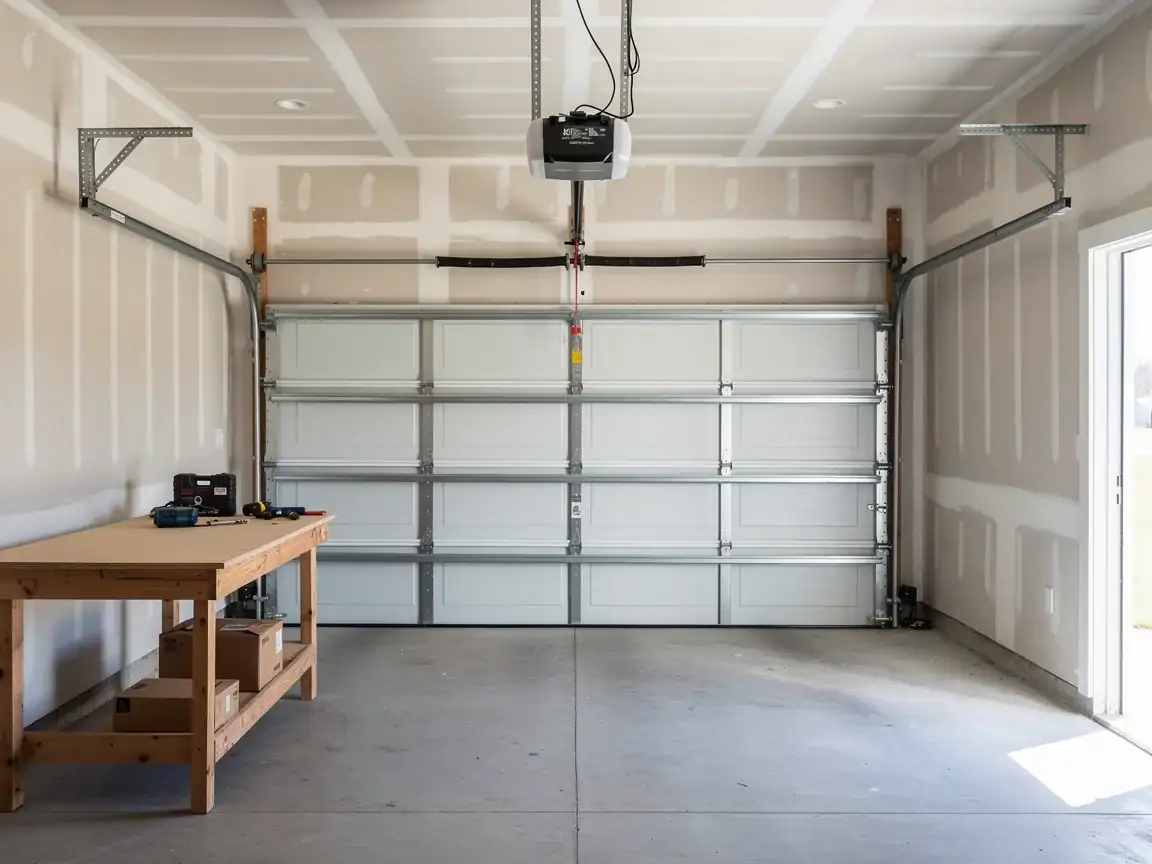
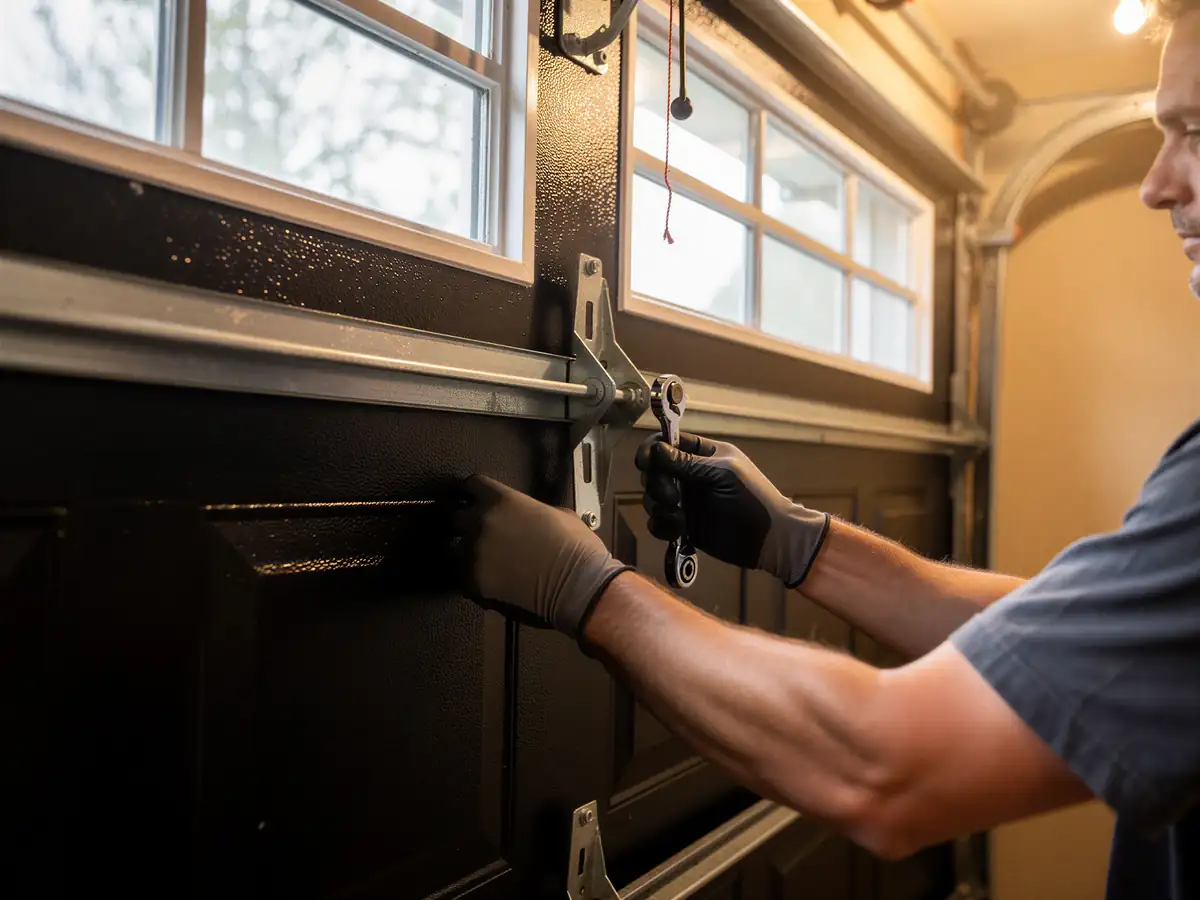
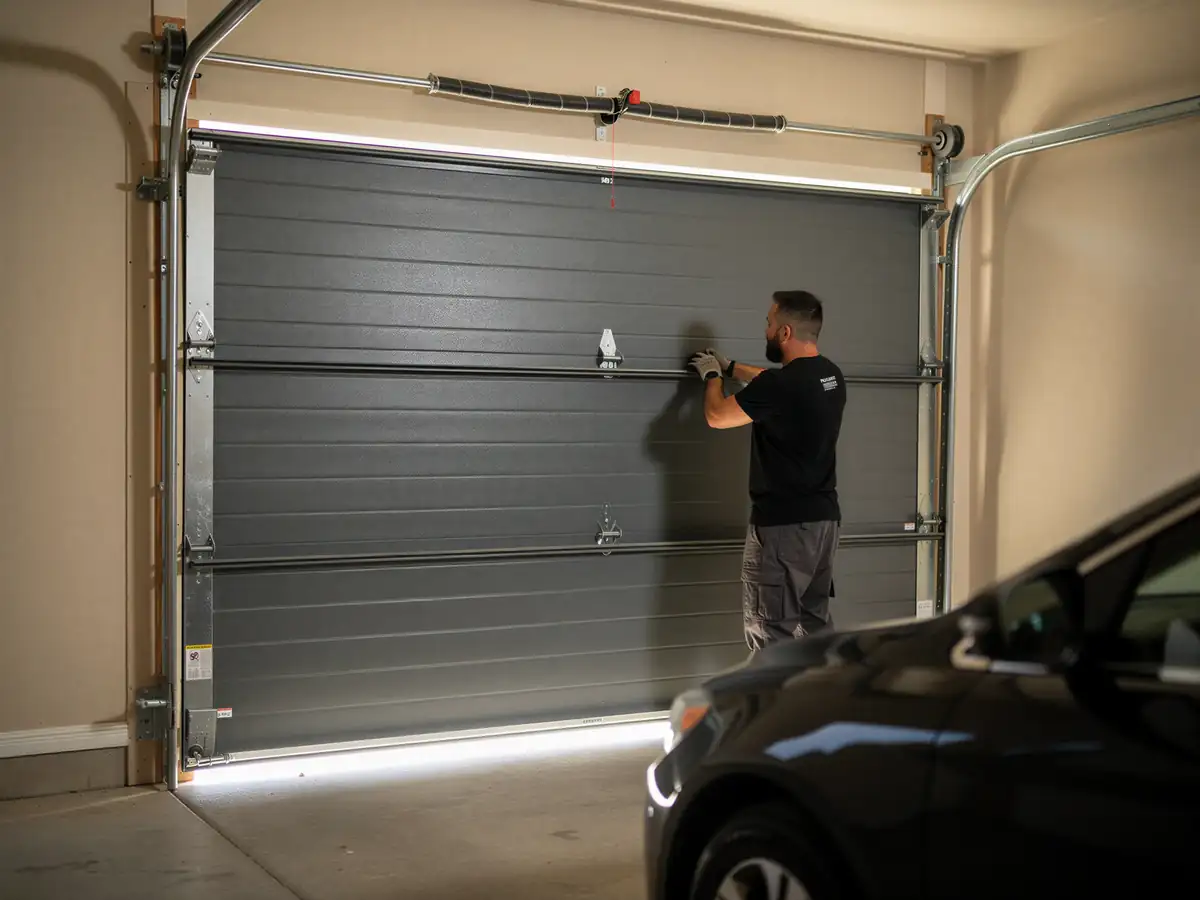
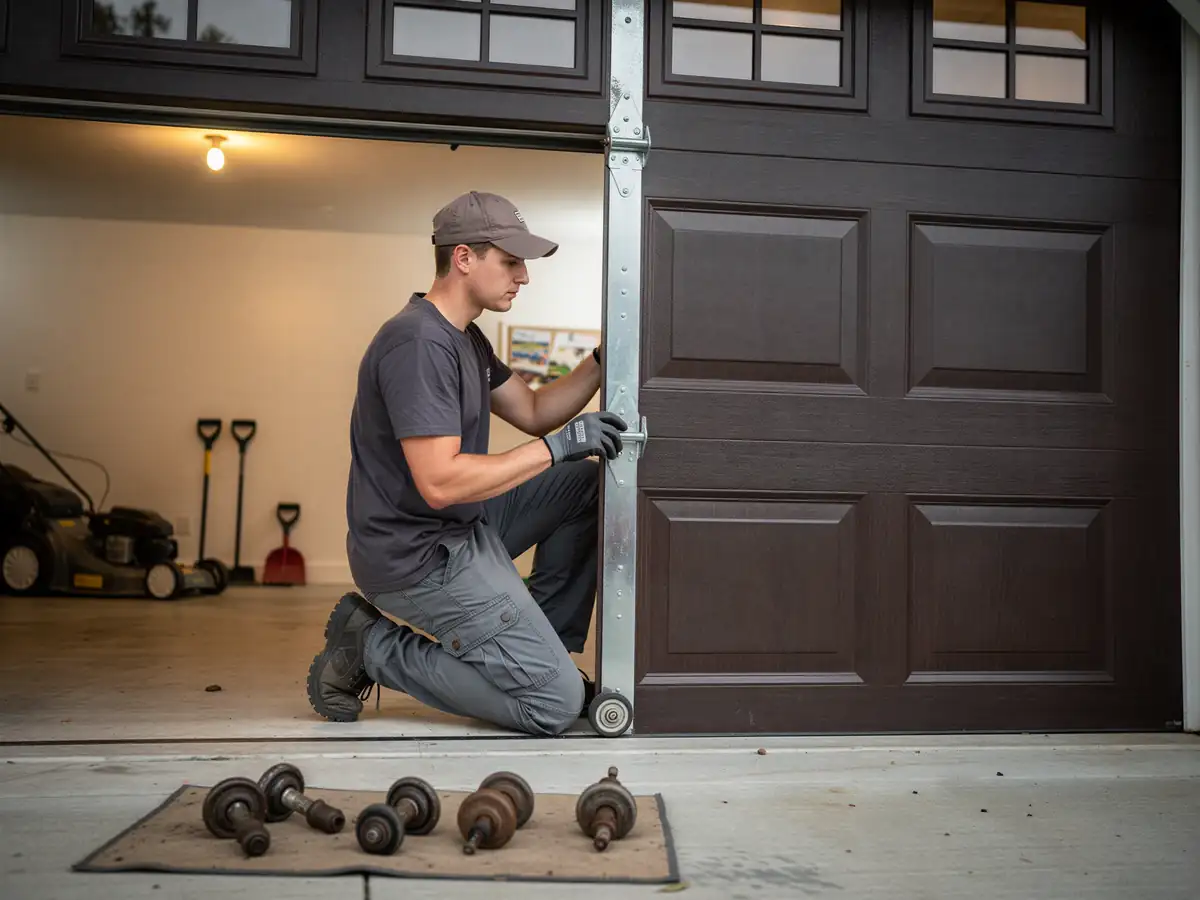
A torsion spring holds enough stored energy to break a wrist or worse, and that doesn't change because the door in front of you is 40 years old instead of 10. With a median build year around 1983, a lot of houses here are still running the spring and drum setup that went in with the original door - no safety cable, winding cones that have rusted solid, and a center bracket that was never rated for the weight of a modern insulated panel if someone swapped the door at some point but left the hardware. We won't walk you through winding a spring over the phone. If you've got the tools and you've done it before, fine, that's your call. If you're looking this up because the door slammed down, that's your answer already - leave it down and call.
The Cost of This Job
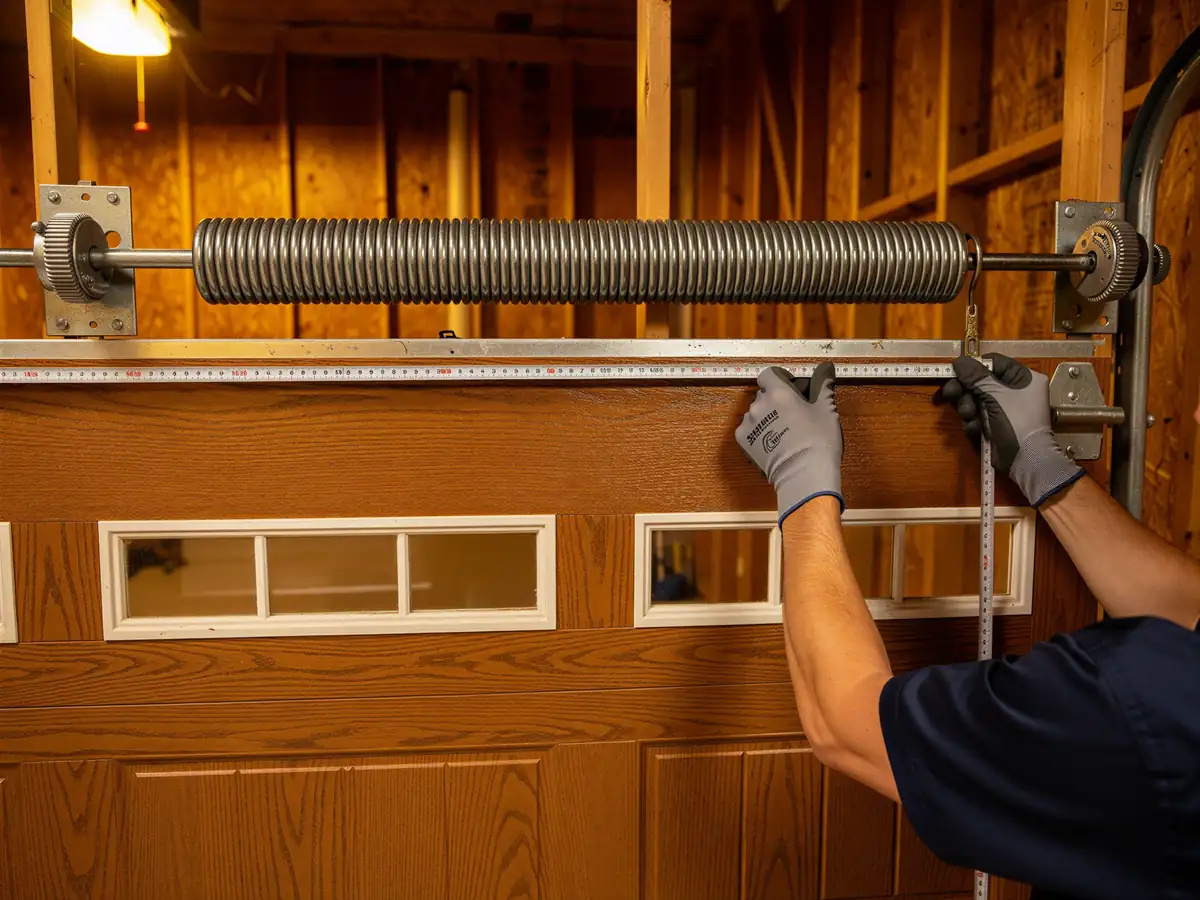
We don't have a Saylorville-specific price list to quote you here, and posting a number without the actual door in front of us would be a guess dressed up as a fact. What we can tell you is the variable that moves the price more than anything else on a house this age: whether the spring is a standard size or whether someone replaced the door since 1983 and left mismatched hardware behind. That mismatch shows up more often than you'd think on doors around here, because the original openings were sized for garage doors built before insulated steel panels became standard. The quote changes once we're on site and can measure the shaft, the wire gauge, and the drum.
Getting It Booked In
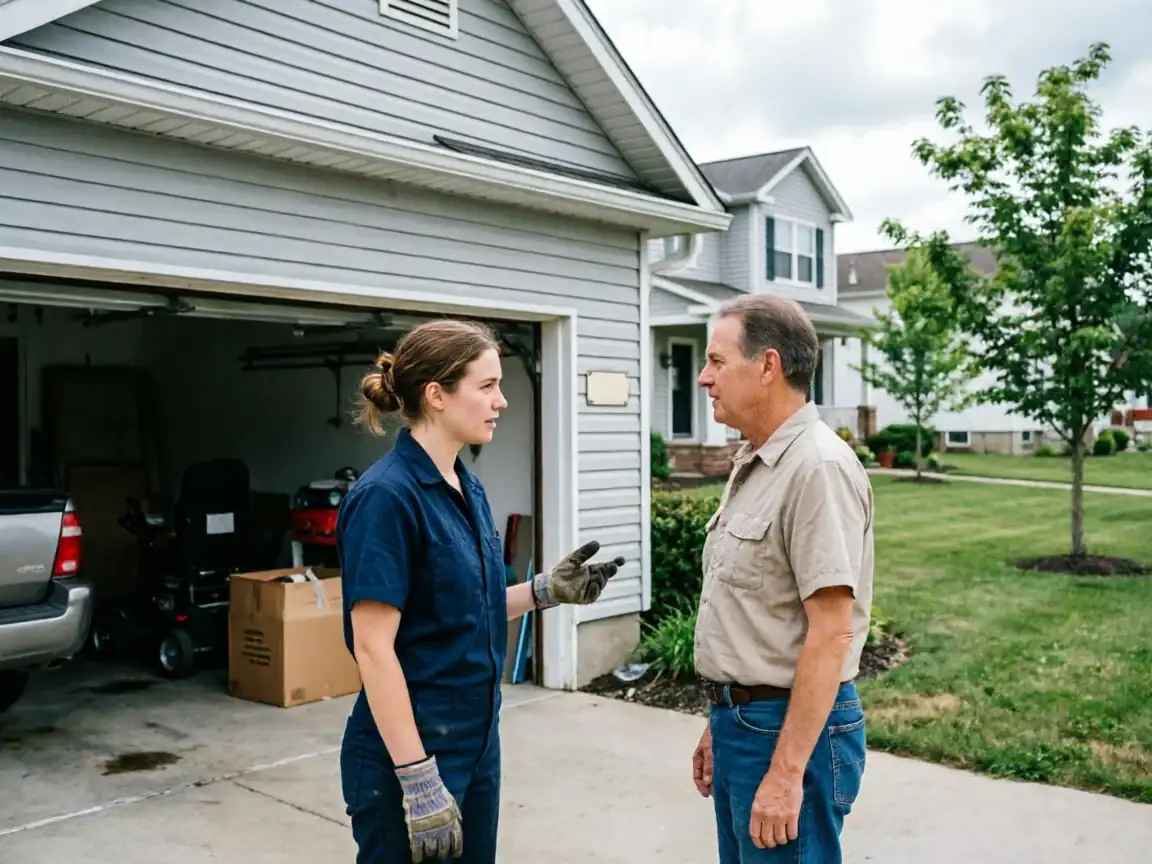
We cover Saylorville out of our Ankeny shop, about 4 miles south - close enough that it doesn't change how we schedule the day, it just means the truck has a short drive before the tech is at your door. Tell us the door's make if you know it and roughly how old the house is; on a street built in the early 1980s that's often enough for us to bring the right spring size on the first trip instead of a guess.
Why This Fails Locally
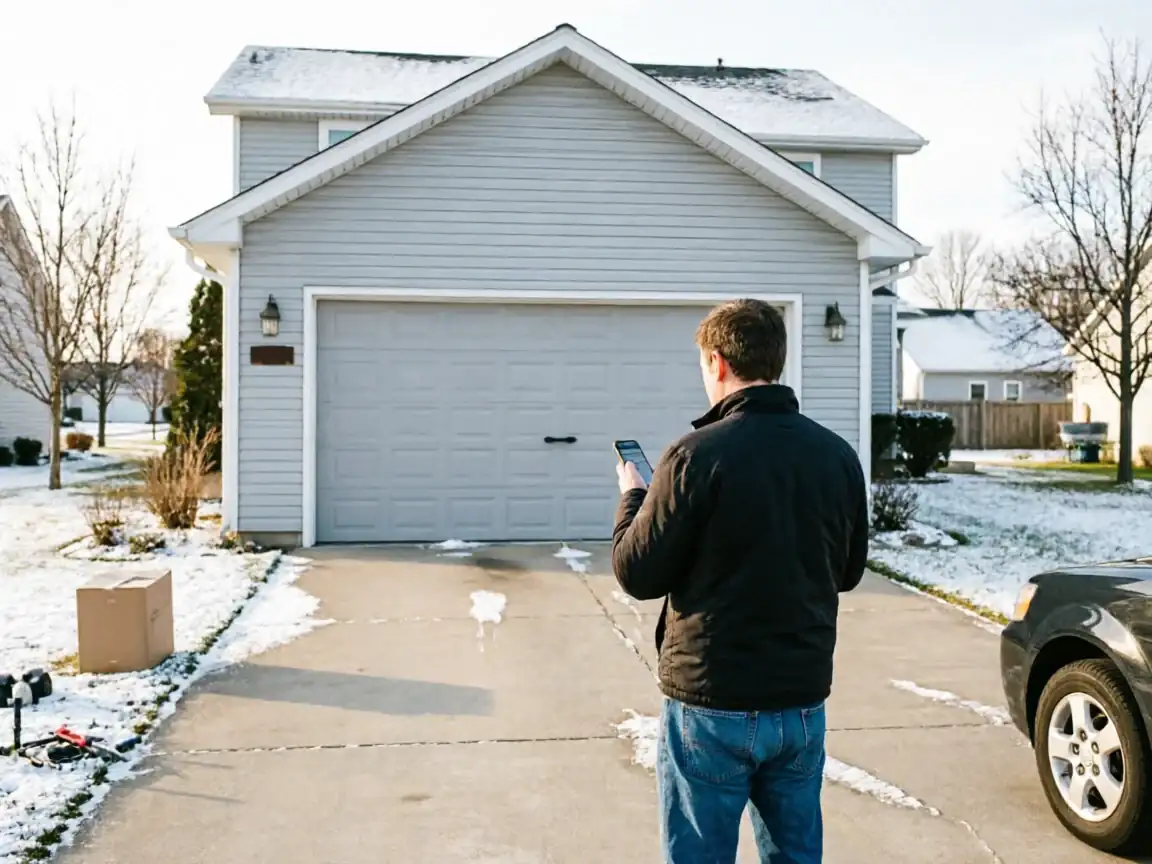
Springs are rated by cycle count, not by calendar years, but houses built in the early 1980s have had four decades to rack up open-and-close cycles, and a lot of that original hardware is still in place because nothing forced a replacement - the door still closed, so nobody looked. Add a moderate cold climate to the mix: steel contracts in winter, the coil tightens, and a spring already near the end of its rated cycles is more likely to let go on a January morning than a mild one. That combination - old hardware plus cold-weather stress - is what brings us out here more than any single cause.