Doing It Yourself
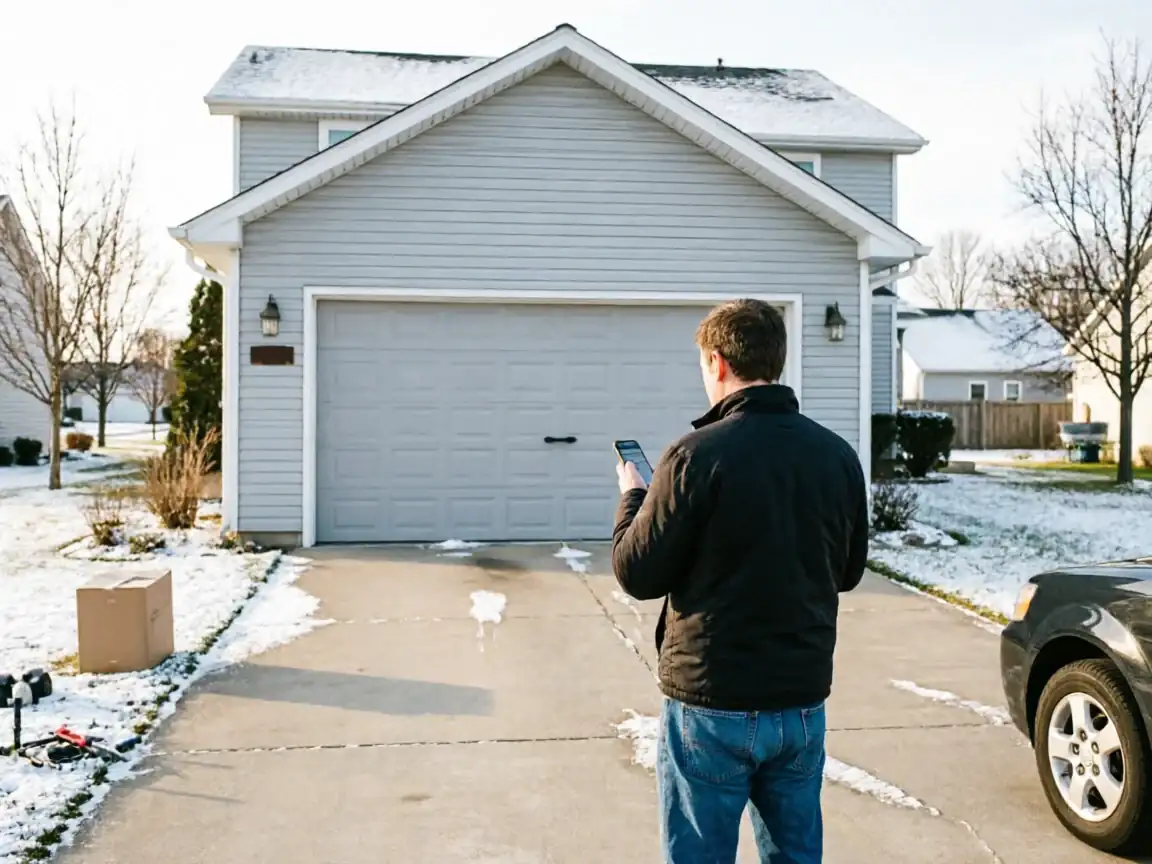
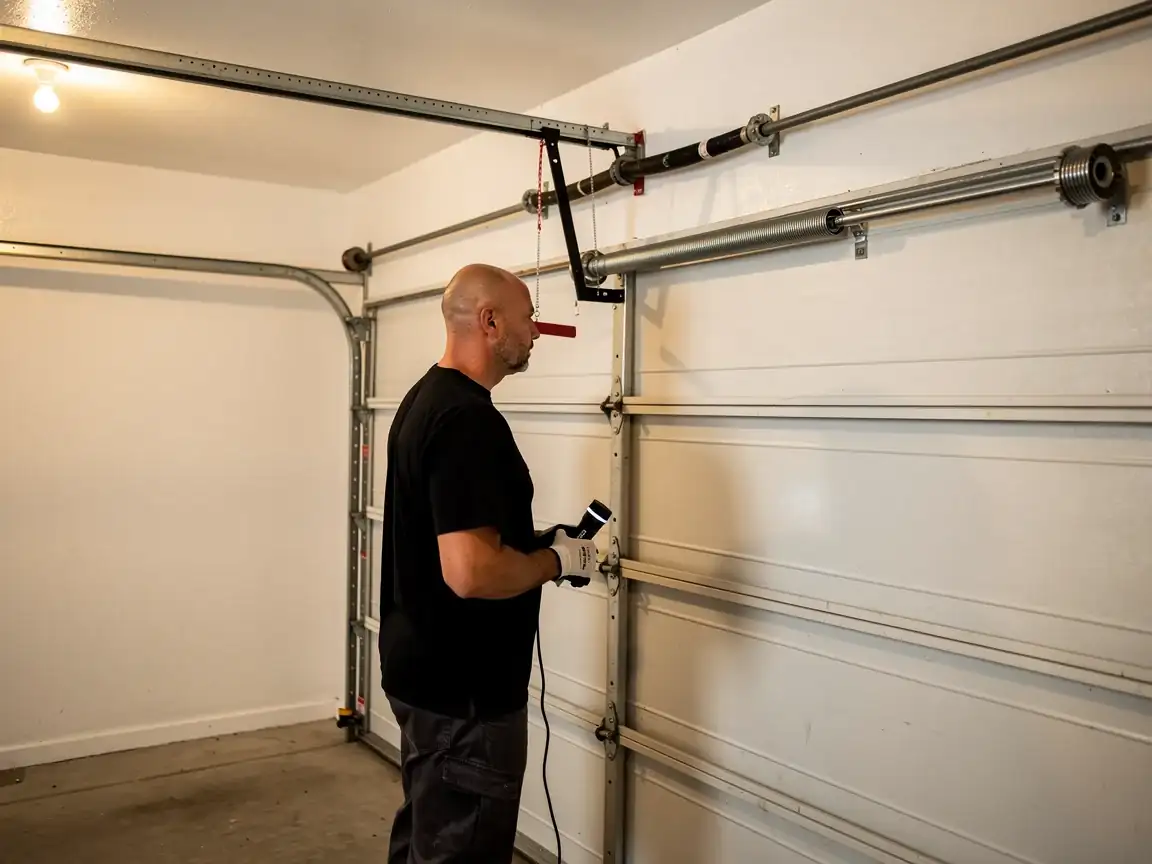
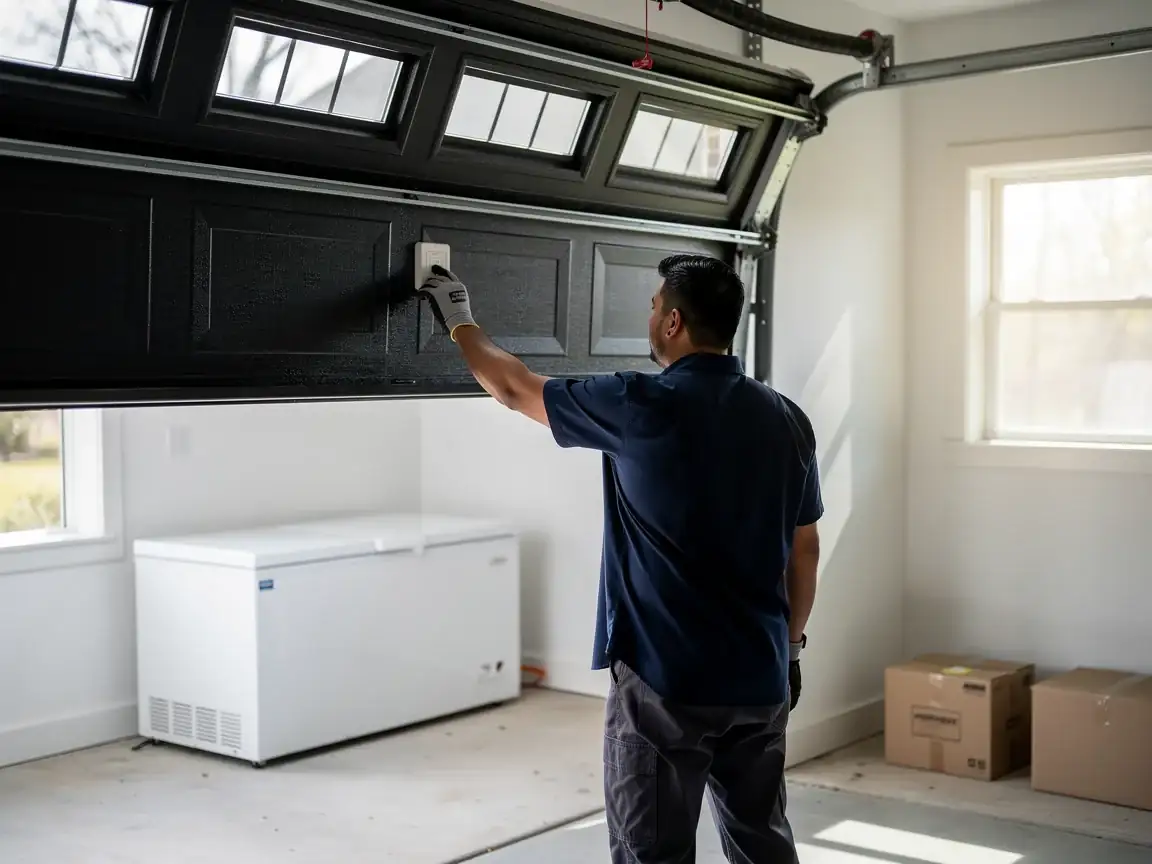
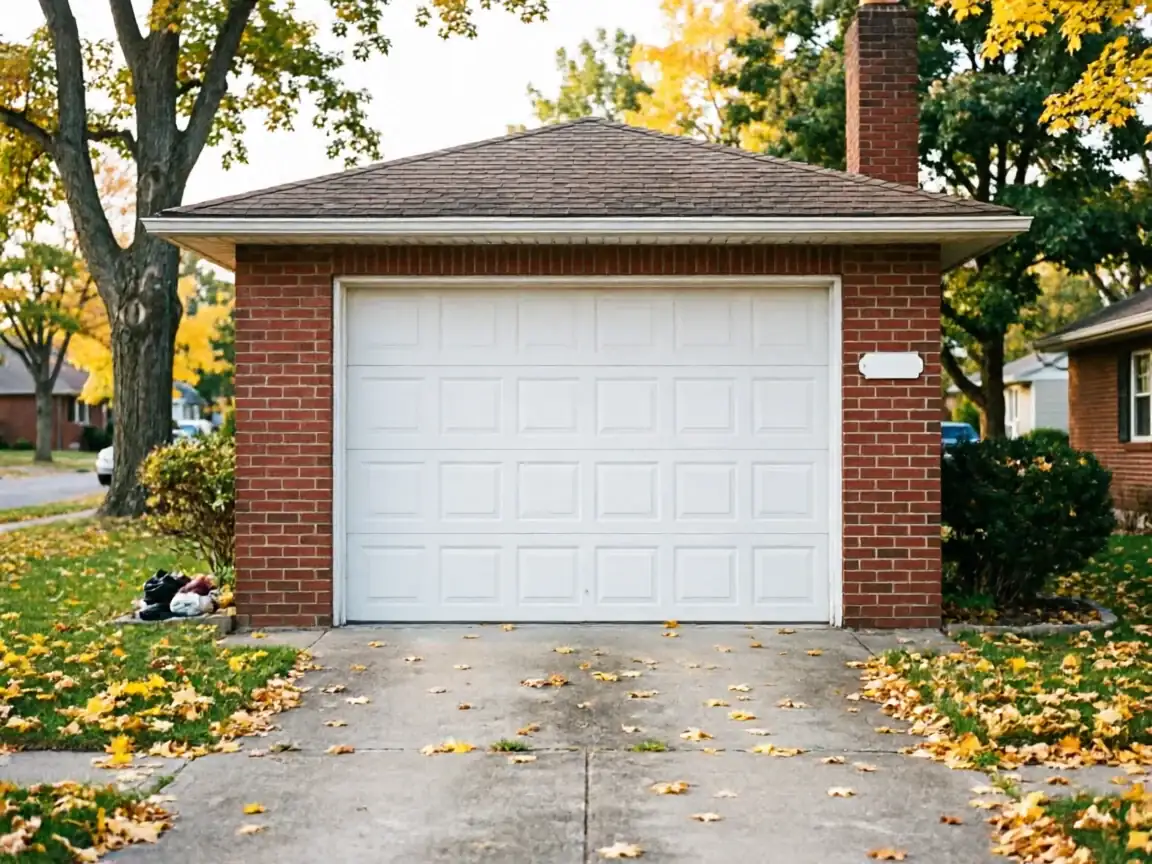
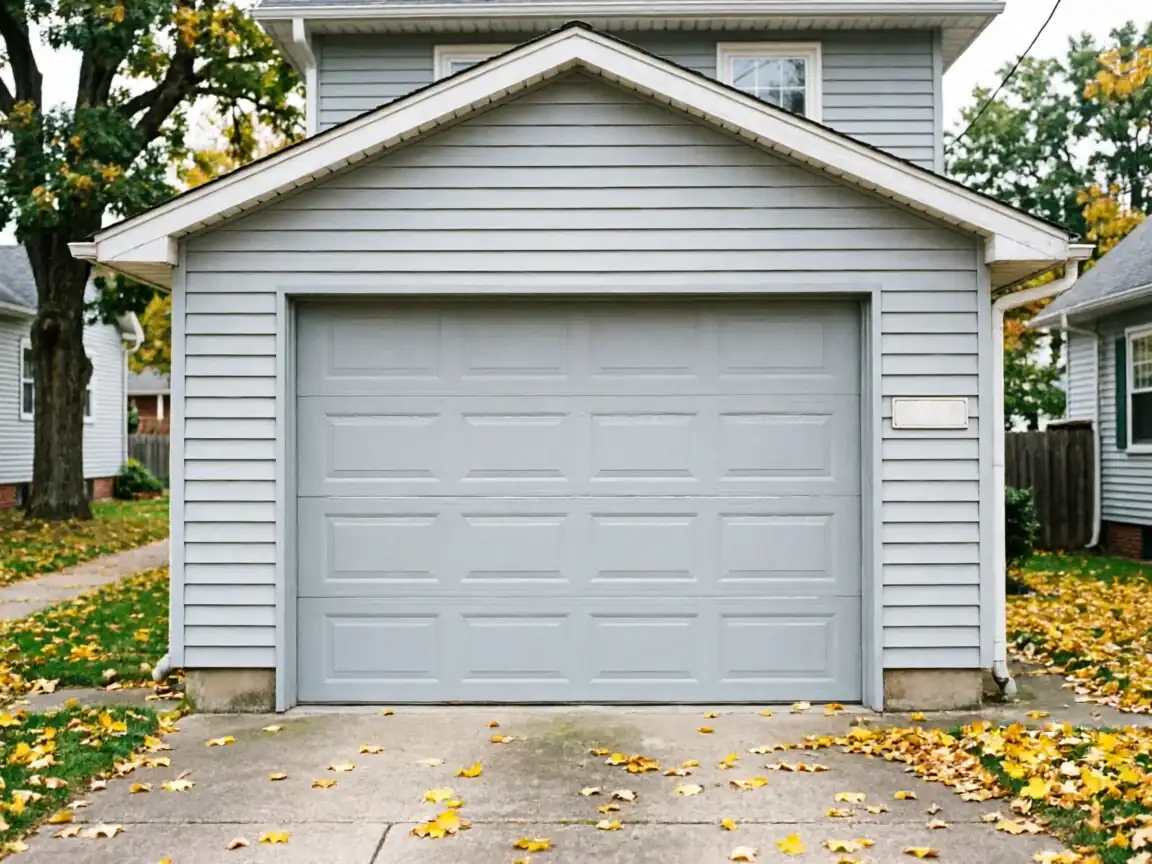
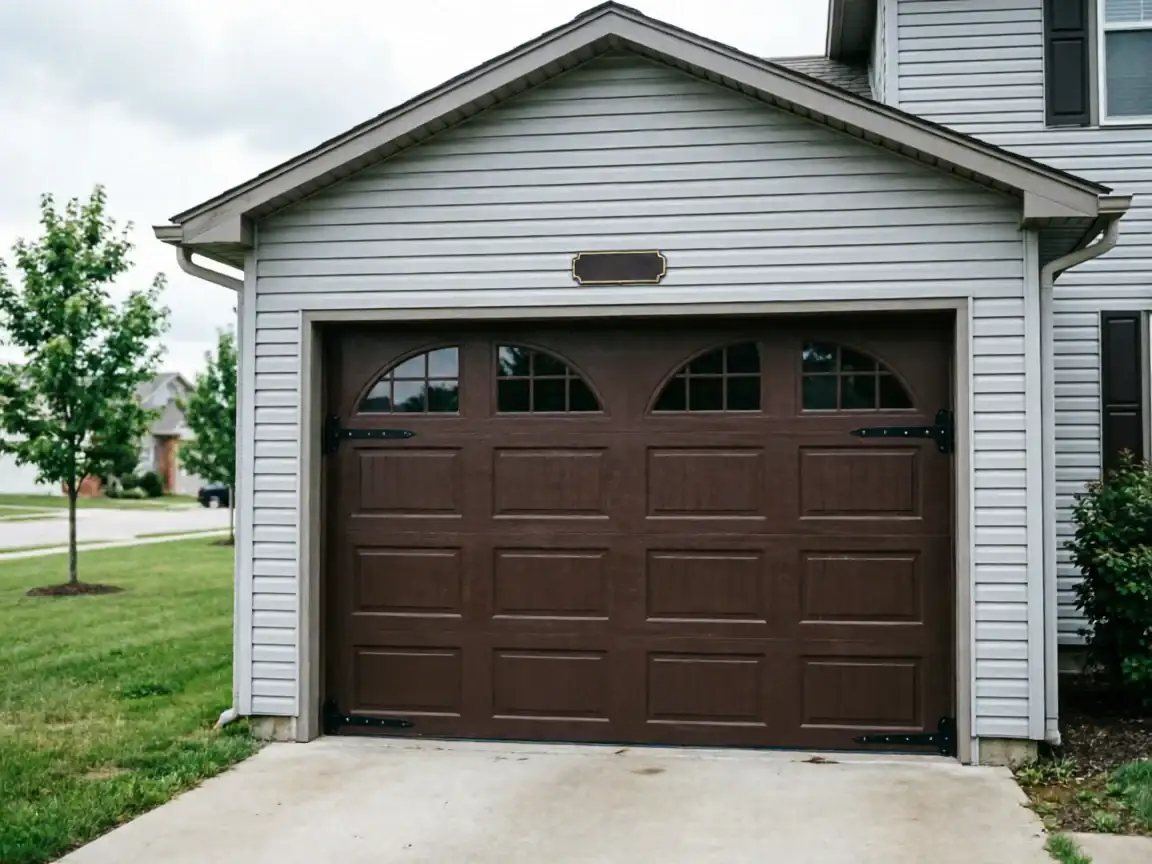
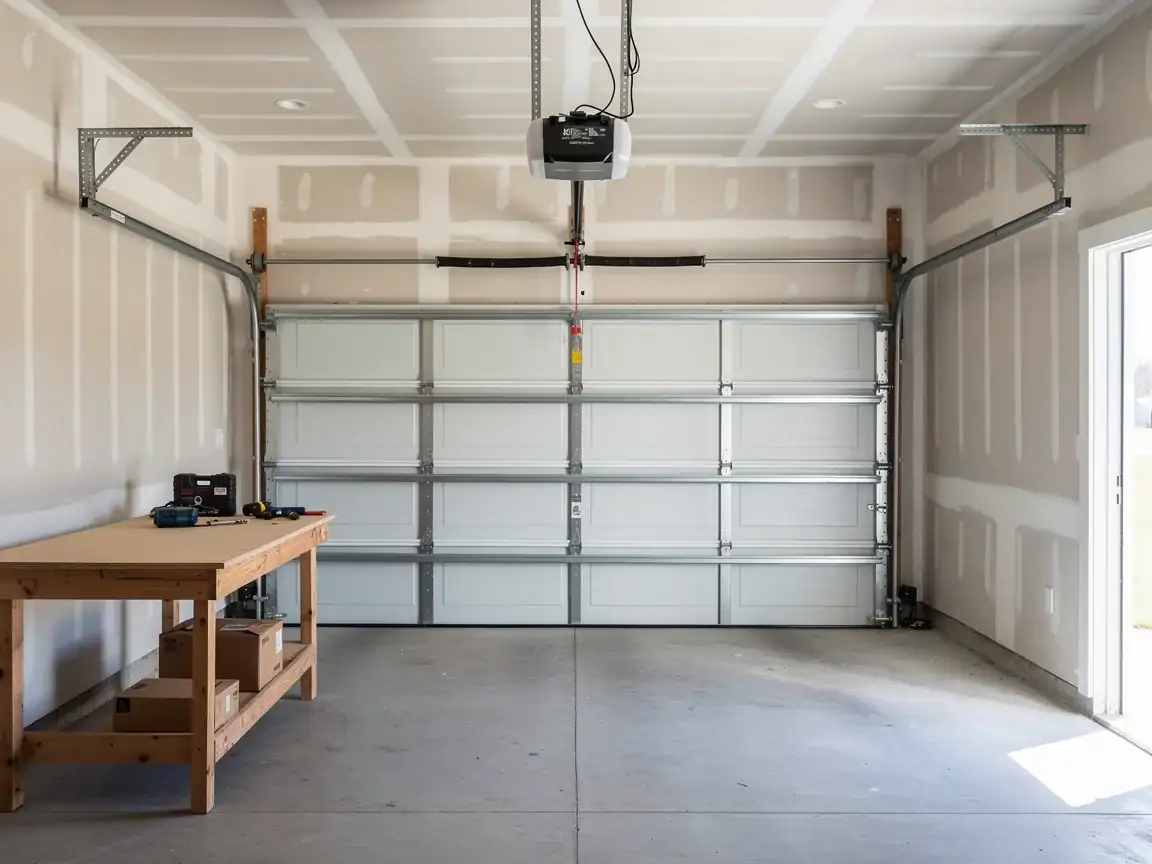
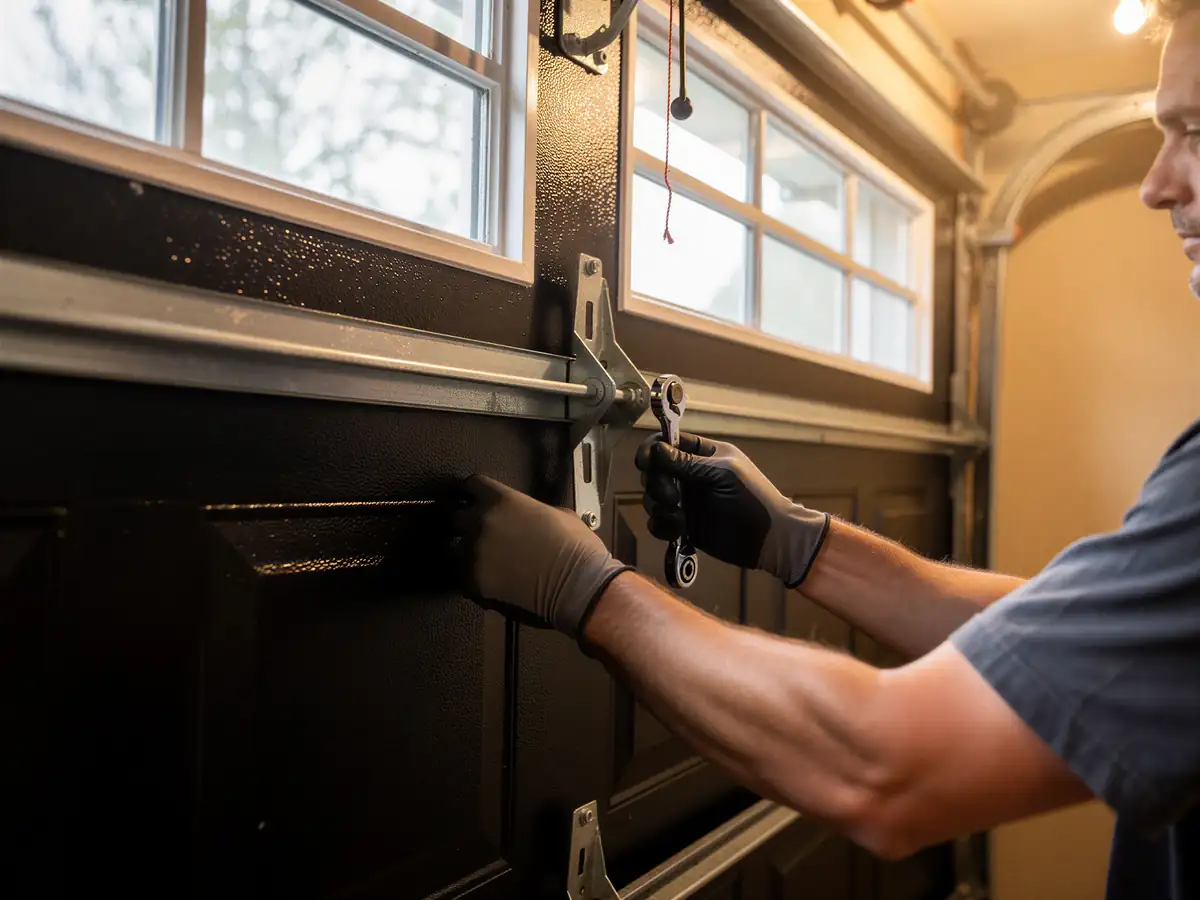
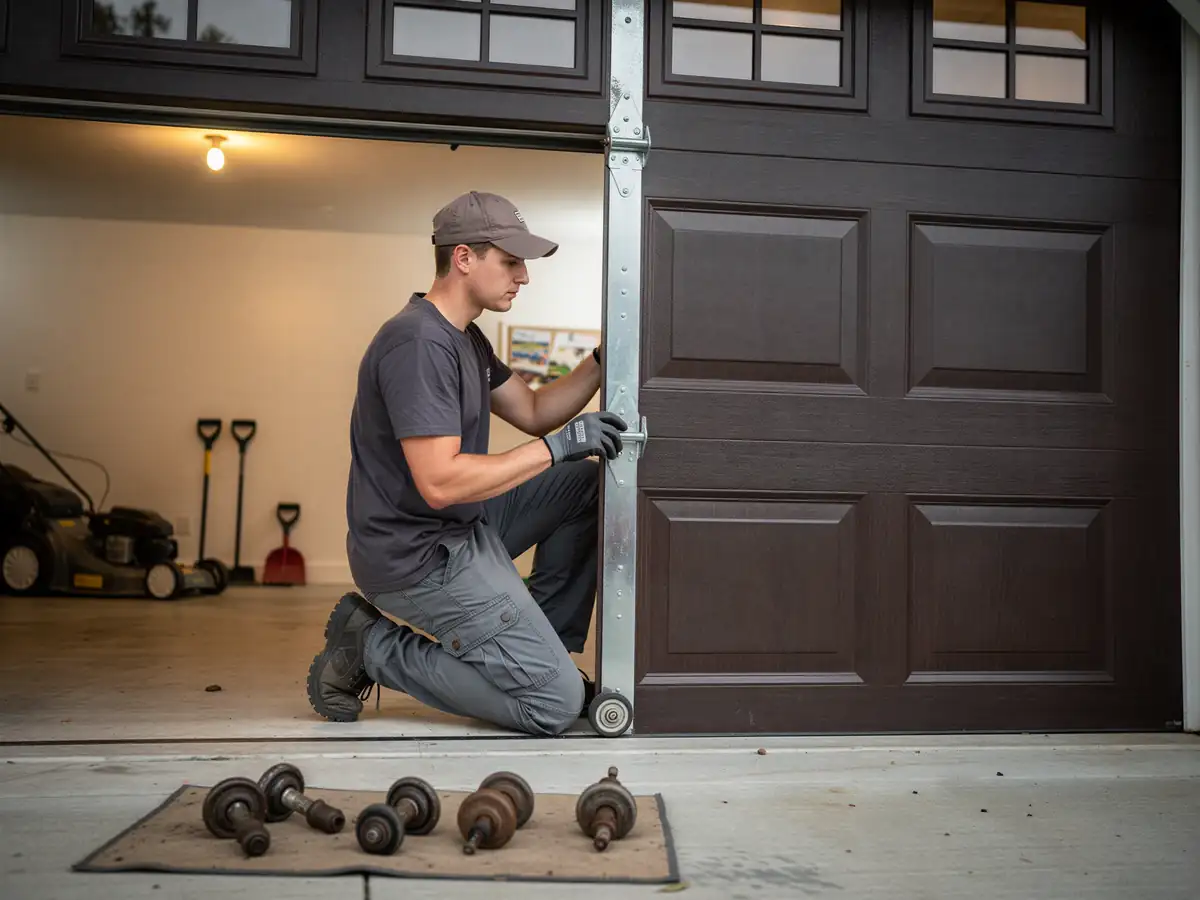
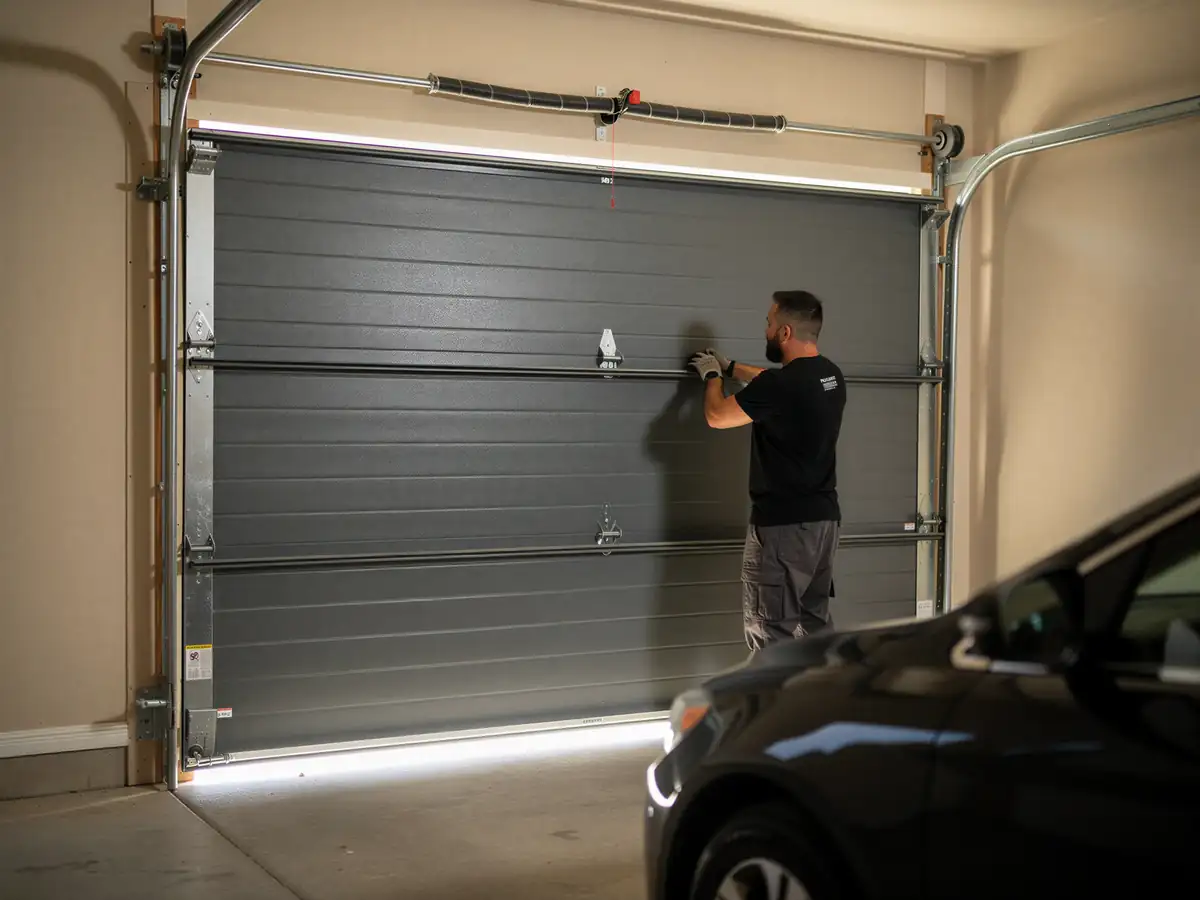
Saylorville is four miles out from our Ankeny shop, close enough that a crew can get here and back without burning half a day on the road - but that doesn't make the install itself a weekend job you knock out alone. Most houses in this town went up around 1983, and the opening framed into that garage was sized and braced for the door that came with the house. Swap in a new door without checking headroom, backroom, and the jamb condition, and you'll find out the hard way that a standard 7-footer doesn't always clear a low header in an 80s build. Torsion spring systems from that era run on different drum sizes and cable lengths than what ships on today's doors, so reusing old hardware with a new panel is a common mistake that ends in a door that binds or a spring wound to the wrong tension. Add in the cold moderate climate here, where seals and lubricant have to handle real winter cold, and the margin for error on a DIY install gets thin fast. We're not going to tell you it can't be done - some owners manage it - but getting the track plumb and the spring tension right on a four-decade-old opening takes tools and a second set of hands most driveway projects don't have.
The Cost of This Job
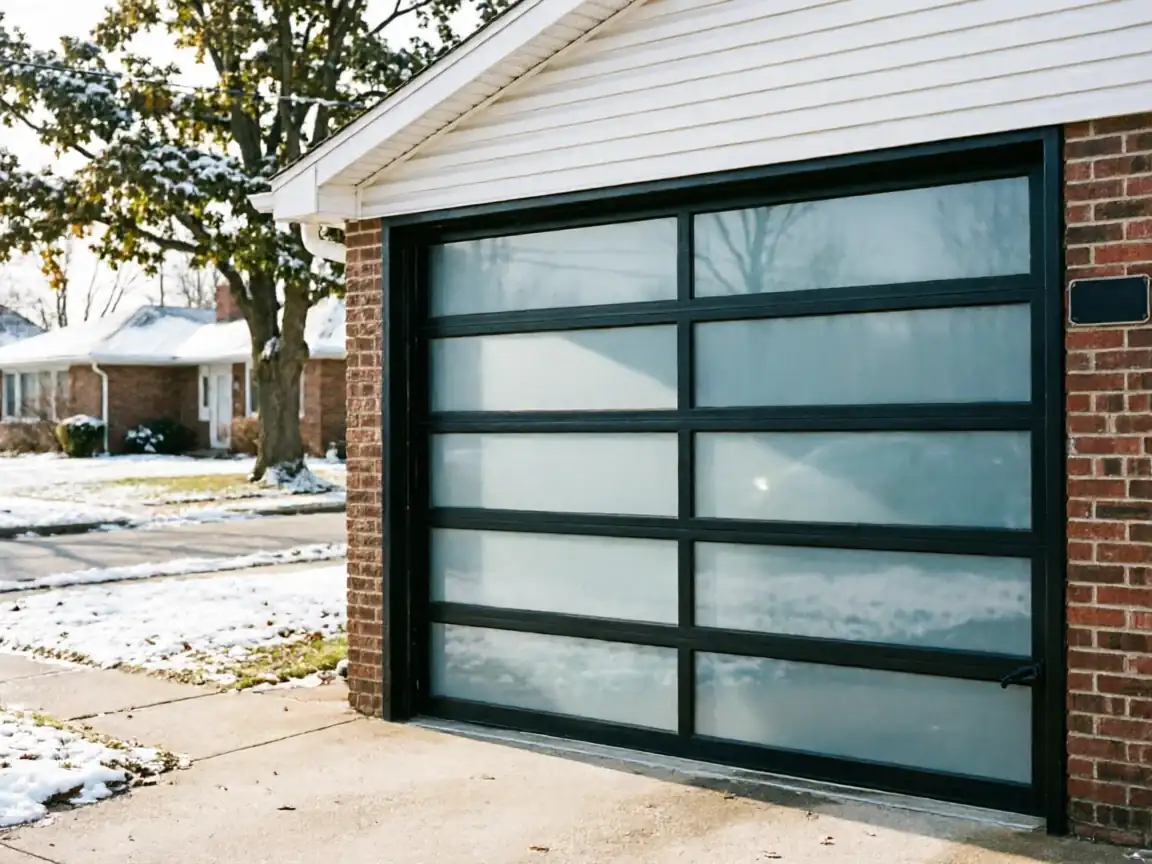
We can't quote a number here without seeing the opening, and we wouldn't want to - every install on a 1983-era house carries a different mix of what stays and what goes. Saylorville's median household income sits at $80,250, noticeably below the $96,354 median across the wider area we cover, and that gap shows up in the choices owners make: insulated steel versus a bare single-layer panel, a basic chain-drive opener versus a quieter belt unit. None of that changes what the job actually requires - correct spring sizing, a track set square to the opening, a header strong enough to carry the new weight - it just changes which options get picked. If your existing frame and track are sound, the job costs less because less gets replaced. If the opening needs new jambs or the header's been compromised by water, that adds to the job regardless of which town it's in. We'll walk the opening with you and tell you straight what's required and what's optional before anything gets ordered.
Getting It Booked In
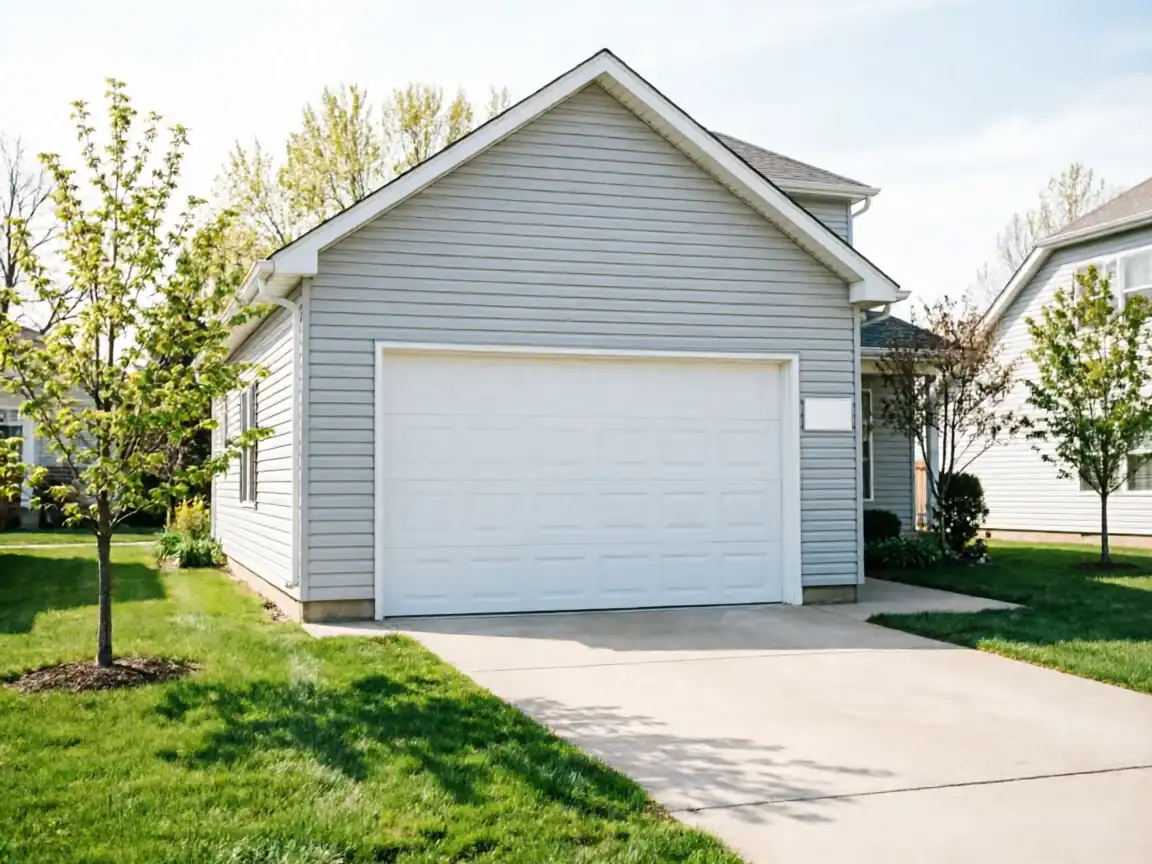
Because the crew runs out of Ankeny, four miles away, booking a Saylorville install means working a trip into the week's route rather than a dedicated local stop. That's a short drive as these things go - closer than most of the other towns on our list - so scheduling isn't the constraint it would be farther out. What matters more is giving an accurate description of the opening up front: the rough age of the house, whether the door is single or double, and whether you're replacing the opener too. With roughly 1,400 households in Saylorville, most built in the same narrow window, a lot of the booking calls we get from this town describe nearly the same setup, which helps us bring the right hardware the first time instead of making a second trip for a part that didn't fit.
Why This Fails Locally
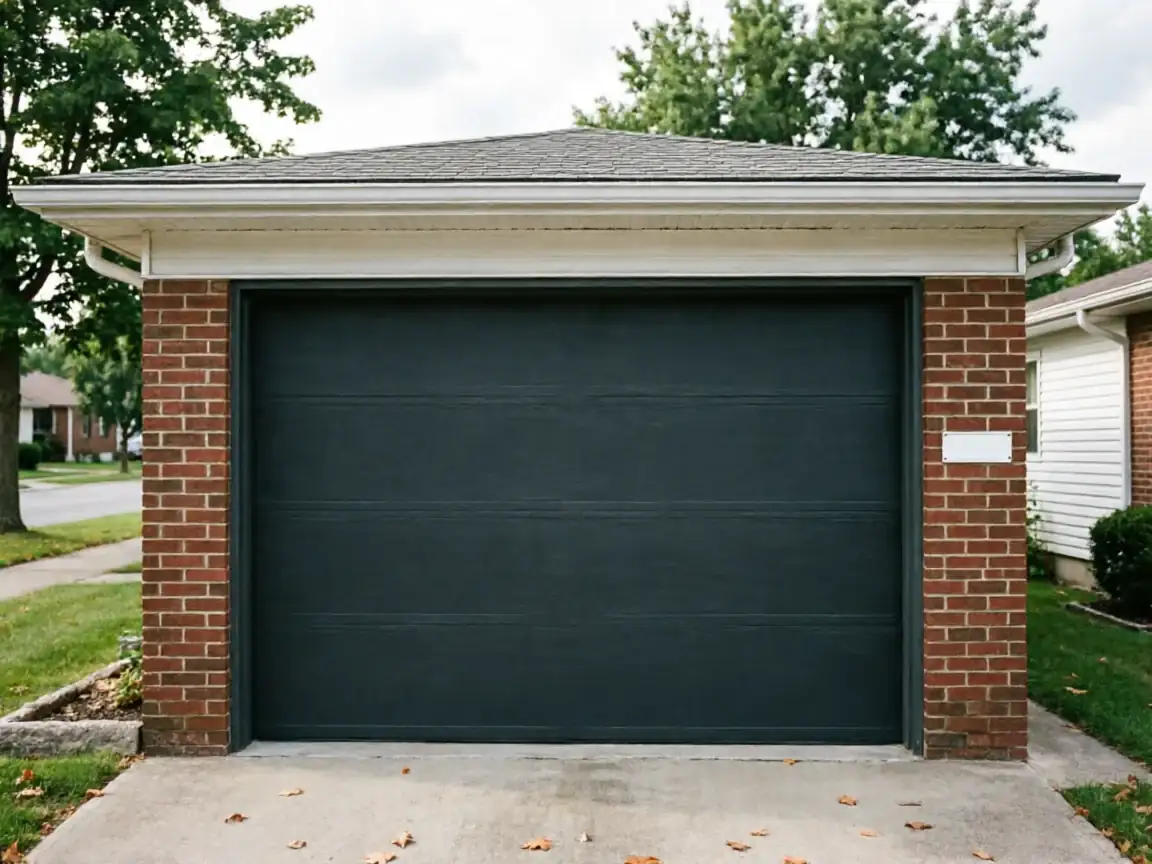
Saylorville's housing is concentrated enough in age - median build year 1983 - that the common point of failure in town is the original torsion hardware, not the door panel itself. Steel doors from that period often outlast their springs and rollers by decades, so what looks like a door needing replacement is sometimes just worn hardware on a serviceable panel, and sometimes the reverse: a panel rusted through while the spring still has life left. The cold moderate climate this area sits in means that hardware spends four or five months a year working against stiff grease and a shrunk rubber seal, which accelerates wear on rollers and the bottom seal track faster than it would in a milder climate. A new door dropped onto an unexamined 1983 opening - old track brackets, old jamb, a header that's never been checked - doesn't fix the underlying issue; it just puts a new face on an old problem. That's the failure we see most: replacing the visible part and leaving the part that actually broke.