How It Shows Up
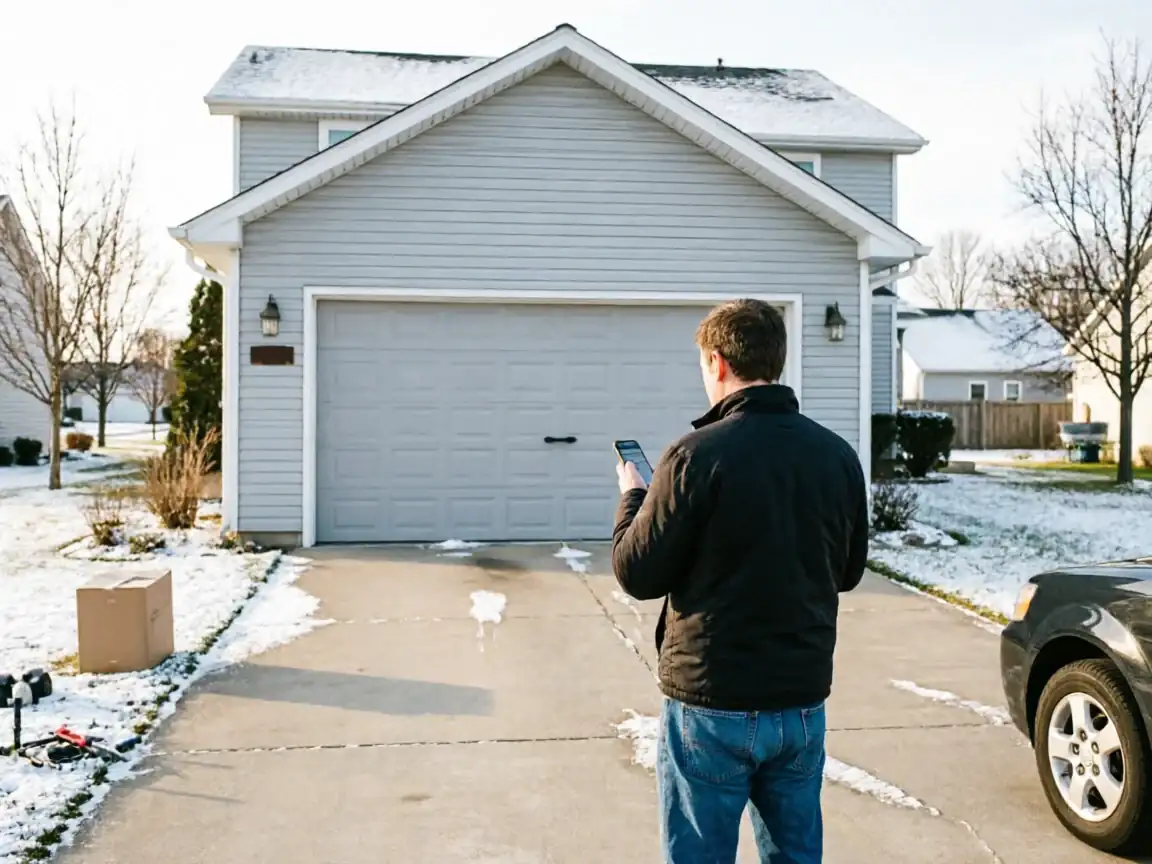
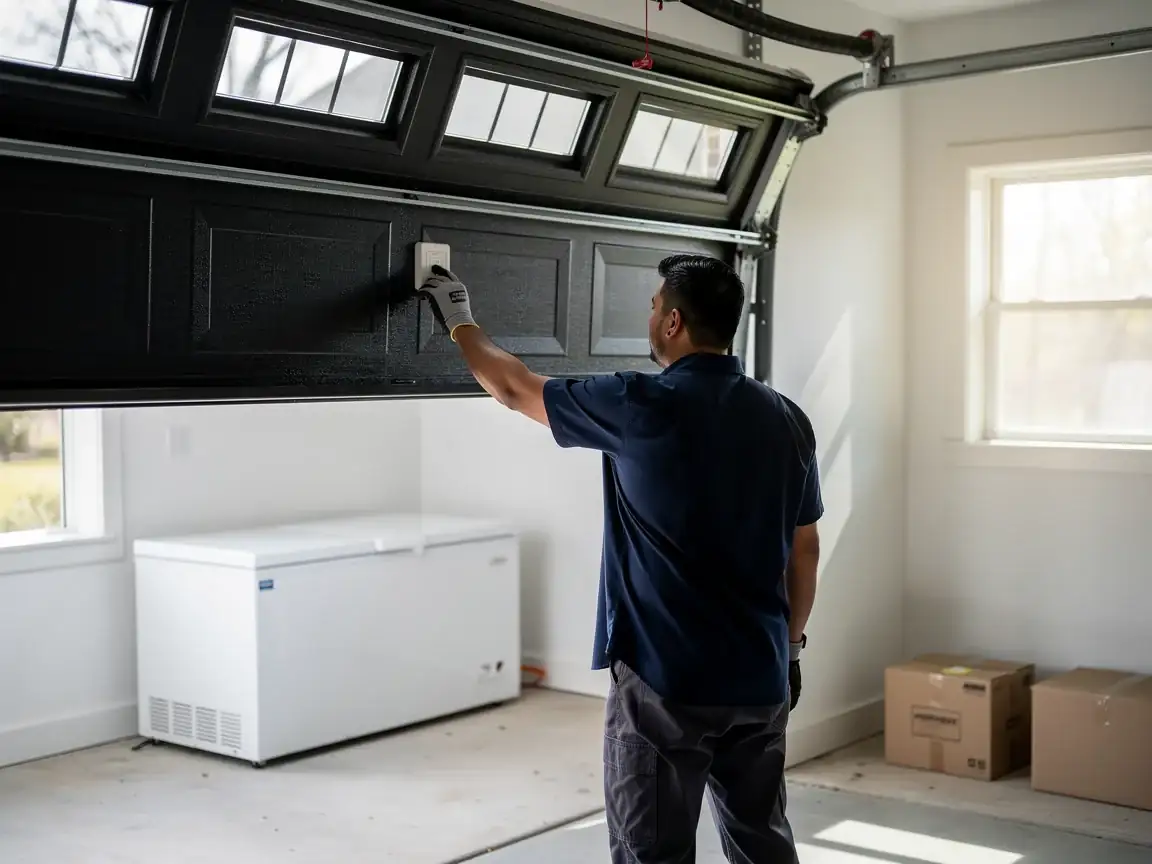
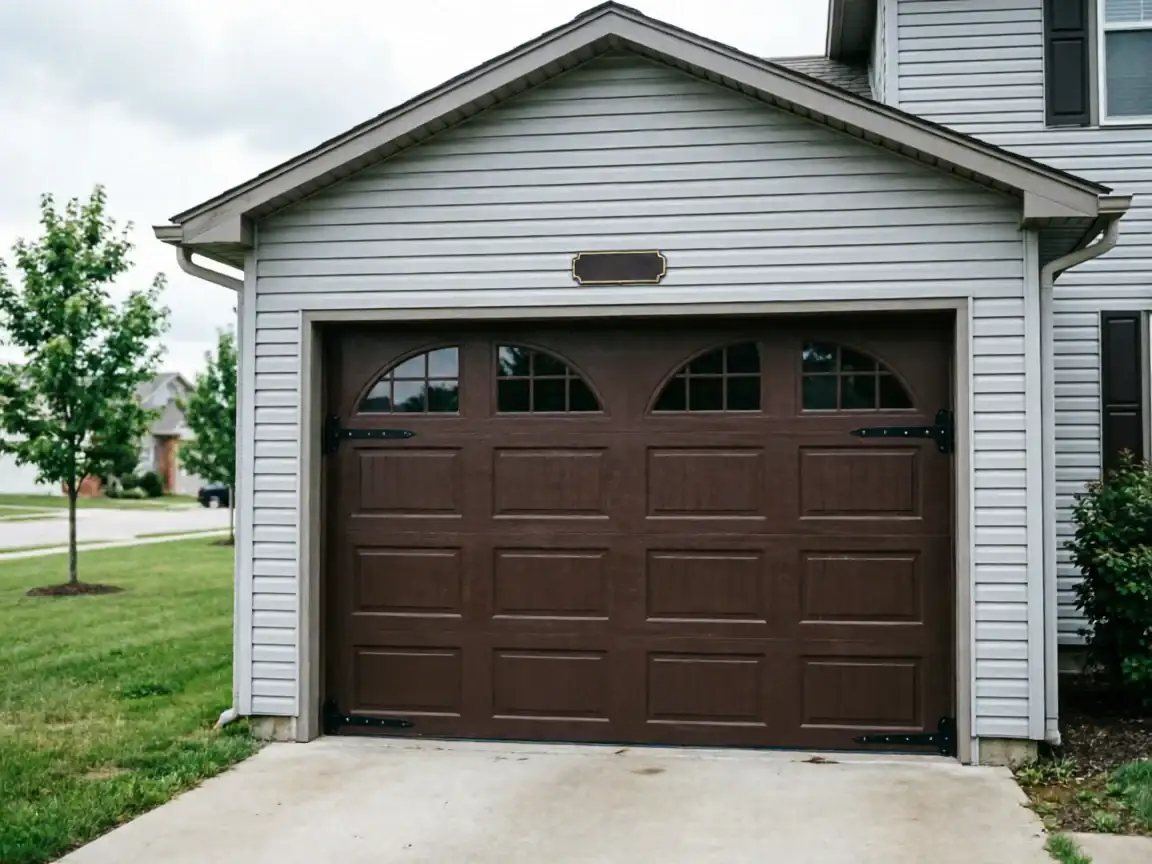
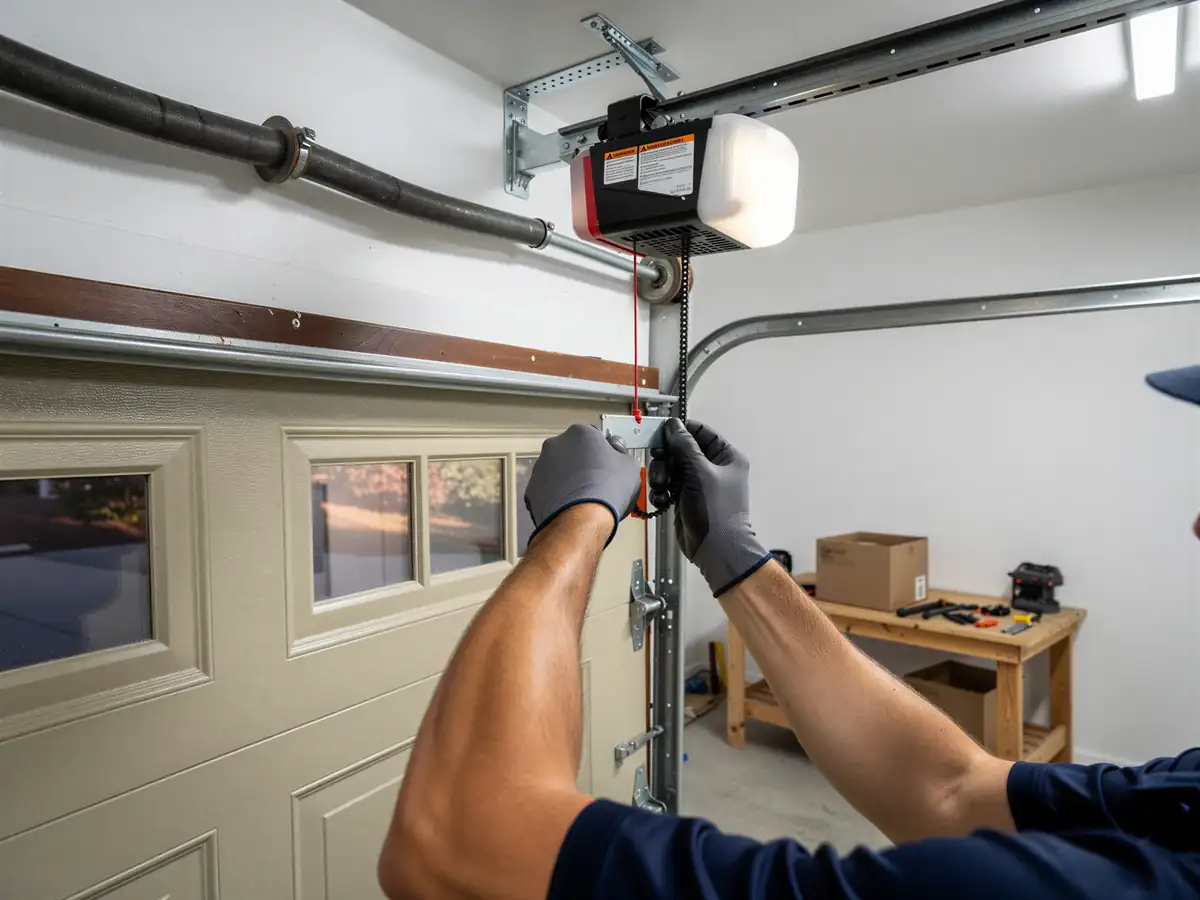
The first sign is usually a door that won't lift past a foot or two, or one that slams down instead of lowering on its own weight. Sometimes you hear it before you see it - a loud bang from the garage, which is the spring letting go under tension rather than a slow leak of power. On a two-car door with a single center spring, one failure means the door is dead weight until it's replaced. On doors with two torsion springs, one can snap while the other holds just enough that the opener keeps straining against it, which burns out the motor if nobody catches it in time.
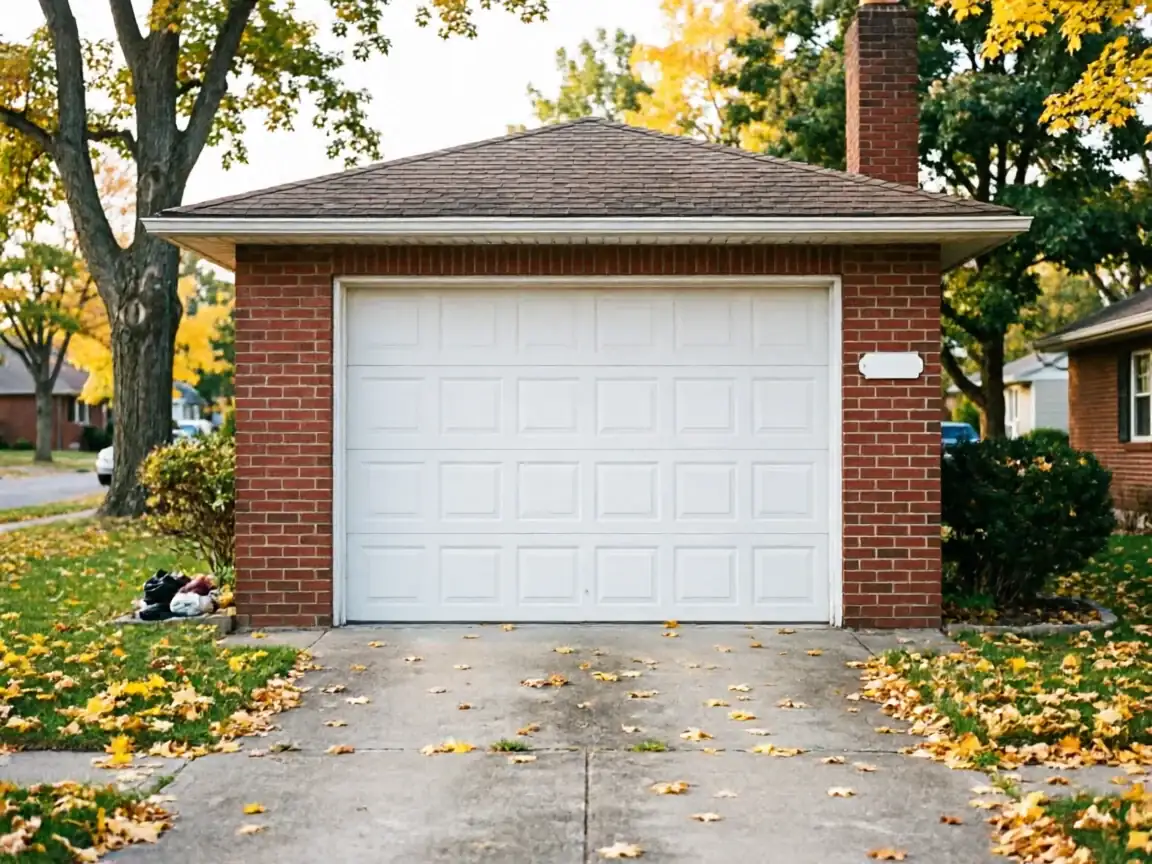
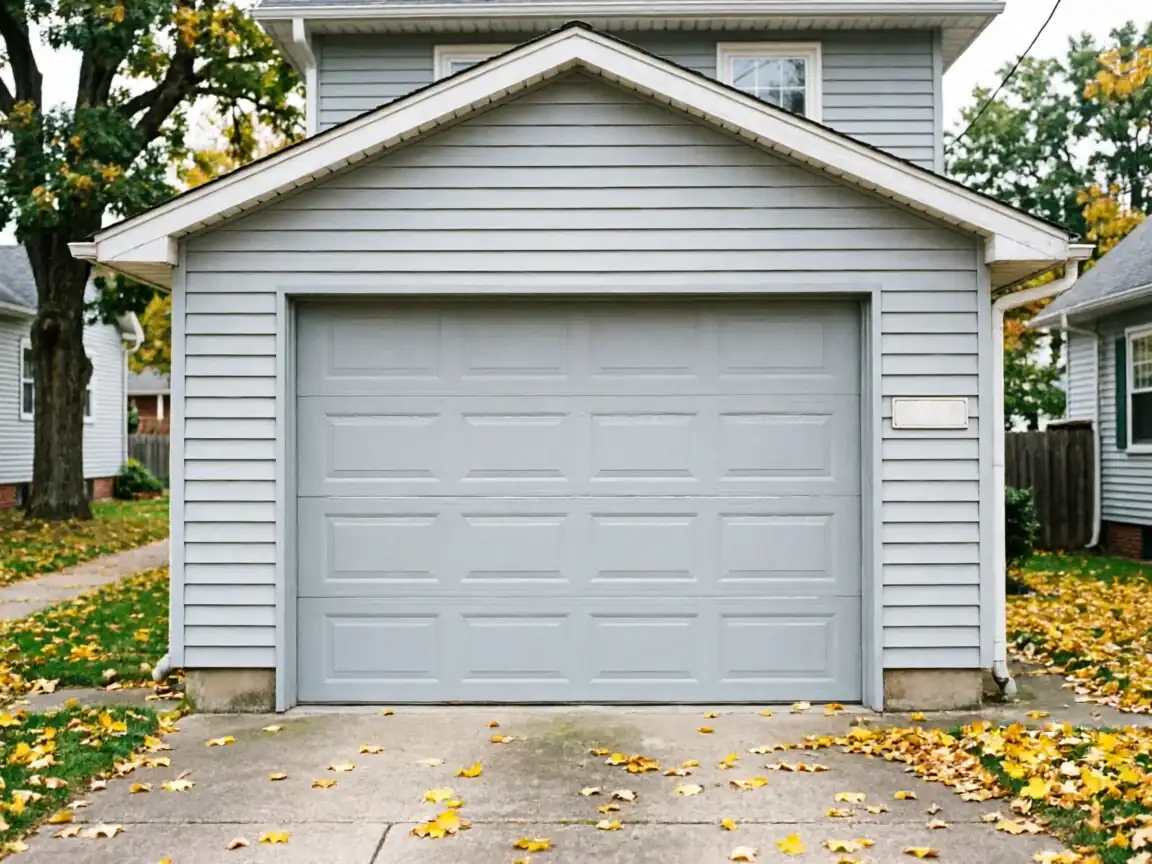
Most of the garage doors we work on sit in houses built between 1941 and 2009, with the bulk going up in the 1980s and 1990s across the 26 communities we serve. That era of construction used torsion spring setups that are still common today, but after twenty or thirty years of daily cycles, the steel fatigues. A spring doesn't wear out evenly - it's fine for years and then it's just done, usually on the coldest morning of the year when the steel is least forgiving.
How We Fix It
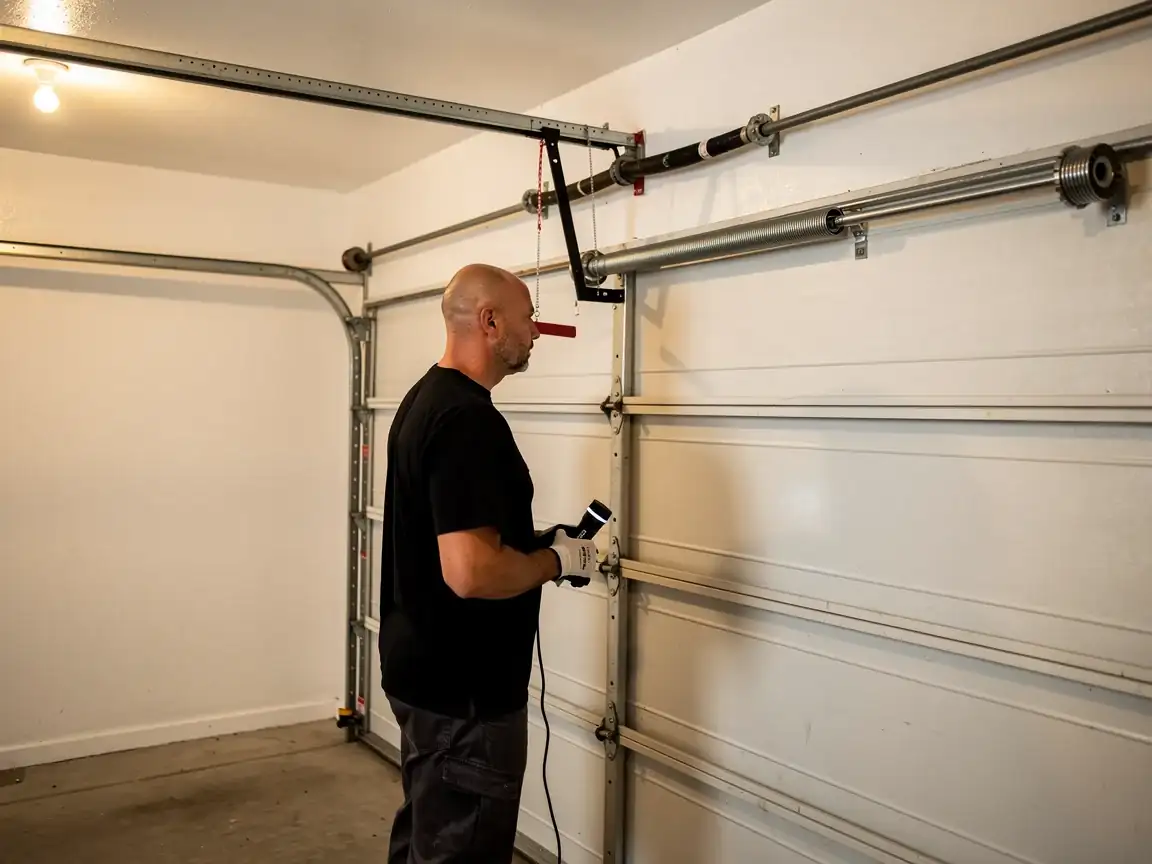
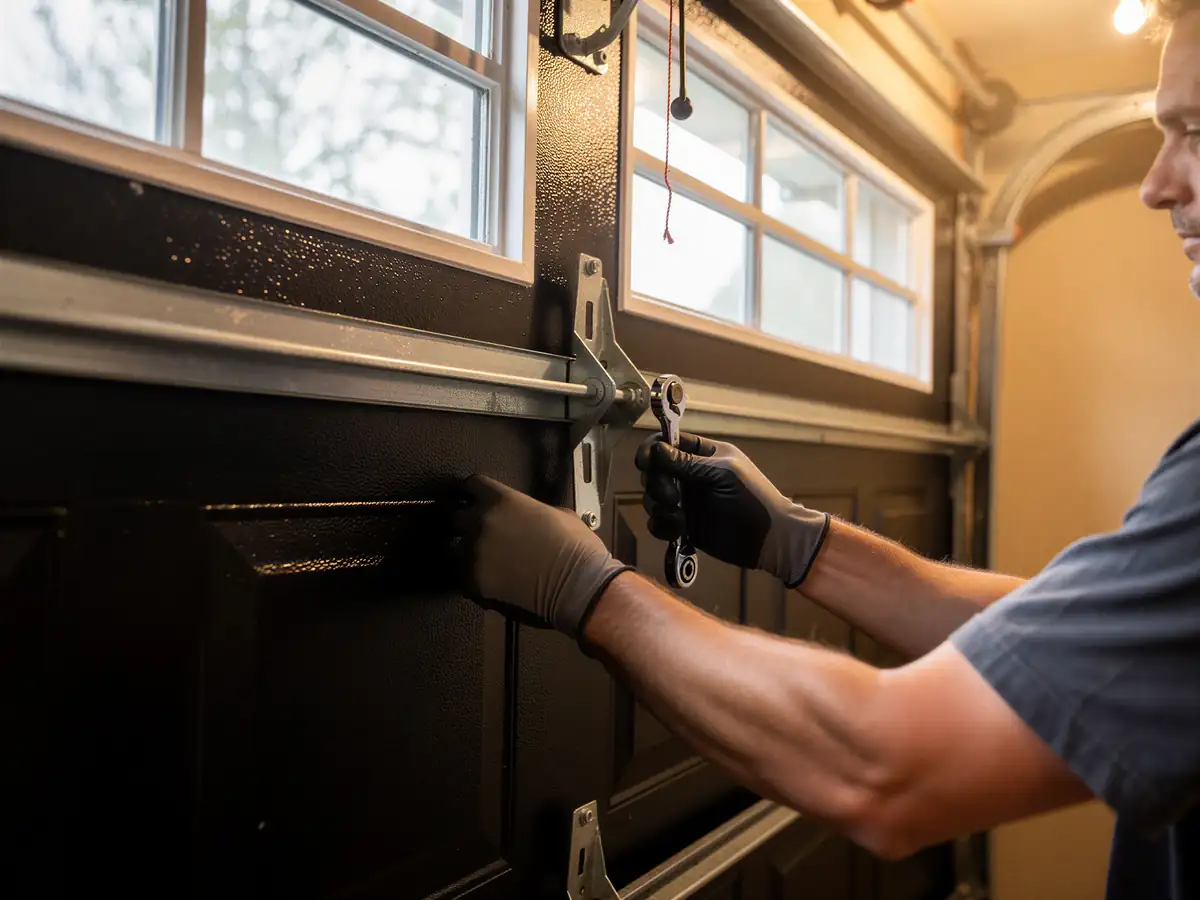
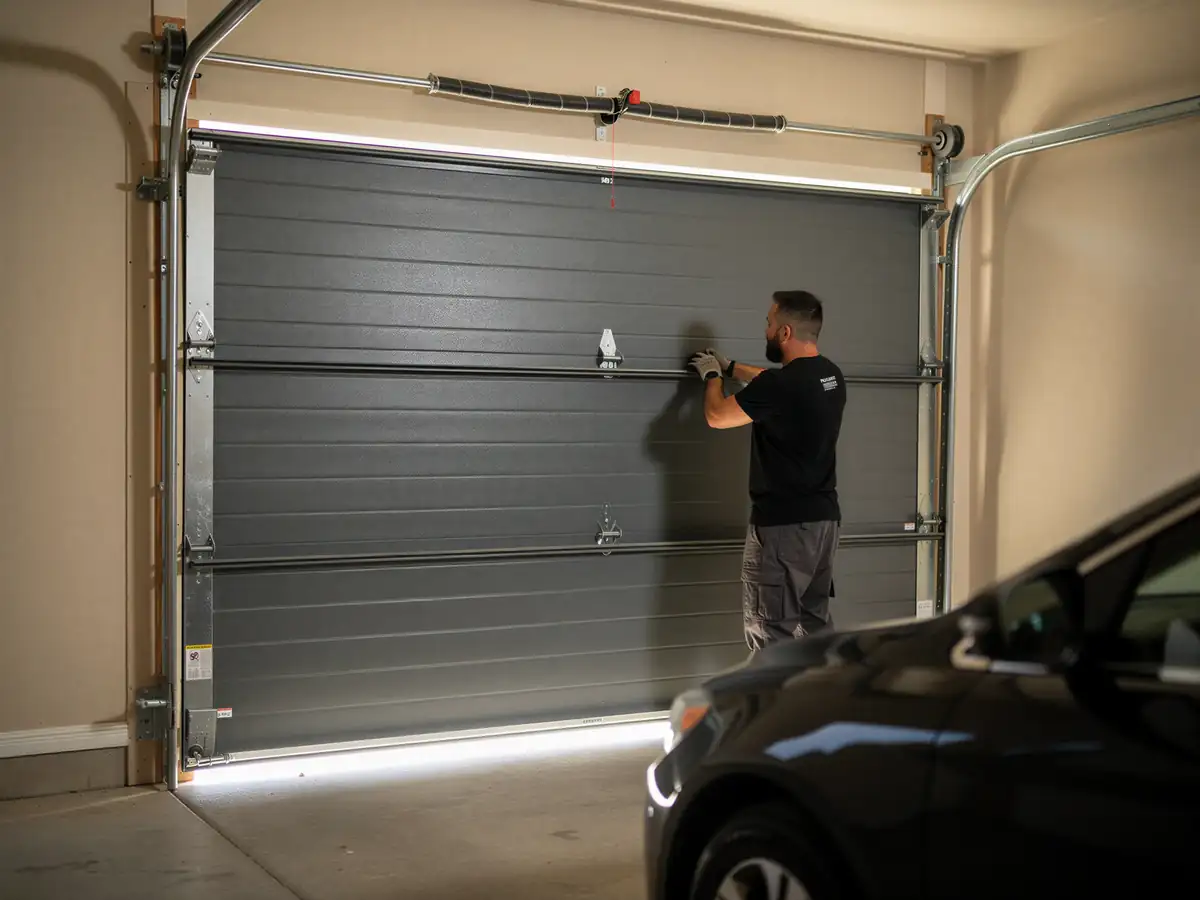
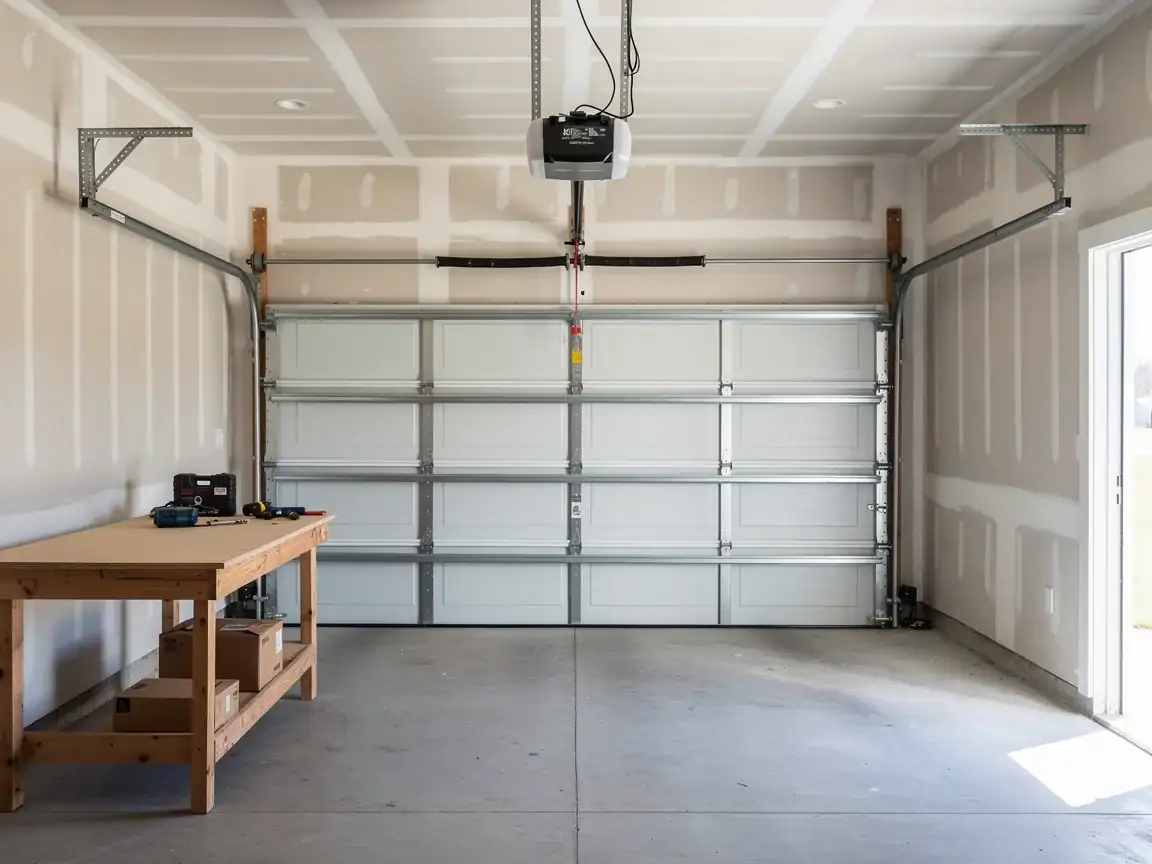
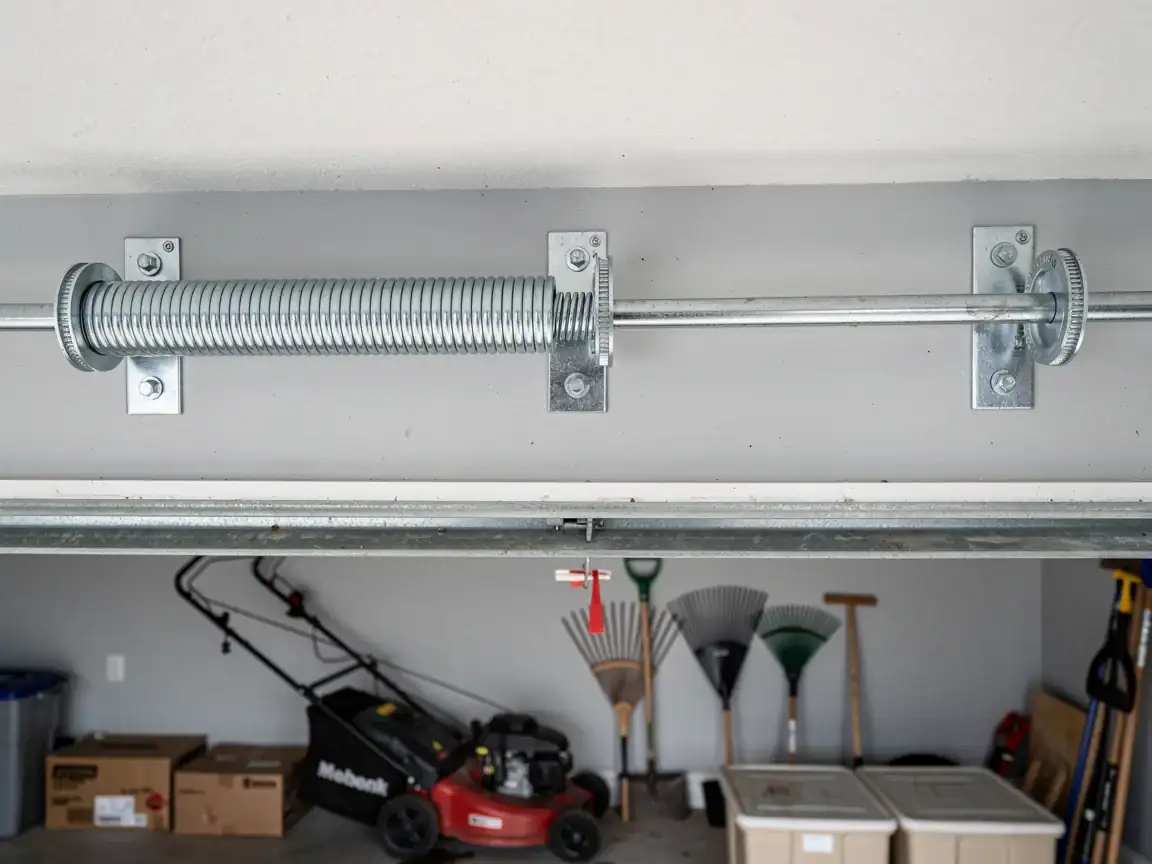
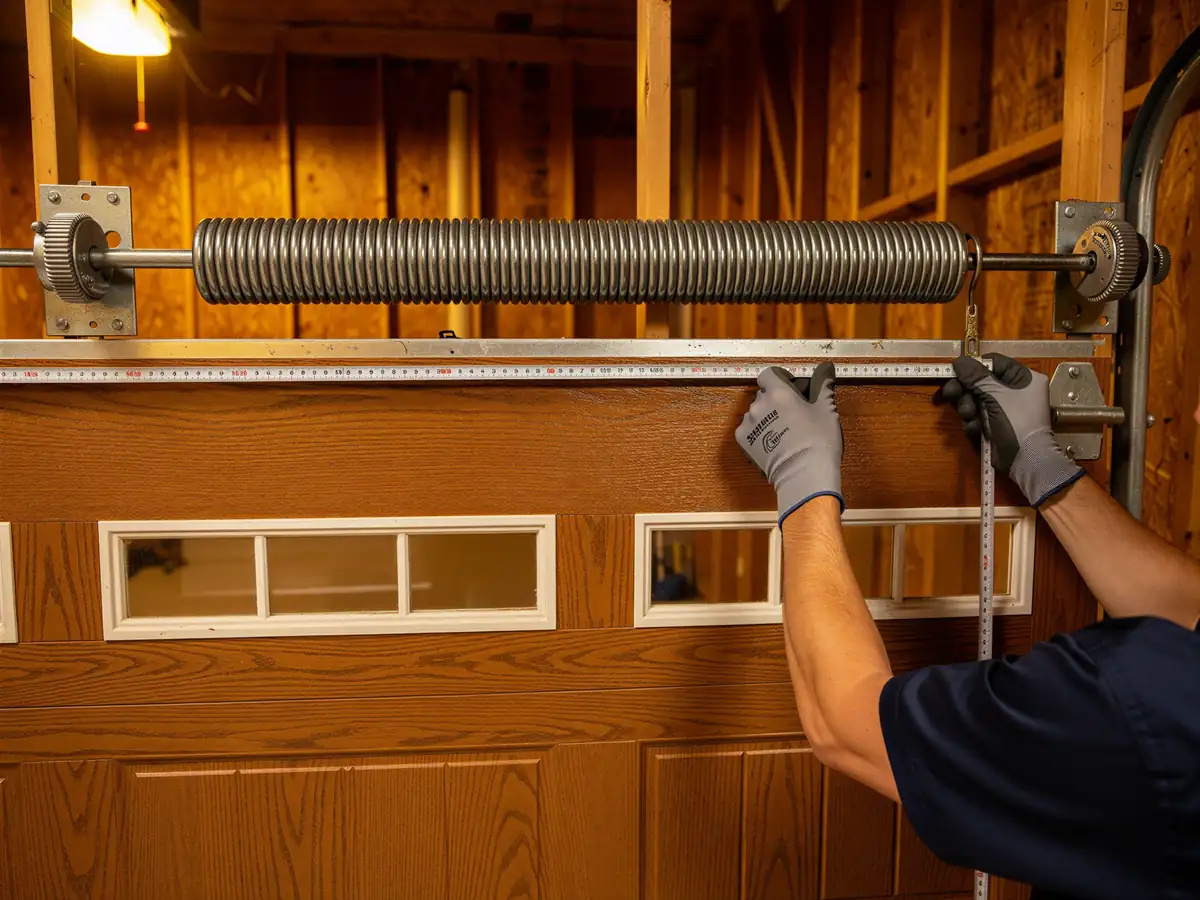
We start by identifying the spring type - torsion, mounted above the door on a shaft, or extension, running along the horizontal tracks. Most homes in this part of Iowa built from the 80s onward use torsion springs, so that's the majority of what we're replacing. We measure wire size, coil diameter, and length rather than guessing from the old spring, because a mismatched spring either won't hold the door's weight correctly or wears out again within a year or two.
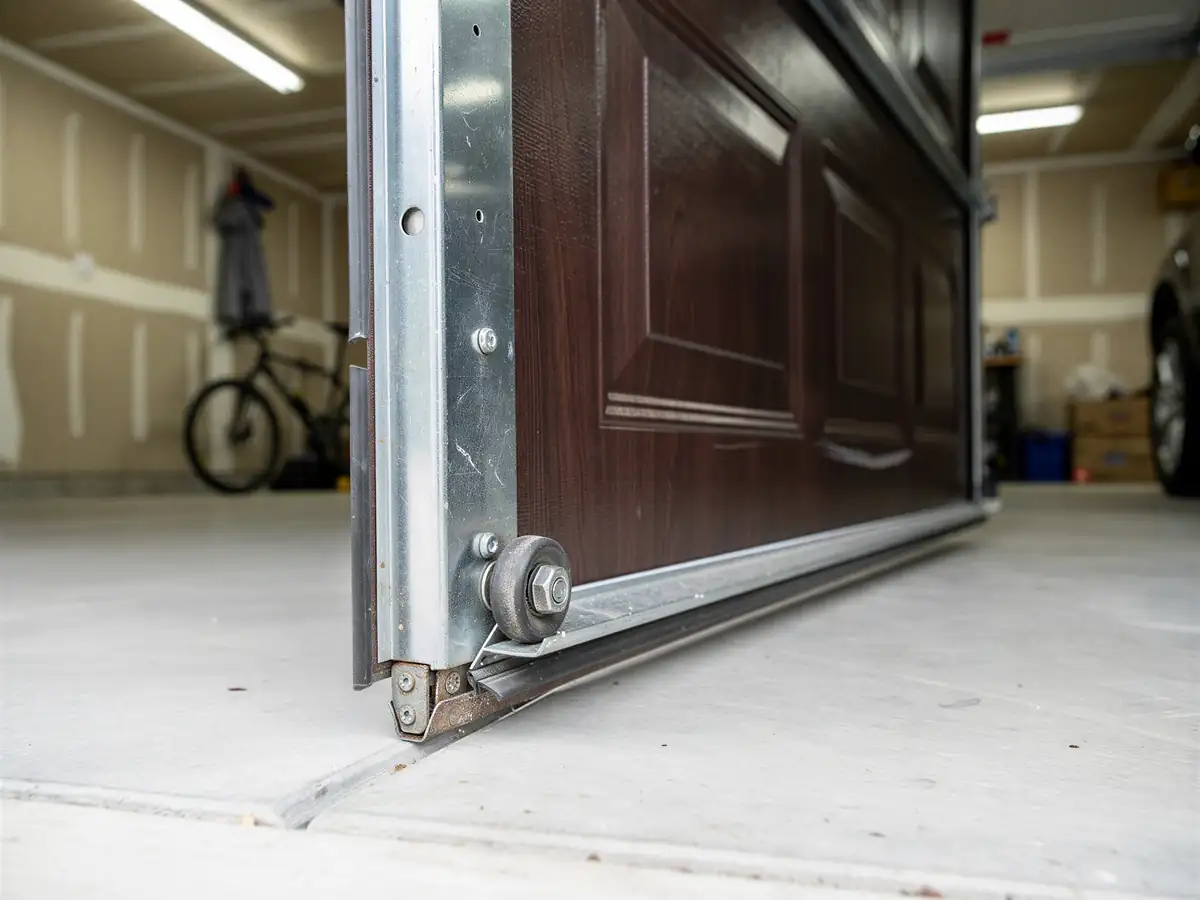
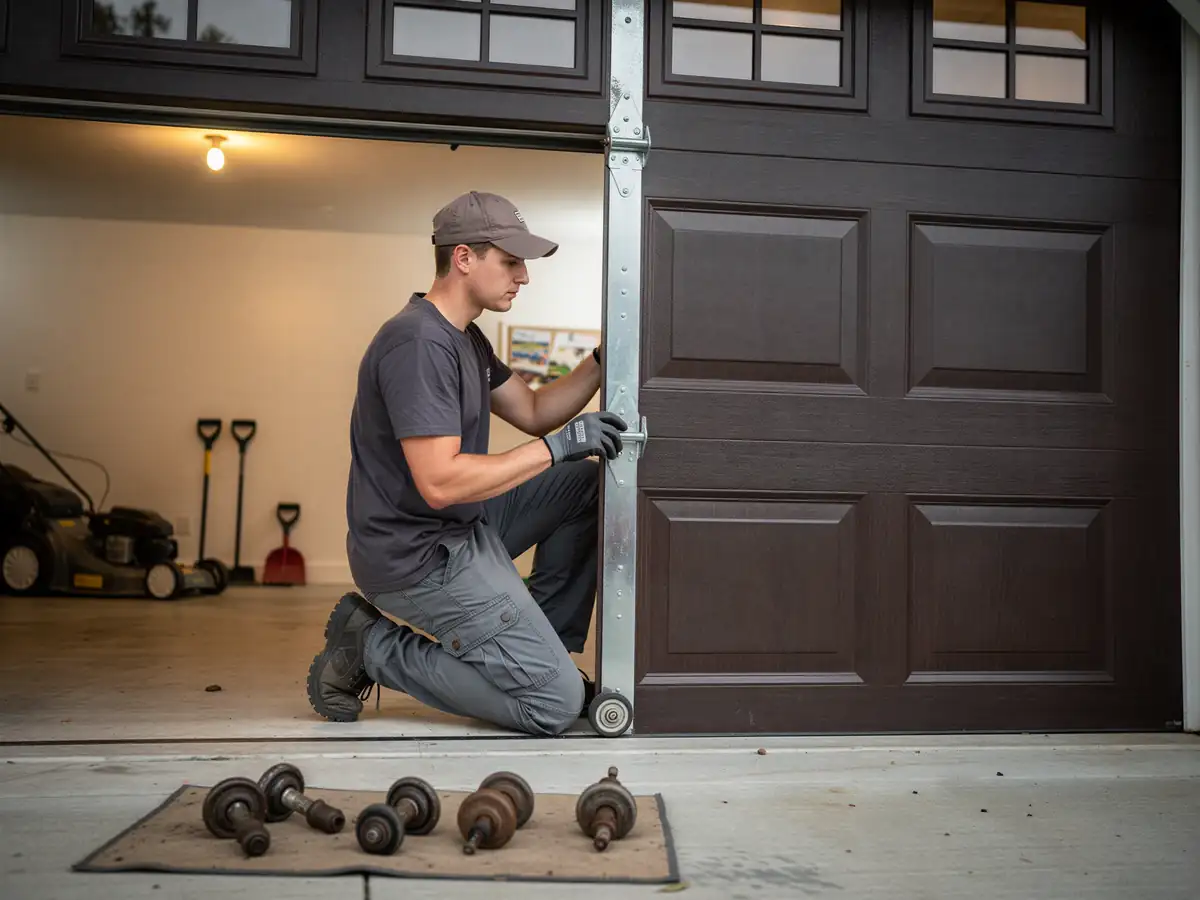
We replace springs in pairs on double doors even if only one has broken, since the surviving spring is usually close behind and a mismatched pair puts uneven strain on the opener and tracks. We also check cables, drums, and the center bearing while the door is open and unloaded, since those parts take similar stress and fail on a similar schedule.
Here's the limitation: if the door itself has sagged, warped panels, or rusted-out track from years of neglect, a new spring won't fix the underlying problem. In that case we'll tell you straight that spring replacement is a stopgap and the door is the real issue, not something we gloss over to get a job done.
Getting It Booked In
Call it in and describe what's happening
Whether the door won't budge, dropped suddenly, or is making the bang most owners describe the first time it happens. That tells us whether to bring torsion stock, extension stock, or both, and whether cables or a drum likely went with it.
We run calls across the service area, not just inside Ankeny proper
That covers towns like Saylorville four miles out and Alleman and Elkhart six miles out, Johnston and Polk City at seven, Bondurant at eight, and further out to Grimes, Urbandale, Waukee, Norwalk, and as far as Dallas Center and Colfax at the edges of the area. A spring job is one of the few garage door repairs that's usually a same-visit fix once we're on site with the right spring in hand, since the diagnosis is quick and the part isn't custom-ordered the way some opener boards or odd-size panels are.
Why This Fails Locally
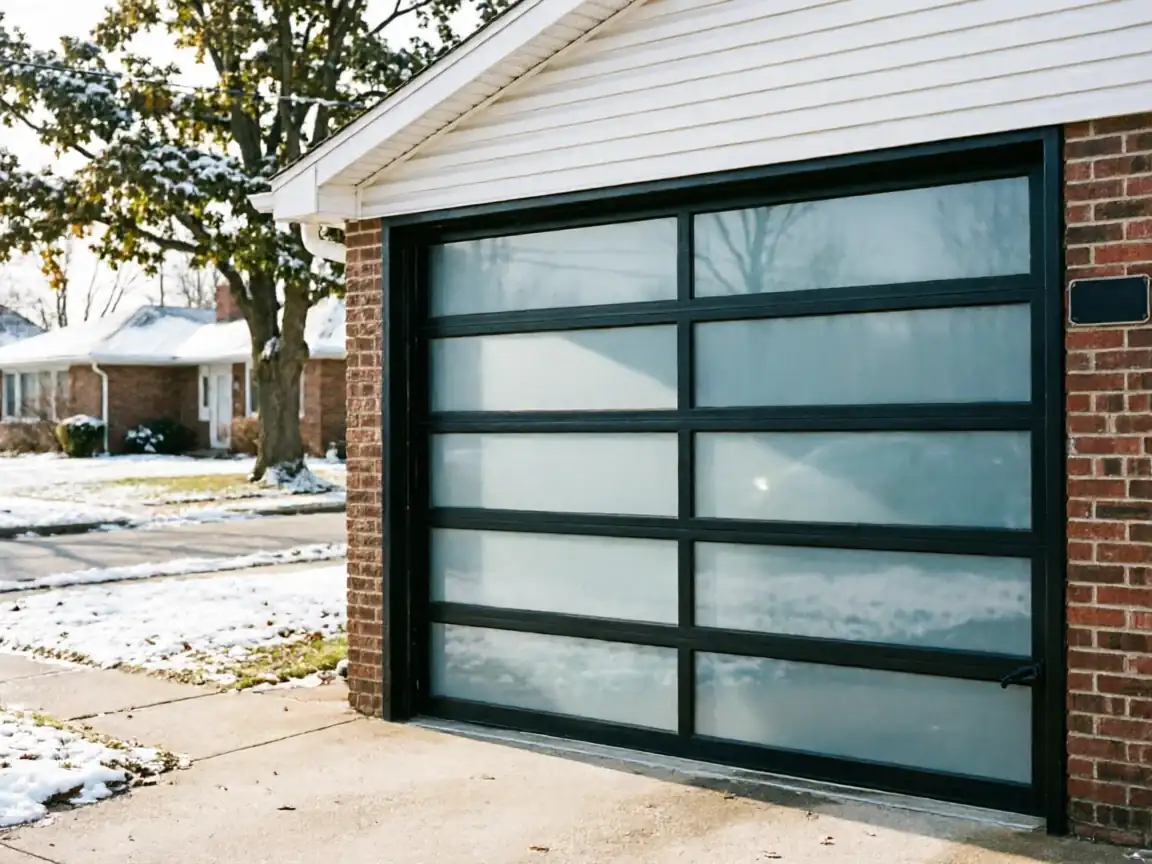
This isn't a generic wear-and-tear story - it's specific to what's sitting in driveways here. Housing across the service area runs from 1941 up through 2009, with a median build year of 1993, and most of the 26 named areas we cover are dominated by that 1980s and 90s construction wave. That means tens of thousands of torsion spring setups that are all roughly the same age, installed with the hardware standard of that decade, and now hitting the same failure window within a few years of each other.
Add the climate: this area sits in a cold-moderate band, so springs cycle through real winter cold and summer heat every year, and steel fatigues faster under that swing than it would somewhere milder. Across the area's roughly 85,219 households and 46,052 owner-occupied houses, a lot of that original or first-replacement hardware is aging out at once. With a median household income of $96,354, most owners here choose a proper spring replacement sized to the door rather than a patch that fails again next winter - which is the right call, because a mismatched spring is often how a second failure happens within a year.