Serving Ankeny, IA & nearby
(515) 215-8286
Ankeny, IA

Why Your Garage Door Keeps Jumping the Track

Ankeny's 1980s-90s housing stock and cold winters put a specific kind of strain on track hardware. Here's what actually causes it and what to check first.

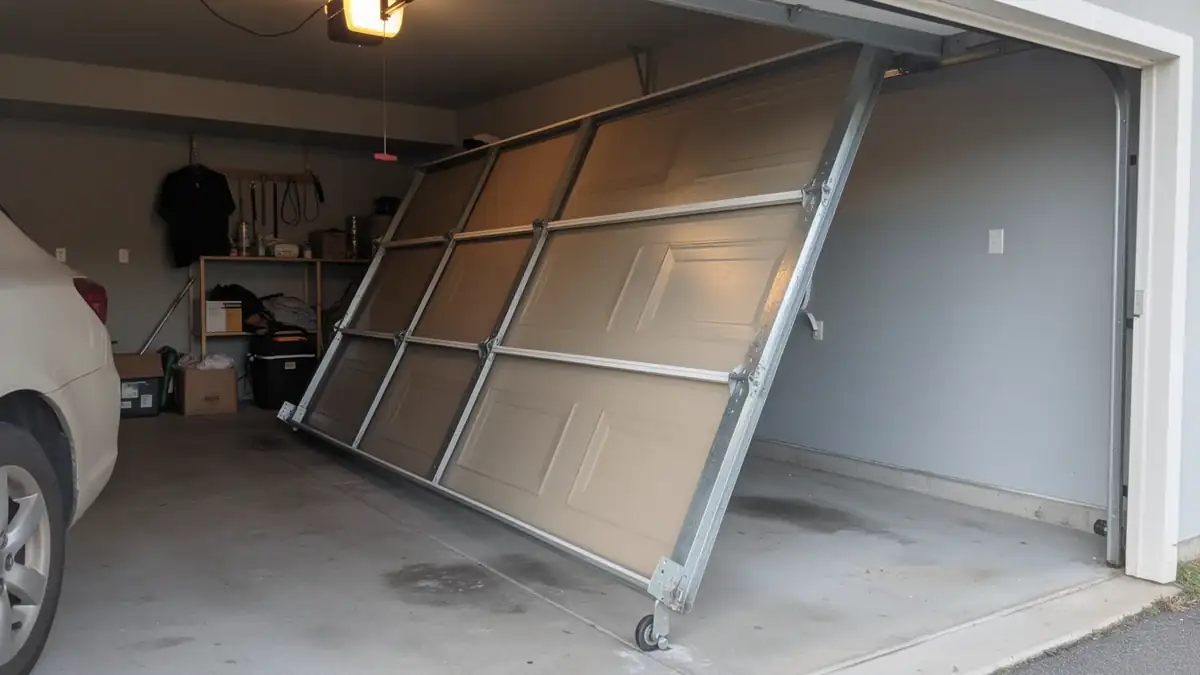
A tan garage door is off its tracks and leaning inside a garage.

What the Weather Here Does to It

Ankeny sits in a cold-moderate climate band, which means the door's track system goes through a real freeze-thaw cycle every winter, not just a few cold snaps. Steel track and the lag screws holding the brackets to the jamb contract when the temperature drops and expand again when it climbs back up. That movement is small on any single day, but it repeats for months, and it works the same way a loose bolt works itself looser on a washing machine - a little give, over and over, until the bracket is sitting a few degrees off where it was installed.

Cold also stiffens the lubricant in the rollers and hardens the rubber seals at the bottom panel. A door that's already running a hair out of plumb from bracket creep has less room for error when the rollers aren't moving smoothly through the curve at the top of the track. That's usually the point where a door that's been rattling quietly for a season finally jumps the track outright, often on the first hard cold morning of the year rather than gradually.

This isn't a defect in any particular door. It's what a cold-moderate climate does to any steel track system over years of use, and it's why the problem shows up more in late fall and winter here than other times of year.

What Is Going On

Housing across the area was built mostly between 1941 and 2009, with the median year landing around 1993, and the bulk of it clustered in that 1980s-90s run of construction. That matters here because track hardware from that era was galvanized steel on brackets that were lag-screwed, not through-bolted, into jamb framing. Thirty-plus years of freeze-thaw movement on that specific hardware is a known failure pattern: the bracket walks a sixteenth of an inch at a time until the track is no longer parallel to the door.

When that happens, the rollers stop riding in the center of the track channel. They start climbing one edge of it. Under normal operation you might not notice, but the moment the door hits a slightly uneven spot - a roller that's gone flat-sided, a cable with a little slack - it has nowhere to go but off the lip of the track.

Newer builds in the area, closer to 2009, tend to have less of this because the hardware hasn't had as many winters to work loose. Older ones closer to 1941 are less common and were more likely rebuilt at some point already. The 1980s-90s middle band is where we see it most.

What to Look At First

  1. Start at the brackets, not the track

    If the vertical track is pulling away from the wall or tilted compared to the opposite side, the lag screws have backed out from years of seasonal movement - tighten or replace them before touching anything else. Pull each roller out of its track a couple inches by hand (door down, opener disconnected) and check for flat spots or play in the stem. A roller that's gone oval under load is what finally lets the door climb the rail even when the brackets are fine.

  2. Check the bottom brackets where the cable attaches

    These take the most stress and, on original 1980s-90s hardware, are often the first thing to show wear - elongated holes, a bent flange, a cable groove worn deeper on one side than the other.

  3. Look at the horizontal track near the back of the door for a slight sag

    Even an eighth of an inch of droop changes the angle the rollers meet the curve, and that's enough after a cold morning to send one off the edge. We don't recommend trying to straighten bent track yourself - once it's bent, it's usually cheaper and safer to replace that section than to fight it back into alignment.

Where People Go Wrong

The most common mistake is treating the symptom instead of the cause. Someone hears the rattle, sees the door drifting slightly crooked, and just muscles it back onto the track by hand or taps the bracket with a hammer. That buys a week, maybe a month, because the underlying bracket is still loose in the jamb and still moving with every freeze-thaw cycle through the winter.

The second mistake is ignoring a slow drift because the door still opens and closes. A door that's a quarter-inch off level doesn't usually fail dramatically - it fails gradually, one roller wearing unevenly until it finally pops free on a cold morning when everything's stiff.

The third is assuming a single bent section of track can just be bent back. Once galvanized steel track has kinked, the metal's lost its temper at that point - it'll bend again under the same load, usually in the same spot, and often sooner the second time. Replacing that section is the honest fix, not hammering it straight.

Across the area's older subdivisions, the pattern repeats: original hardware, decades of winters, a little bracket creep nobody checked until the door finally came off.
How it works

From “it’s stuck” to “it’s fixed”

A man stands in a snowy driveway, looking at his phone in front of a garage.

Tell us what’s wrong

Describe the symptom - won’t open, loud bang, opener runs but the door won’t move.

A technician works on a white garage door with visible springs and tracks.

On-site diagnosis

A technician tests the door under power and by hand and finds what actually failed.

A technician in a blue uniform talks to a man in front of an open garage.

Clear, up-front plan

You get the fix that’s needed and what drives the cost - before any work starts.

A technician adjusts a black garage door with windows in a white garage.

Repaired & tested

The repair is done, the door is set true and tested, and the work area left clean.

Next step

Not sure which repair your door needs in Ankeny, IA? Describe what it’s doing - every job starts with a diagnosis.

How we work

What to expect

Diagnosis firstEvery visit starts by finding what actually failed - not a pre-written parts list.
The right part for the doorSprings and openers matched to the door’s weight and age, so the fix holds up.
Straight answersWhen a repair makes more sense than a replacement - or the reverse - you hear it plainly.
Clean, careful workTension released safely, hardware set true, the door tested under power before we leave.
What we do

Garage Door Services

Repair and installation work for Ankeny homes and businesses.

A technician in gloves uses a wrench to repair a dark garage door.

Garage Door Repair

Garage door repair in Ankeny, IA for homes built 1941-2009. We fix broken springs, off-track doors, and opener failures across Ankeny and nearby areas.

Learn more
A technician adjusts a gray garage door with a black car in the foreground.

Garage Door Installation

New garage door installation in Ankeny, IA, sized for homes built 1941-2009 and the area's cold winters. Straight pricing, local scheduling, no guesswork.

Learn more
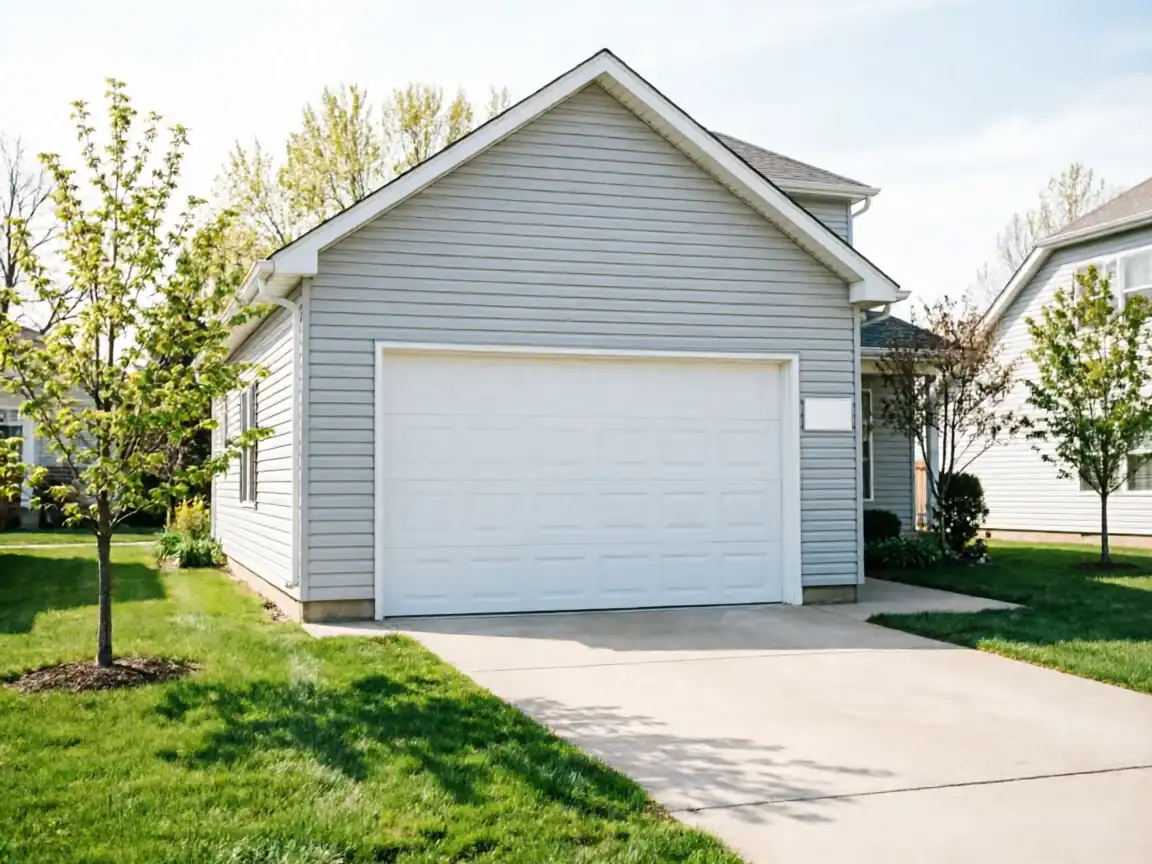
A white garage door is on a light gray house with a green lawn.

Garage Door Service

Garage door service for Ankeny homes built mostly in the 1980s and 90s, where cold winters and original hardware wear springs and rollers faster than owners expect.

Learn more
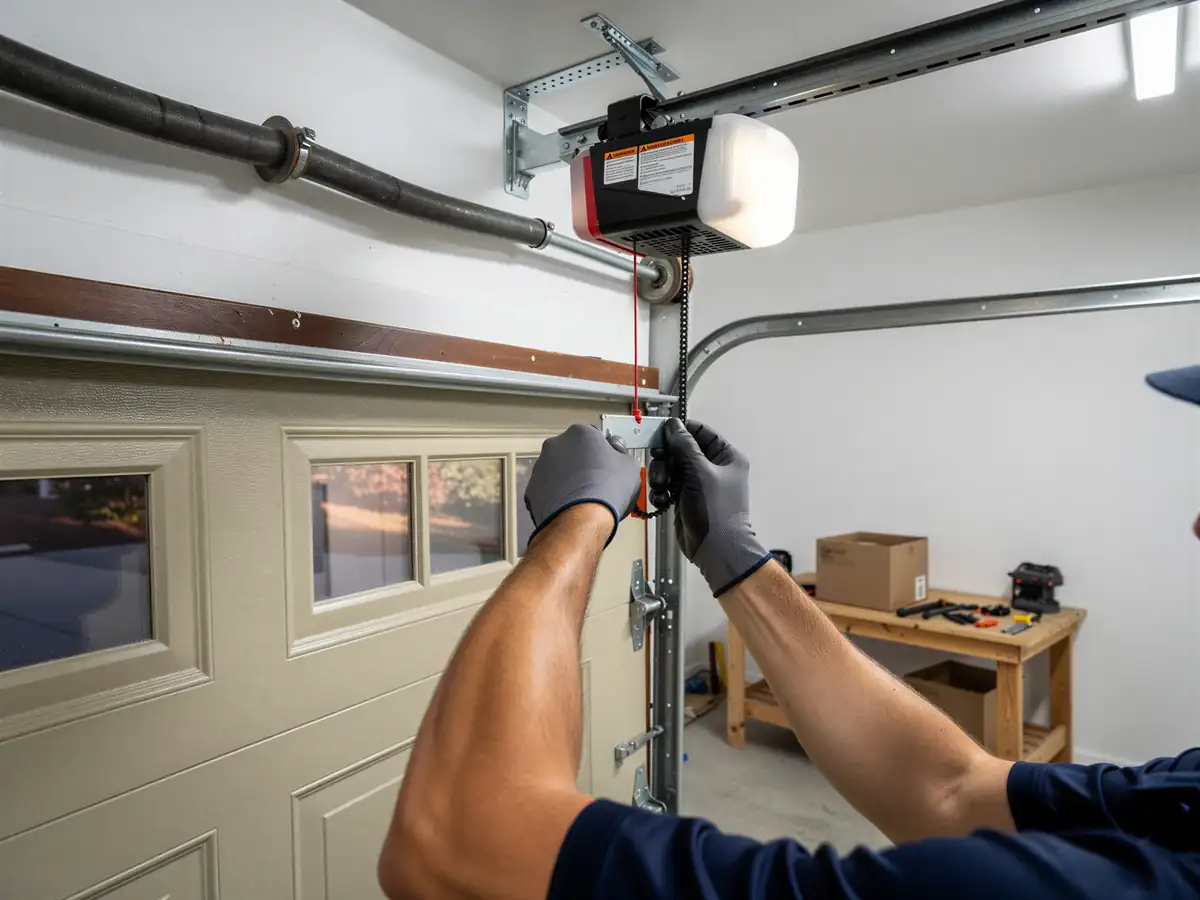
A technician in gloves works on a garage door opener and chain.

Opener Installation

Opener installation for Ankeny houses built mostly in the 1980s and 90s, where original chain-drive units are hitting the end of their service life in cold winters.

Learn more
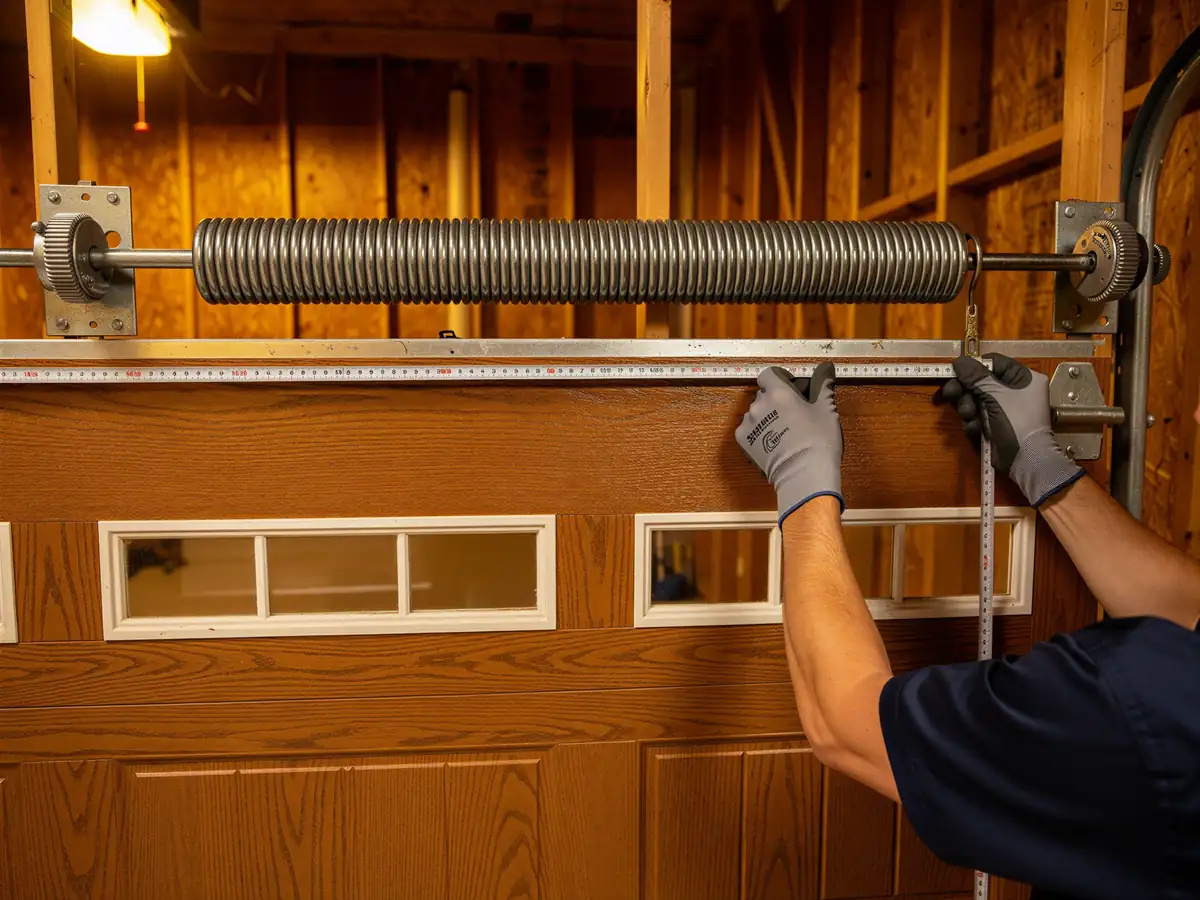
A technician measures a brown garage door with a torsion spring above it.

Spring Repair

Torsion springs fail early in Ankeny's cold winters and 1980s-90s housing stock. Here's how Ankeny Garage Door Pros diagnose, fix, and price spring repairs.

Learn more
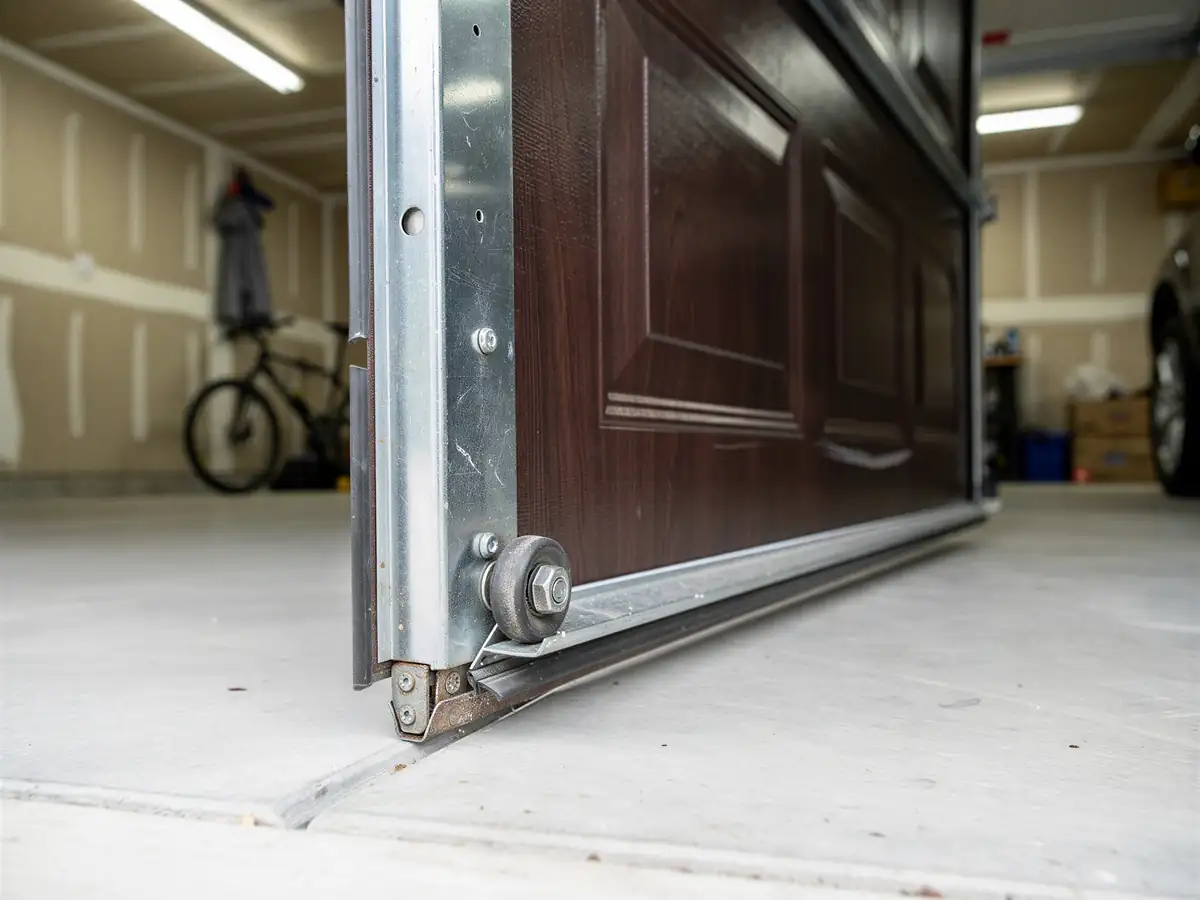
The bottom of a brown garage door is slightly open, showing the roller and track.

Off-Track Repair

Off-track garage doors are common in Ankeny's 1980s-90s housing stock and cold winters. See why it happens and how we fix the track, rollers, and cables.

Learn more
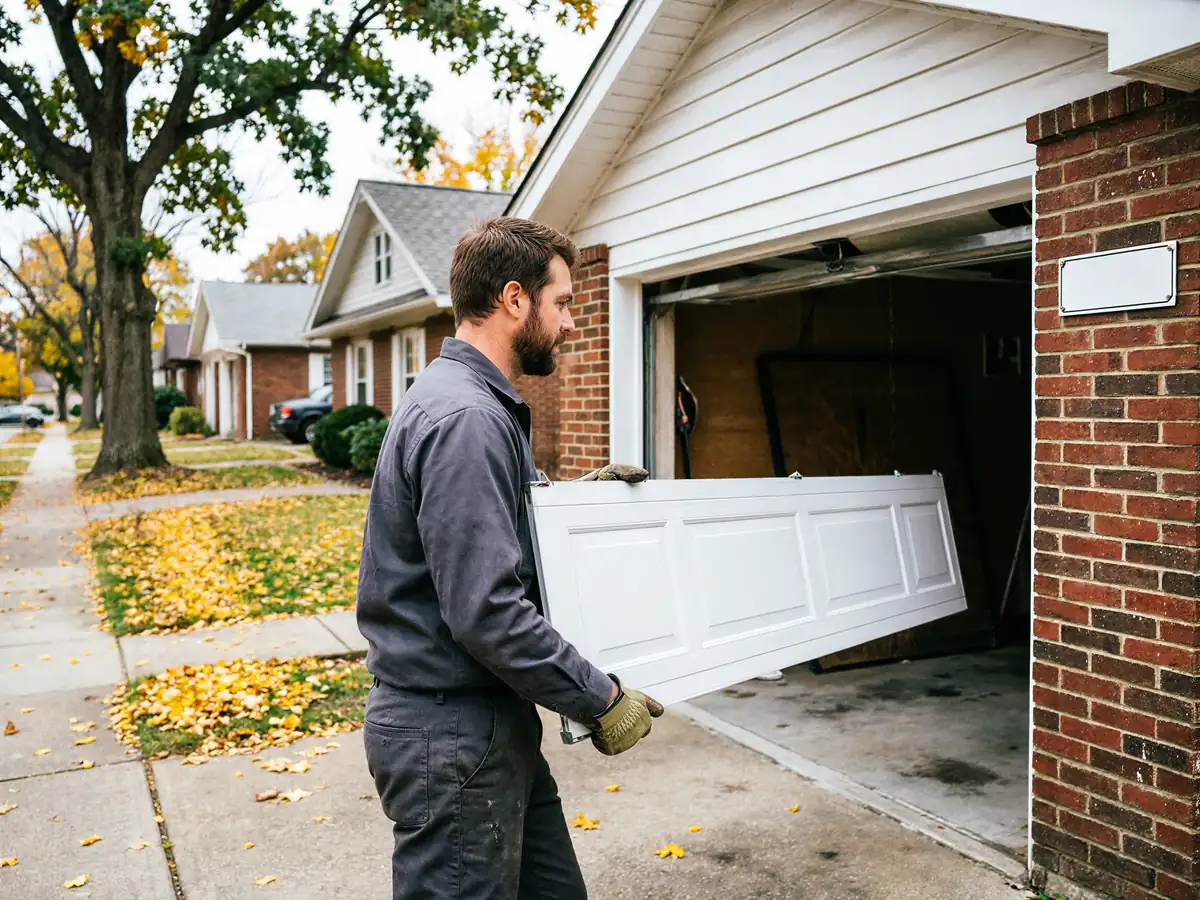
A technician carries a white garage door panel into a brick garage.

Panel Replacement

Dented, cracked, or warped garage door panels are common on Ankeny's older housing stock. We match and replace single panels instead of swapping the whole door when we can.

Learn more
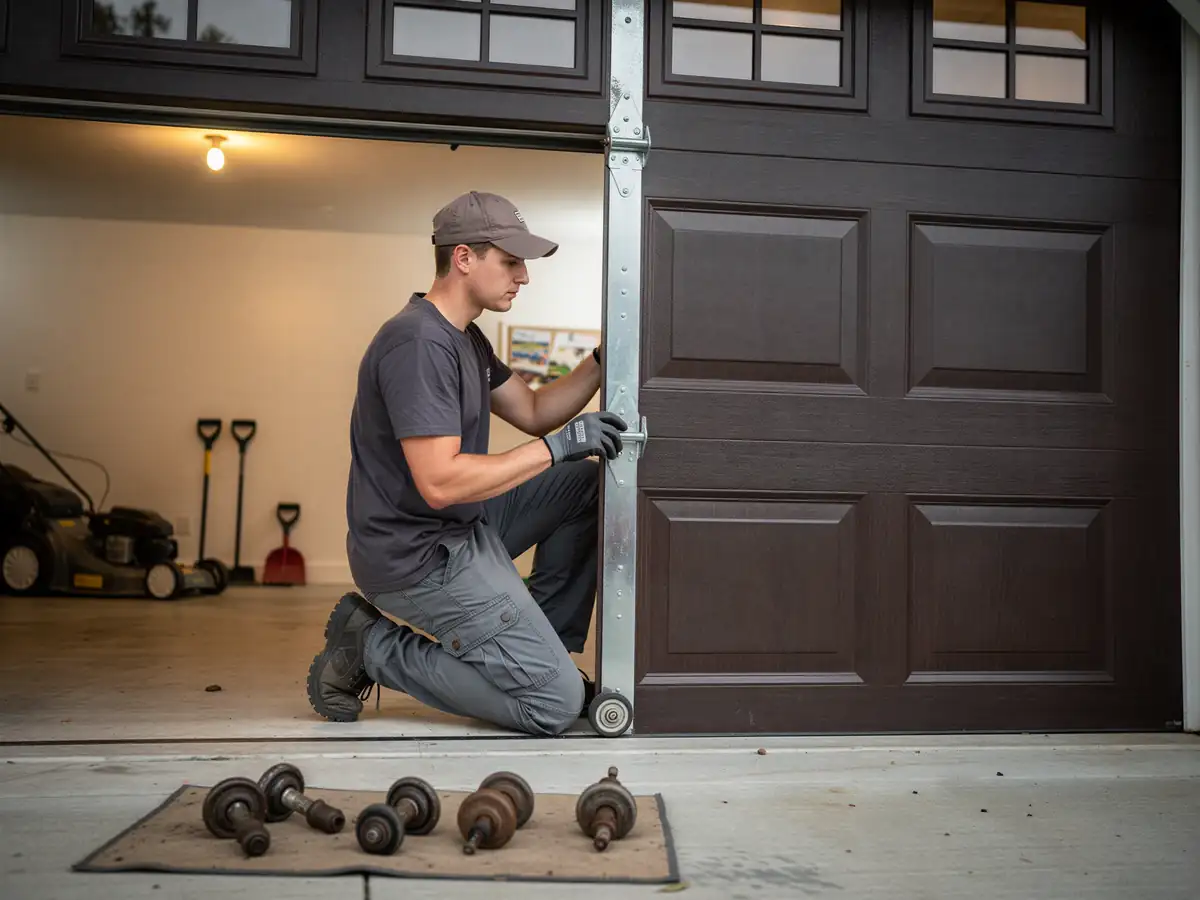
A technician kneels, working on a brown garage door with windows.

Roller Replacement

Rollers wearing loose, grinding, or jumping track on your Ankeny garage door? See why 1980s-90s hardware fails in cold winters and how we replace it right.

Learn more
Questions

Frequently asked

Straight answers about garage door repair in Ankeny. Still unsure? Ask us directly.

Why does my garage door only jump the track in winter?

Cold contracts the steel track and stiffens roller lubricant at the same time bracket hardware has already loosened from years of freeze-thaw movement. A door that's been slightly out of alignment all year finally has no margin left when everything stiffens up on a cold morning, so it jumps the track then rather than in summer.

Is it normal for a 30-year-old door to have this problem?

Yes - a lot of the housing in this area dates to the 1980s and 90s, and track brackets from that era were lag-screwed into the jamb, which backs out gradually with repeated seasonal temperature swings. It's less a sign of a bad door and more a sign the hardware has simply earned its age.

Can I just bend the track back myself?

Once galvanized track has kinked, the metal has lost its original temper at that spot and tends to bend again under load, often faster the second time. We generally replace the bent section rather than straighten it - it costs less in the long run than repeat visits.

How do I know if it's the bracket or the roller?

Check the vertical track against the wall - if it's pulled away or tilted, start with the bracket lag screws. If the track itself looks straight and parallel, pull a roller and check for a flat spot or play in the stem. Both wear from the same freeze-thaw cycle, just at different rates.

Ready to get your garage door sorted?

Tell us what it’s doing and where you are in Ankeny - we’ll take it from there.

Request a QuoteCall