How It Shows Up
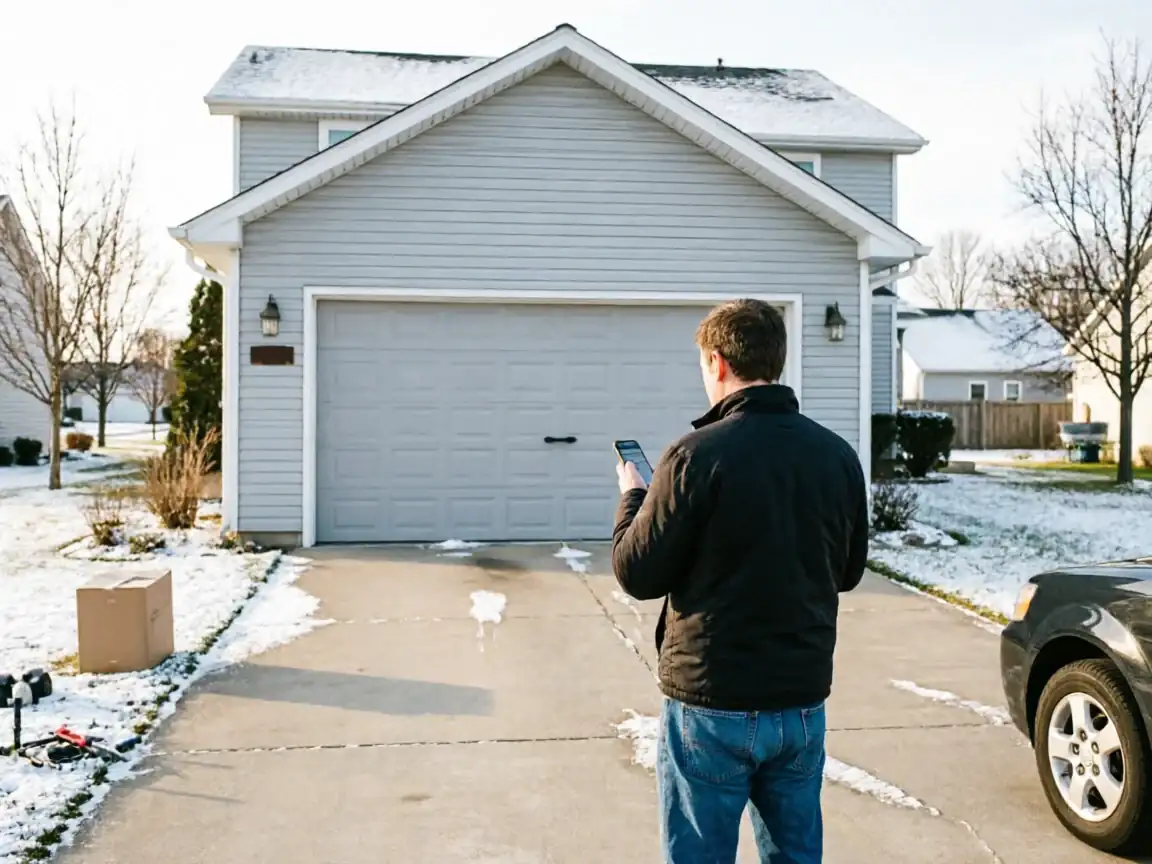
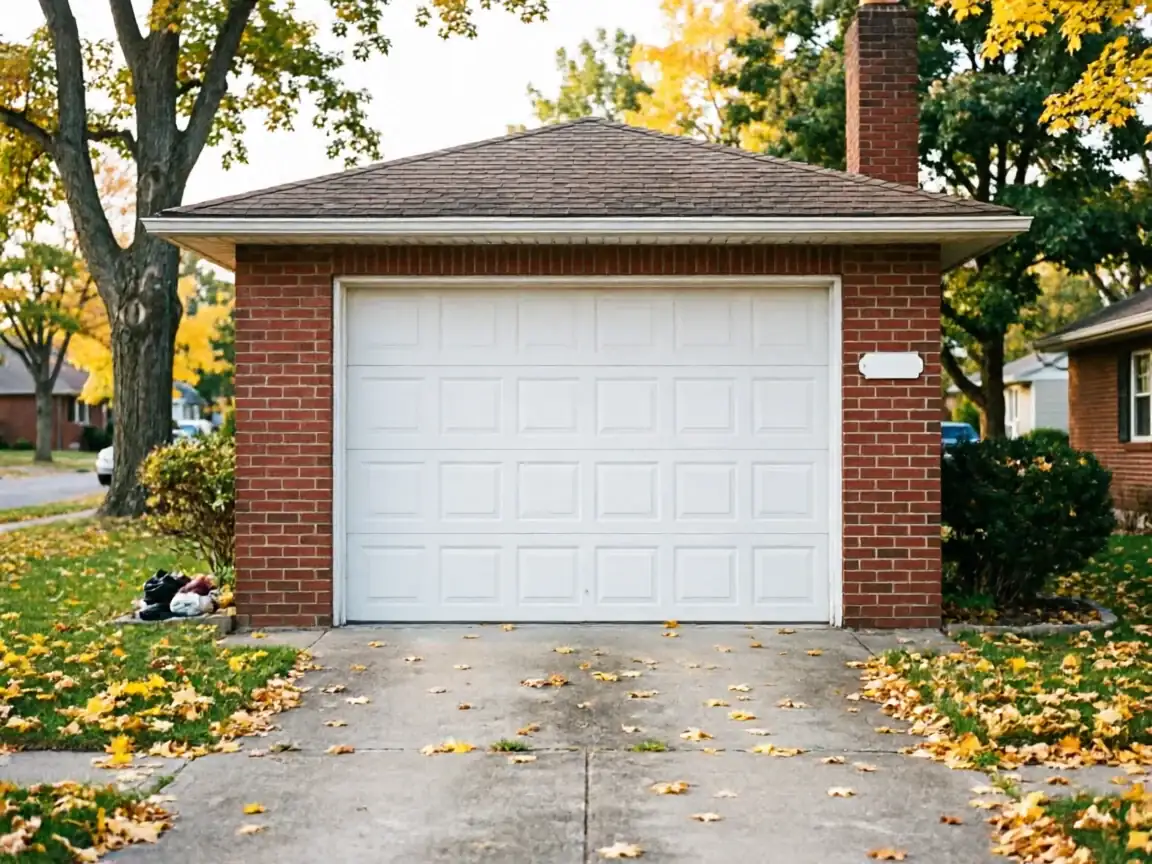
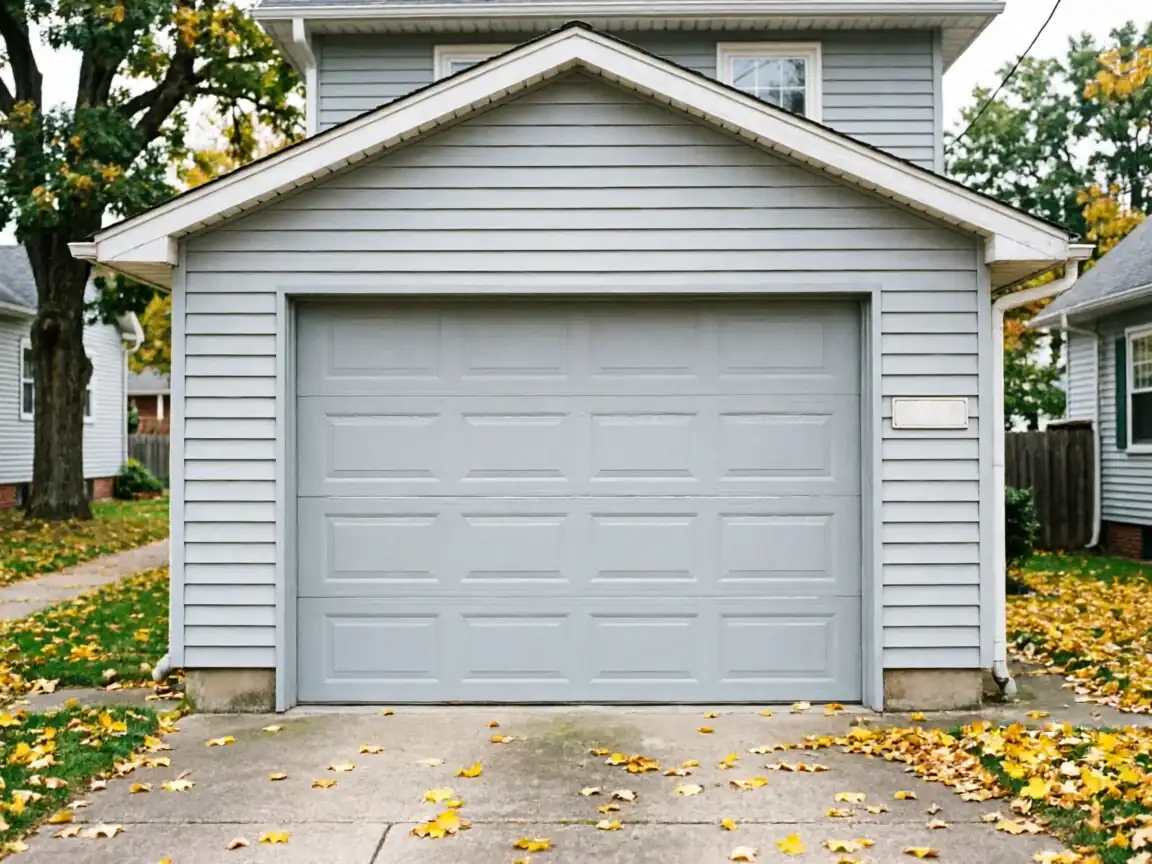
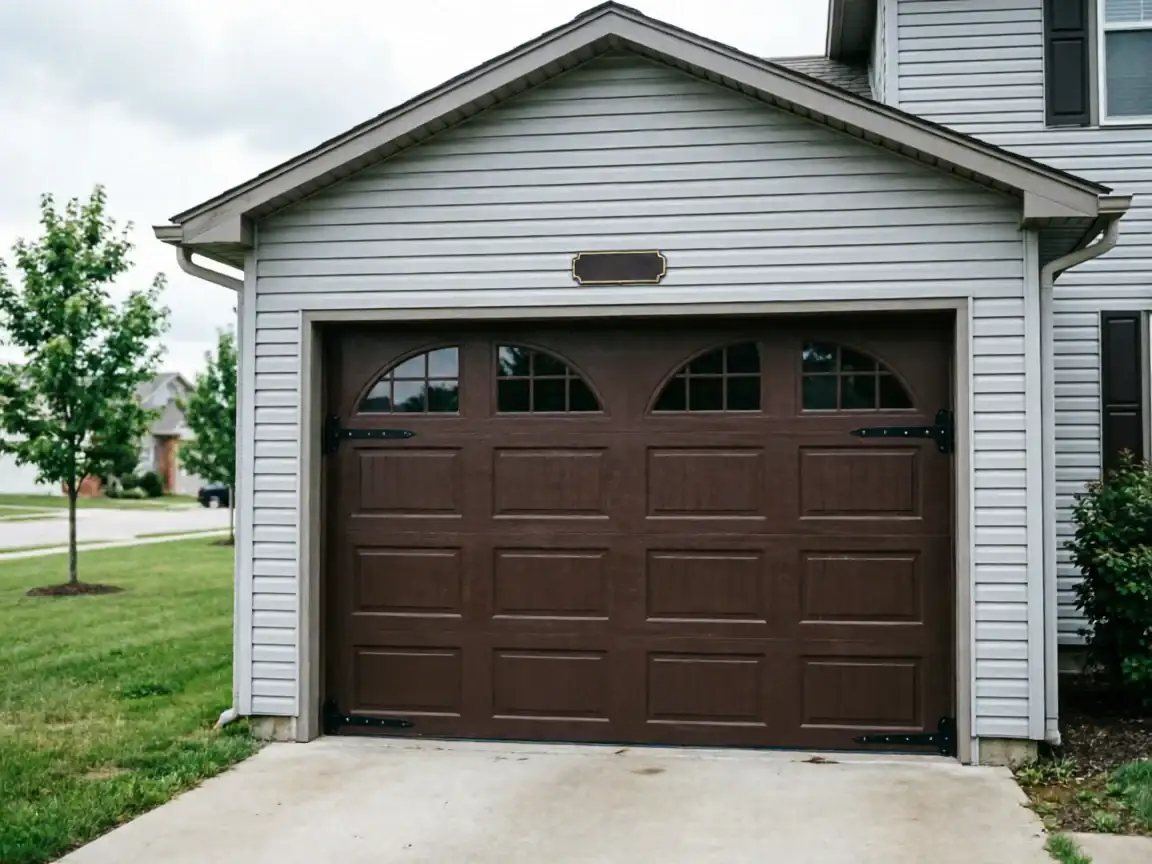
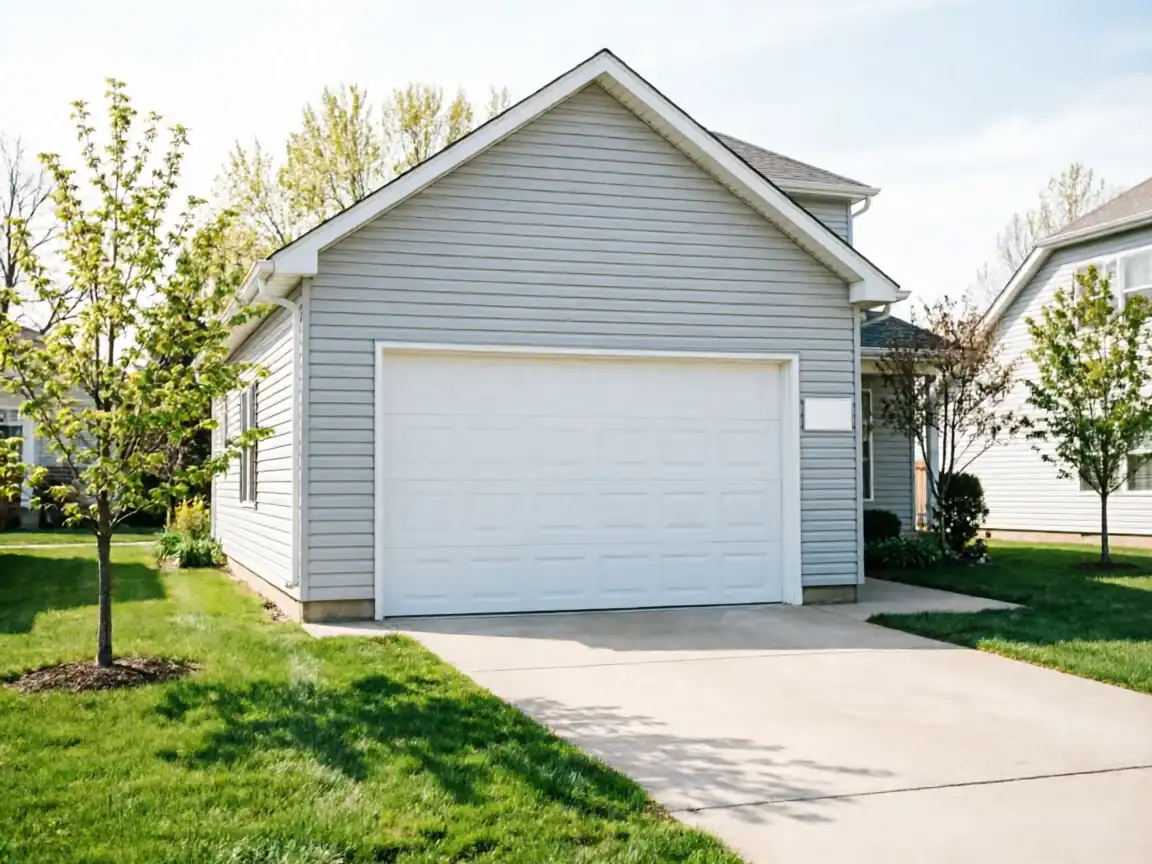
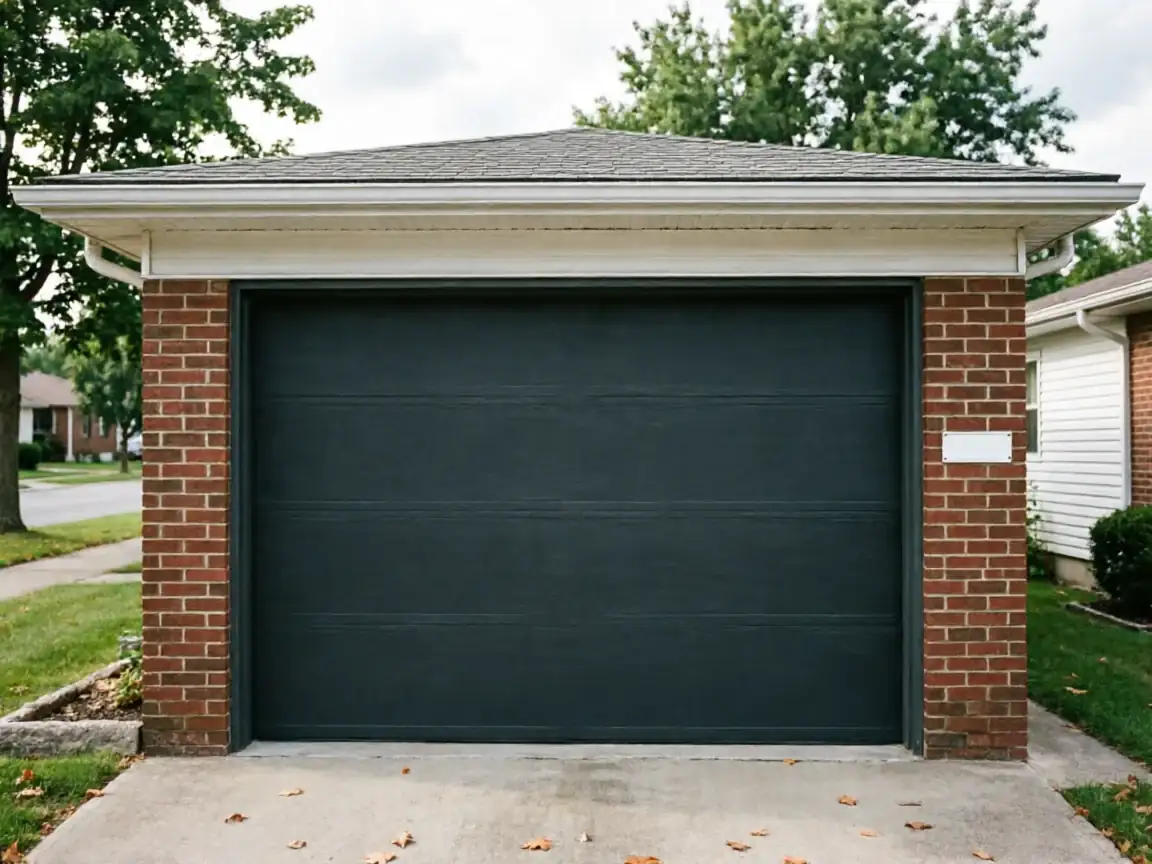
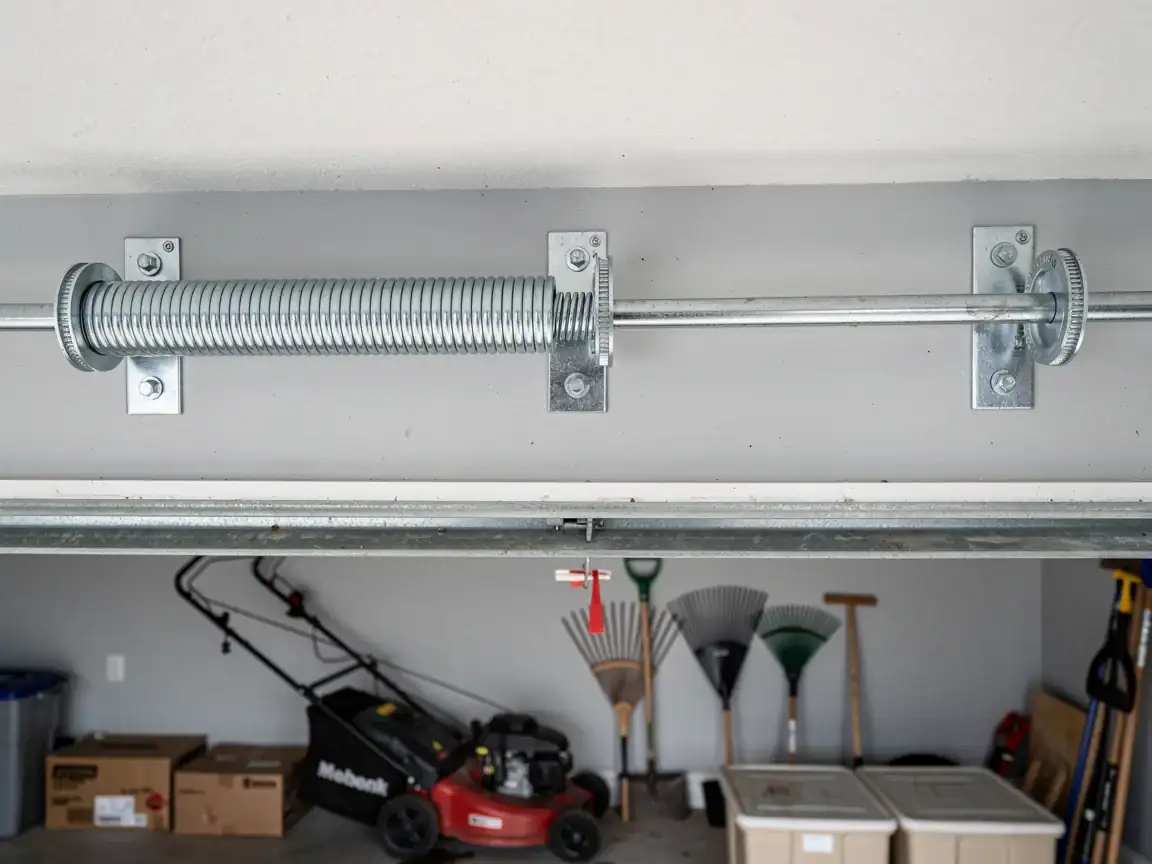
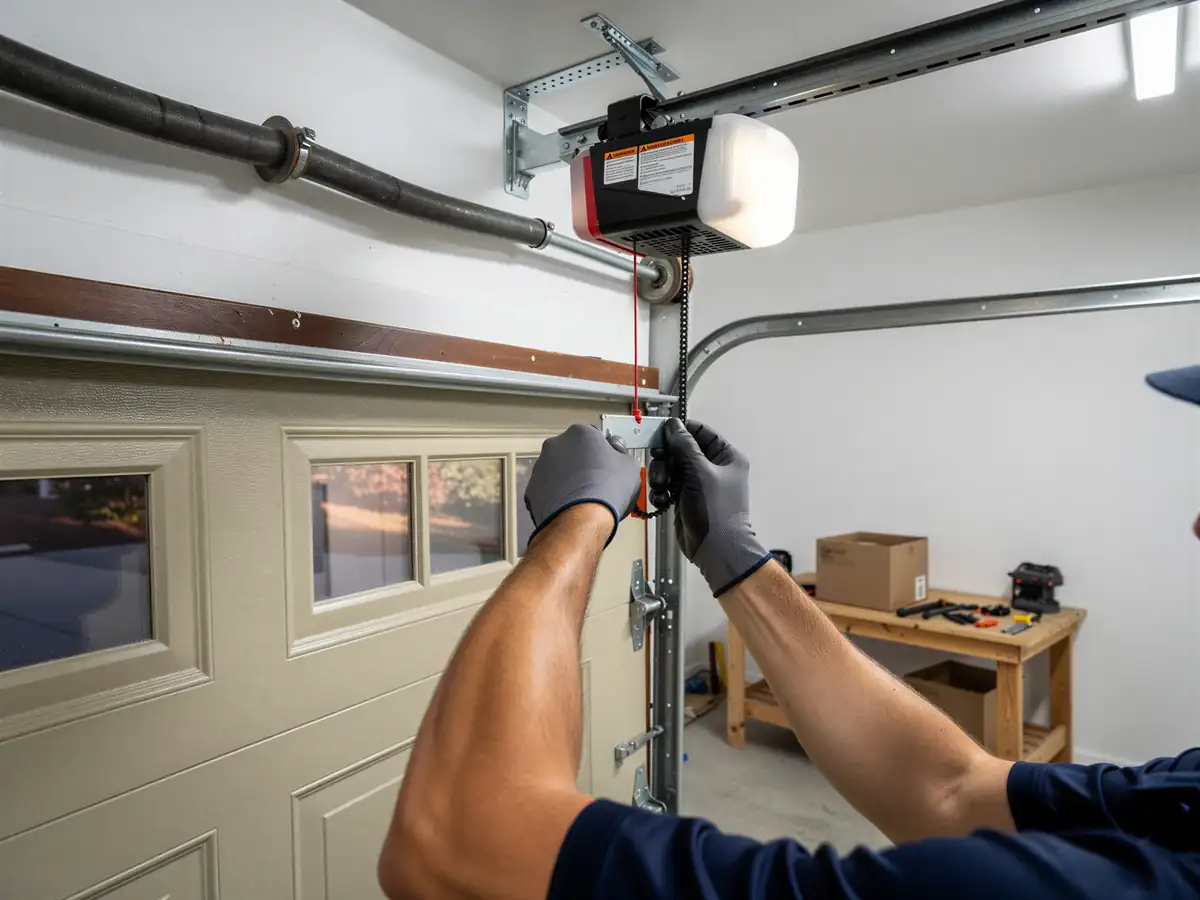
Most calls start the same way: the door won't go up, or it goes up and slams back down. In Ankeny, where housing runs from 1941 through 2009 with the bulk of it built through the 1980s and 90s, the failure usually matches the age of the house. Older torsion springs on homes from that first wave give out after years of cold-weather cycling, and the door looks fine sitting closed, then won't budge when you hit the button. On newer builds from the 90s and 2000s, it's more often a sensor knocked out of alignment or a plastic drive gear on the opener wearing through. You'll also hear it before you see it - a grinding or popping noise on the way up is usually a roller or a cable starting to fray, not something to wait out. If the door reverses by itself a few inches off the floor, that's the safety sensors reading a shadow or a speck of dust, not a real obstruction, and it's a five-minute fix more often than not. A door that's heavy to lift by hand with the opener disconnected is a spring problem, full stop.
How We Fix It
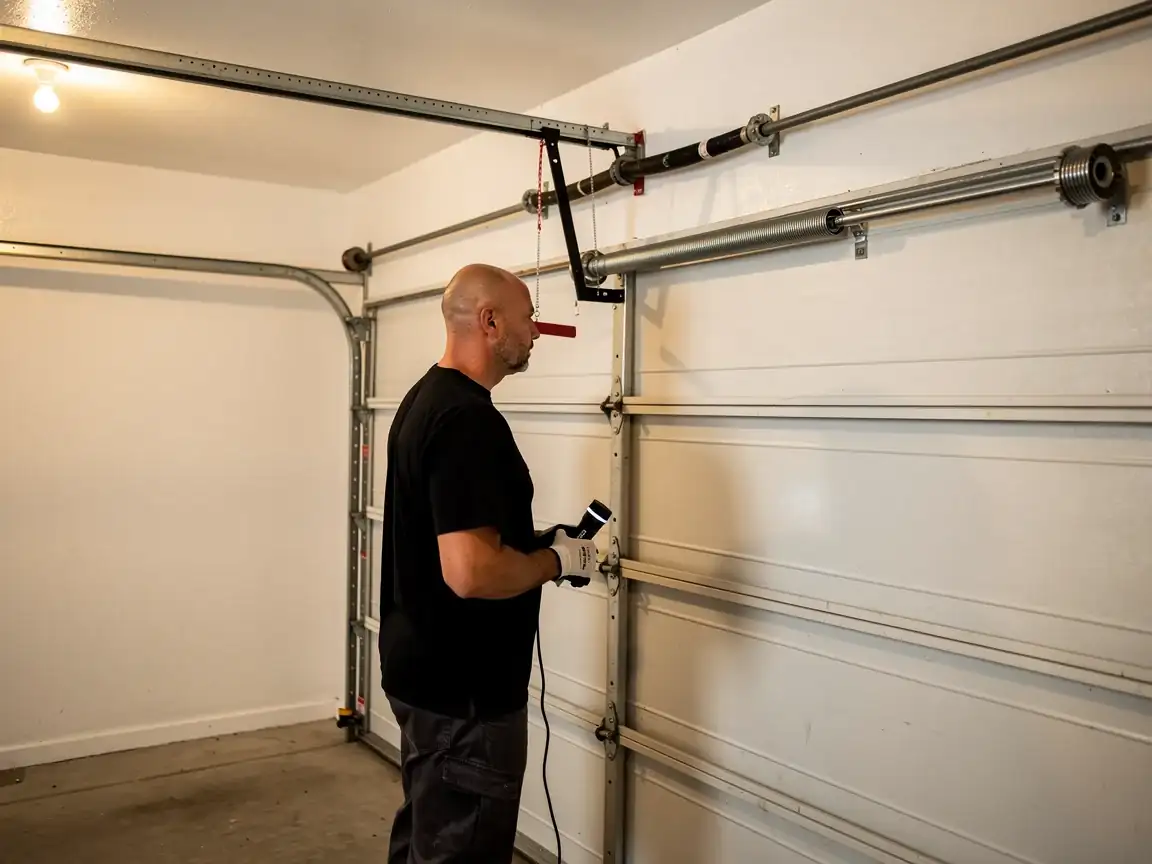
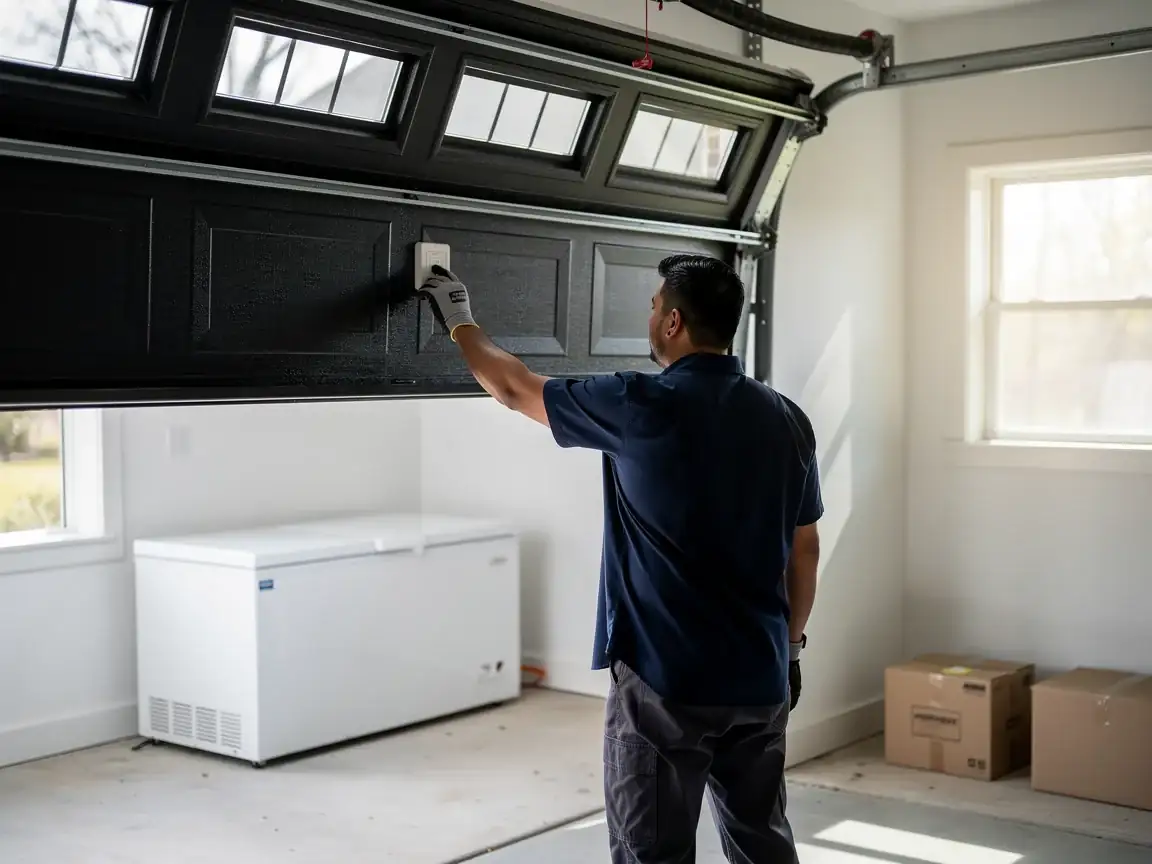
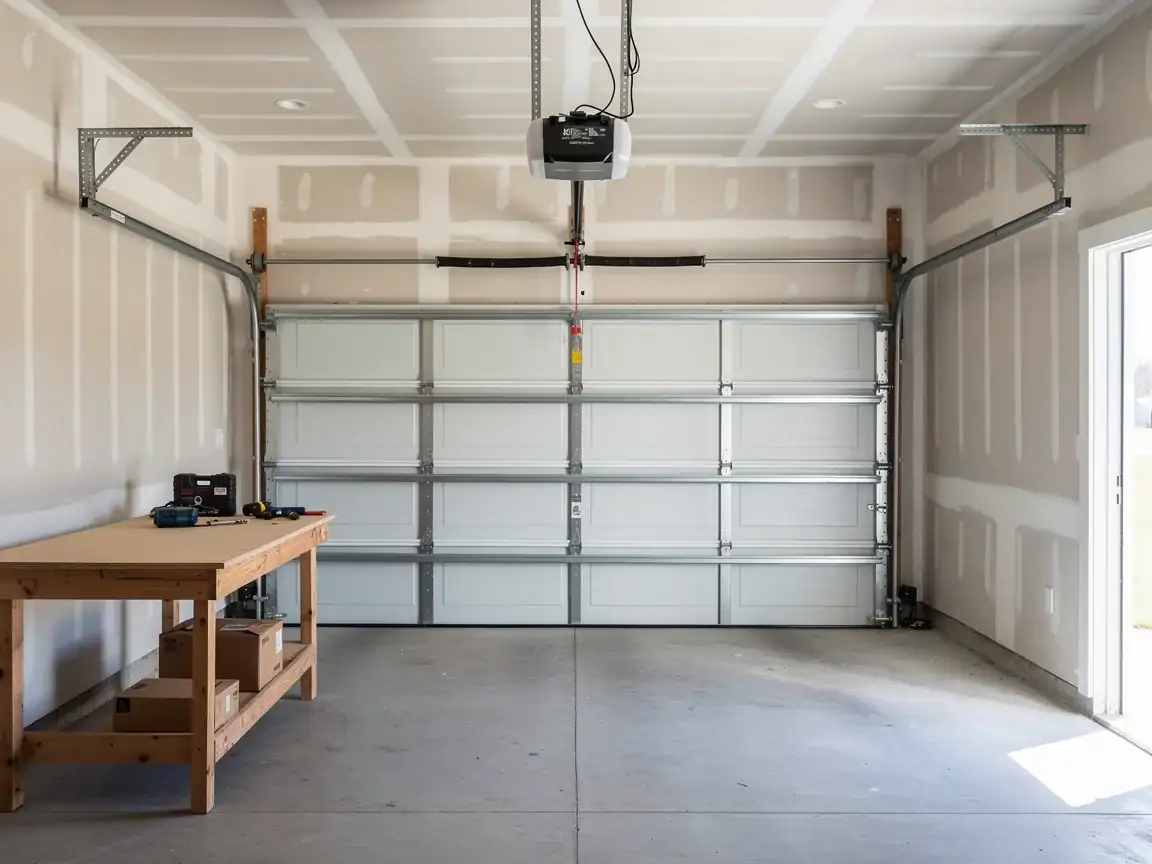
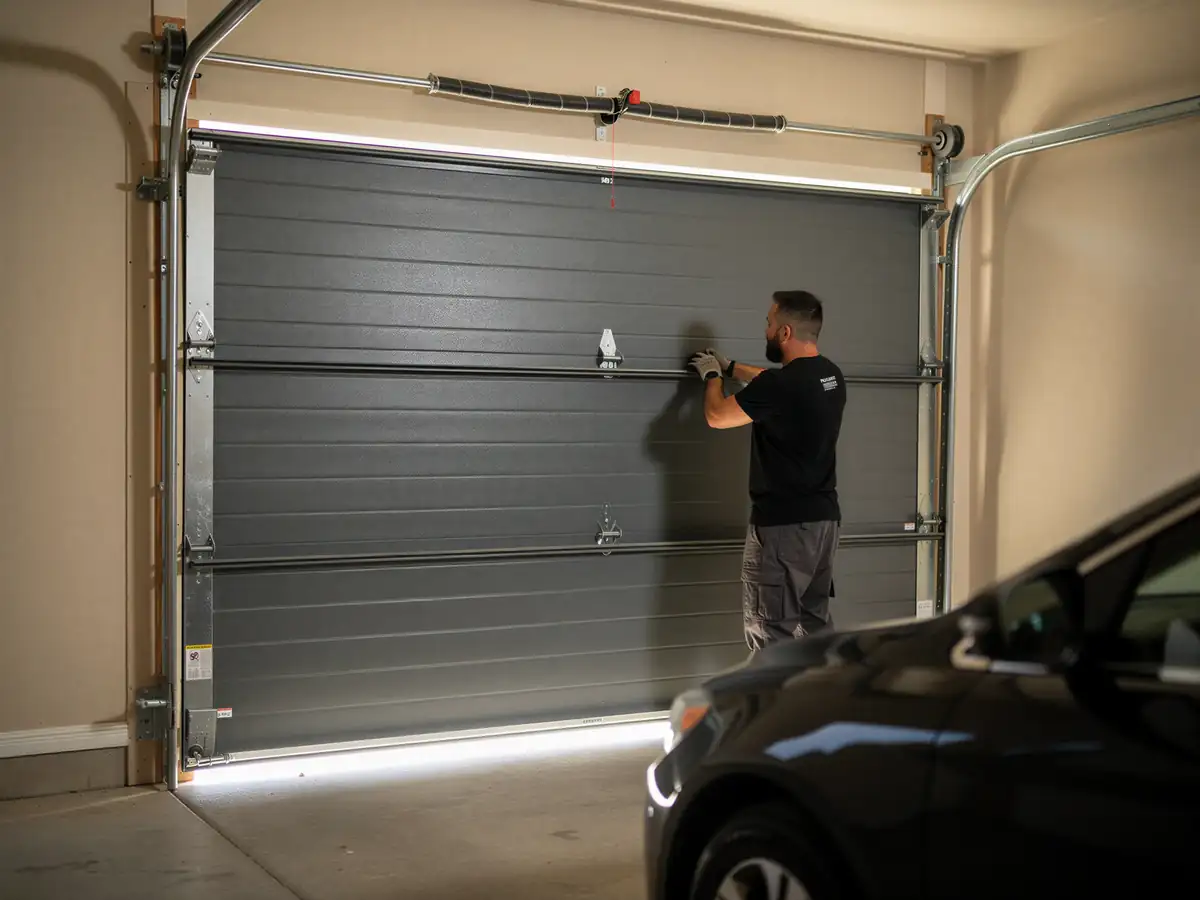
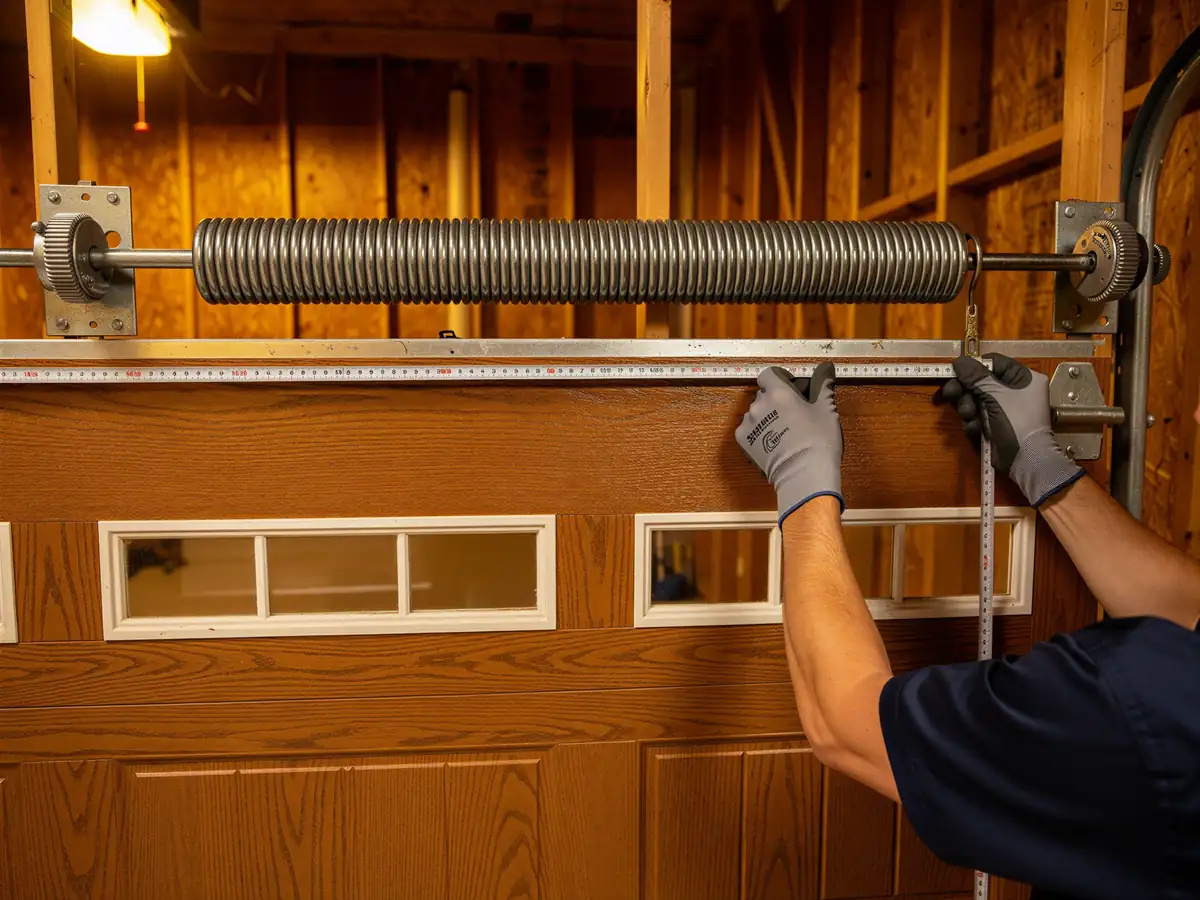
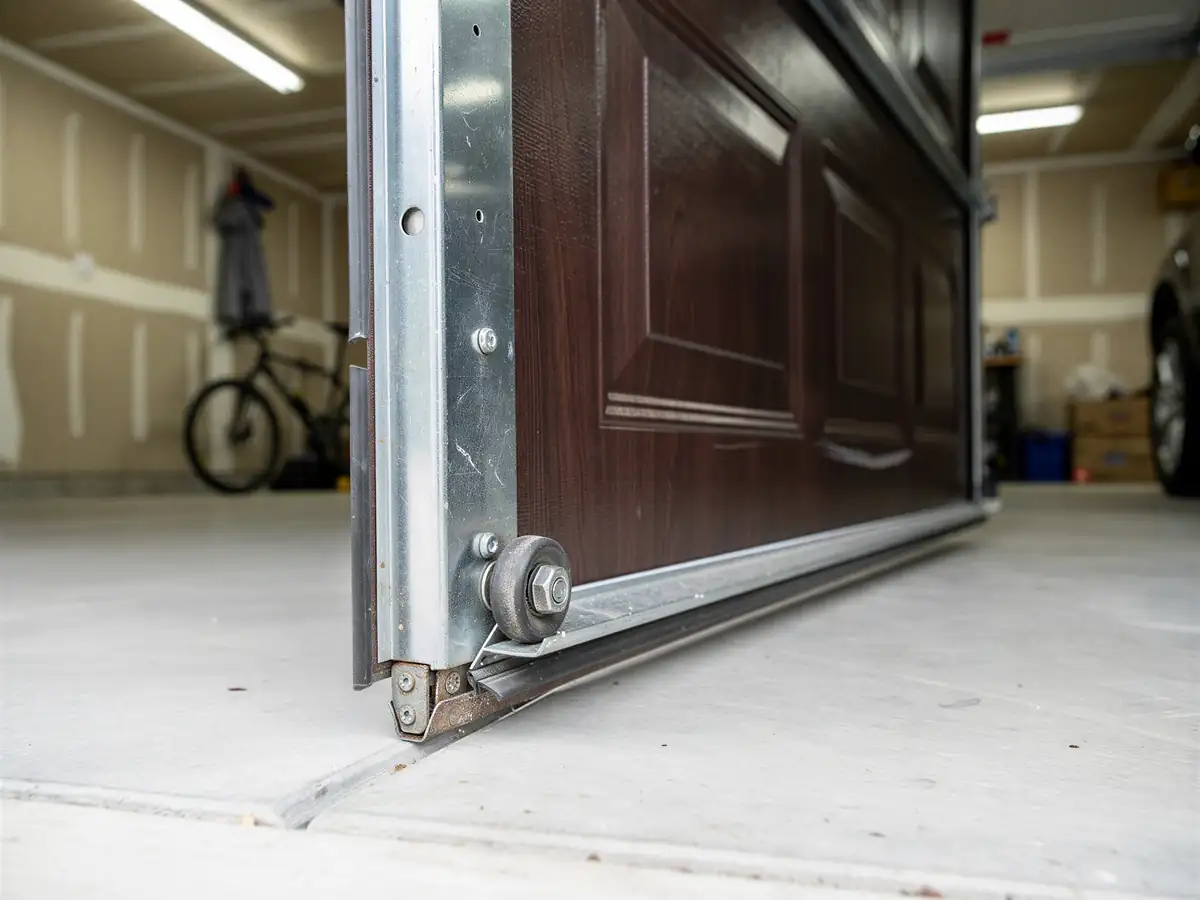
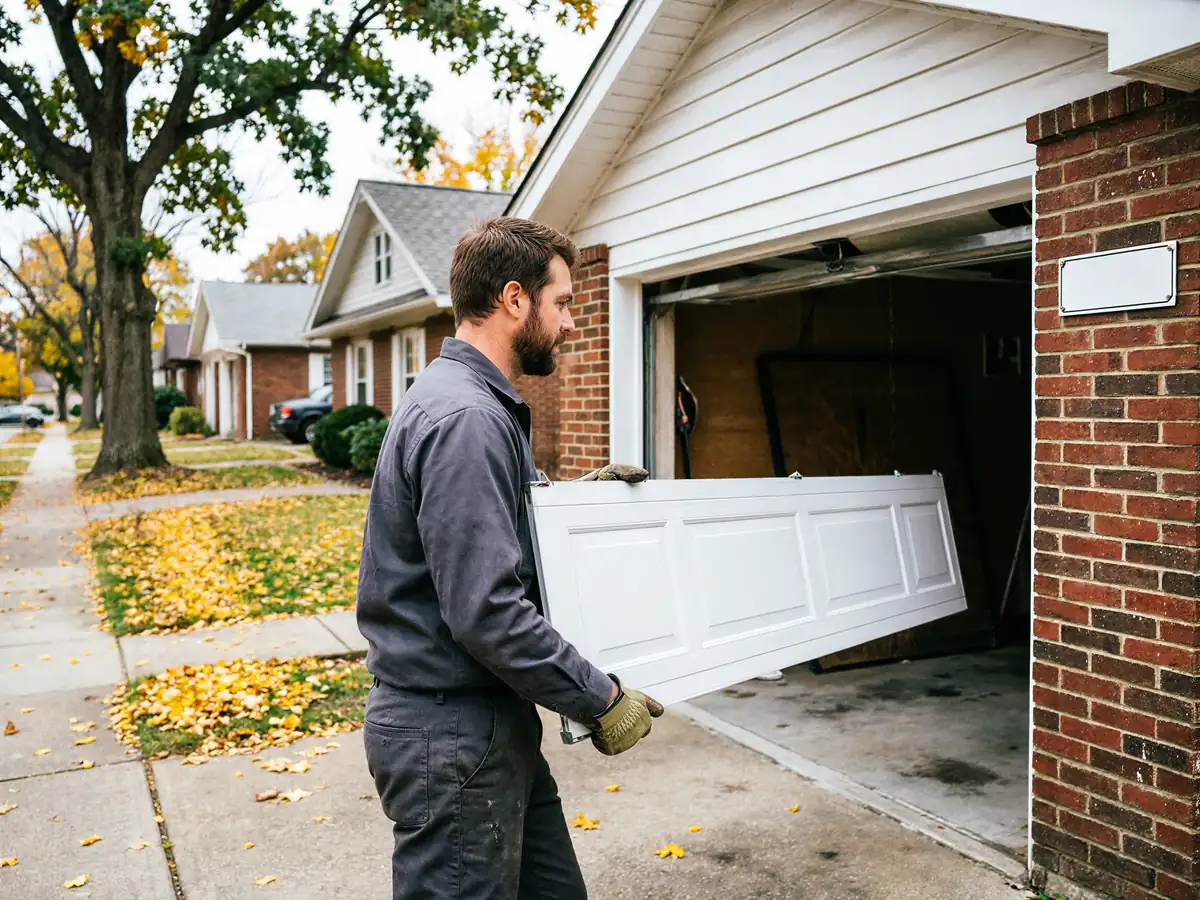
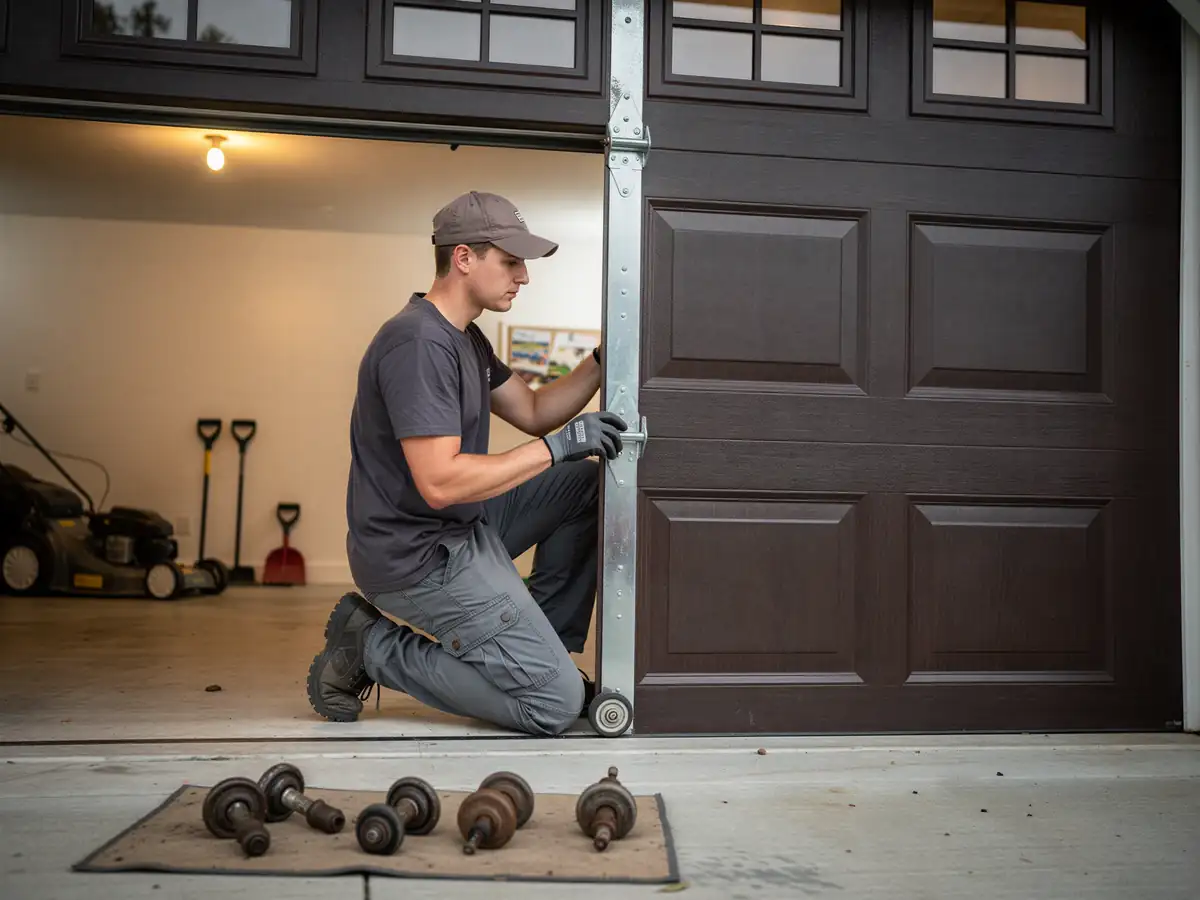
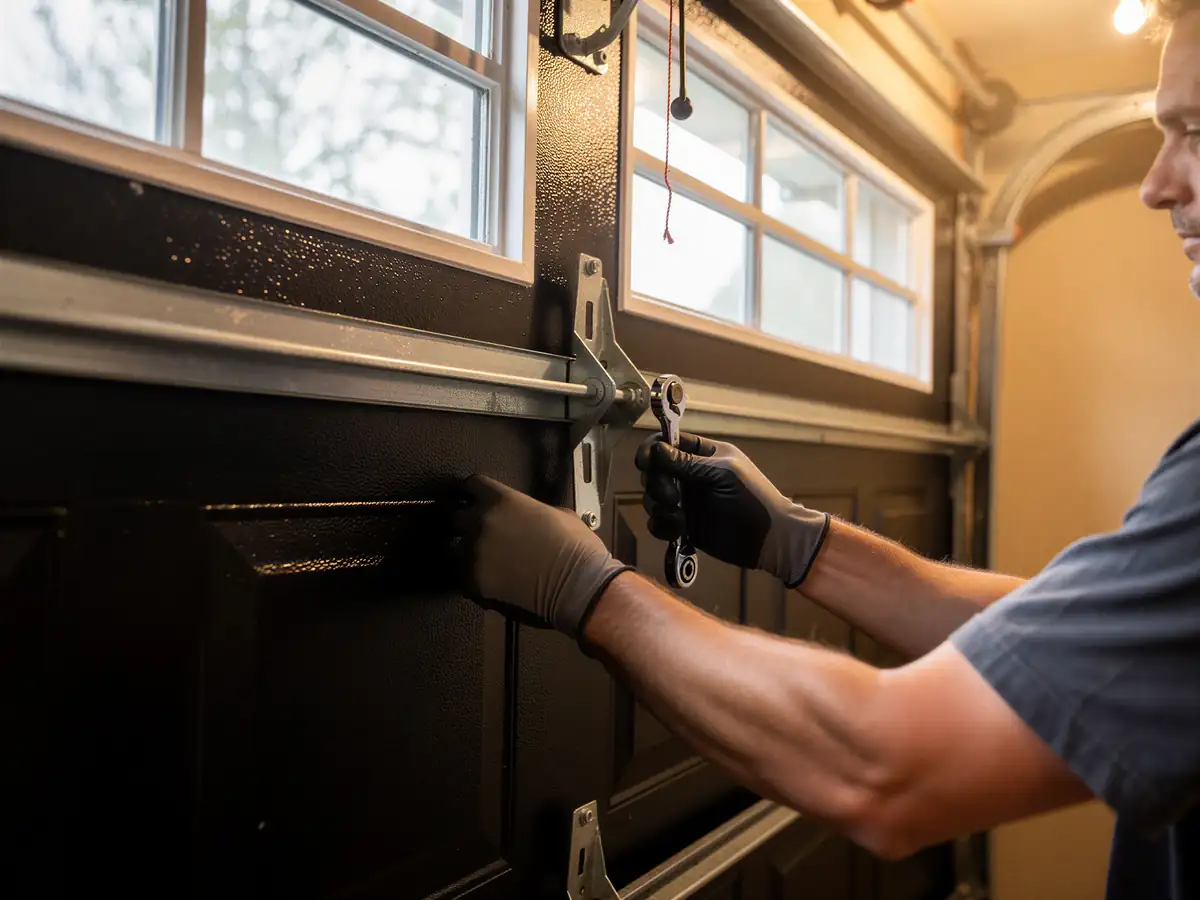
We start by running the door manually with the opener disconnected, because that tells us in under a minute whether we're dealing with a spring, a cable, or the opener itself. A broken torsion spring gets replaced in a matched pair sized to the door's weight - we don't patch one spring and leave its twin to fail next month. Frayed cables get swapped along with the drum they ride on, since a cable that's starting to go rarely fails alone. Off-track doors usually trace back to a bent roller track or a hinge that's pulled loose from the panel; we straighten or replace the track section rather than forcing the door back onto bent rail. Opener issues get diagnosed at the logic board and the drive gear before we touch a sensor, because swapping sensors first is how a ten-minute job turns into three visits. One limitation worth saying plainly: if a panel is cracked or rusted through on an older door, we'll tell you when replacement makes more financial sense than chasing parts for a discontinued model - some of those parts simply aren't made anymore.
Why This Fails Locally
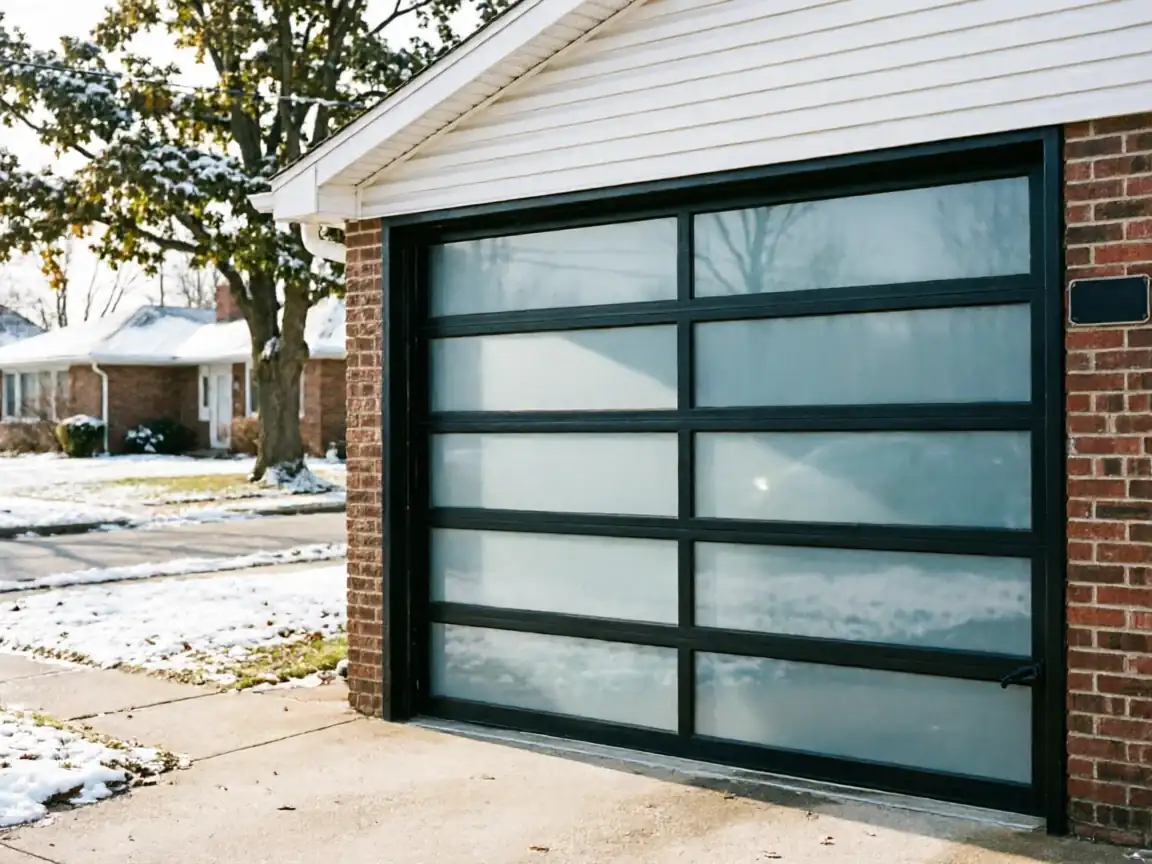
The Ankeny area's housing stock, median built year 1993, sits squarely in a band where torsion spring hardware from the 80s and 90s is now old enough to be at or past its cycle life, and that's not a guess - it's the age math catching up with the parts. Add a cold moderate climate and steel garage doors see real expansion and contraction twice a day for months at a stretch, which stresses weld points and worn rollers faster than a mild climate would. With 46,052 owner-occupied houses across the service area and a median household income of $96,354, a lot of these are owners who bought the house with the door already a decade or two old and never thought about it until it stopped working. That combination - an aging first wave of hardware, real winters, and houses bought secondhand with their original doors - is why spring and track failures cluster here rather than being spread evenly across a newer, warmer market. We also cover the nearby towns within a short drive, including Saylorville, Alleman, Elkhart, and Johnston, where the same housing-age pattern holds.