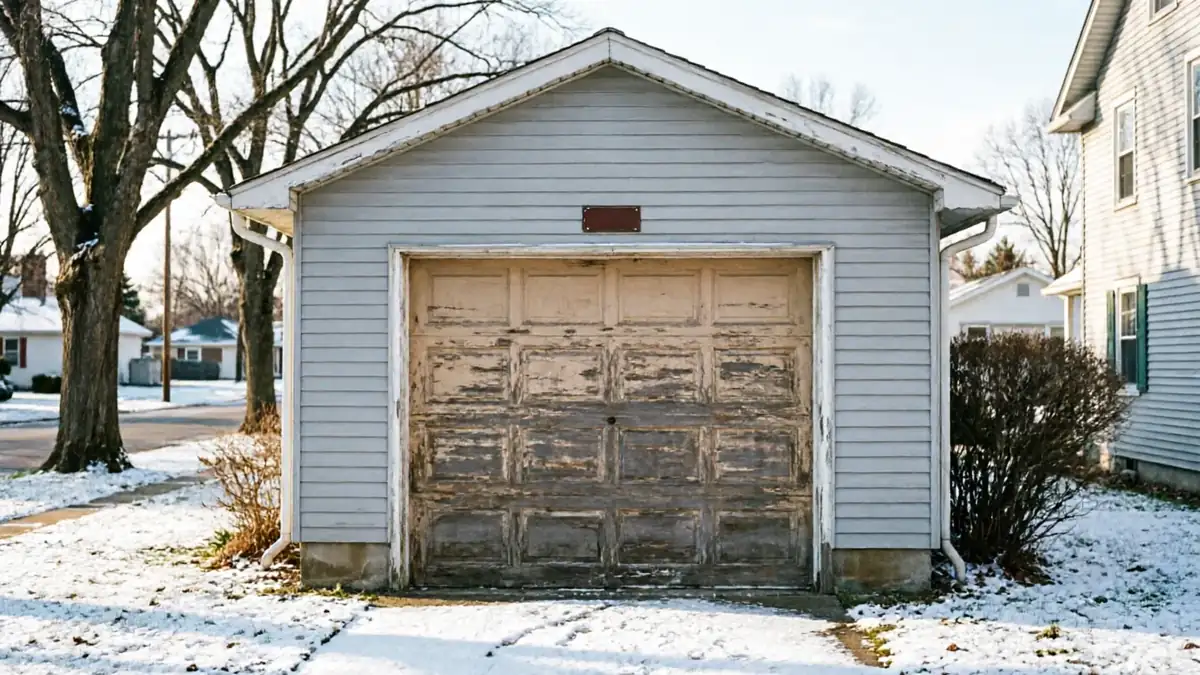
What the Weather Here Does to It
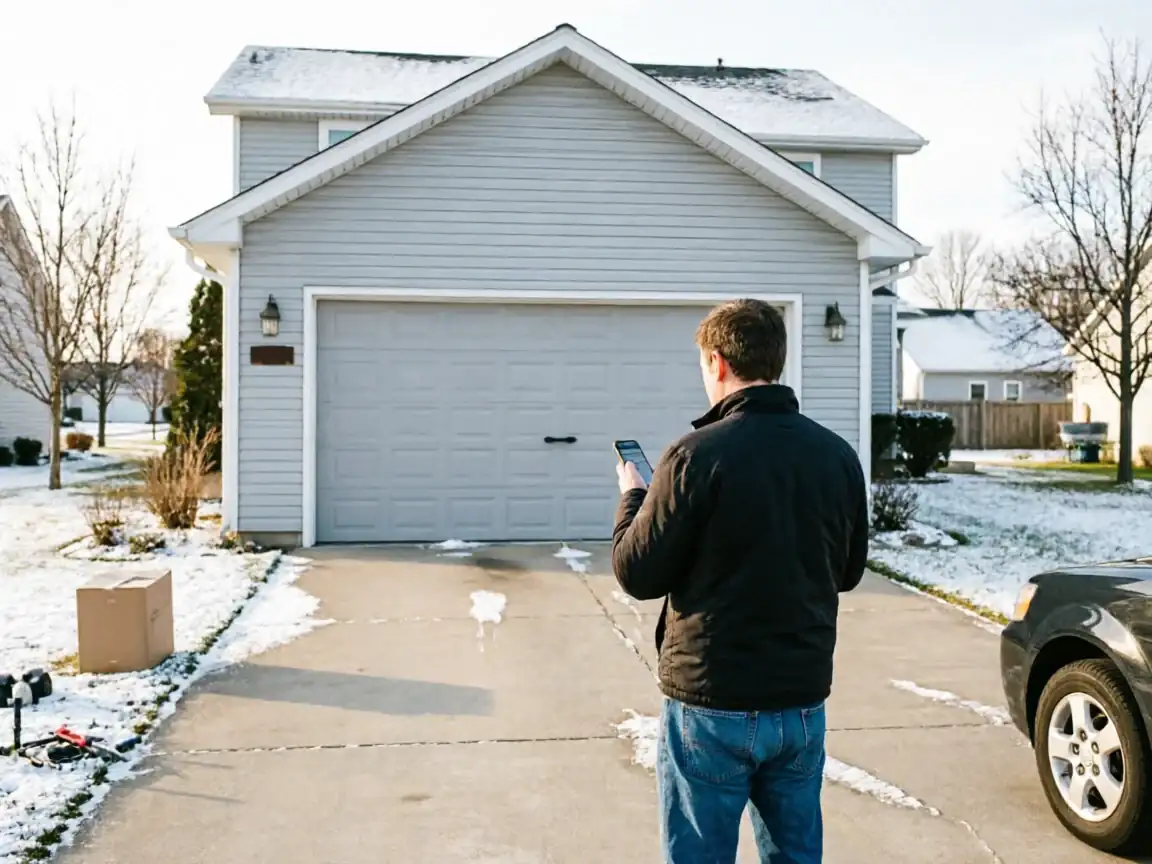
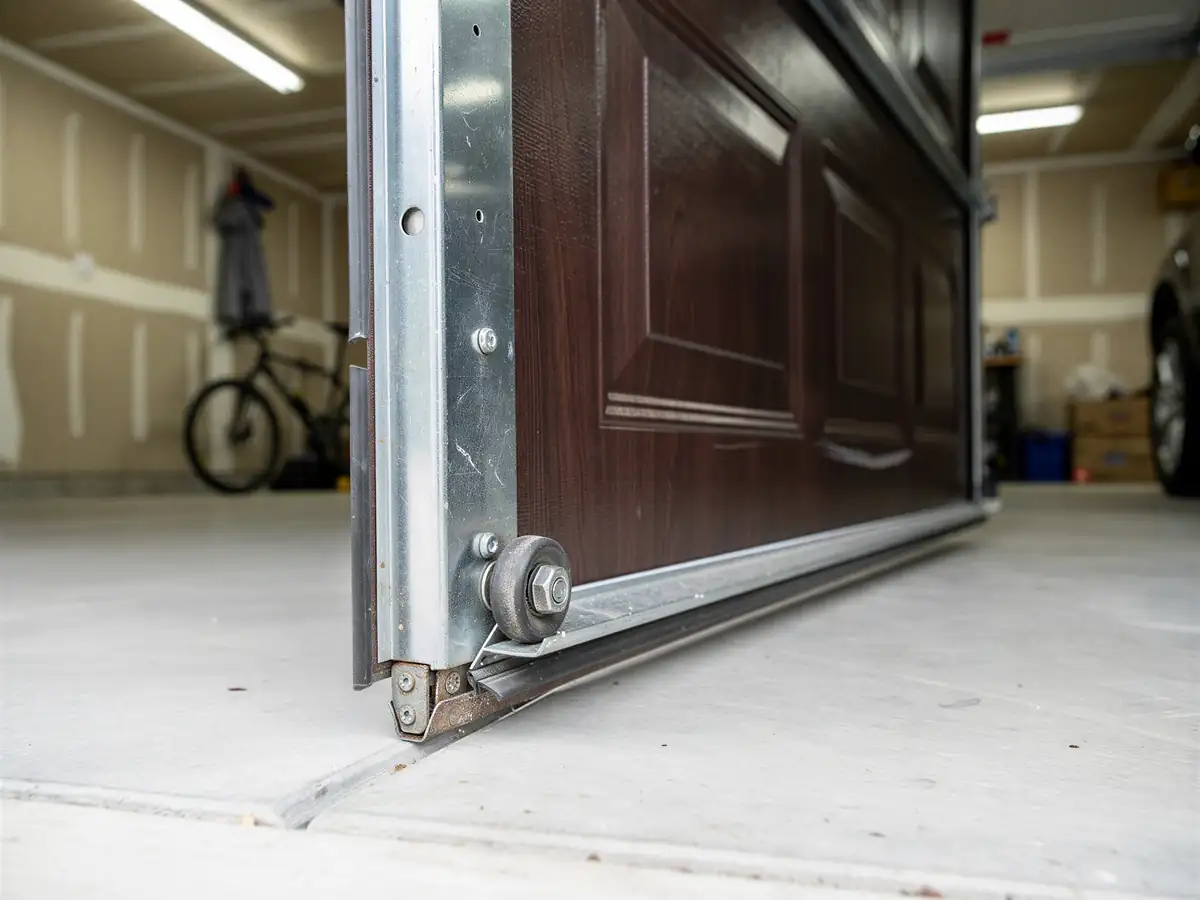
Ankeny sits in a cold moderate climate band, which means the door on your house goes through real freeze-thaw cycling every winter and real heat swelling every summer. That cycle is hard on steel panels and hard on the hardware that holds them. Steel contracts in deep cold and expands again in July, and over enough years that movement works screws loose in the track brackets and dries out the weatherstrip at the bottom panel until it cracks and lets air through.
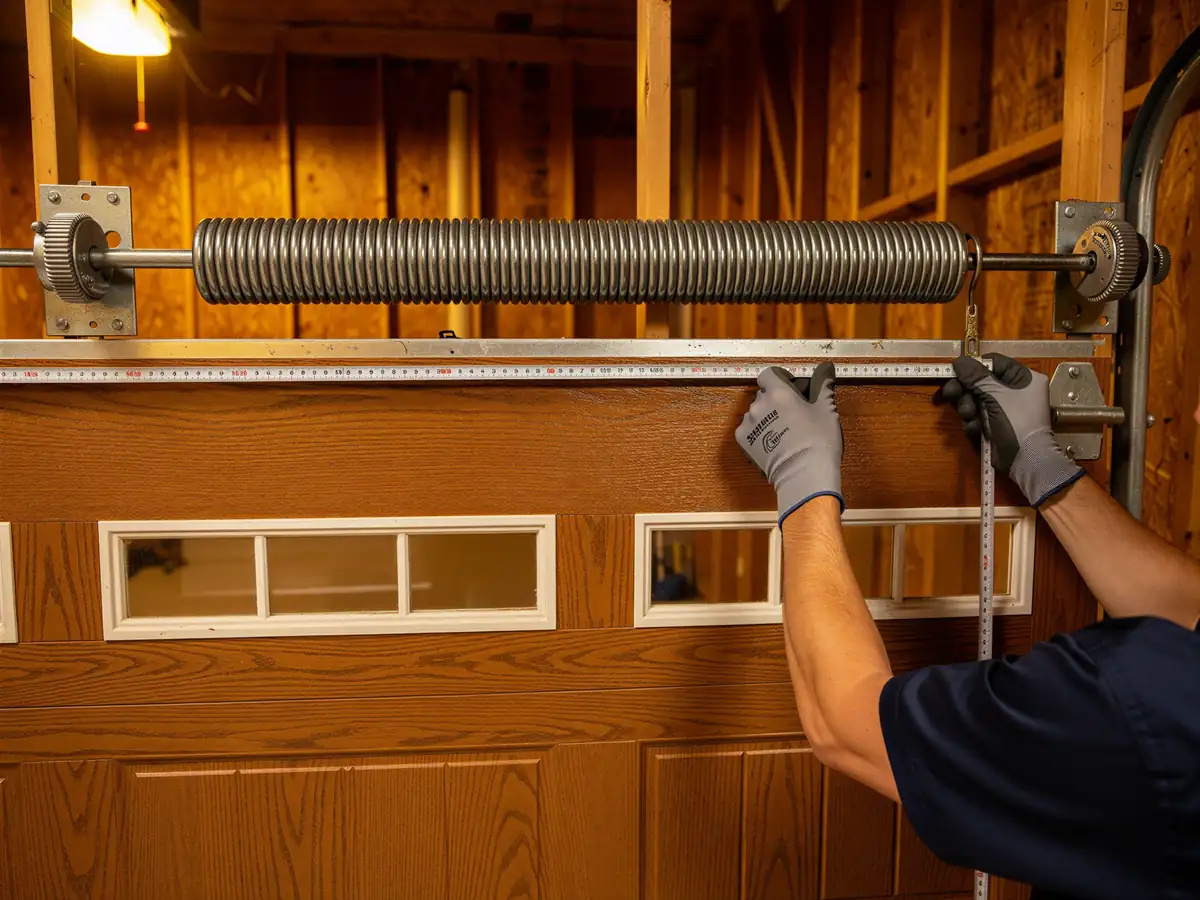
If your door was installed when the house was built, and most houses in this area went up between 1941 and 2009 with the median landing around 1993, that door has been through three decades of this swing in a lot of cases. A torsion spring rated for a certain cycle count doesn't care how clean the garage looks - it cares how many times it's been wound and unwound through temperature swings that stretch the steel. Cold makes the spring stiffer and the opener work harder to pull it, which is why a marginal spring often fails on the coldest morning of the year, not a mild one.
None of this means every old door is a lost cause. It means the weather here is actively working against the parts, and that has to factor into whether a repair holds or just buys you a few more cold snaps.
What Is Going On
Across the area, the housing stock is mostly 1980s and 90s builds spread across the named neighborhoods and surrounding towns. That matters for doors because garage doors from that era were built to a different standard than what gets installed today - thinner steel skins, less insulation, simpler roller and track hardware. A door from a 1980s build isn't automatically bad, but it was never designed with the same tolerances as a door going in now.
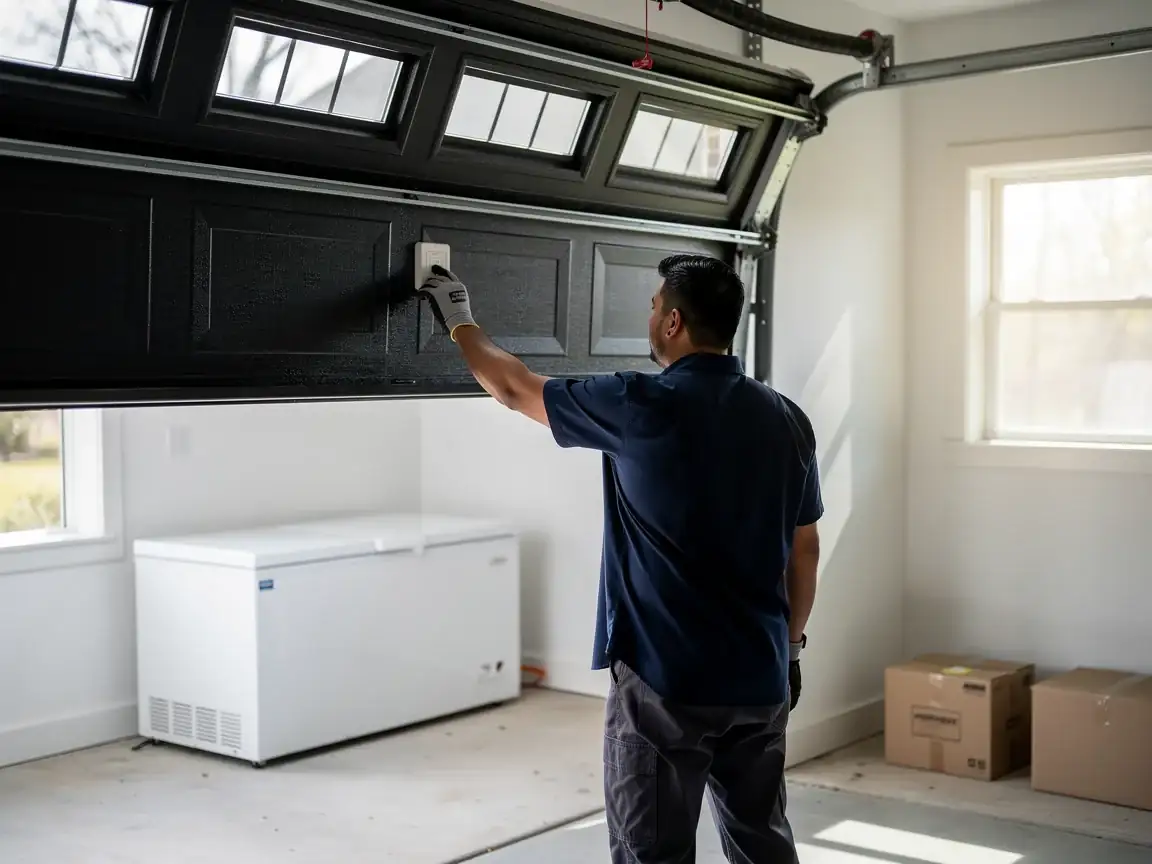
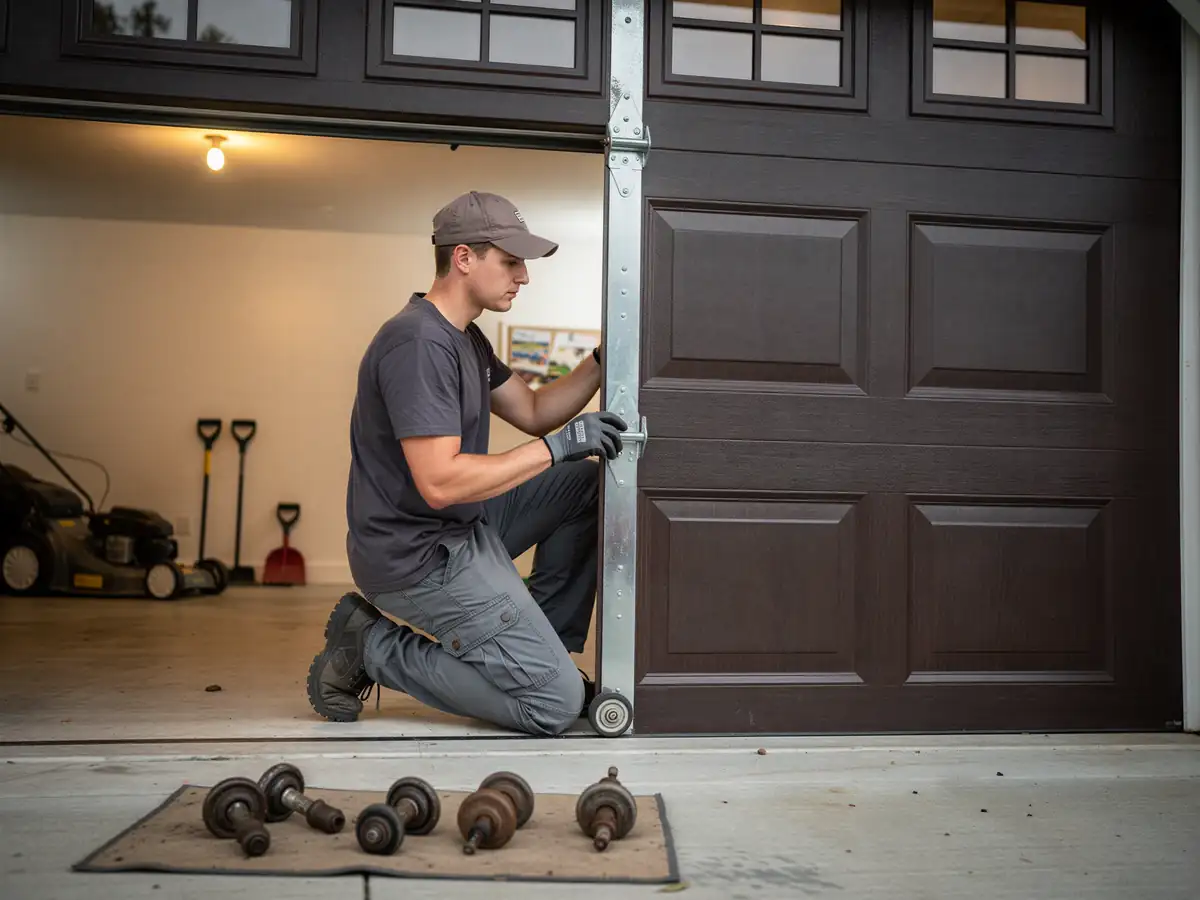
What we're usually looking at when we get a call on an older door is one of a few things: the torsion spring has lost tension and the opener is straining to lift weight it shouldn't have to lift, the rollers have worn grooves into the track that make the door bind on the way up, or the bottom panel has taken enough freeze-thaw flexing that the seam is starting to separate. Any one of those is a repair. Two or three happening at once on a door that's been in place since the house was built starts to look like a door at the end of its service life rather than a door with one broken part.
What to Look At First
Start with the spring, not the opener
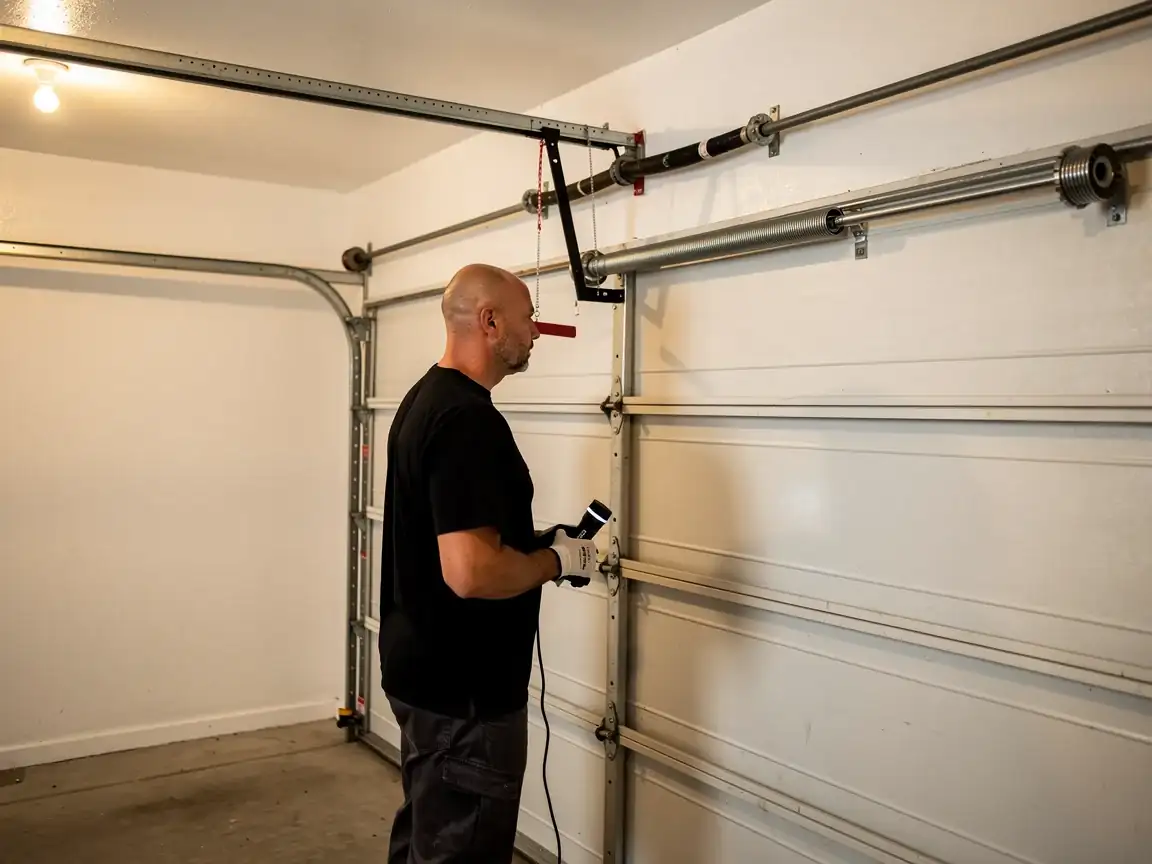
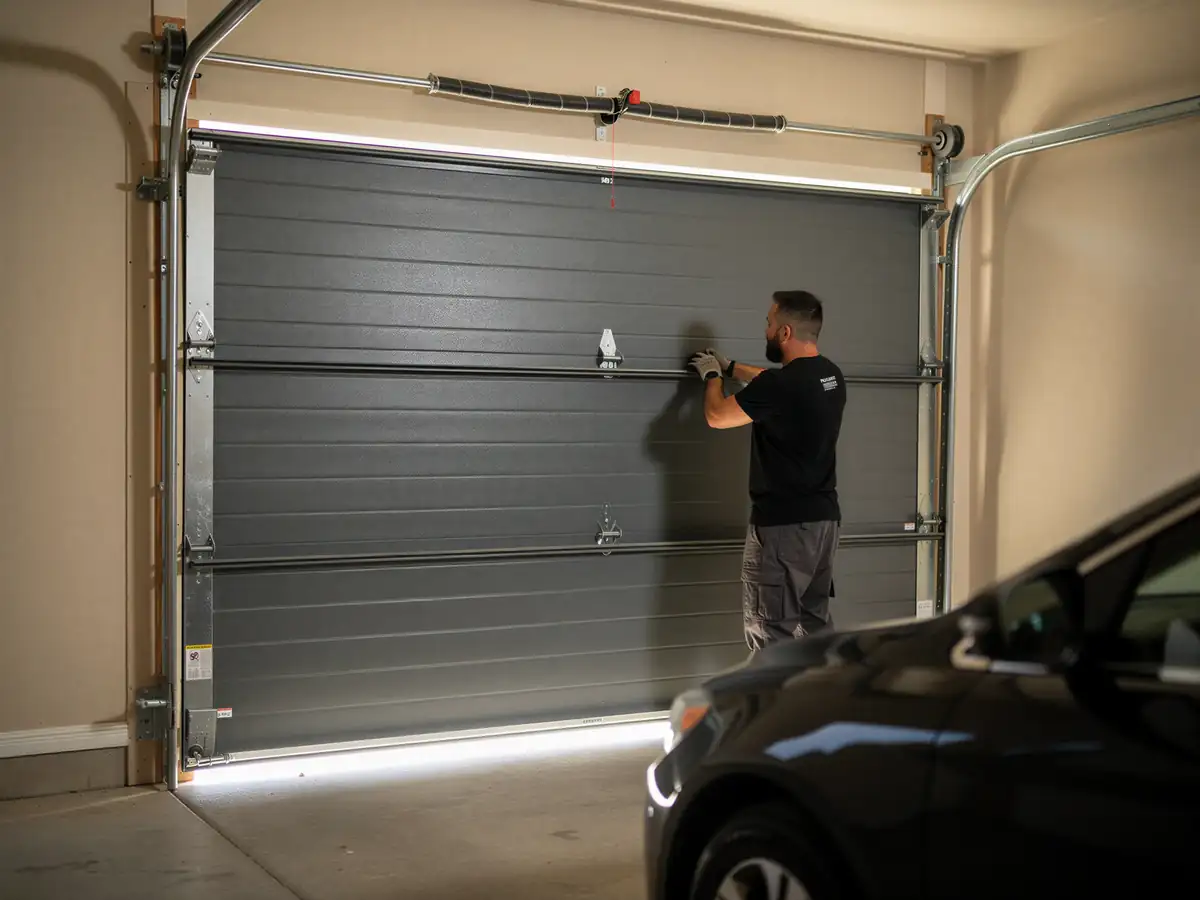
If the door feels heavy when you lift it by hand with the opener disconnected, the spring has lost tension and the opener has been covering for it - probably for longer than you'd like. That's a straightforward repair on most doors from the 1980s-99 era, as long as the drum and shaft underneath aren't rusted or warped from years of cold-season condensation in the garage.
Next, run your hand along the bottom panel seam and the weatherstrip
If the steel skin is separating from the frame or the stripping is cracked and stiff rather than flexible, that's a sign the freeze-thaw cycling we get here has been working on it for a while. A cracked seal you can usually replace. A separating panel skin usually can't be patched in a way that holds.
Last, check the track alignment by eye
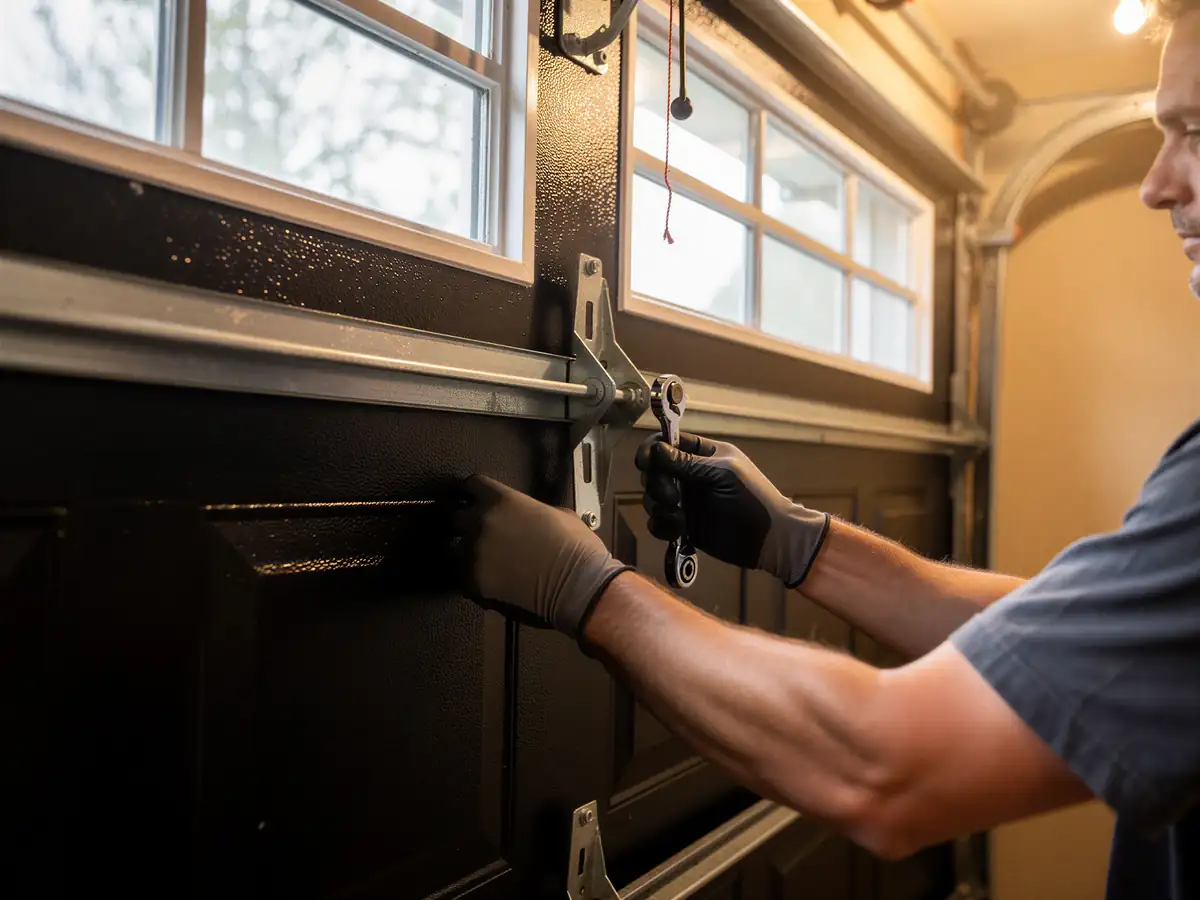
Grooved or shiny wear spots on the rail where the rollers ride tell you the hardware has been working loose and binding for years, not months.
Where People Go Wrong
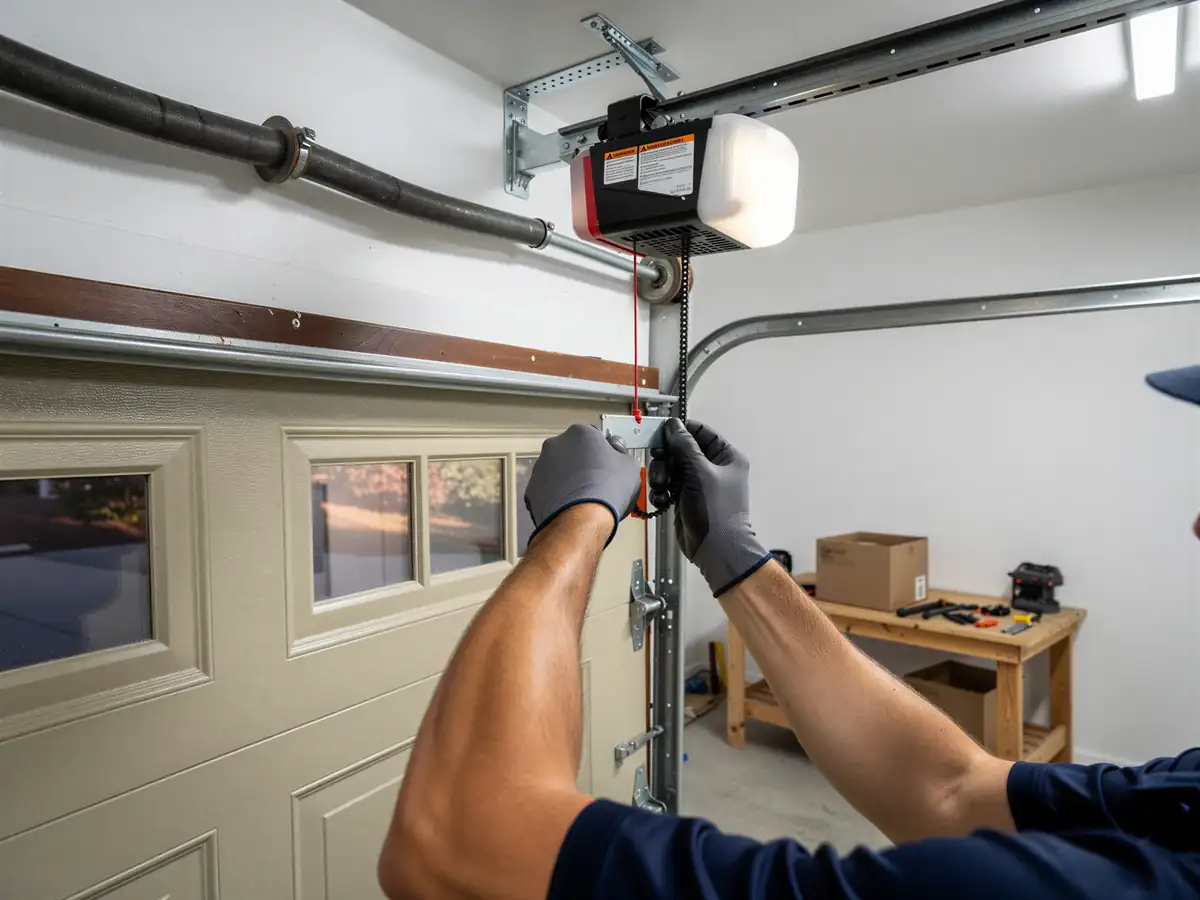
The most common mistake we see on an older door is replacing the opener first because that's the part that makes noise, while the spring underneath is still the one doing the real work and failing. A new opener bolted to an old, under-tensioned spring just means a stronger motor straining against the same bad math - it'll wear out faster, not slower.
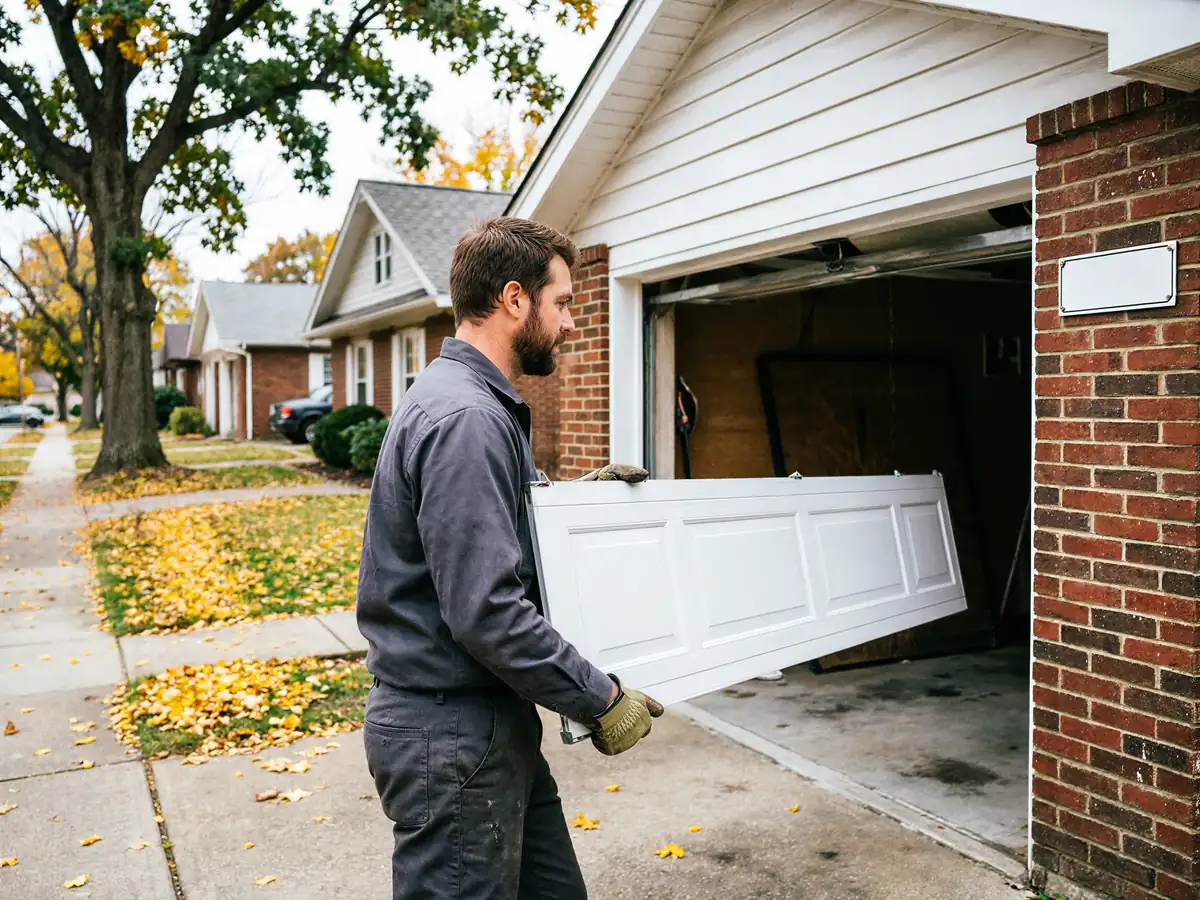
The second mistake is patching a door that's past it because the patch is cheaper up front. If a door built in the 1980s or 90s has a separated bottom panel, a warped track, and a spring that's already been replaced once, putting another new spring into that same frame is spending money to extend a door that's going to need the next thing fixed within a year or two anyway. At that point the honest math favors replacement, not another round of parts.
We'll say plainly: not every repair is worth doing, and we'll tell you when we think a door's worn frame means a repair won't hold, rather than sell you a part that's going to come back to us in six months.