Doing It Yourself
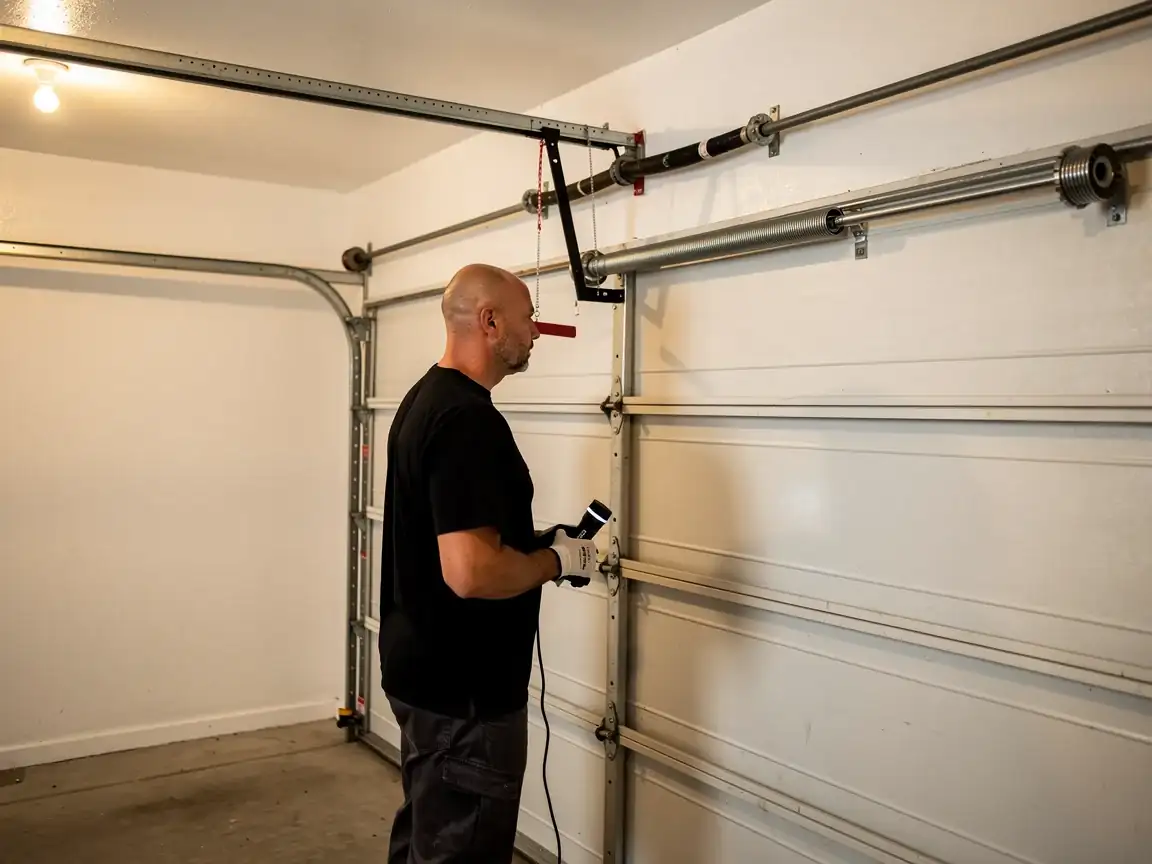
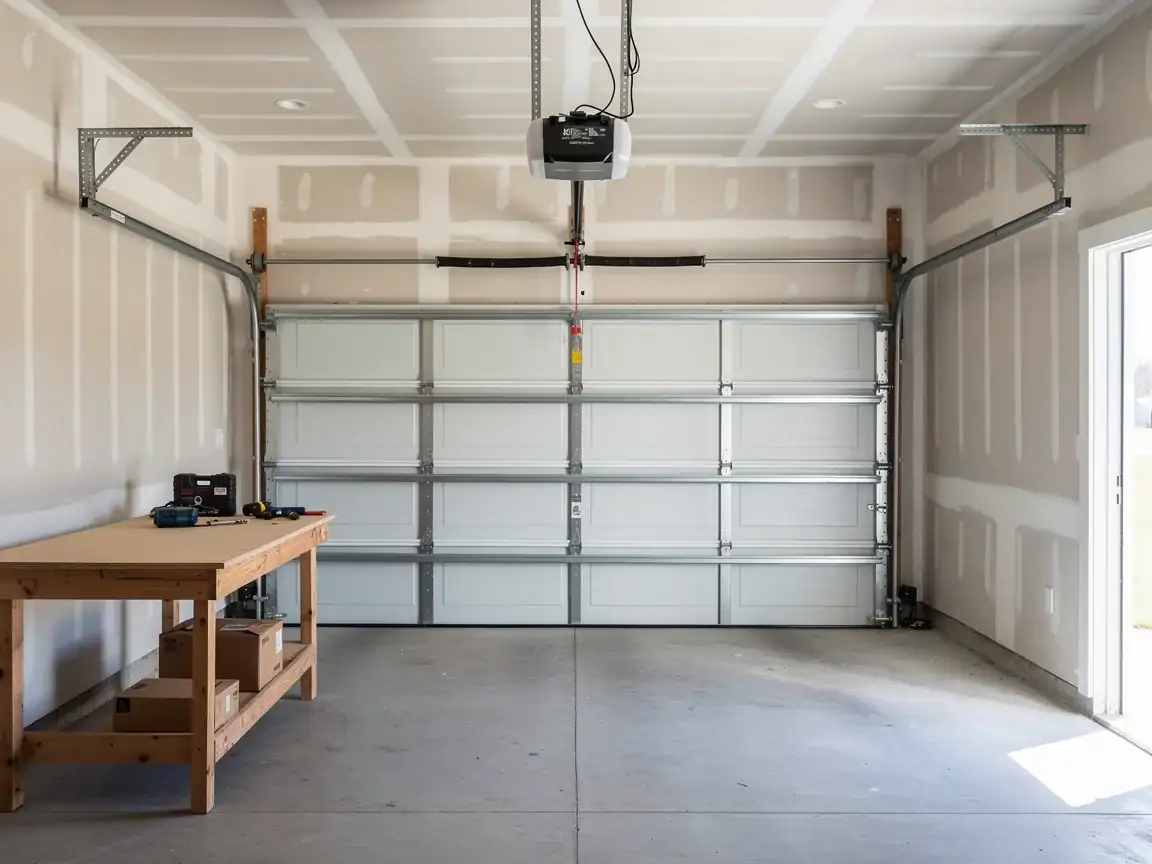
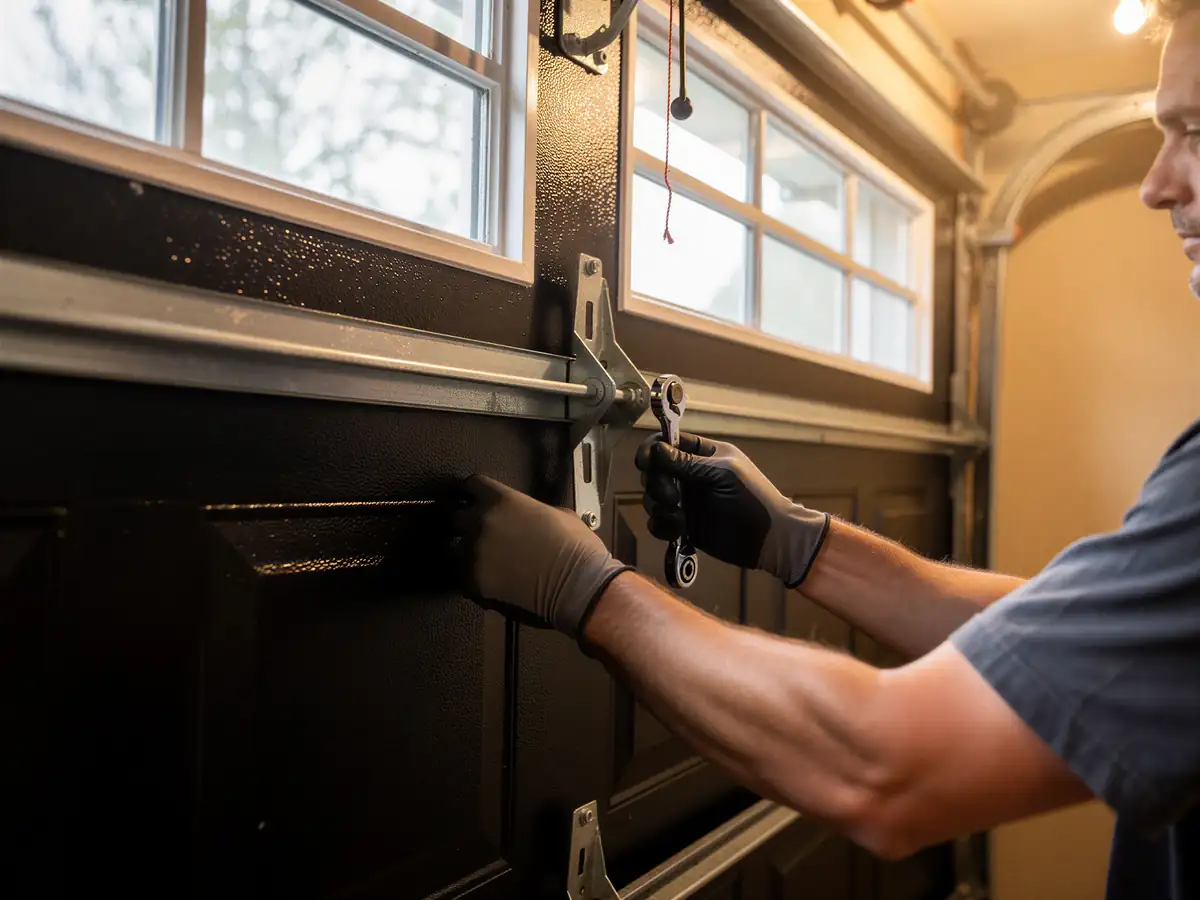
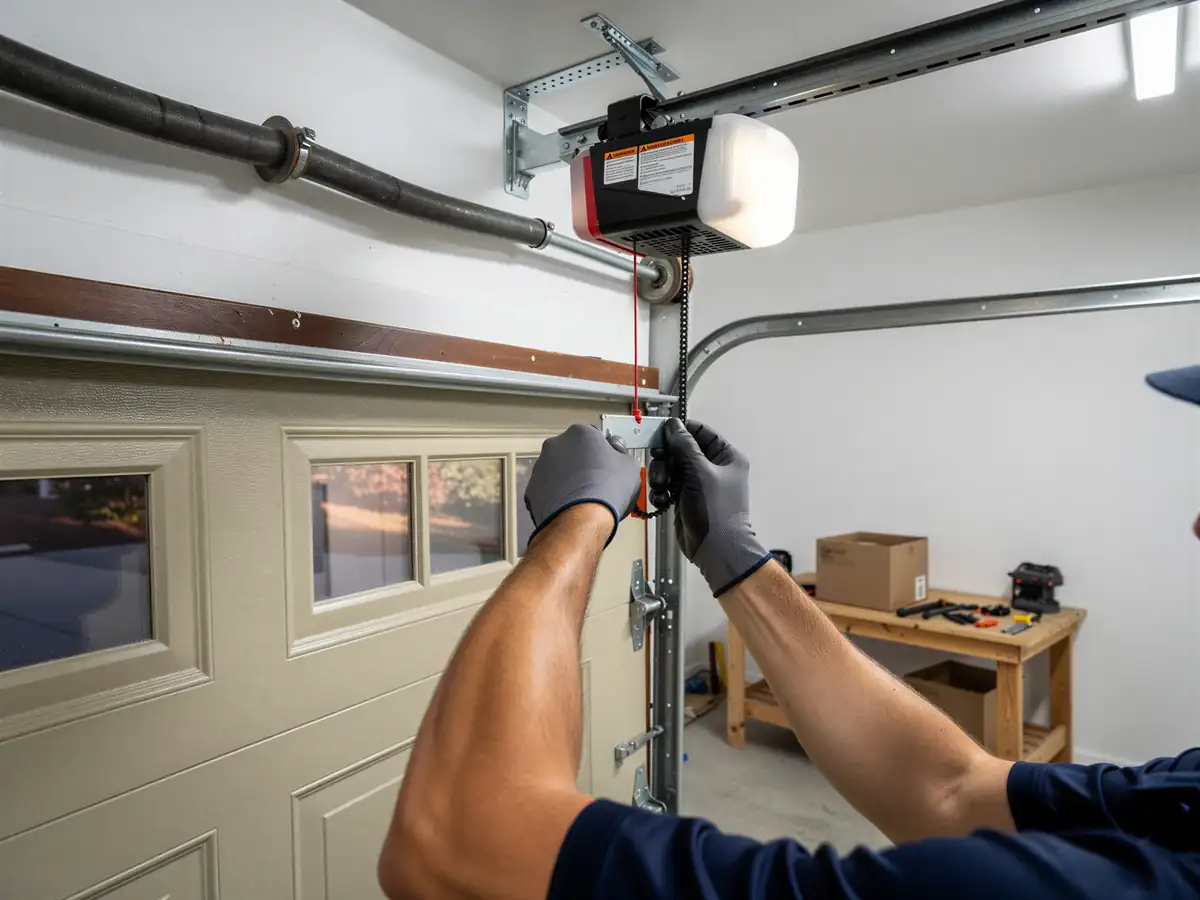
Saylorville's median household income sits at $80,250, lower than the $96,354 median across the wider Ankeny service area we work in. That gap matters here because it's the number that decides whether a homeowner reaches for a big-box opener kit or calls someone. A DIY chain-drive kit looks cheap on the shelf, but most of the houses in this pocket were built around 1983, and that era's garage framing often has a header that wasn't set up for a modern opener bracket. You end up adding blocking, re-running a circuit, or fighting a track angle the instructions never show. None of that is impossible to do yourself. It's just the reason a Saturday project turns into two Saturdays. If you've wired a switch before and own a stud finder, the mechanical part of hanging an opener isn't beyond a careful homeowner. What trips people up is matching the opener's horsepower and drive type to a door that's heavier or older than the box assumes, and that's a judgment call that's easy to get wrong once and expensive to redo.
The Cost of This Job
We don't post a flat number for this page because the honest answer depends on drive type, horsepower, and whether your door's spring setup can handle a modern opener without extra work. What we can tell you is how the local numbers shape that decision. With income here running below the service-area median, the pressure to patch an old opener instead of replacing it is real, and sometimes that's the right call. But a motor from the 1980s or 90s stock common across this part of the area is usually past the point where parts exist for it. At that point, the repair bill and the install bill start converging, and paying once for a new unit beats paying twice. The honest limitation: we don't carry every opener brand on the truck, so if you want a specific model, tell us when you call so we bring the right one instead of making a second trip.
Getting It Booked In
Call ahead rather than expecting a same-day drop-in. Because we cover Saylorville from our Ankeny base rather than running a crew that sits in town, scheduling works best when you can tell us the door's age, the opener brand if you know it, and whether the garage already has power run to it. That lets us bring the right opener and hardware on the first trip instead of guessing and coming back. If you're not sure what you have, a photo of the existing motor unit from underneath, with the model sticker visible, is usually enough for us to plan around.
Why This Fails Locally
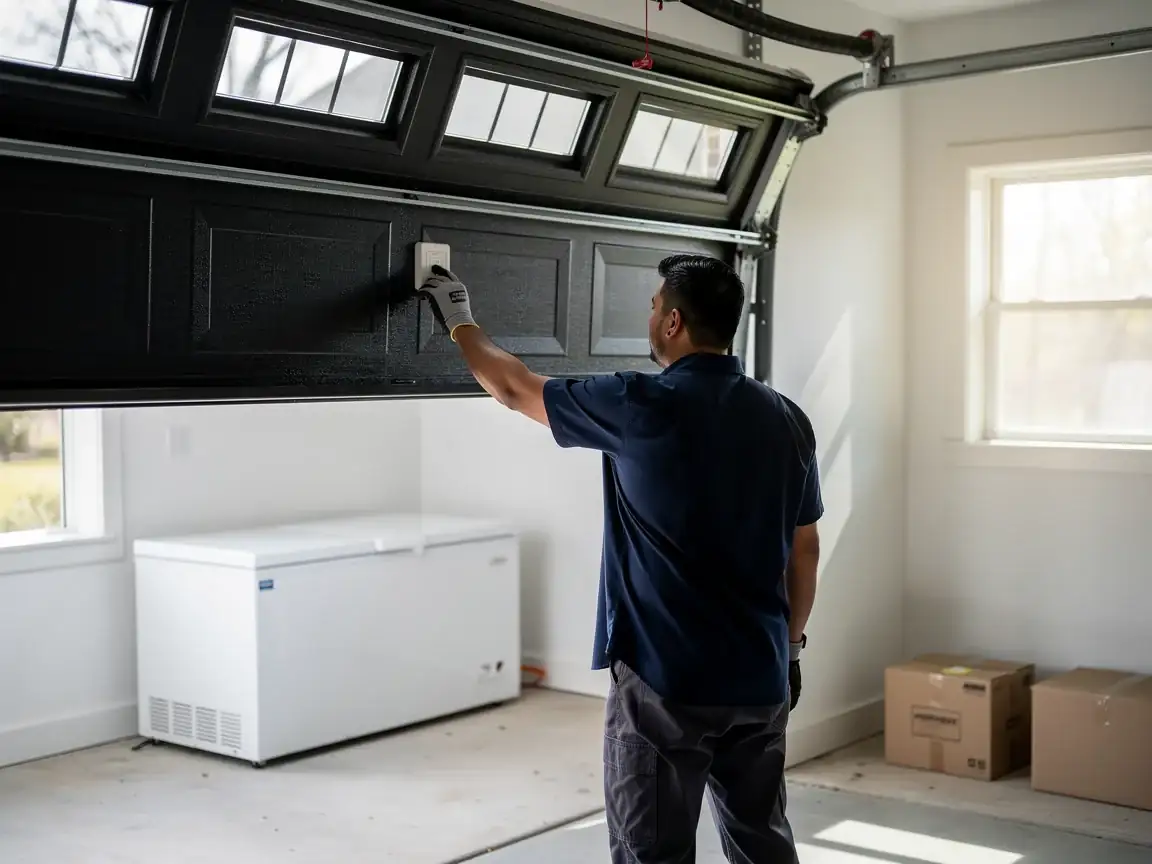
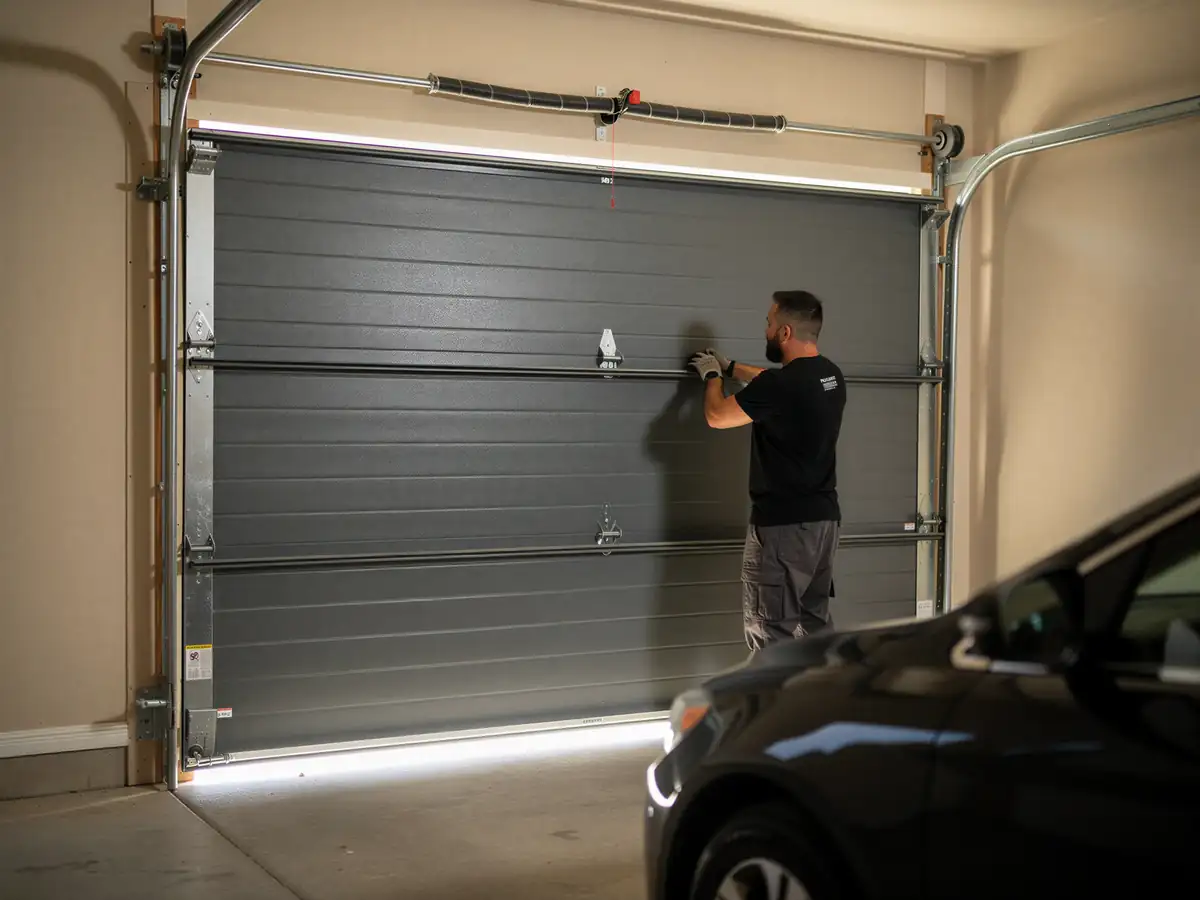
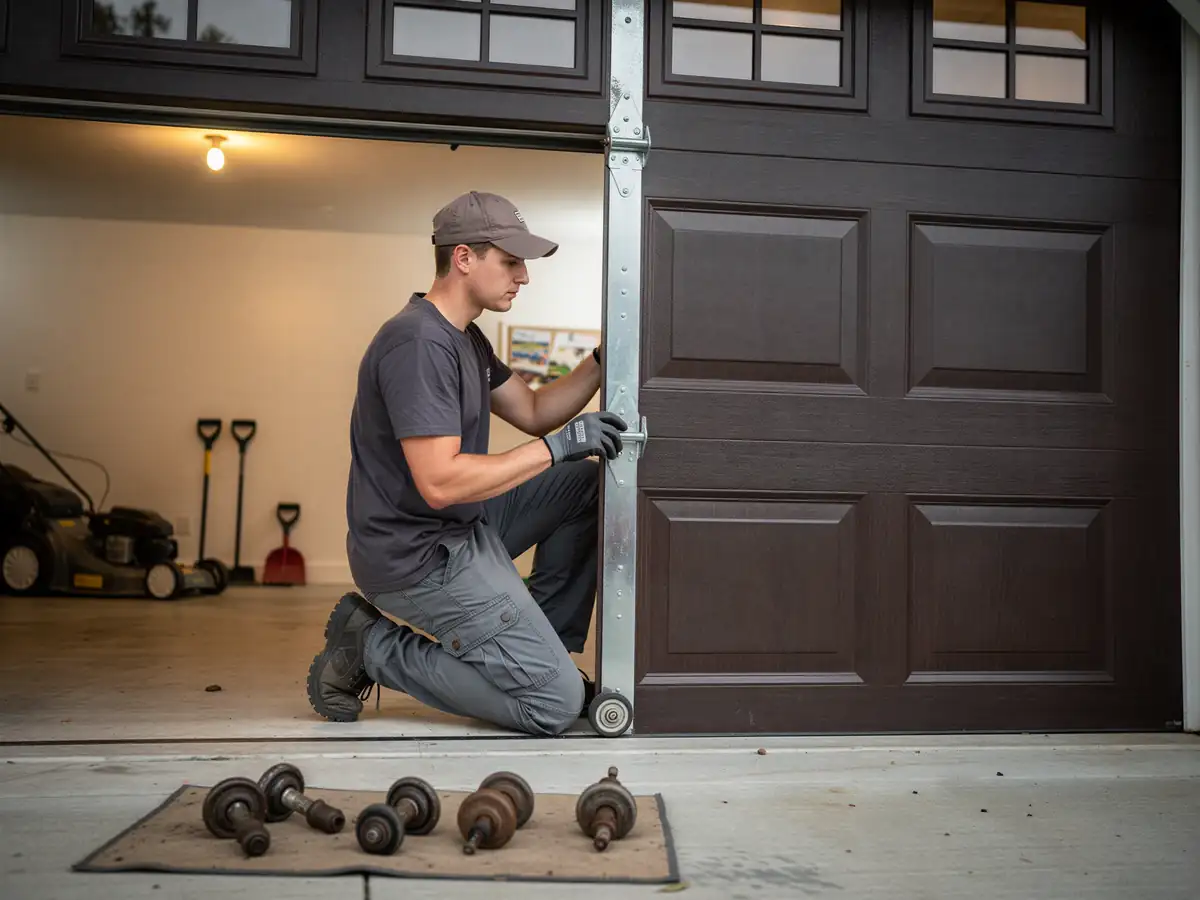
The failure pattern here traces back to the housing stock. A good share of Saylorville's homes date to the early 1980s, which puts them right in the window where garage openers were chain-drive, quarter-horsepower units built to lift lighter doors than what's often on these houses now. Over the decades, a lot of owners have swapped the door itself - heavier insulated panels, sometimes a double door where there wasn't one - without upgrading the motor that lifts it. The opener keeps working, slower and louder every year, until the gear set strips or the capacitor gives out. That's a 1983-era problem, not a universal one; newer subdivisions in the service area with doors and openers installed together in the same decade don't see it nearly as often.