What the Weather Here Does to It
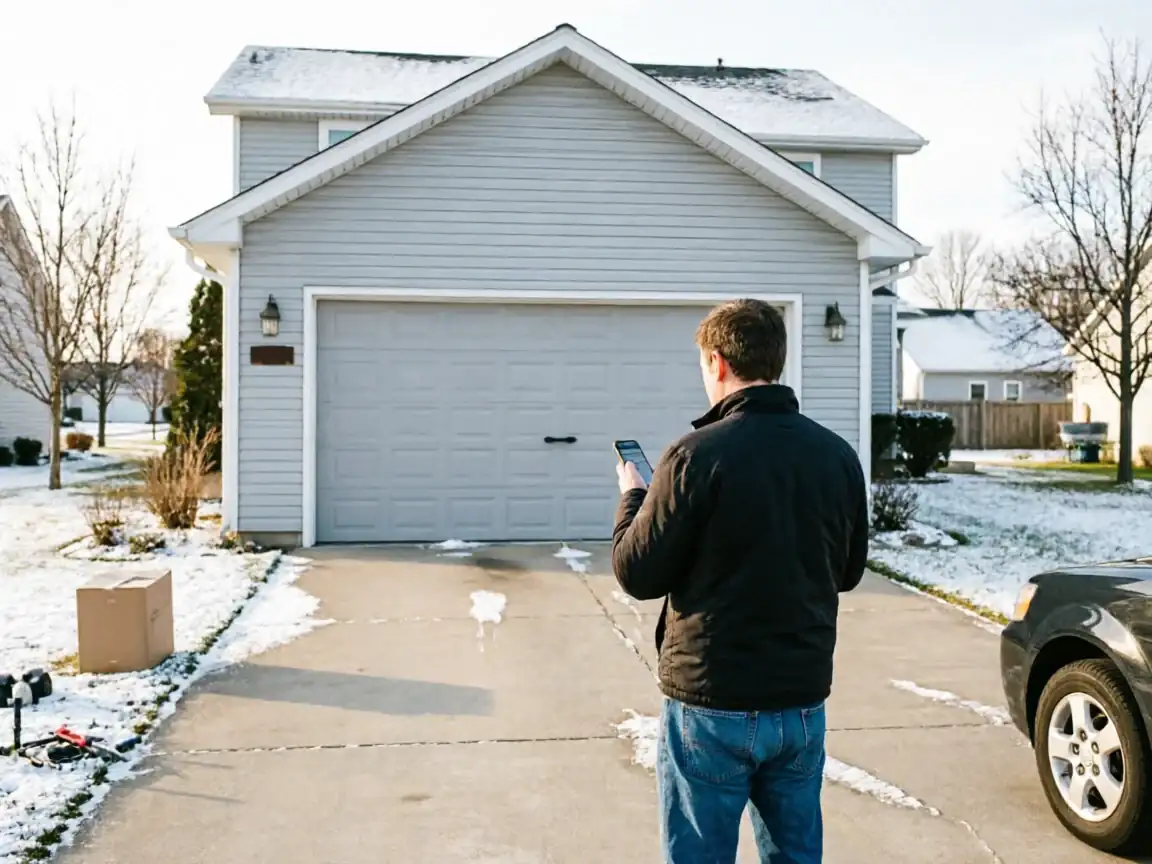
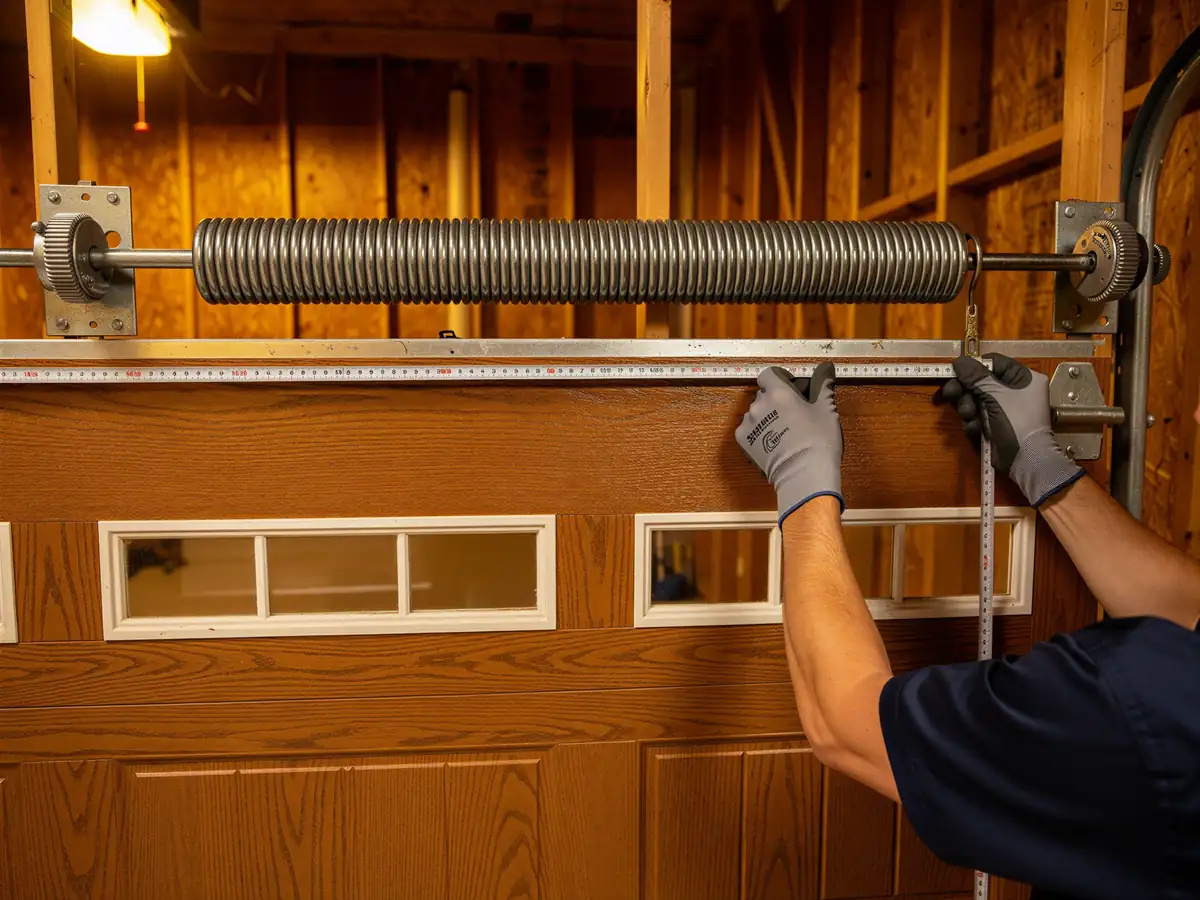
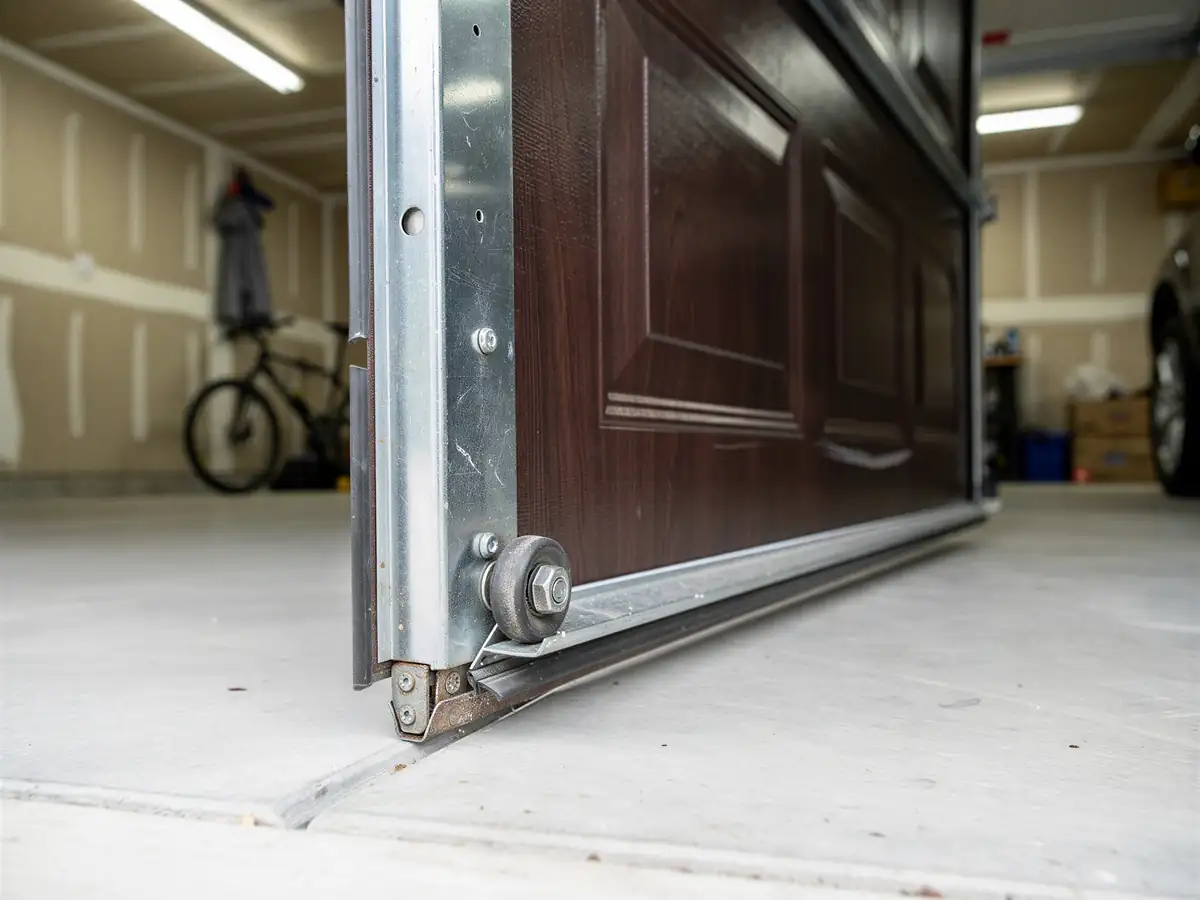
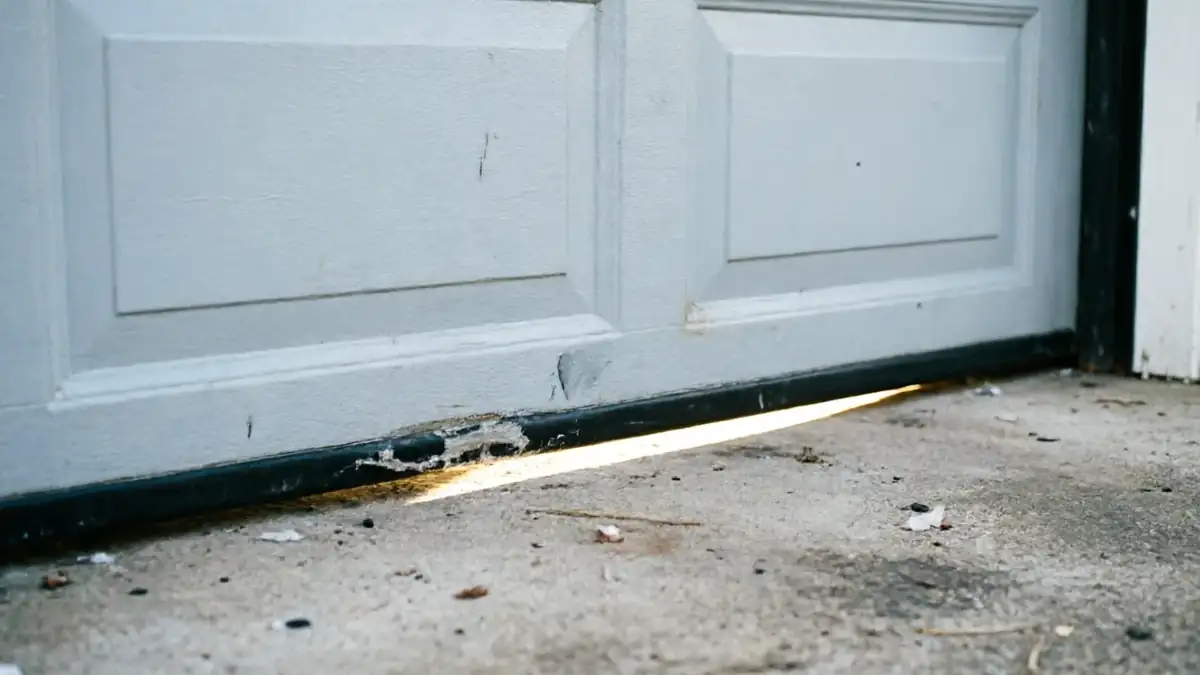
Ankeny sits in a cold moderate climate band, which means the bottom seal and the weather stripping around the door jamb take a beating every winter. It isn't the kind of hard-freeze extreme you'd see further north, but it's enough swing between warm fall afternoons and hard overnight freezes that the rubber seal on the bottom of the panel hardens and cracks faster than most owners expect. Once that seal splits, cold air finds the gap, and so does meltwater off the slab. Most houses in this service area went up between 1941 and 2009, with the bulk of the stock dating to the 1980s and 90s, so the majority of doors we look at were installed with the weather stripping standard for that era - a single bead of vinyl, not the double-fin seals you see on newer builds. That older seal profile does fine for a few years and then starts letting draughts through right where the door meets the slab. If your garage backs onto a finished room or shares a wall with living space, that draught shows up as a cold spot on the thermostat side of the house, not just in the garage itself.
What Is Going On
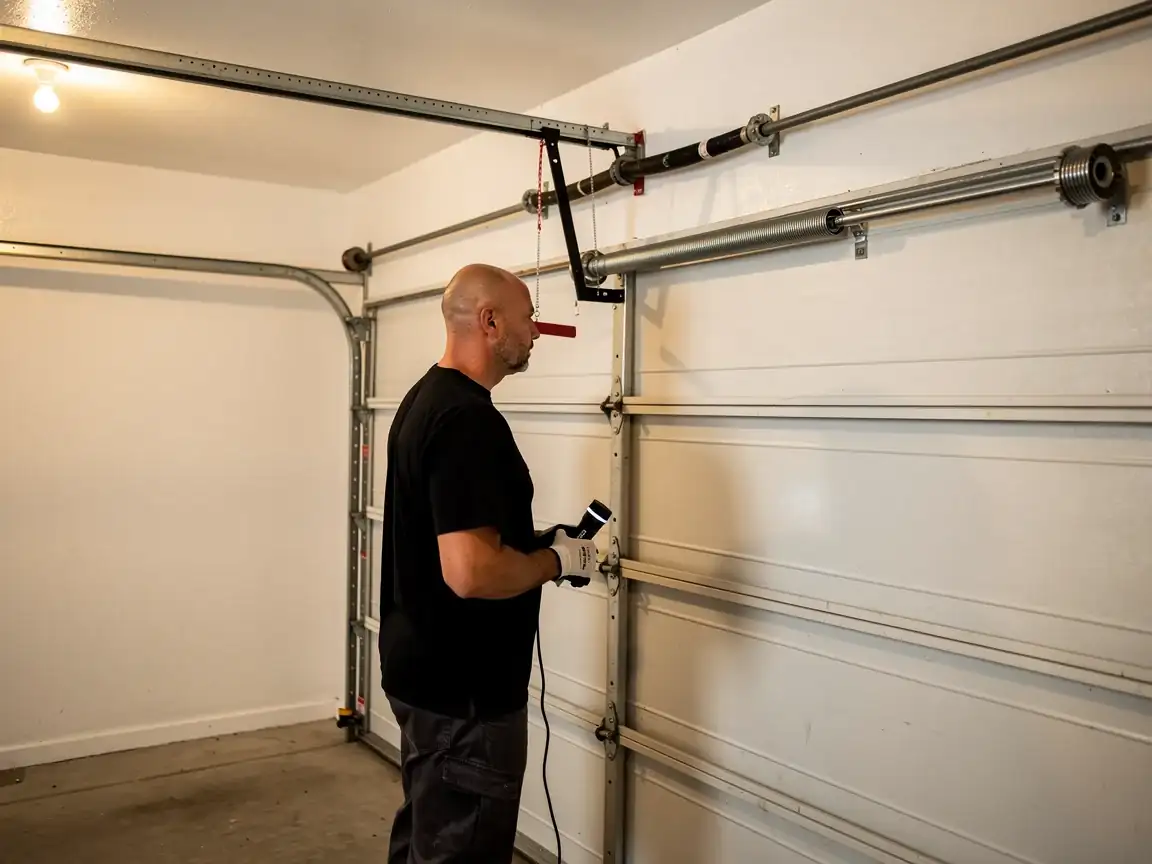
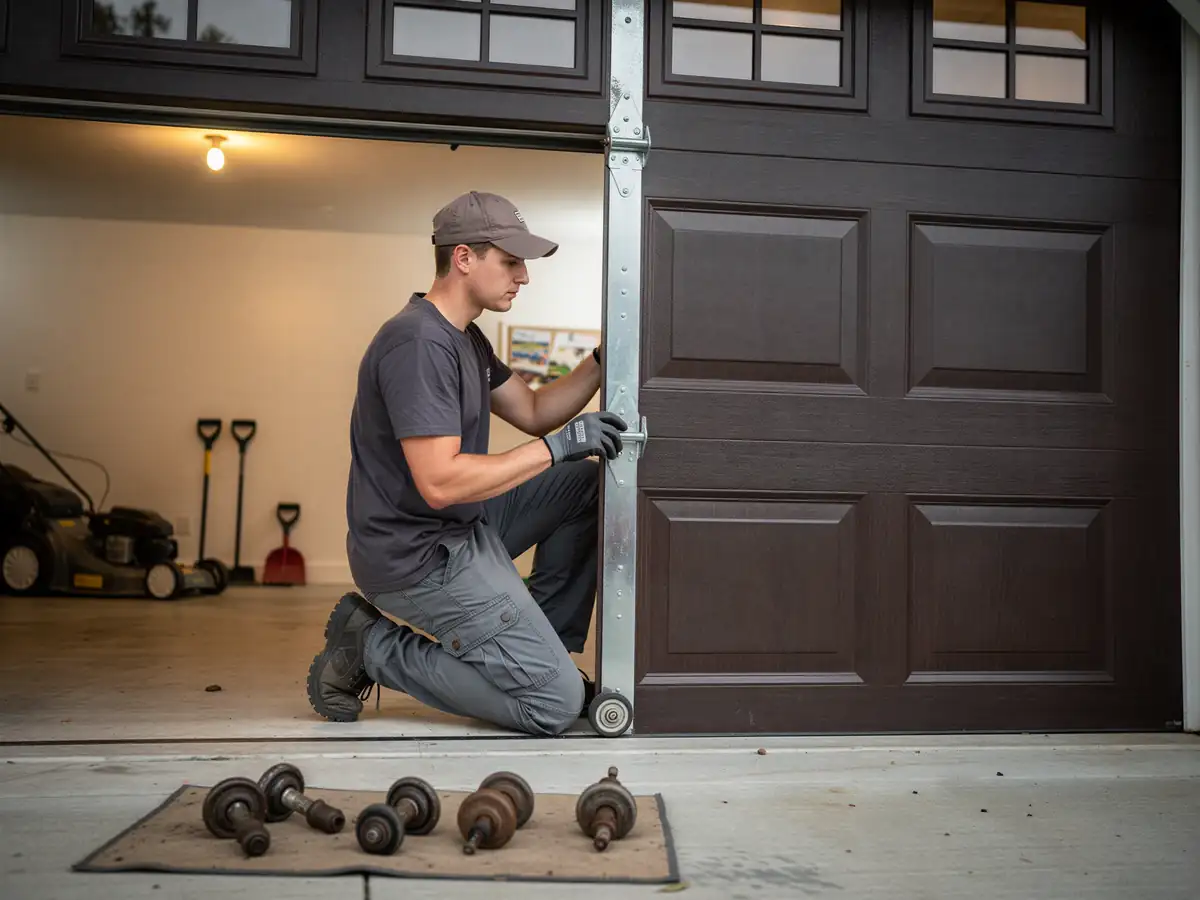
On a door from the 1980s or 90s stock common across this area, the bottom seal is usually the first thing to go, followed by the side and top jamb stripping a year or two later. The vinyl in those original seals wasn't built to flex through repeated freeze-thaw cycles for three decades, so it stiffens, and a stiff seal can't compress against an uneven slab the way a fresh one can. That's when you start seeing daylight at the corners or feeling air move across the floor near the door track. On homes built later in the 1941-2009 range, closer to 1993 - the median year for this stock - you'll sometimes find aluminum retainer track holding the seal, which corrodes at the fasteners and lets the whole strip sag loose on one side. Either way, the draught isn't a door problem so much as a seal-and-track problem, and it's usually cheaper to fix than people assume once they see it.
Where People Go Wrong
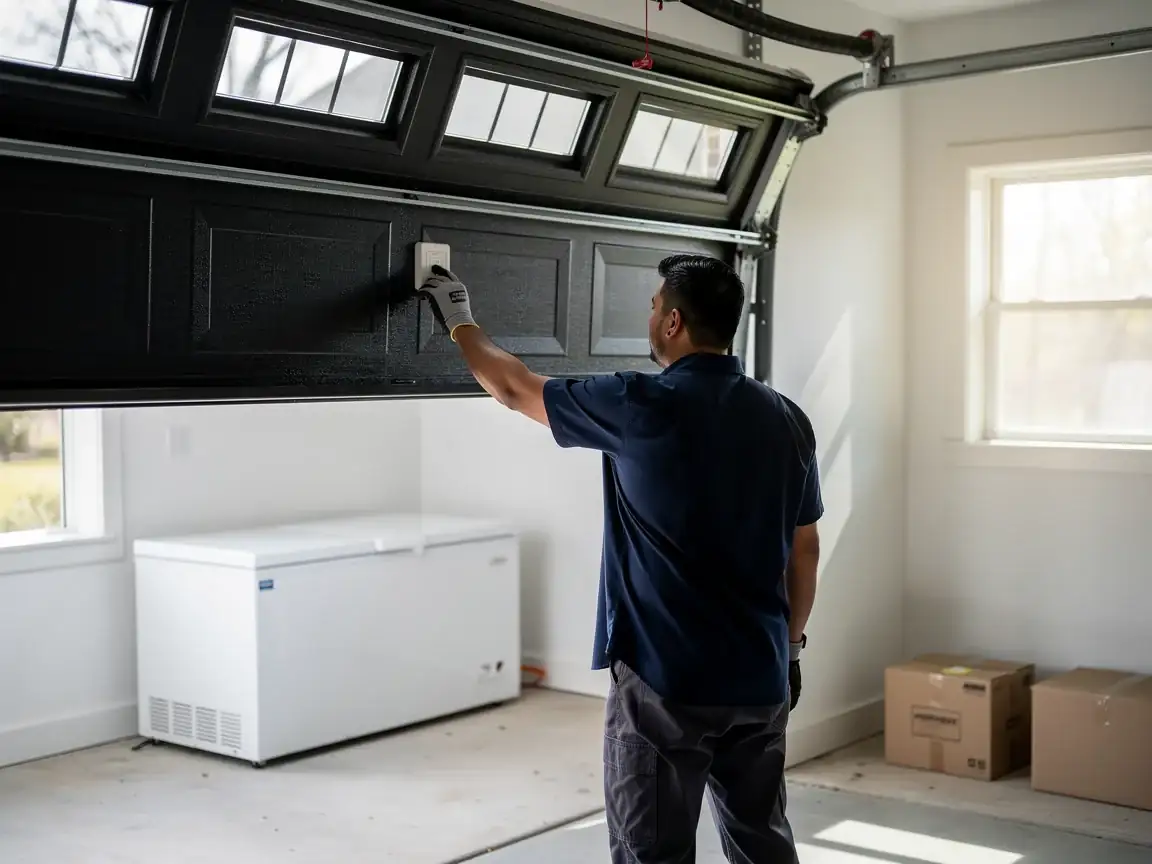
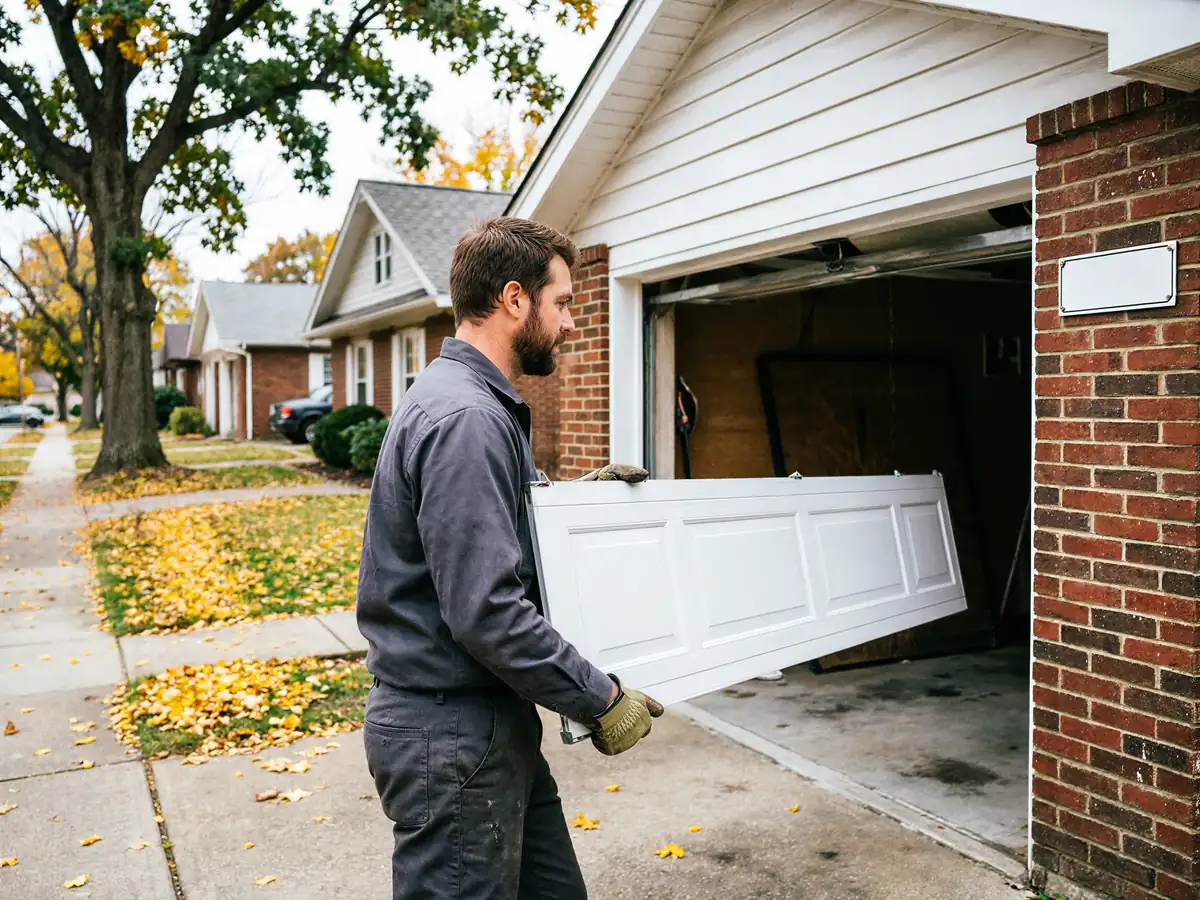
The most common mistake is replacing the bottom seal and stopping there, because it's the one that's obviously cracked. That fixes the easiest draught and leaves the side and top stripping to fail within a season or two, which means another call and another part. The second mistake is assuming a draughty door needs full replacement - on a door that's structurally sound, reseating or replacing the seal and track is usually the right fix, not a new door. We won't talk anyone into a full replacement for a seal problem; that's the honest limitation here, and it's one we'd rather lose the bigger job over than oversell. Where replacement does make sense is on doors old enough that the panel itself has warped or the track is bent beyond adjustment - at that point no seal will hold a tight line against the slab, no matter how new.