What the Weather Here Does to It
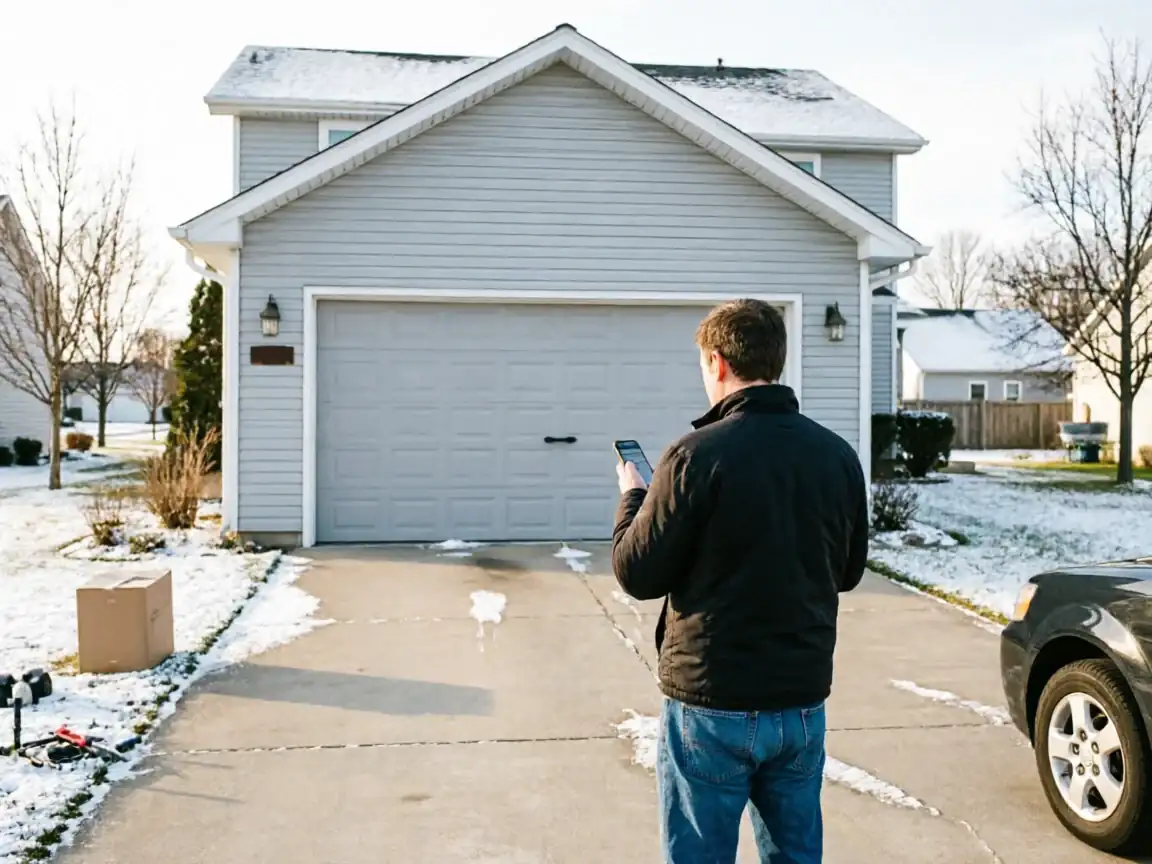
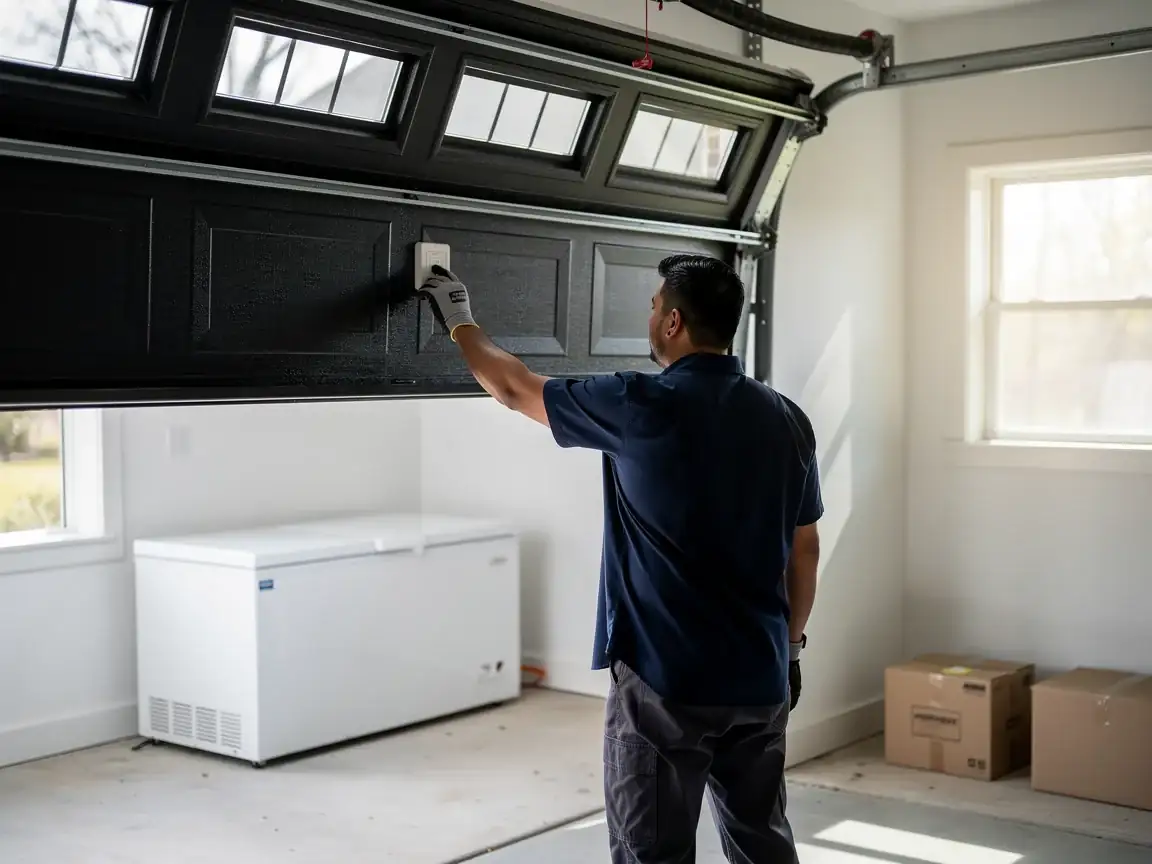
Ankeny sits in a cold moderate climate band, and that matters more for openers than most owners think. Cold snaps put a heavier draw on the motor at the exact moment ice and stiff lubricant are already fighting the track. An opener that's been coasting along fine in September can start grinding, stalling mid-cycle, or tripping its own safety reversal once overnight temperatures drop hard. Power cuts tend to cluster around the same weather that causes the mechanical strain - a winter line-down event doesn't just kill the lights, it kills the opener at the same moment the door is hardest to lift by hand because of cold-stiffened springs and hardware. If your opener doesn't have a battery backup, a power cut during a cold spell leaves you with a door you can't lift electrically and one that's harder than usual to lift manually. That combination is specific to this climate band - it's not a general "storms happen" problem, it's a cold-and-outage problem that stacks on the same days.
What Is Going On
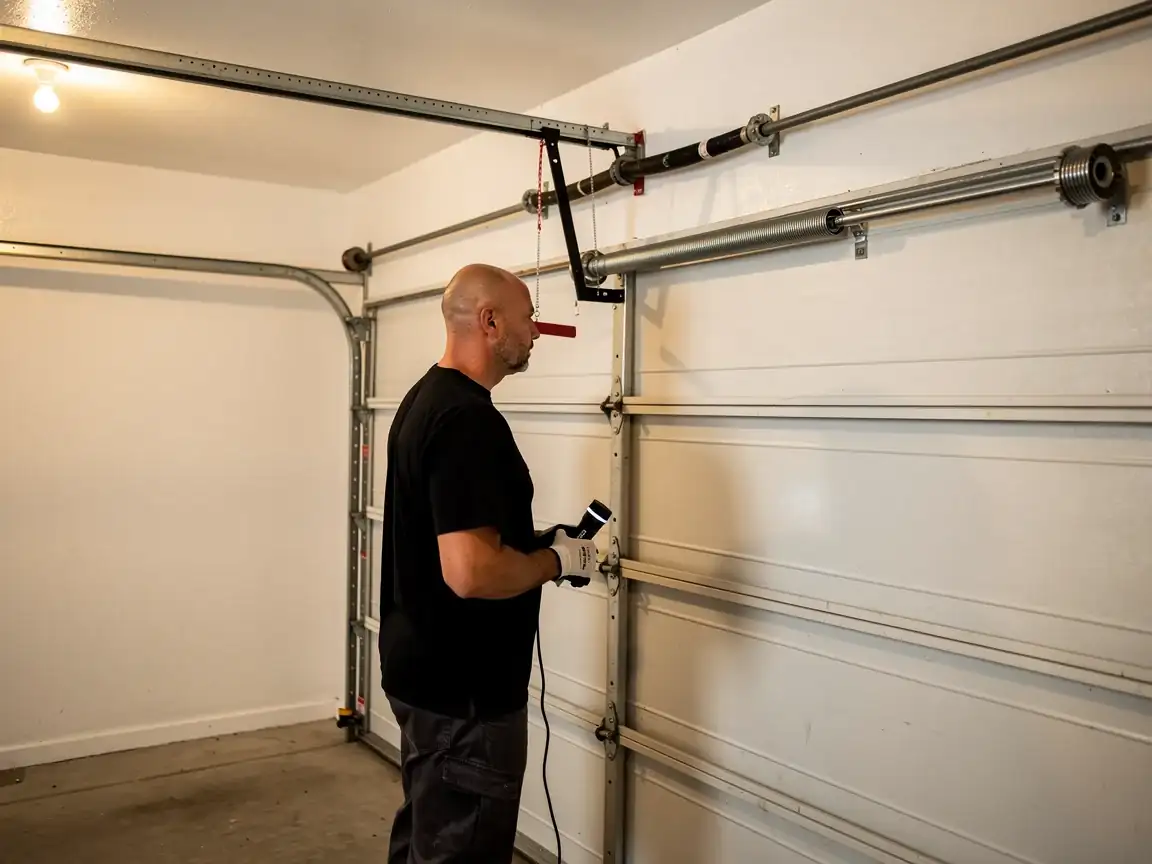
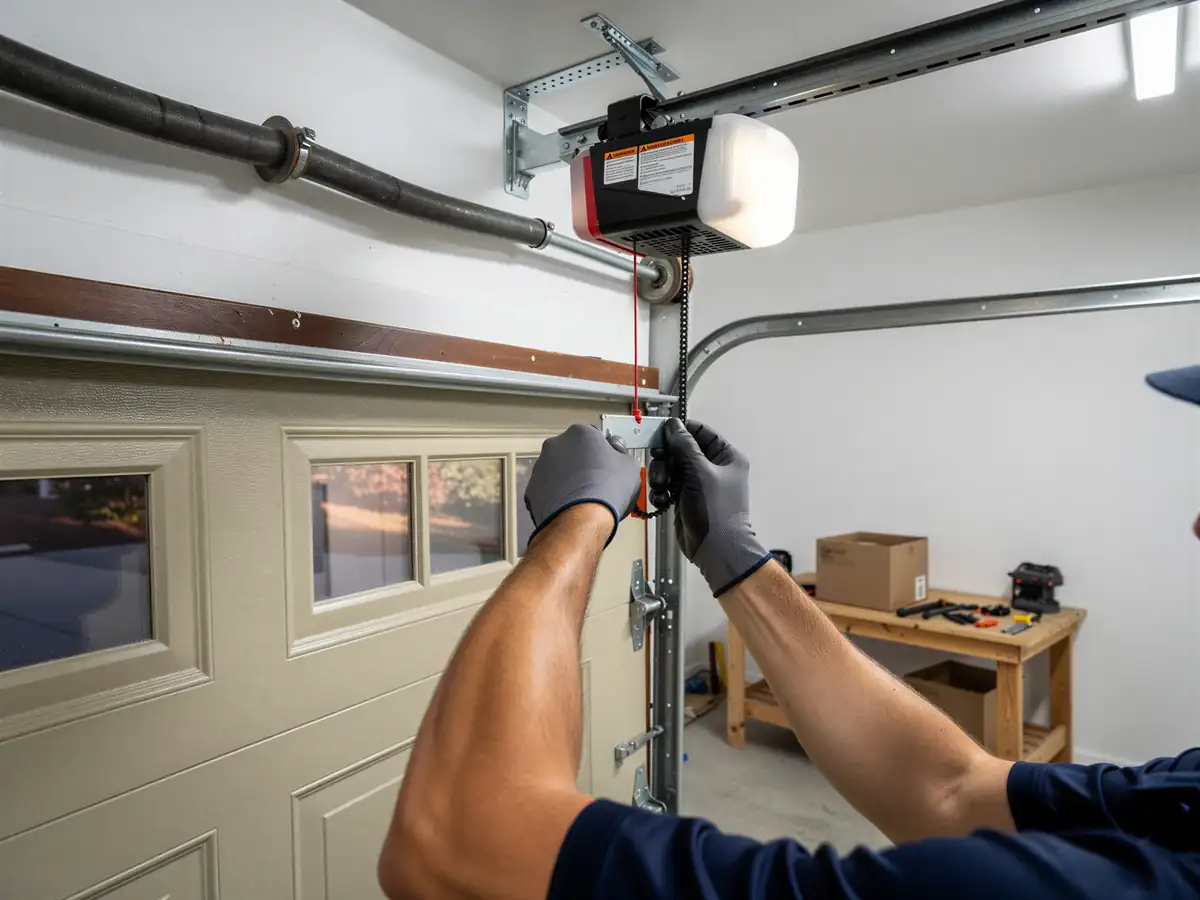
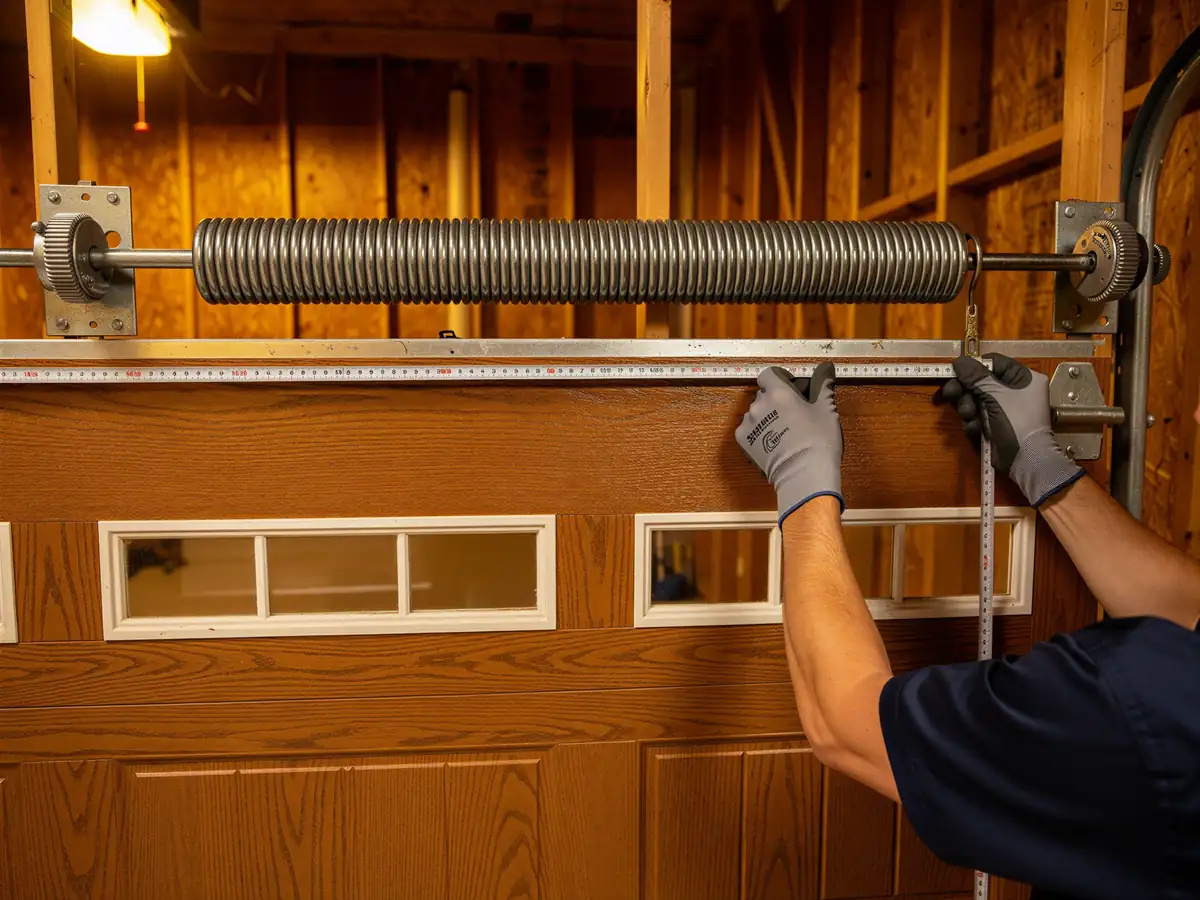
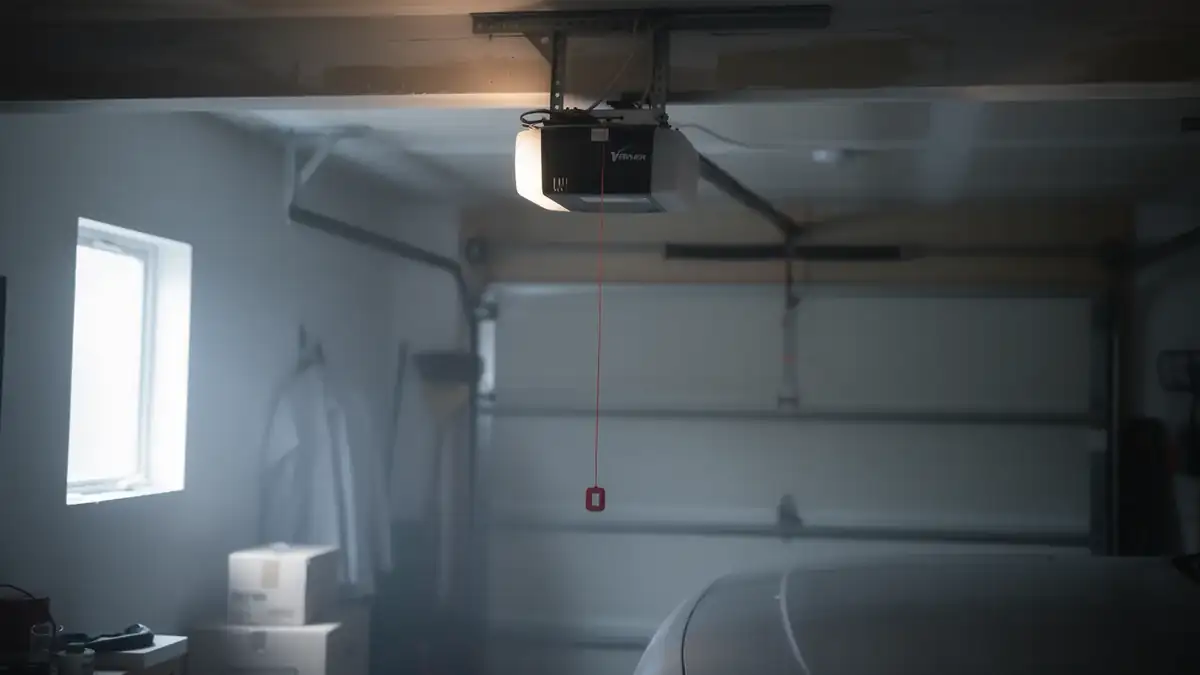
Housing in the service area was built mostly between 1941 and 2009, with the median year sitting at 1993 and the bulk of the stock dating to the 1980s and '90s. That era matters for openers specifically: a huge share of the doors we're called out to still have original or first-replacement openers from that build window, meaning chain-drive units with no battery backup, no smartphone alert, and a manual release cord that's been painted over or forgotten about for twenty years. When a power cut hits, the owner's first move is often to yank that cord without knowing which direction the door will swing or whether the springs are still holding tension - and in a stock this old, spring tension is a real question. None of this is a brand-new-subdivision problem; it's a problem that comes from having 46,052 owner-occupied houses across the area mostly dating to a specific stretch of decades, where the opener and the door it's bolted to are the same age and reaching the end of that age at roughly the same time.
Where People Go Wrong
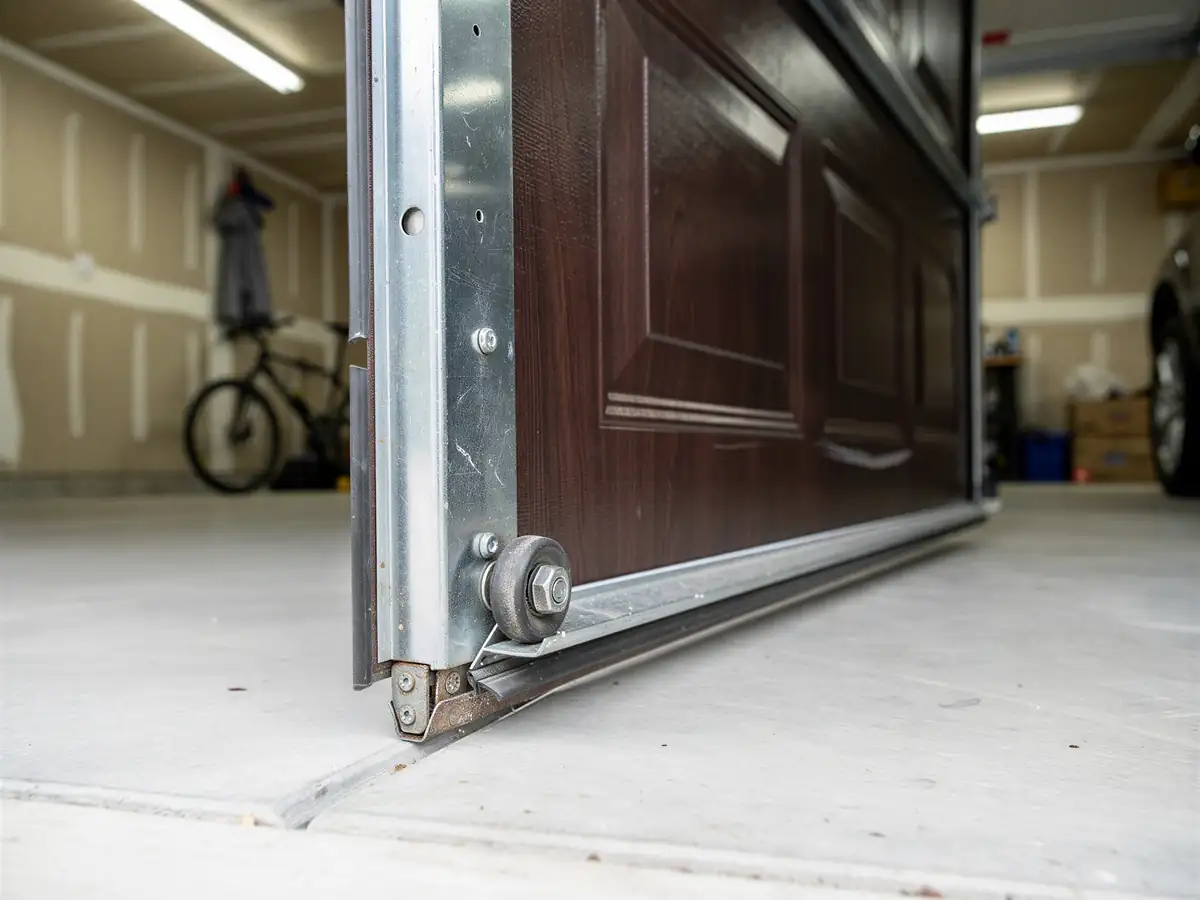
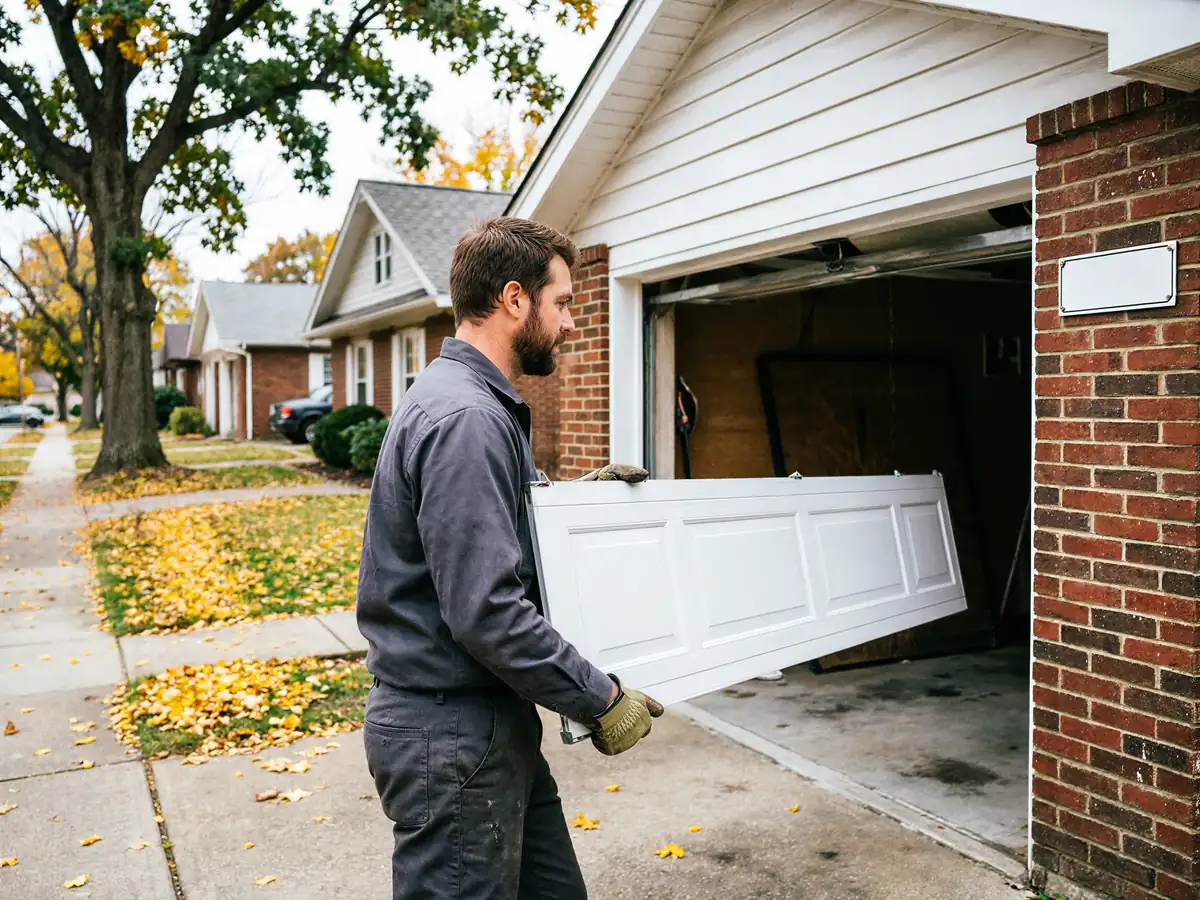
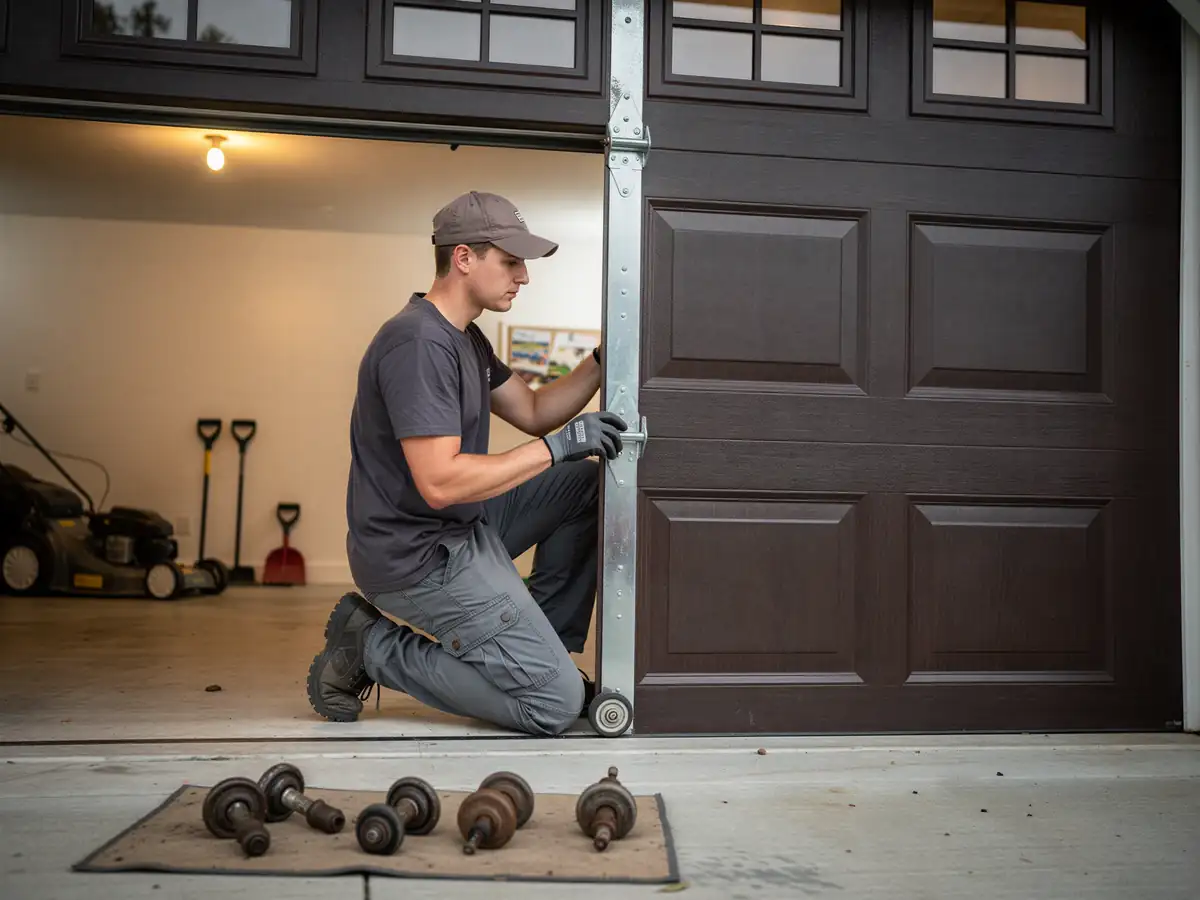
The most common mistake is treating the opener and the power cut as two separate problems instead of one event. Owners replace the opener after a cut, assume the new unit is the fix, and don't touch the original springs or rollers that are the same age and under the same strain - so the new opener just finds a new way to struggle. The second mistake is skipping battery backup because "it hasn't been a problem yet." With household incomes in the area at a median of $96,354, cost generally isn't the barrier - it's just not on anyone's list until the first cold-weather cut. Third, people in this area sometimes assume a generator solves it; a generator keeps the opener's circuit live, but it does nothing for a chain or belt that's already seized from cold if the hardware behind it hasn't been serviced. Fix the mechanical side and the power side together, not one after the other.