Doing It Yourself
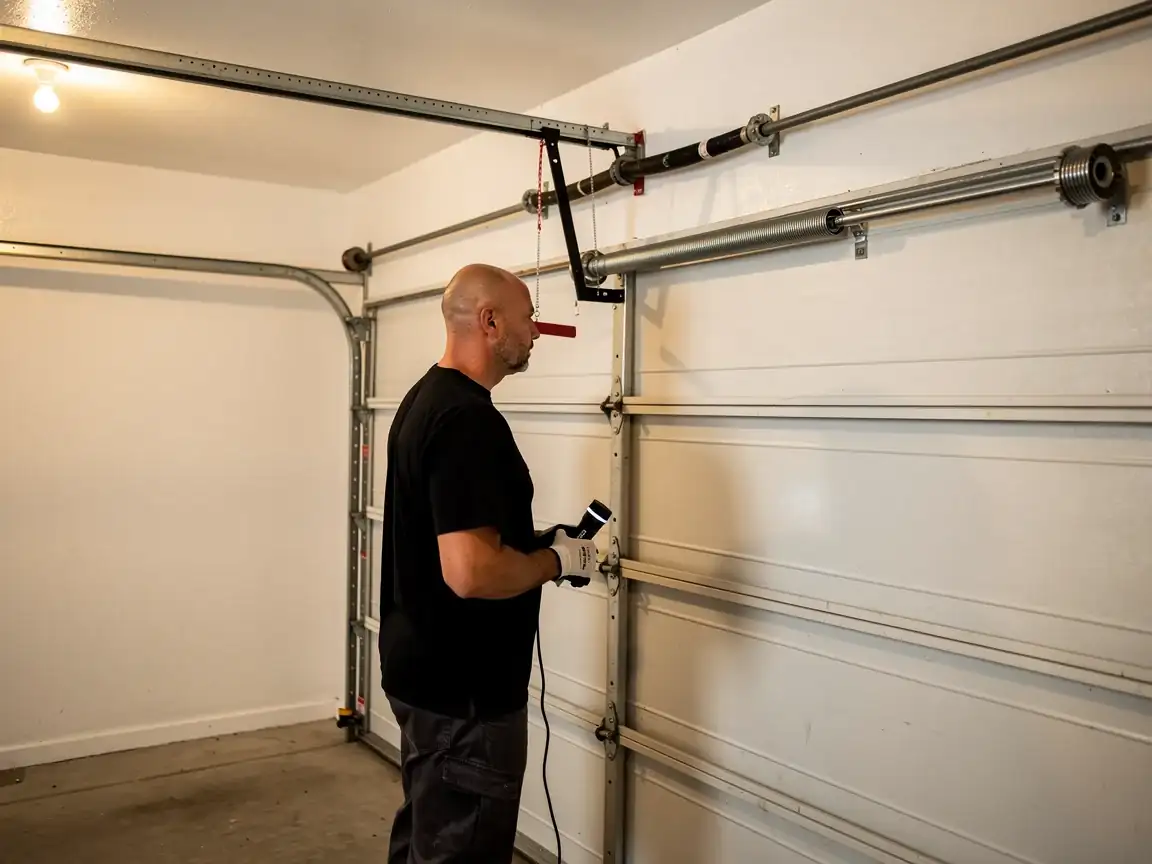
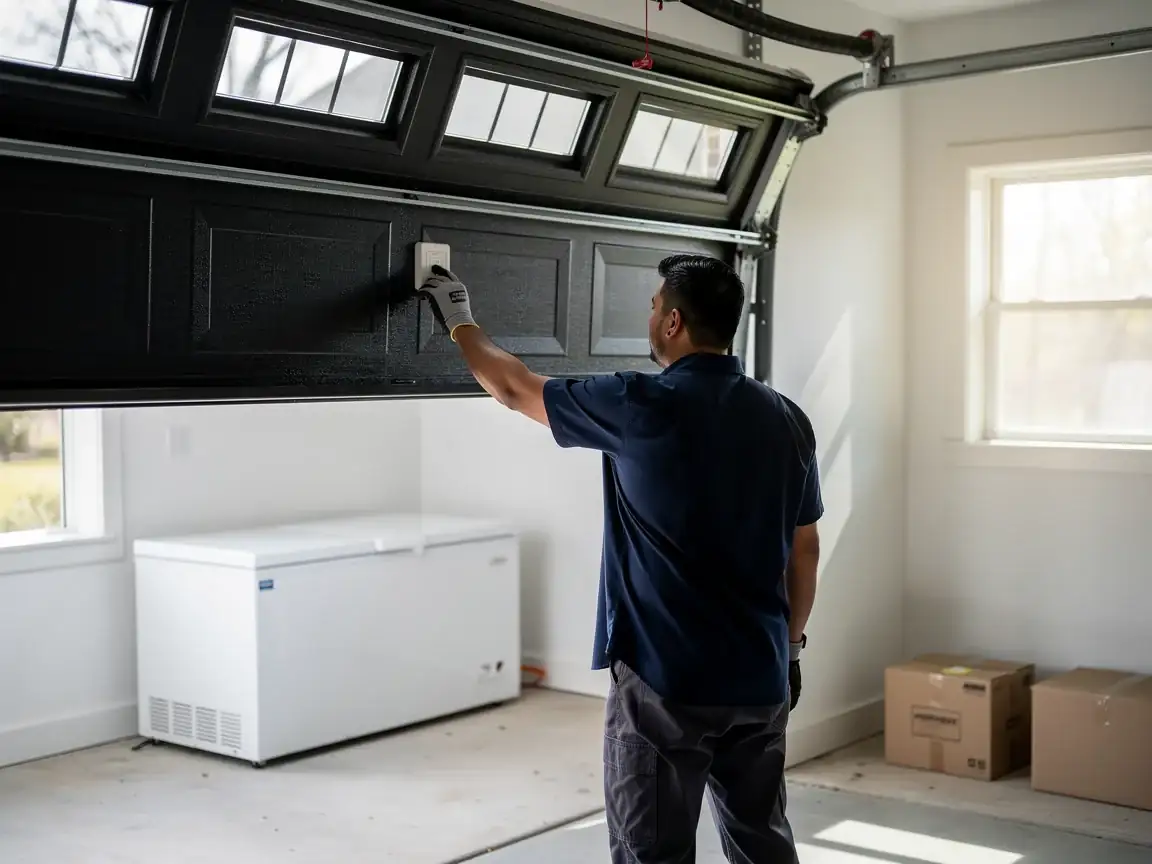
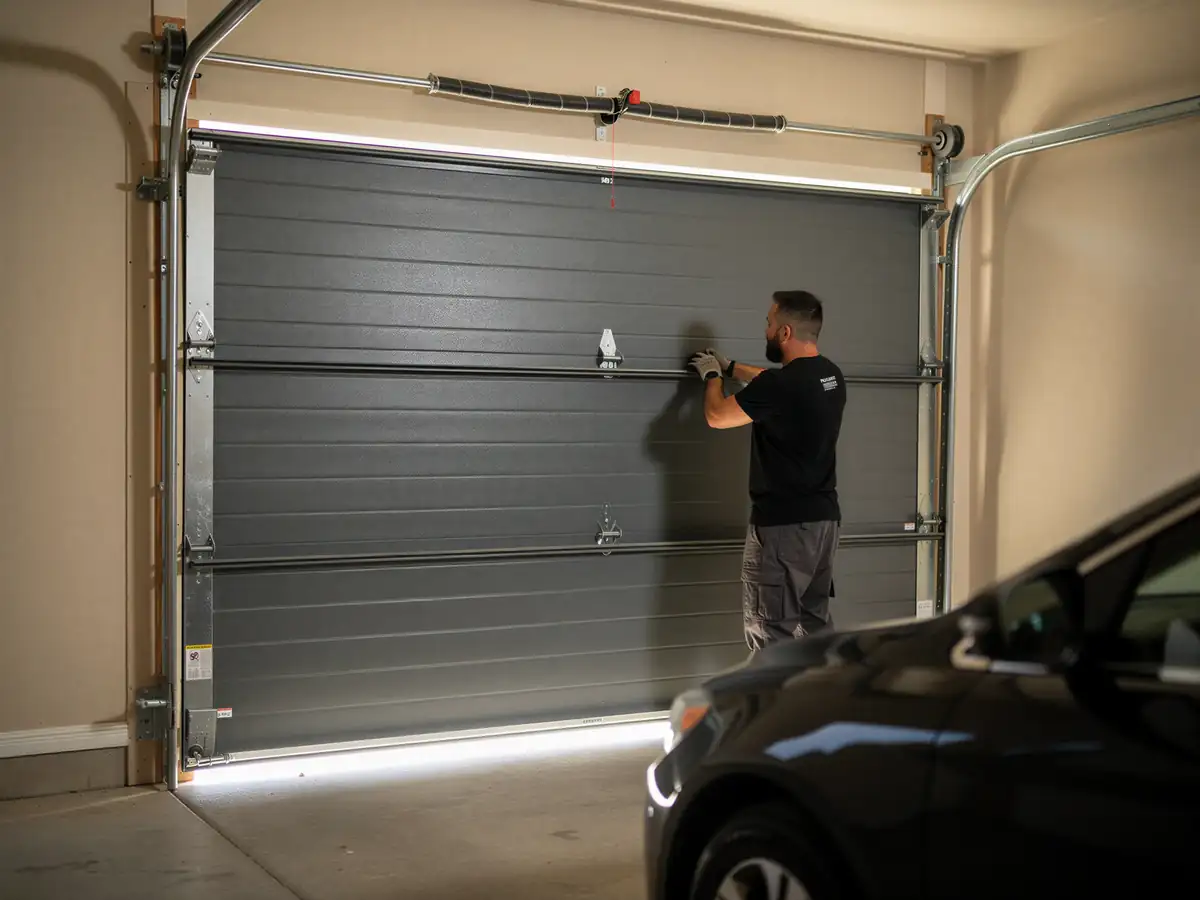
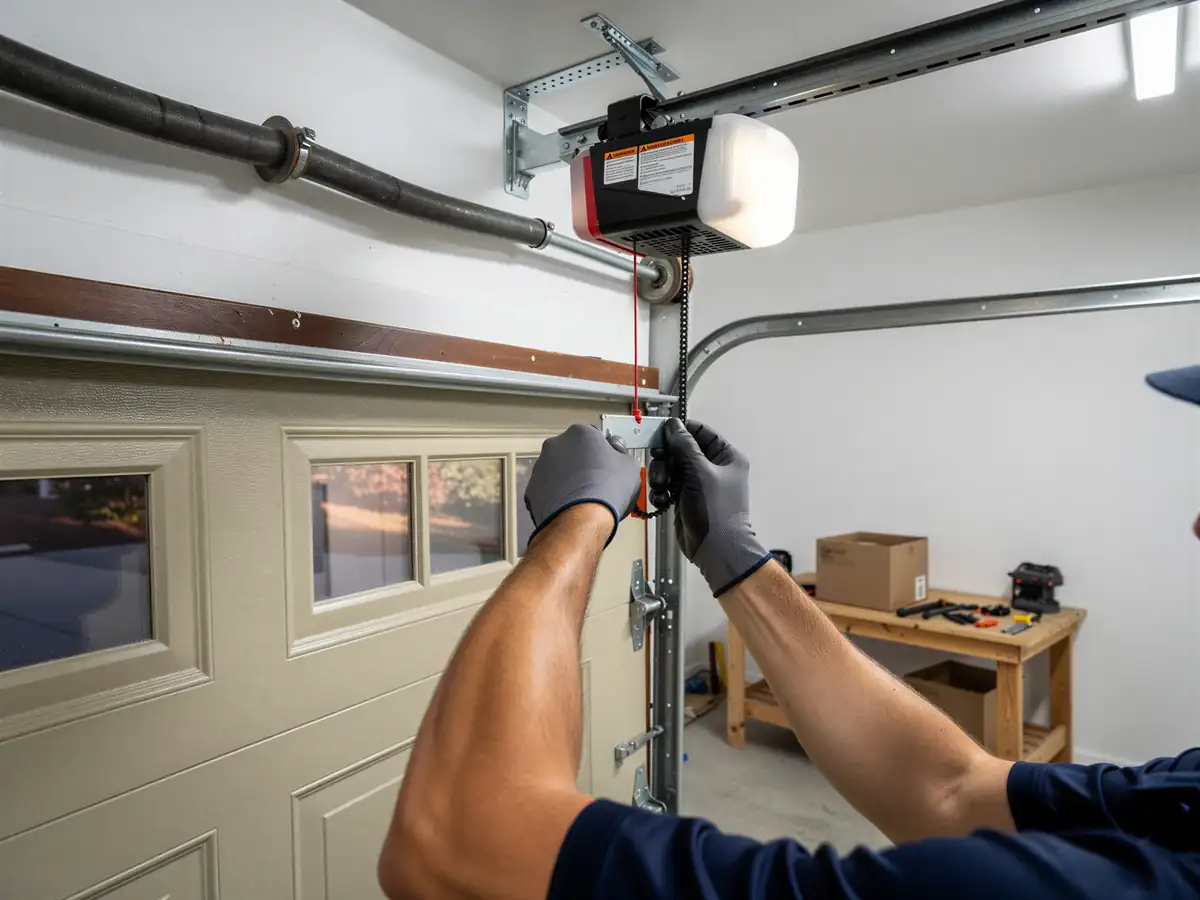
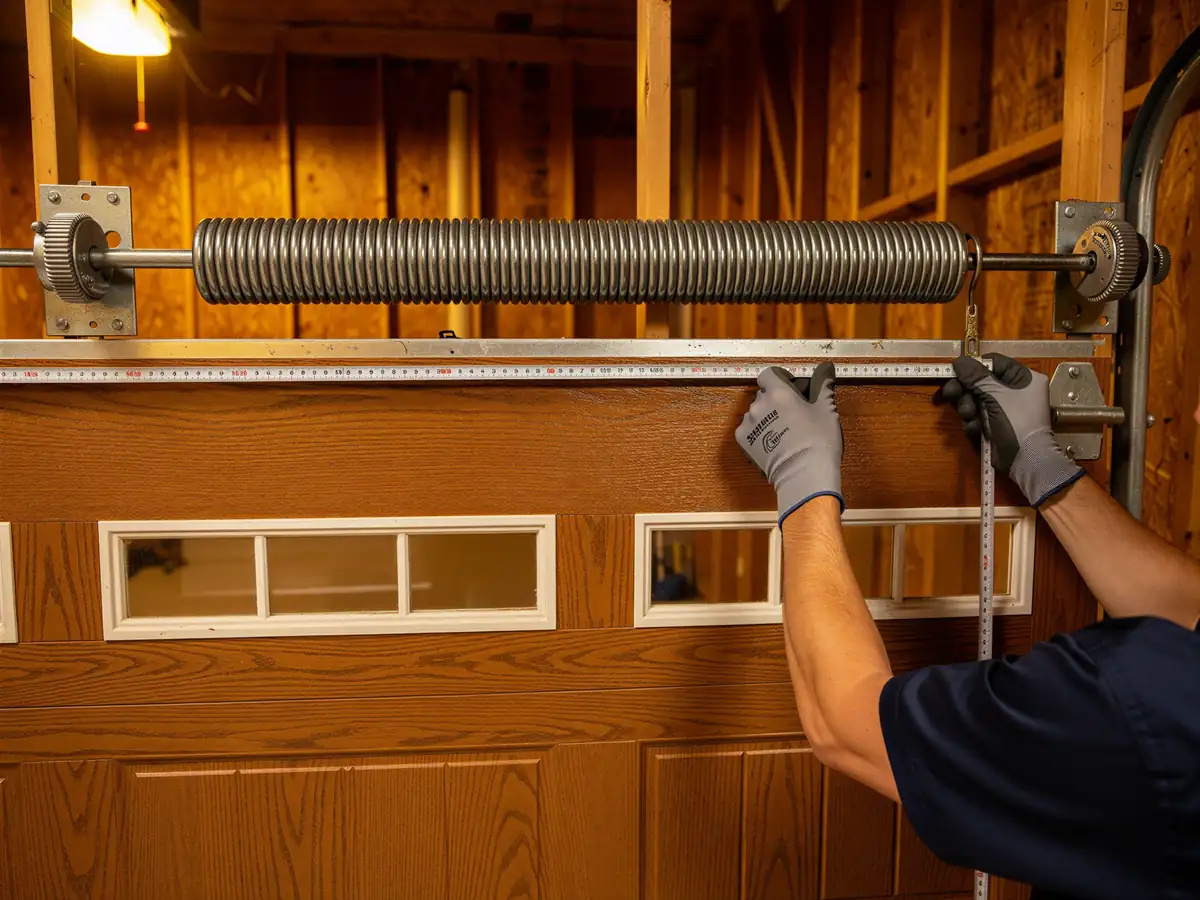
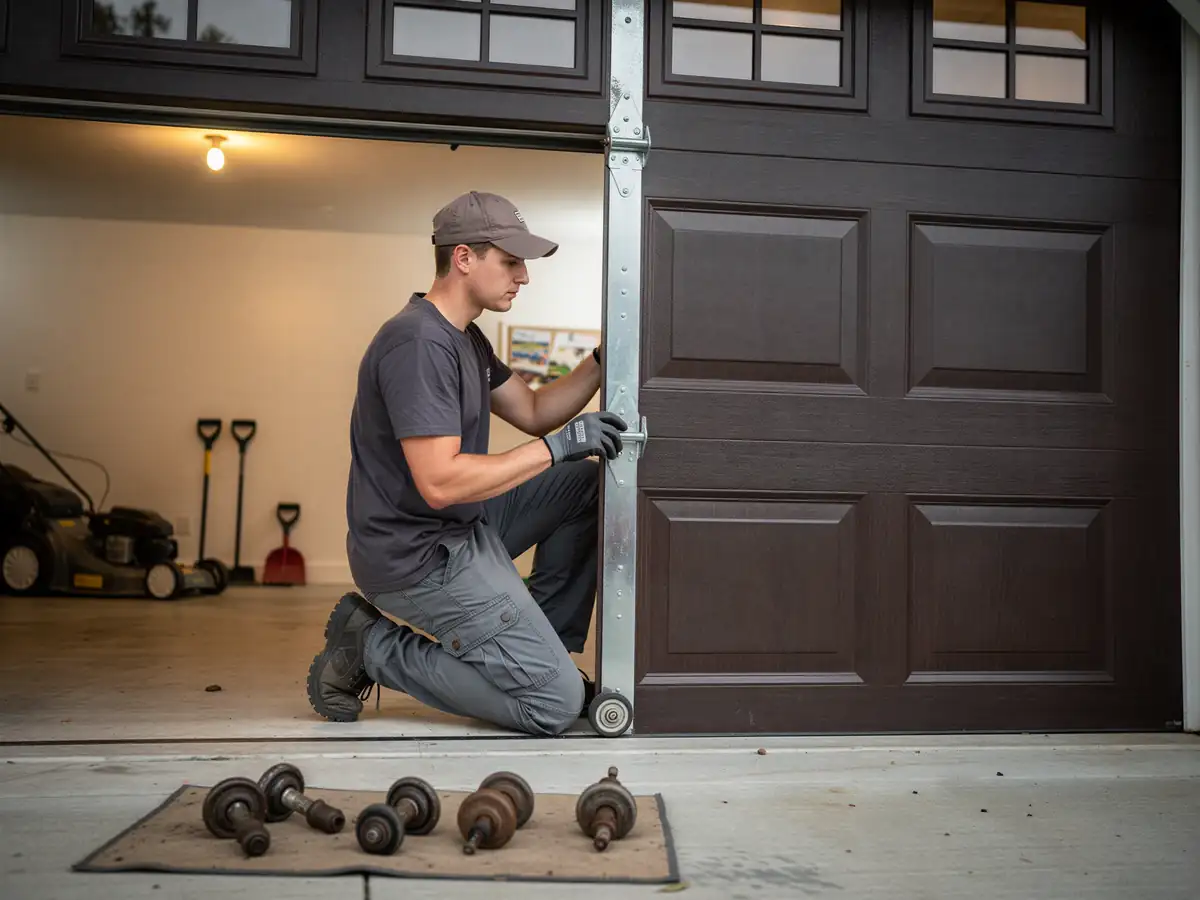
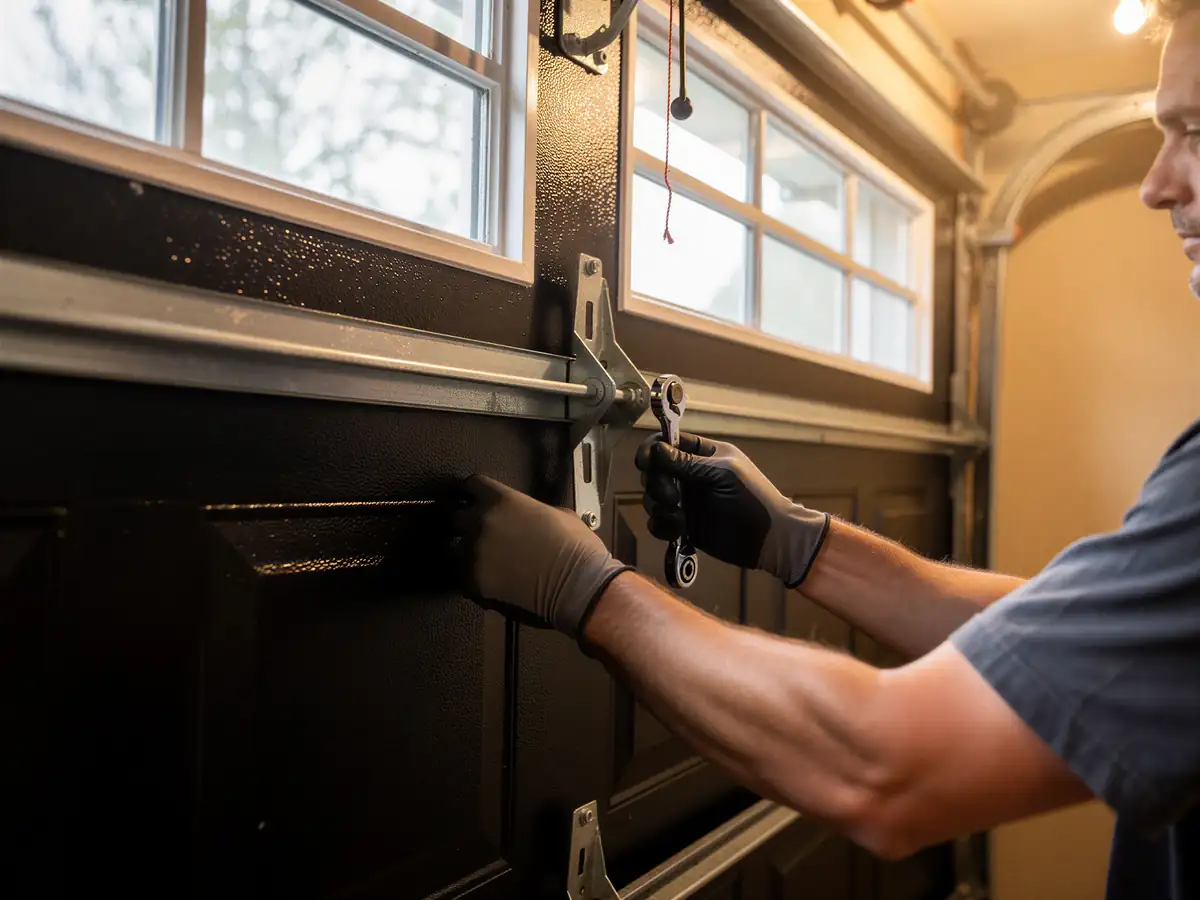
Most garage doors in Saylorville went up around 1983, which puts you squarely in the steel sectional era - single-layer panels, no foam core, on a torsion spring sized for a door built decades before today's heavier insulated models. If you're thinking about tackling a repair yourself, know what you're working with first. A torsion spring from that period is wound tighter than people expect, and winding bars plus a door this old is not a safe combination for a first-timer. Cable swaps and roller replacement are more forgiving if the door still travels straight in the track - check that before you touch anything else. What you can reasonably do: tighten loose hardware, clear track debris, lubricate hinges and rollers, and test the auto-reverse safety feature by setting a 2x4 under the door's path. What you shouldn't: spring work, cable work under tension, or anything involving the torsion bar itself. With roughly 1,400 households in this pocket, a fair number of these doors are original or close to it, and original hardware on a 40-year-old door doesn't forgive guesswork the way newer stuff does.
The Cost of This Job
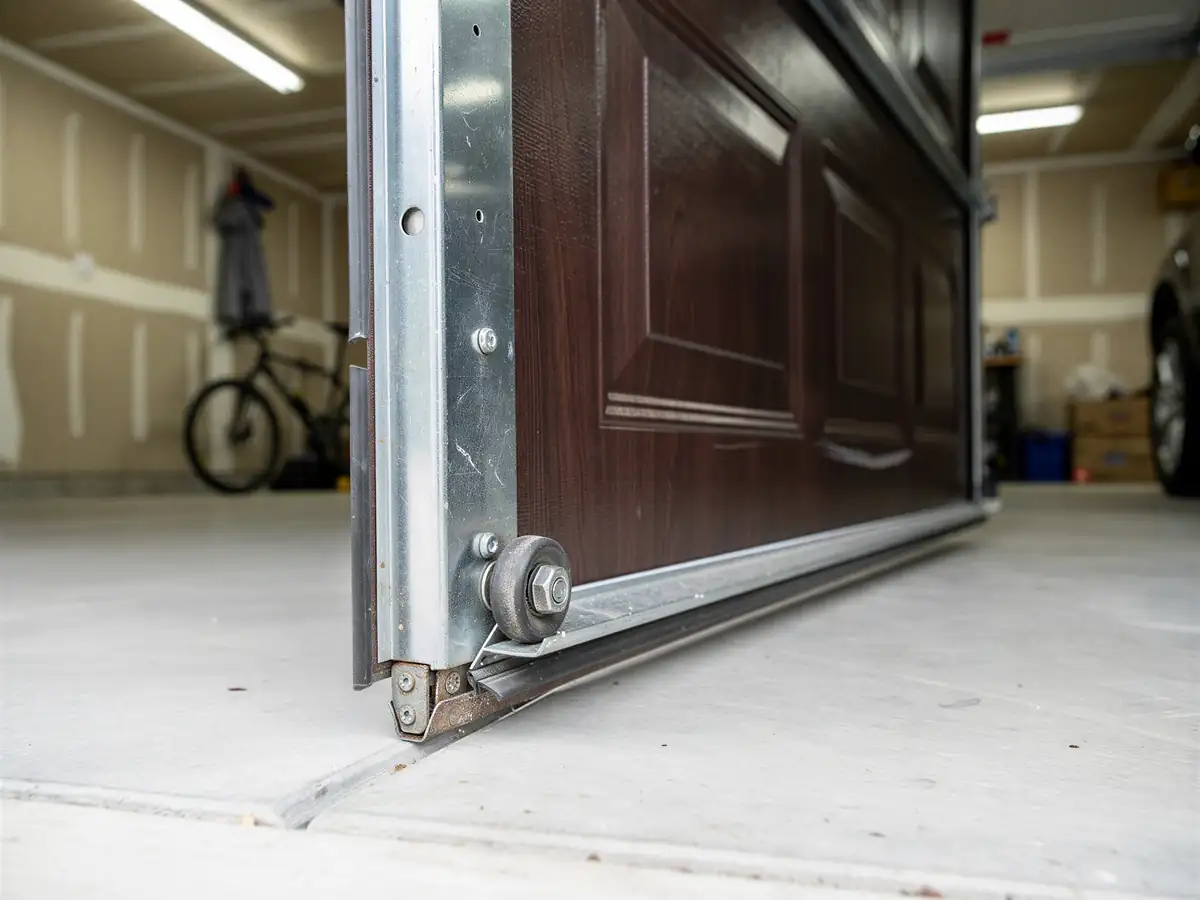
We don't post a flat number here because the fix depends on what's actually broken and what parts a door this age takes - some 1983-era tracks and drums aren't the same width as what's sold today, which can mean a short wait on the right part rather than a same-day swap. A single broken spring job runs differently than a full cable-and-drum replacement, and a door that's been limping along on the wrong-size roller for years sometimes needs more than the one part that finally gave out. What we can tell you: median household income in this area runs around $80,250, and we price jobs the same way regardless of which side of Ankeny the call comes from. Ask for the breakdown before work starts - parts versus labor versus the trip - so there's no surprise on the invoice.
Getting It Booked In
Tell us the door's approximate age when you call - if you know it's original to a house built in the early 1980s, say so, because it changes what the tech brings on the truck. A photo of the broken spring or the track where it's binding helps more than a description, especially on hardware this old where the part numbers aren't always visible or standard. Since every call here routes through our Ankeny crew rather than a separate local branch, booking is the same process as anywhere else in the service area - we're just telling you upfront that the drive is short, about 4 miles, not that there's a dedicated Saylorville team. Have someone home to show the tech the door and, if you have it, any paperwork from a past repair. See our Saylorville coverage page for what else we handle out this way, or check the main Ankeny repair page for the broader list of services.
Why This Fails Locally
A door built around 1983 fails differently than one built in 2005. The steel gauge is thinner, the spring wire is often a size that's harder to match exactly, and a lot of these doors never got upgraded to the safety cable that current code expects on extension-spring setups. Moderate cold winters put repeated stress on metal that's already fatigued from forty years of cycles, and a spring that's been slowly losing tension for a decade can snap on an ordinary cold morning with no warning at all. We also see openers from a later retrofit - a 1983 door with a 2005 opener bolted on - where the chain drive is straining against hardware it was never really matched to. None of that is unique to any one house here, but it's common enough across this stretch of 1980s-era construction that we expect it before we ever see the door.