Doing It Yourself
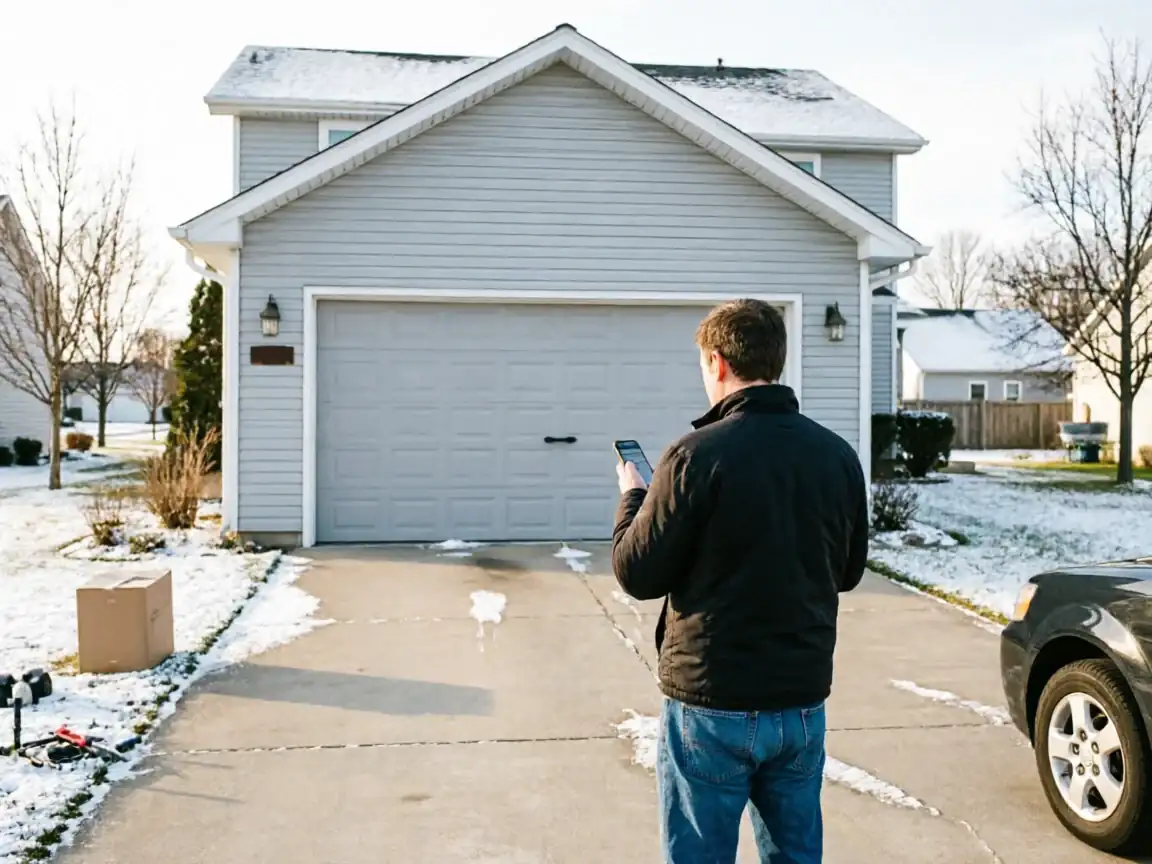
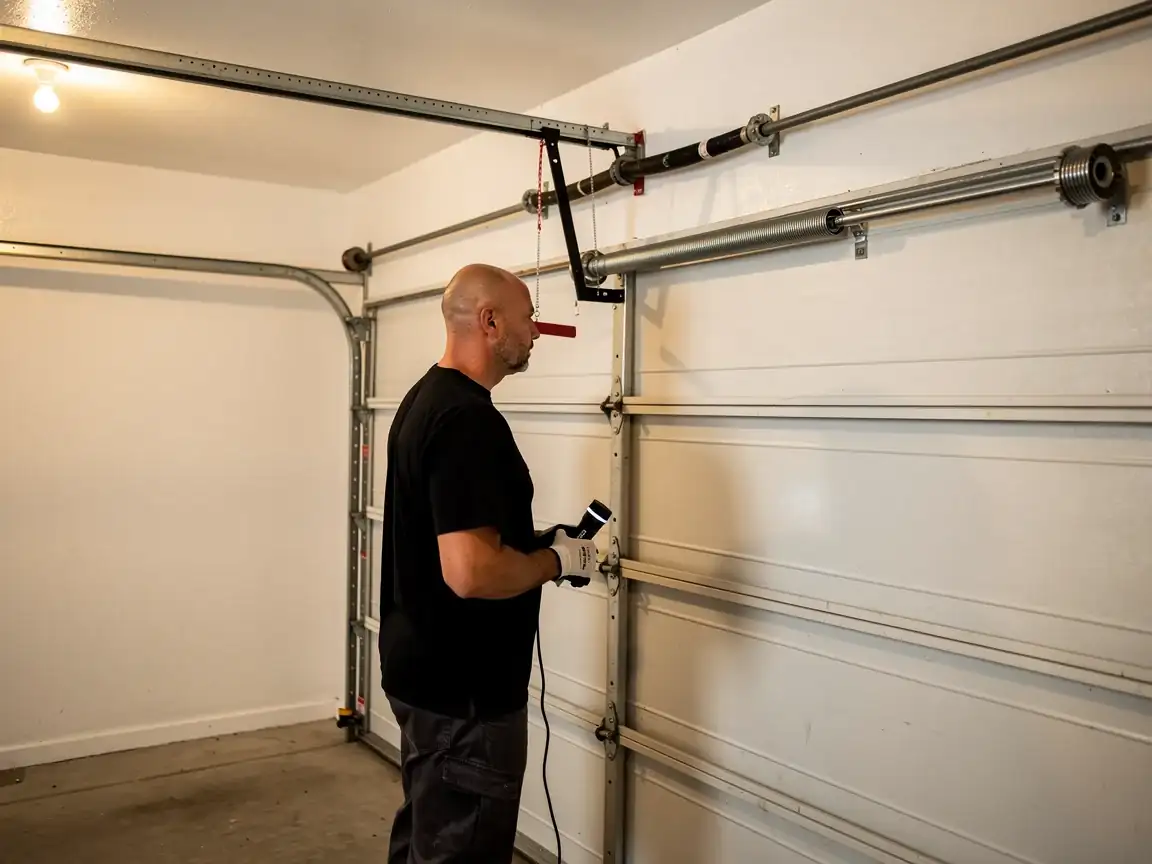
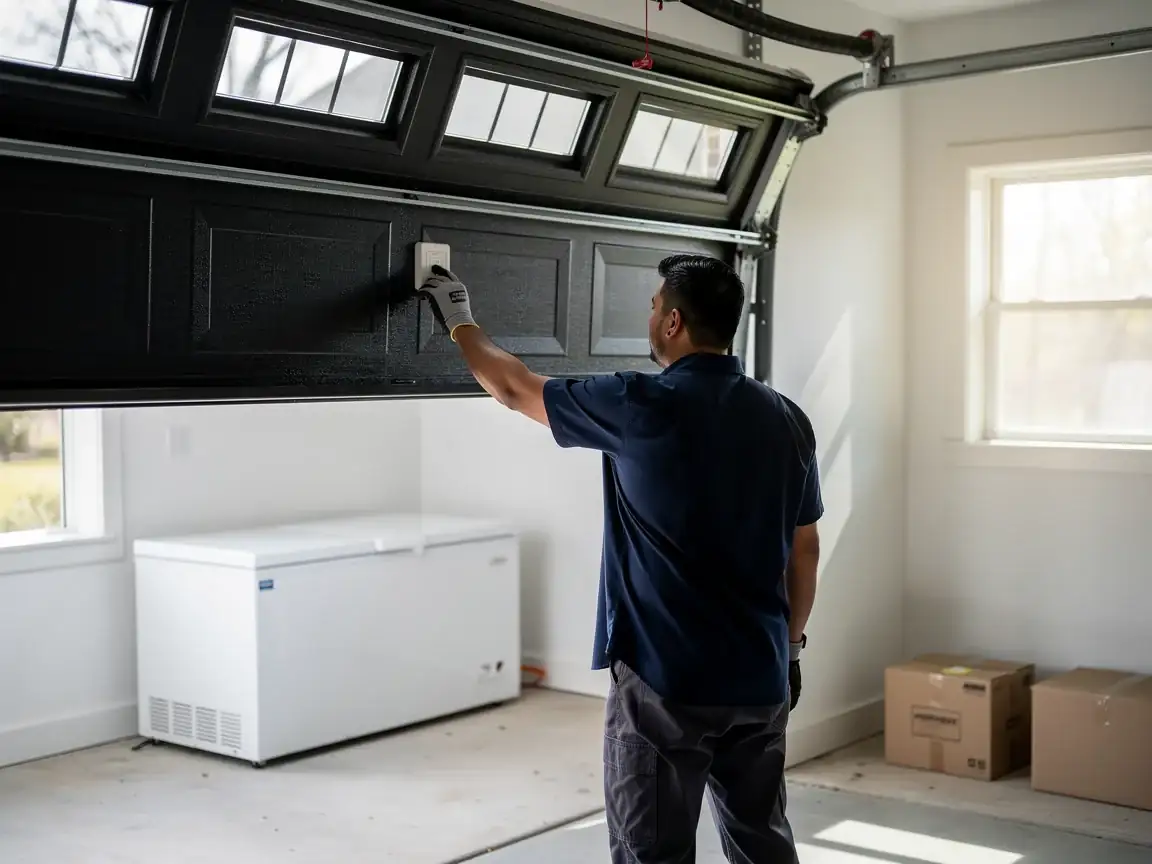
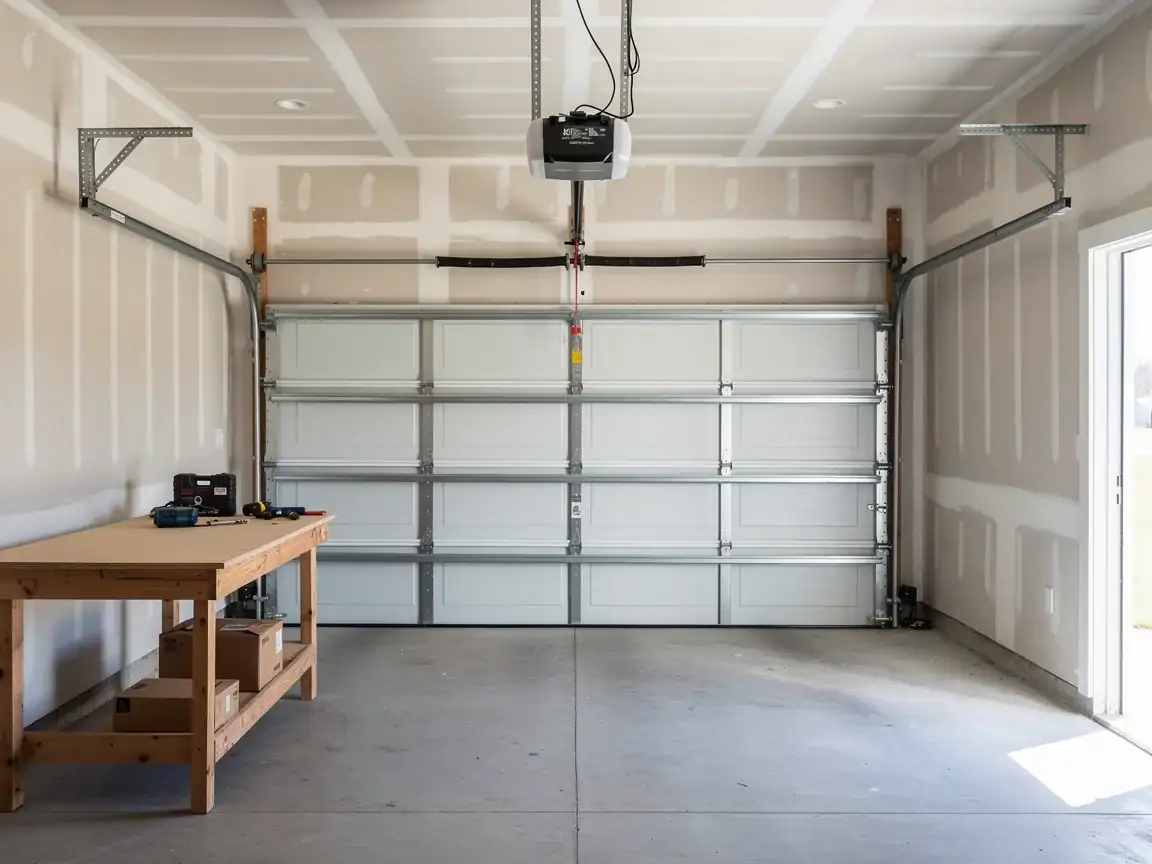
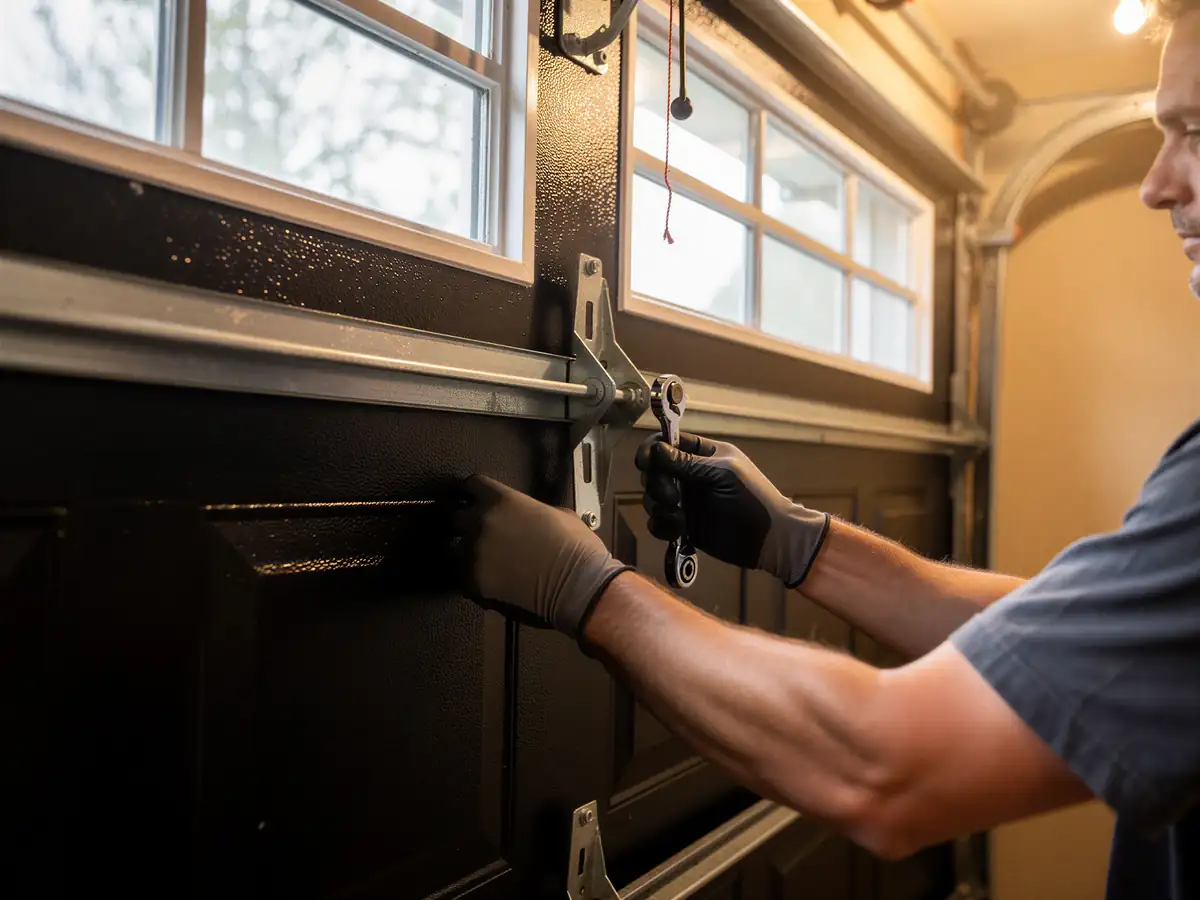
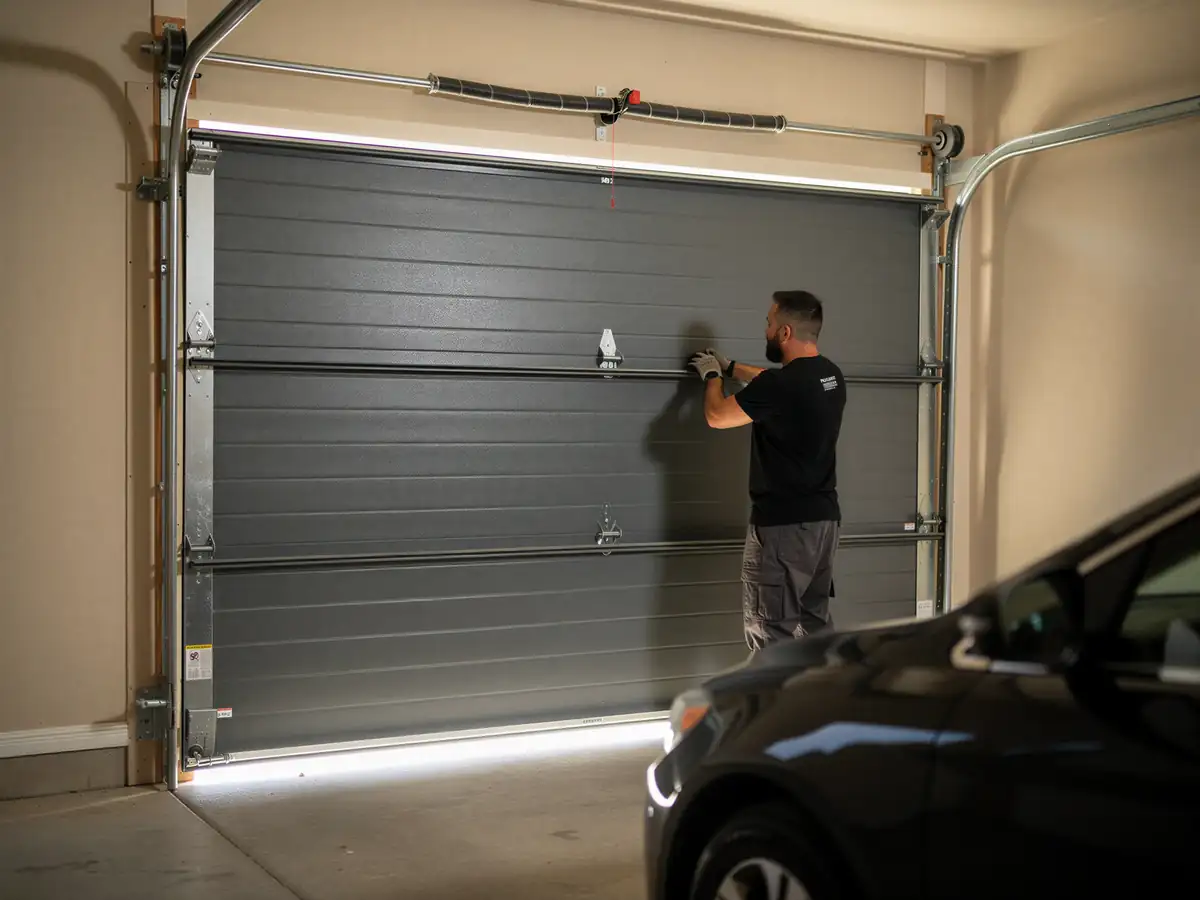
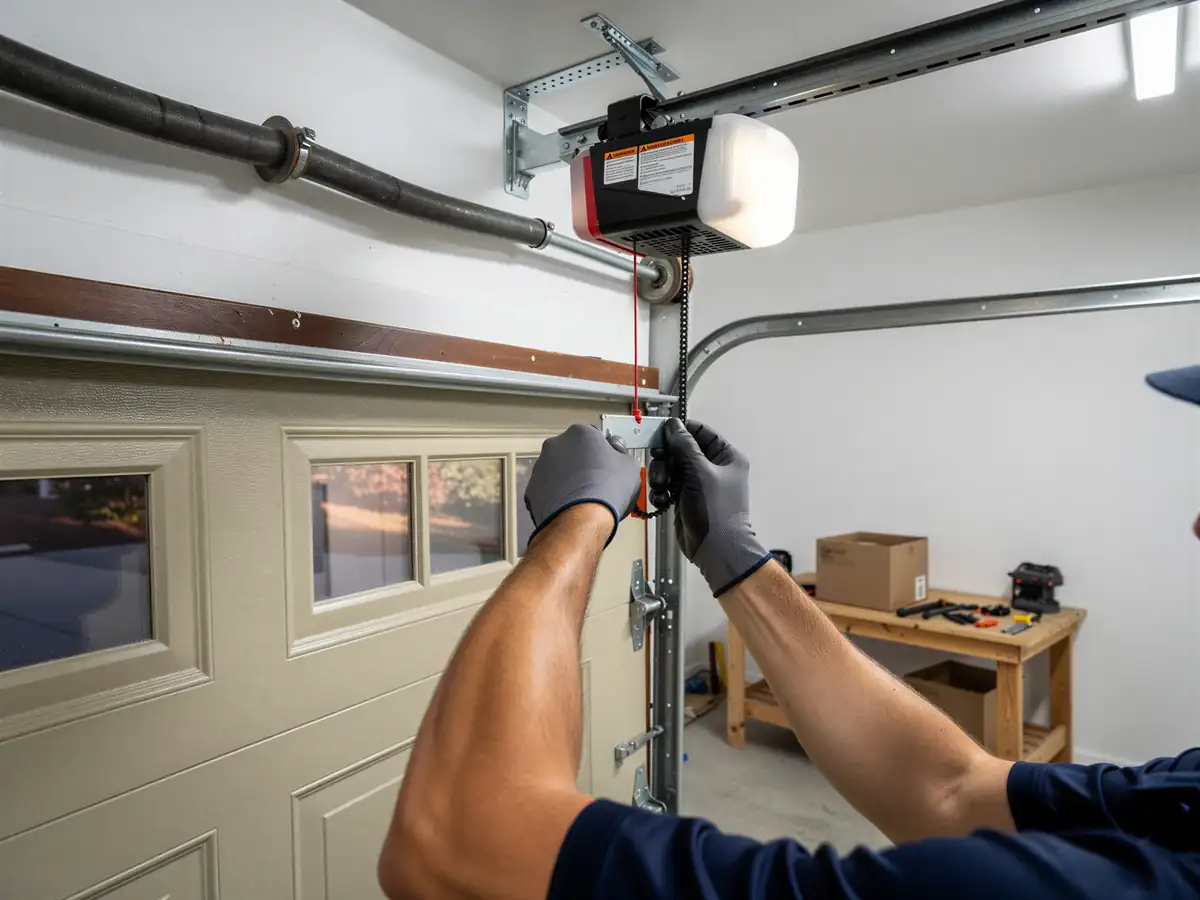
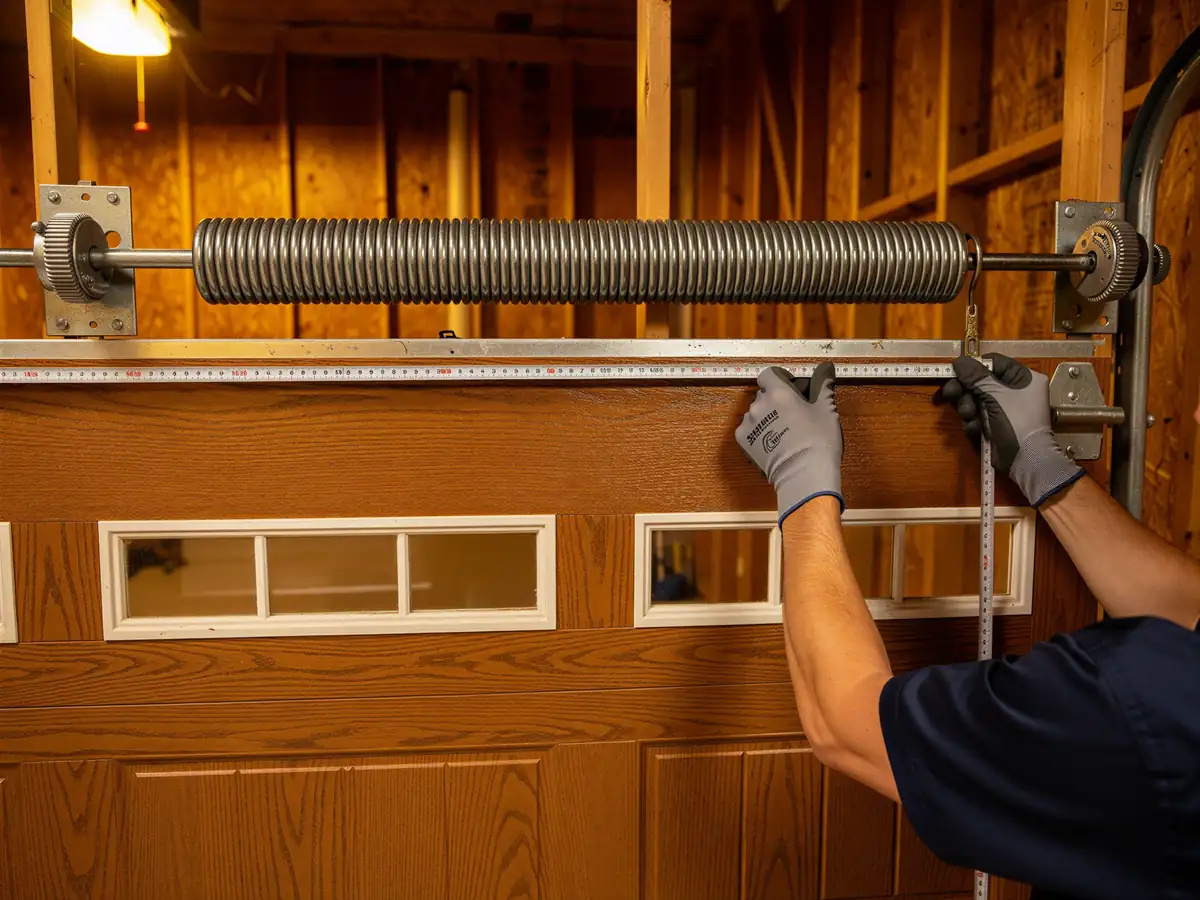
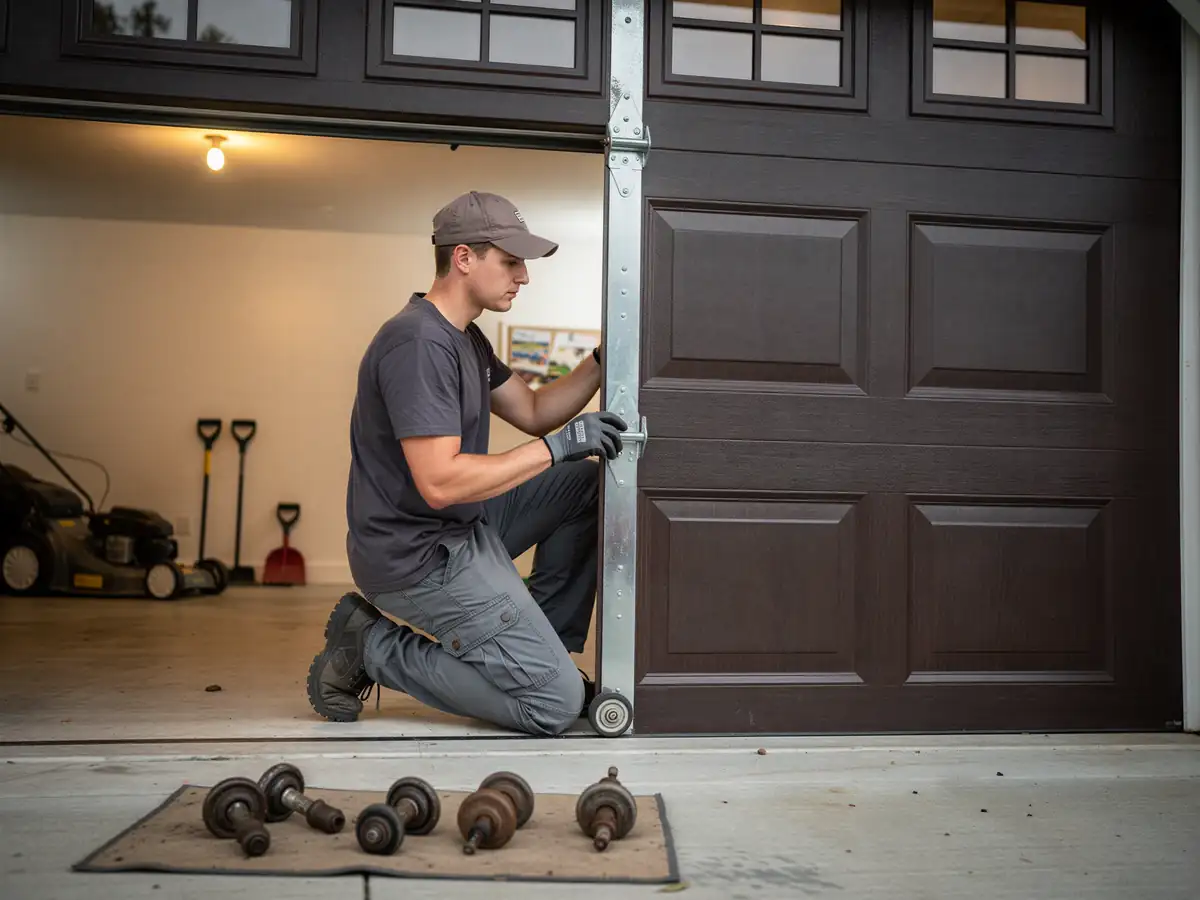
Saylorville's houses mostly date to around 1983, which means a lot of the doors still running are the originals or their first replacement, built on extension-spring hardware rather than the torsion setups that came standard a decade or two later. That matters if you're about to pull a panel yourself: extension springs sit along the horizontal tracks instead of over the door, and the safety cables that are supposed to contain a snapped spring weren't required on every job from that era. If you don't know whether your door has them, that's the first thing to check before you touch anything. Swapping a roller or tightening track bolts is reasonable DIY work. Pulling a spring, re-tensioning a cable drum, or adjusting anything under load is not - not because it's complicated, but because a spring at full tension lets go with enough force to break a hand or worse. We'll walk you through what's safe to do yourself over the phone if you call, but we won't talk you through a spring job. That's a limitation we're upfront about: some jobs need a second set of hands and the right bar, not a video and a crescent wrench.
The Cost of This Job
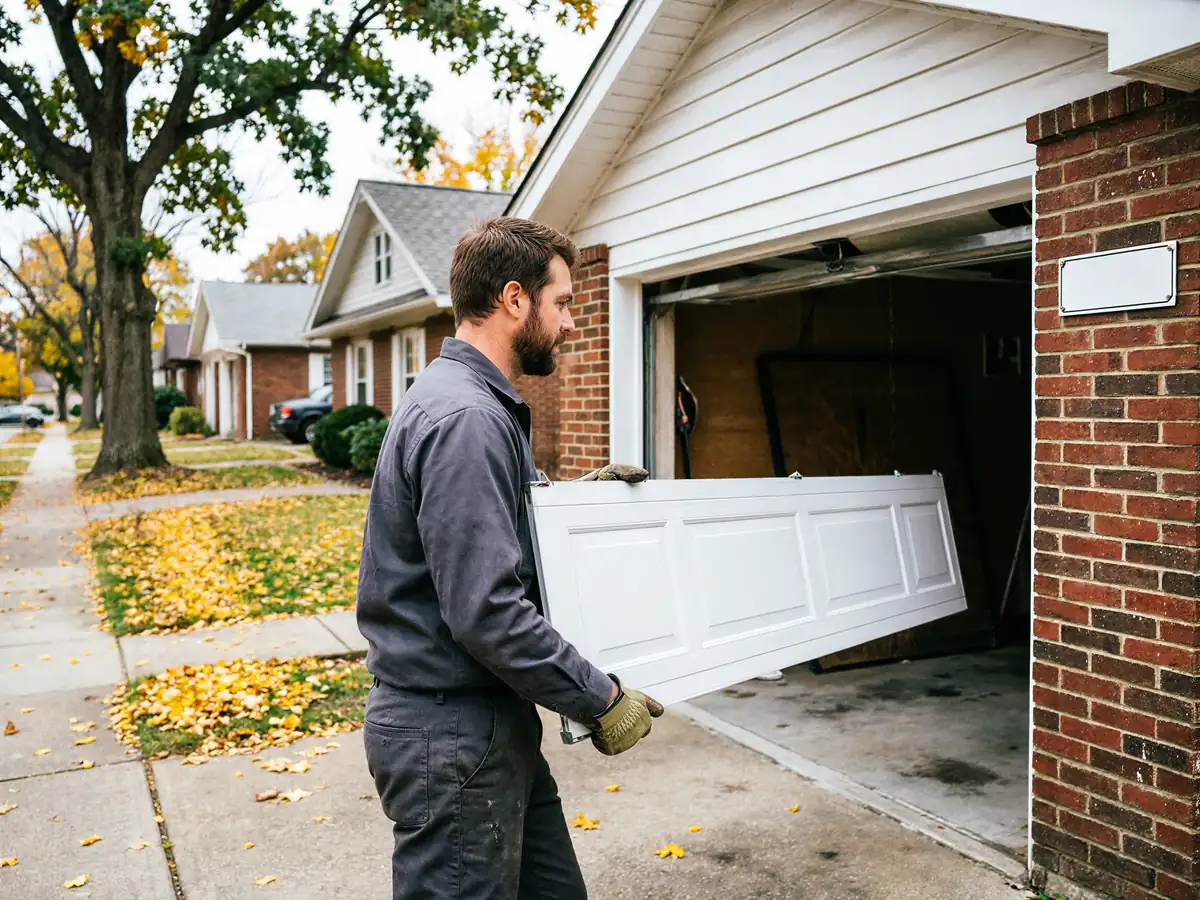
We don't publish flat prices here because the hardware on a 1983-era Saylorville door varies more than people expect - some houses got upgraded to torsion springs at some point, some never did, and that changes the job. What we can tell you is that a repair on original extension-spring hardware usually runs less than a full torsion conversion, since a conversion means adding new brackets and a center bearing plate the door was never built with. Saylorville's median household income sits lower than the wider Ankeny service area's - around $80,250 against the area median of $96,354 - and that gap doesn't change what parts cost, but it's part of why we quote the repair first and only bring up replacement when the door genuinely isn't worth saving. A cracked panel on a 40-year-old steel door, for instance, usually isn't.
Getting It Booked In
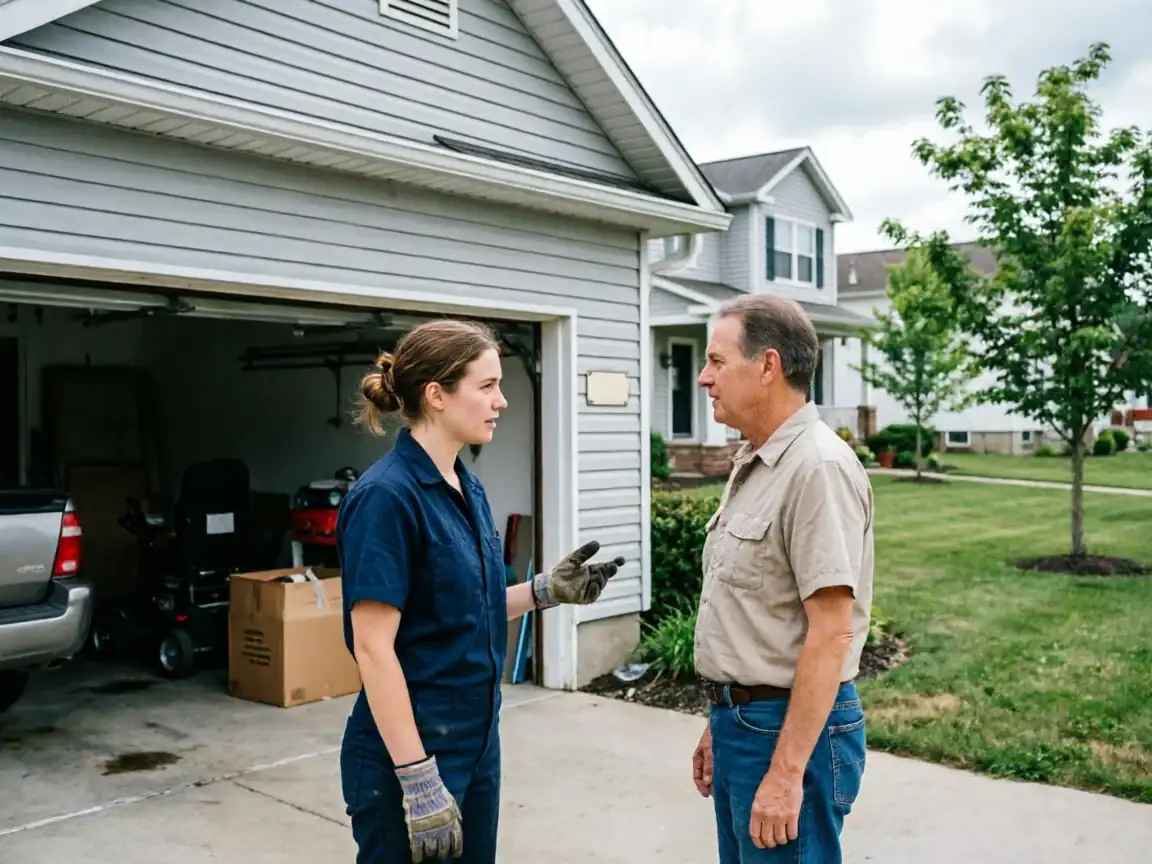
With around 1,400 households in Saylorville, this isn't a route we run every day the way we might in a bigger suburb - we schedule the job when you call rather than keeping a standing crew on this side of Ankeny. That's not a knock on the town, it's just the math of a smaller household count. Tell us the door's age if you know it, whether it's ever had a spring replaced, and whether the opener is original - that's usually enough for us to bring the right spring size and bracket hardware on the first trip instead of a second one. We cover Saylorville from our Ankeny base, so there's no local branch to route you to, just the one call.
Why This Fails Locally
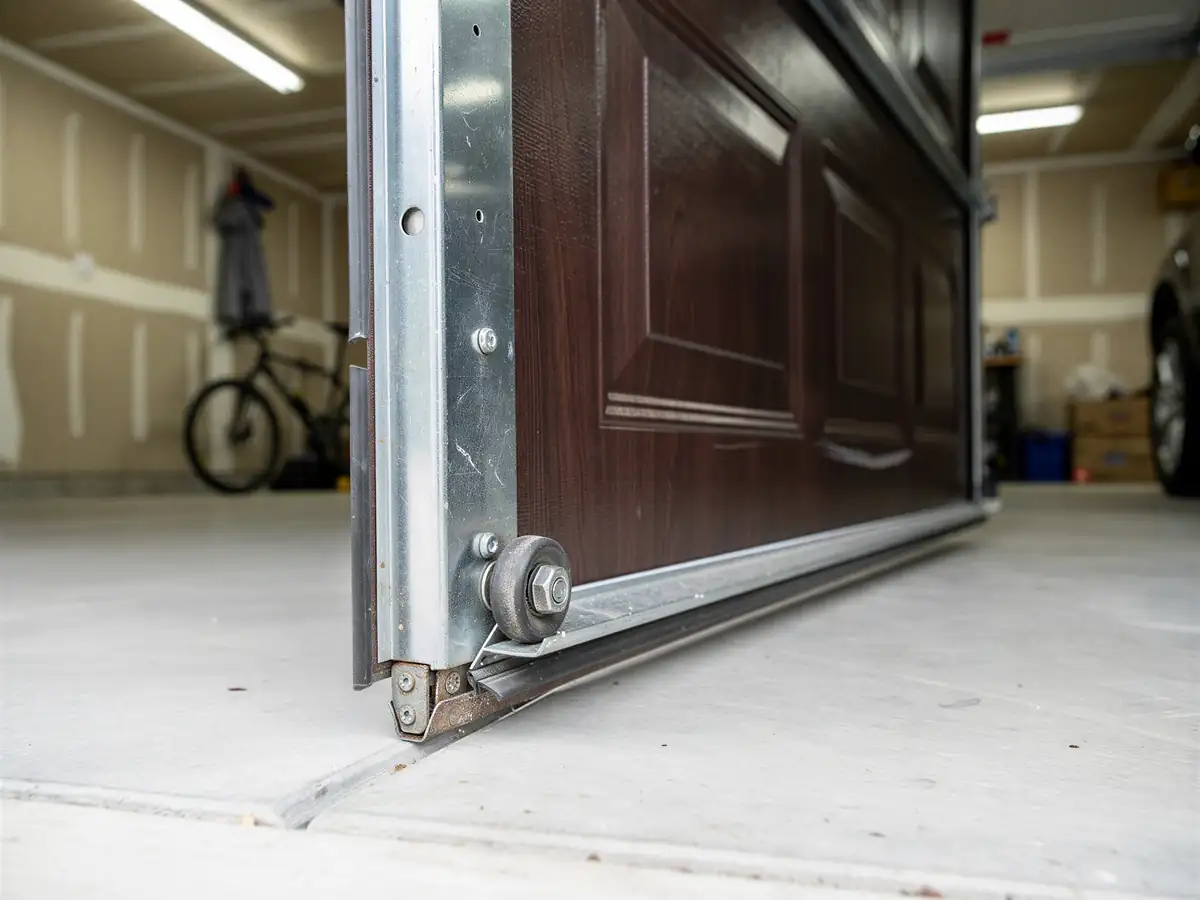
Houses built around 1983 in this climate band - classified cold, with real heating-season demands - were built with weatherstripping and insulation standards that look thin by current code. On a garage door, that shows up as a bottom seal that's hardened and cracked decades before the door itself fails, letting cold air into an attached garage all winter. It also shows up in the spring steel: extension and torsion springs both lose tension faster through repeated cold-to-warm cycling than manufacturers' life-cycle numbers assume, which is based on steady indoor conditions. A door that's supposed to be good for 10,000 cycles often isn't, once you factor in a few decades of Iowa winters working the steel. That's a maintenance issue more than a design flaw, but it's one that specifically hits houses of this age in this climate.