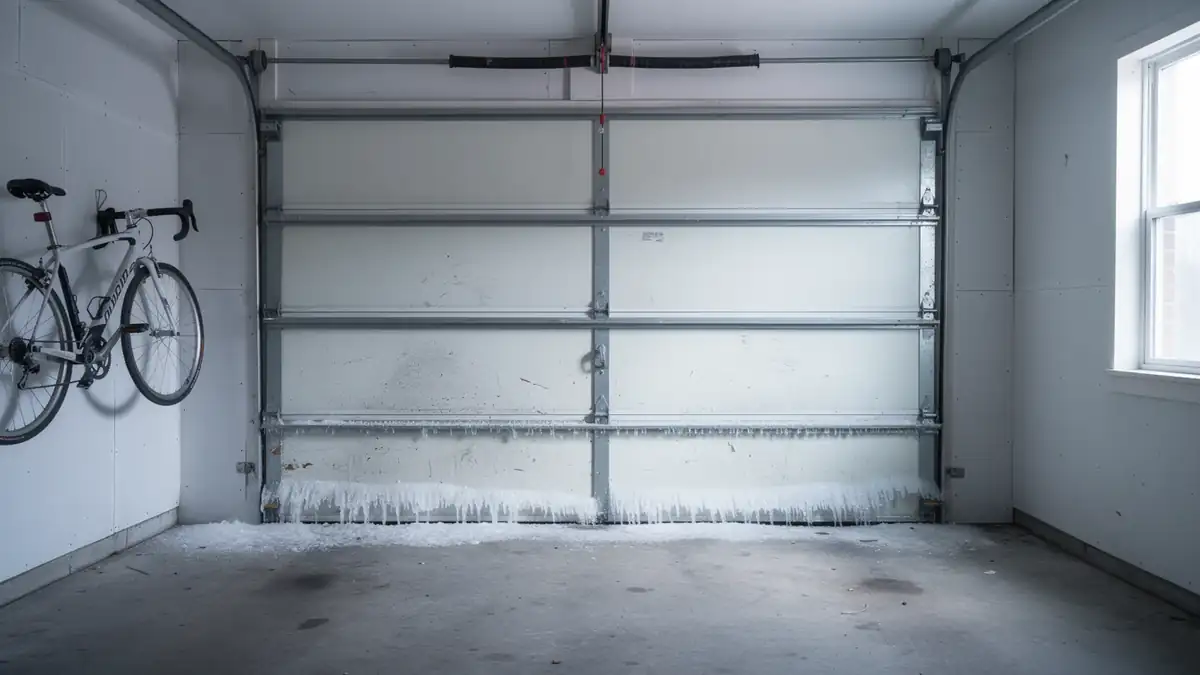
What the Weather Here Does to It
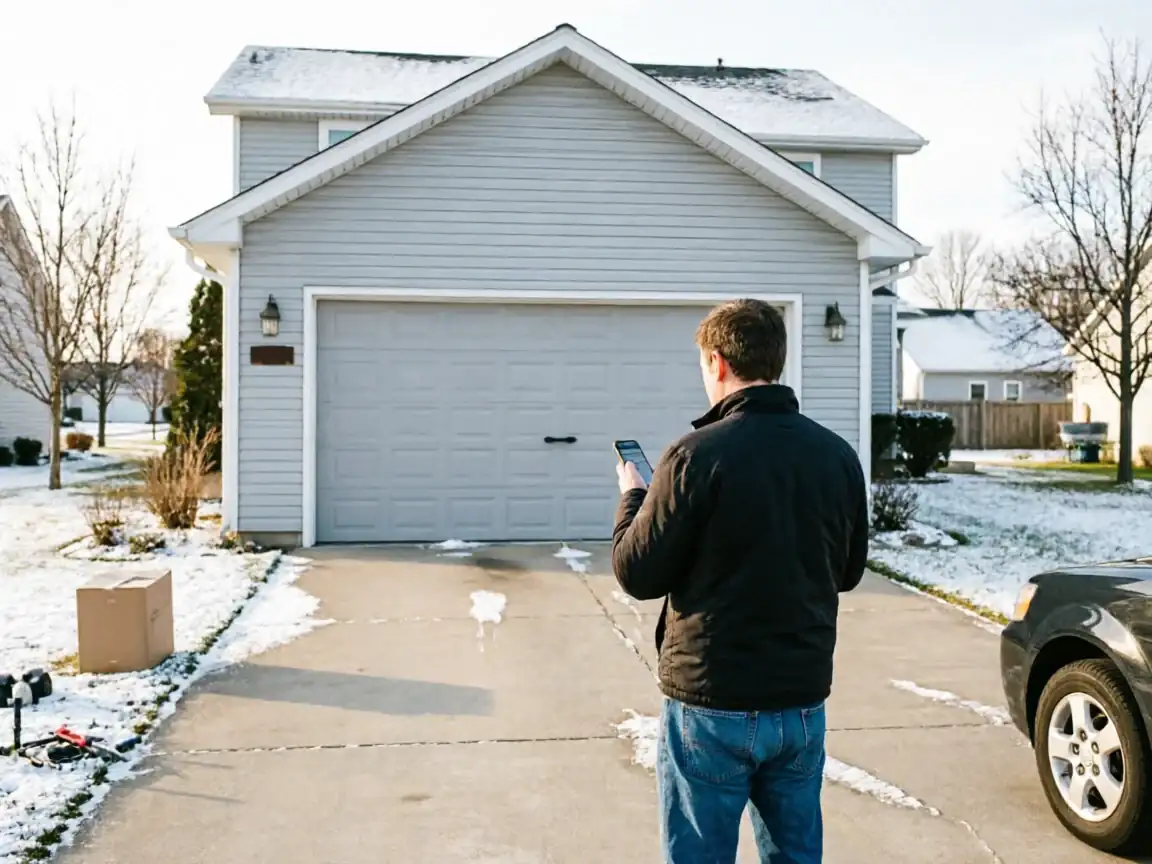
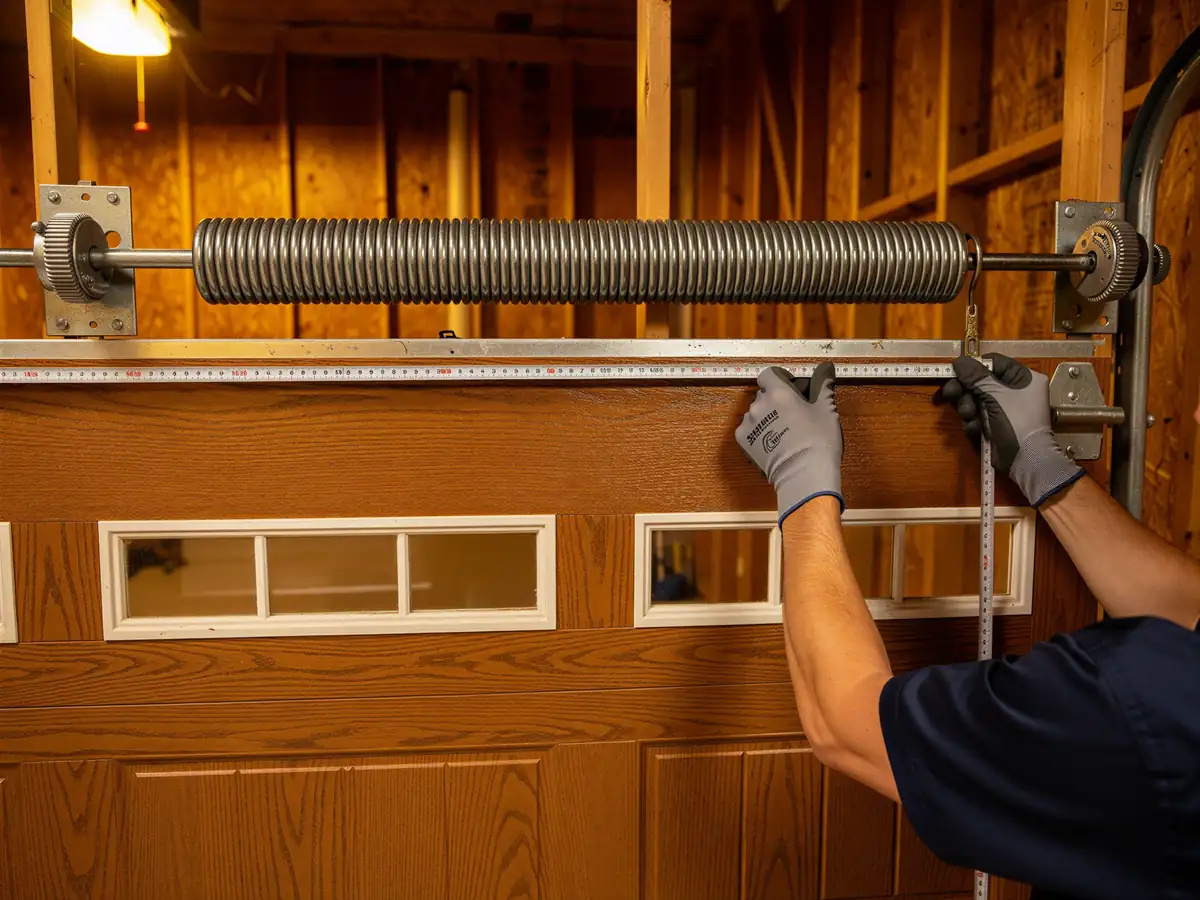
Ankeny sits in a cold moderate climate band, and that matters more to a garage door than most homeowners think. Steel panels contract in the cold and expand again every time the temperature swings through a freeze-thaw cycle, which is a regular event here, not a rare one. That movement works on the weld points of torsion springs and on the seams of hollow steel panels, year after year, until a spring that looked fine in October lets go on a January morning.
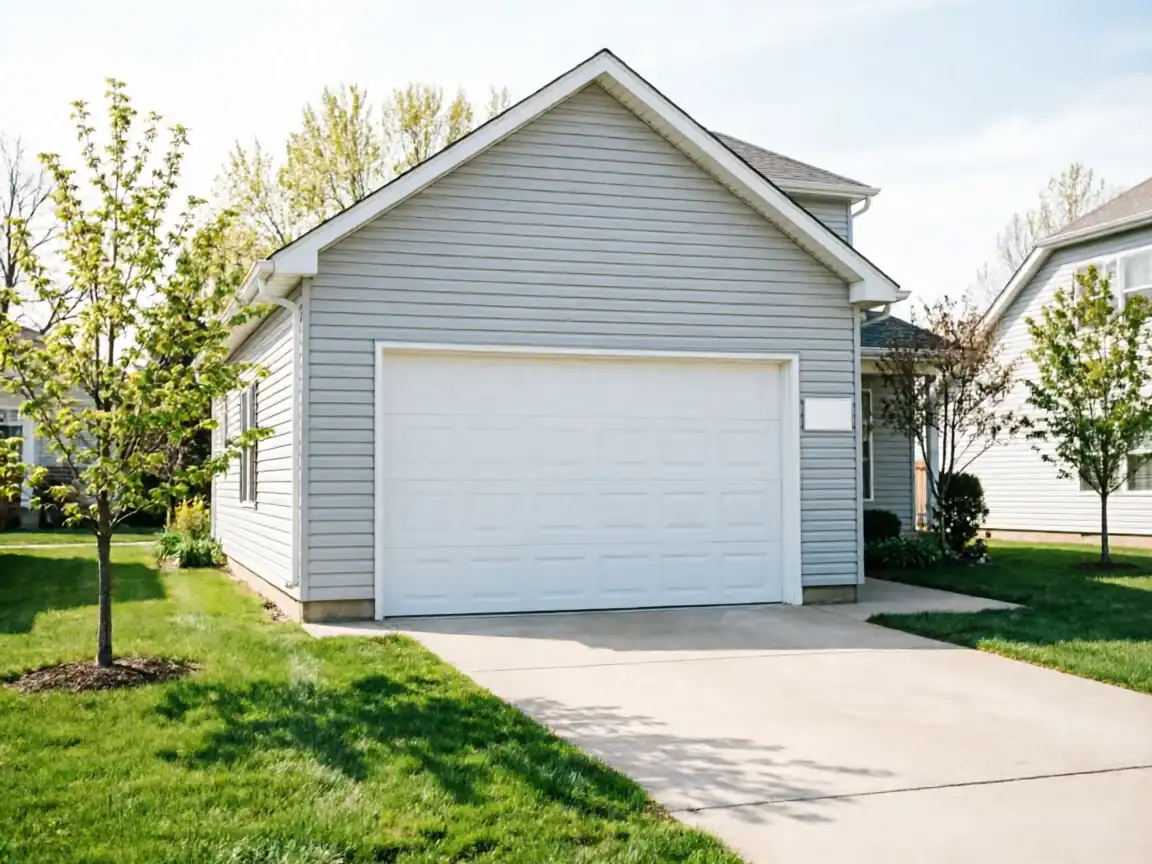
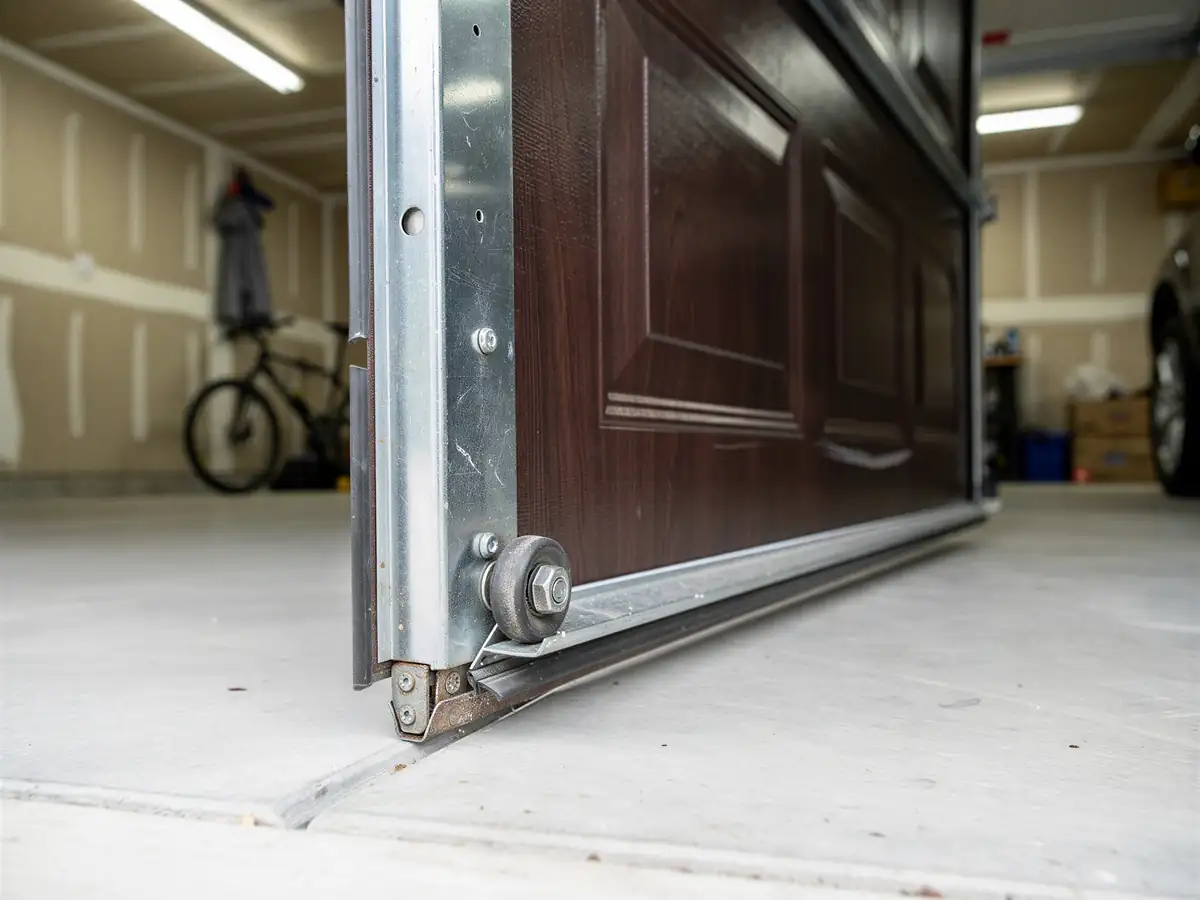
Most of the housing stock in the 26 named areas that make up Ankeny went up in the 1980s and 90s, which means a lot of doors are the original steel sectional units from that era, with foam-core insulation that was standard for the time but isn't rated the way newer doors are. That foam dries and shrinks with decades of temperature swings, and the rubber bottom seal goes brittle in the cold faster than people expect. You'll notice it as a door that used to seal tight against the slab now letting a cold draft and a line of light through at the bottom corners.
This isn't a problem you fix once. It's maintenance you do because the climate keeps doing the same thing to the same parts every winter.
What Is Going On
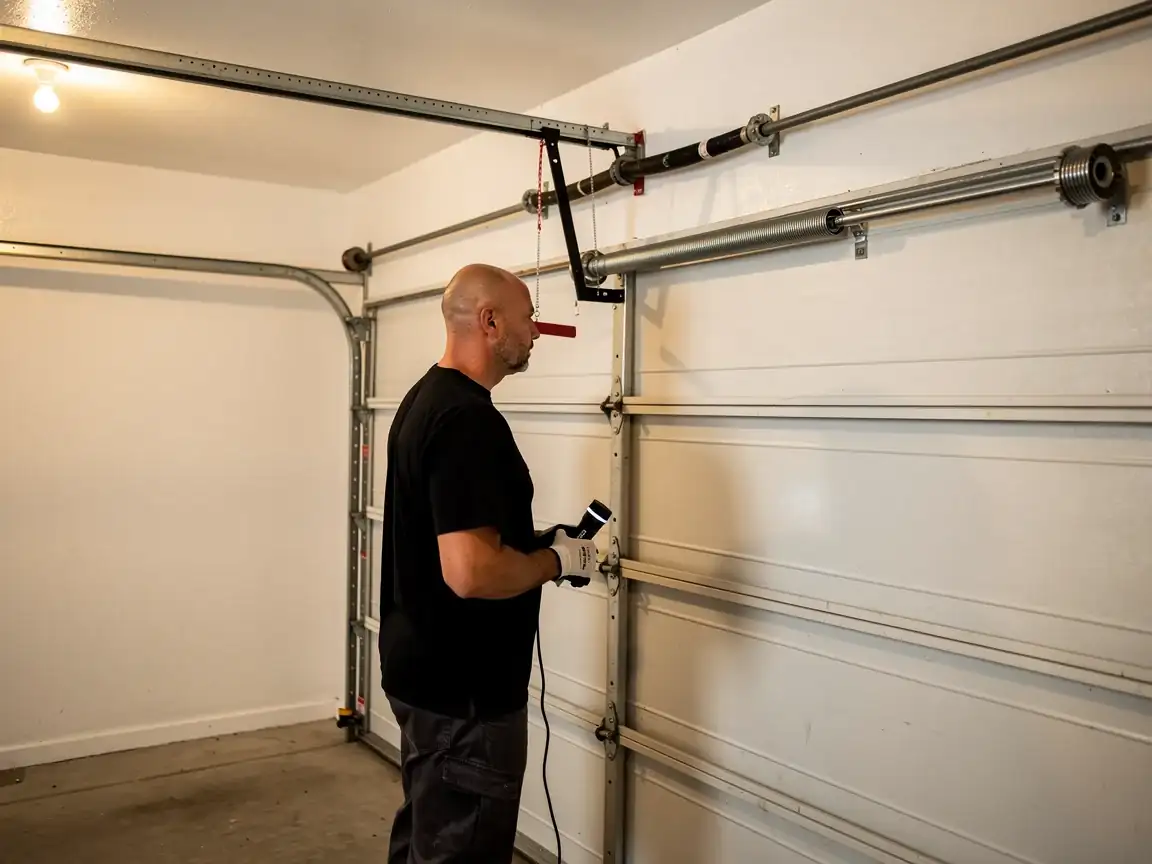
The median year built across the service area is 1993, and that single number explains a lot of the service calls we get. A torsion spring is rated for a number of open-close cycles, not a number of years, but in practice most springs installed when a house was built are long past due by the time a house hits 30 years old. With a median of 1993, a large share of Ankeny's doors are sitting right at or past that point now.
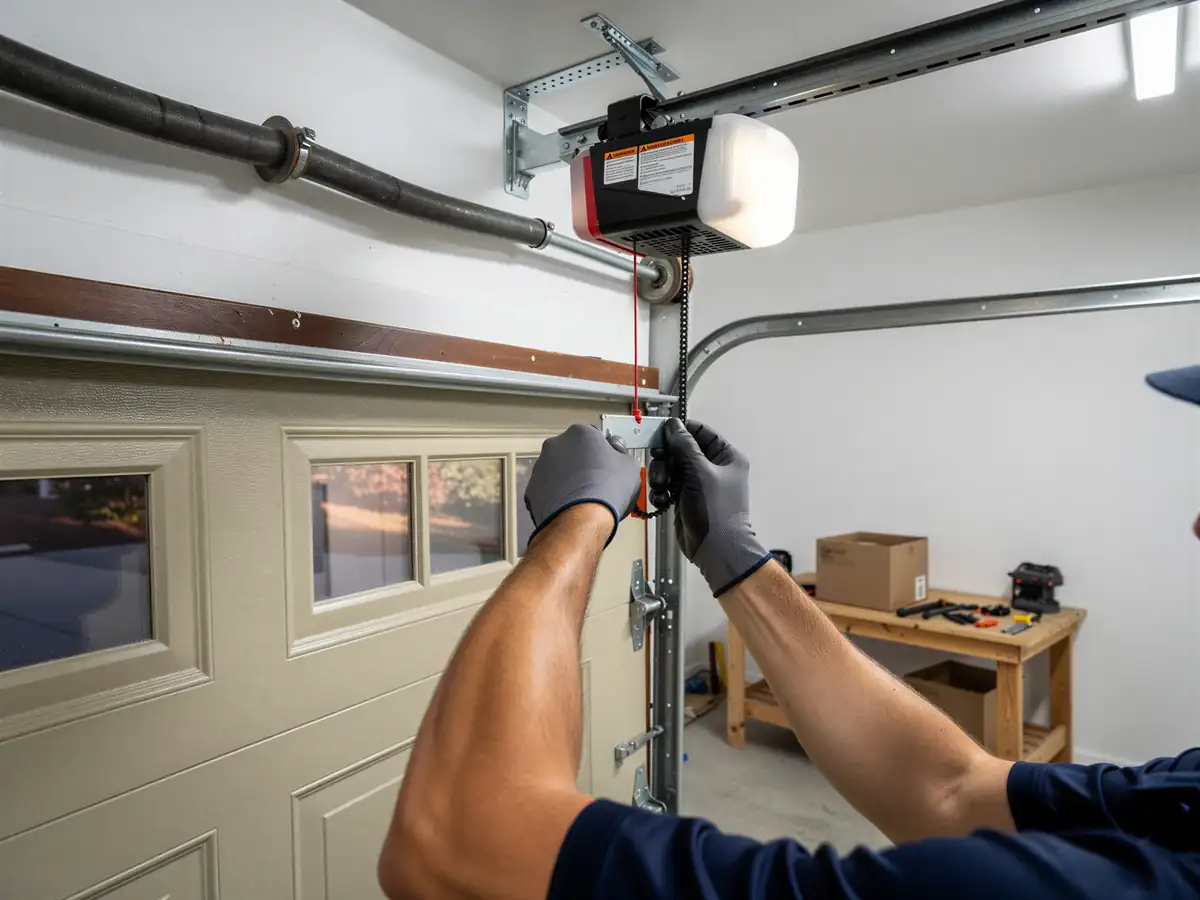
Openers follow the same pattern but on a shorter clock. A chain-drive opener from the 1990s is mechanically simple and often still runs, but the gears, capacitors, and safety sensors in units that old are not what you'd get today, and parts for some of those older models stopped being made a long time ago. When one of those fails, you're often looking at a full opener swap rather than a repair, because the part that broke isn't stocked anywhere anymore.
Across 46,052 owner-occupied houses in the service area, most built in that same 1980s-90s window, the pattern repeats itself: original spring, original opener, original seal, all aging out together instead of one at a time. That's a different maintenance picture than a neighborhood where houses were all built in different decades.
What to Look At First
Start with the spring, not the opener
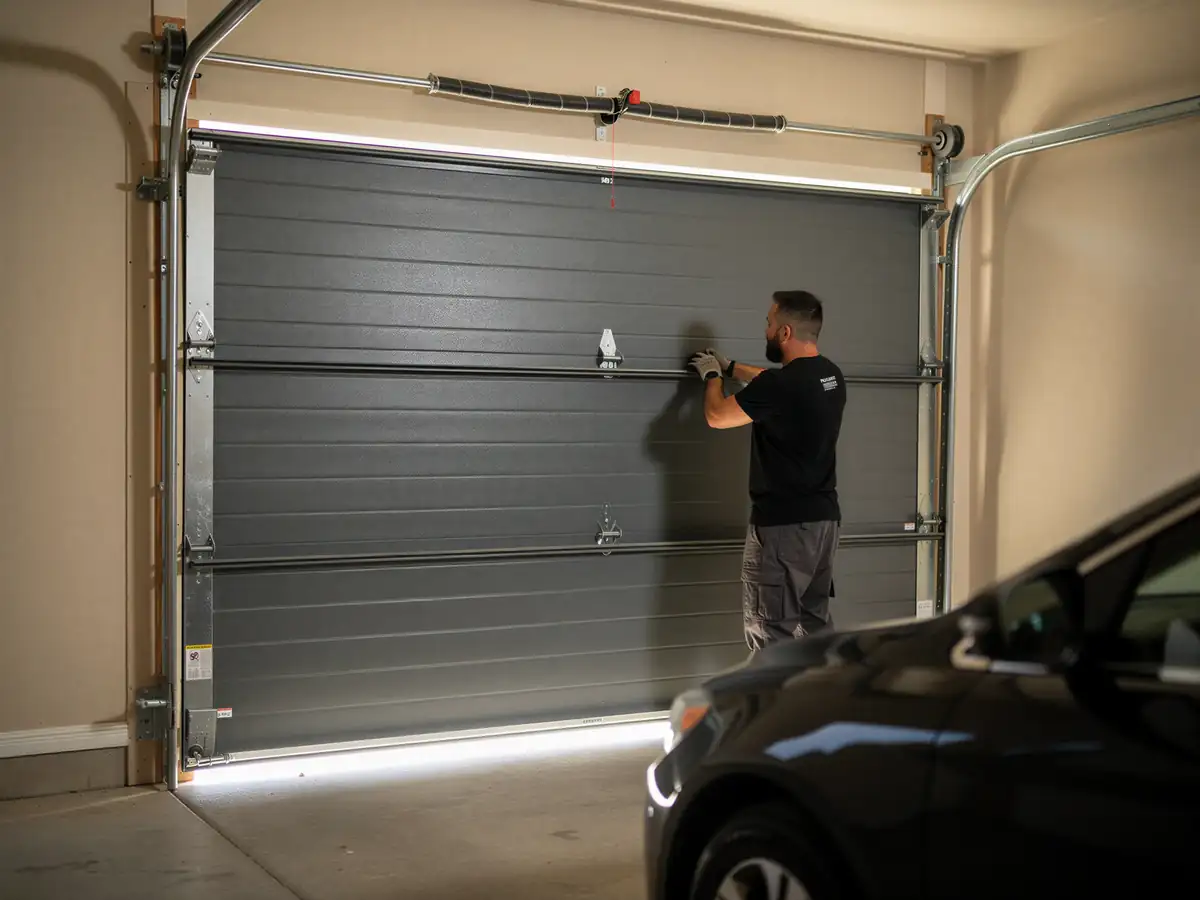
If the door feels heavy when you lift it by hand with the opener disconnected, or if it slams down instead of lowering evenly, the torsion spring is losing tension, and that's true regardless of what's wrong with the opener. This is the part that fails with the least warning and the most risk, so it goes first on the list.
Next, check the bottom seal and the weatherstrip along the sides
On a steel door from the 1980s or 90s, this rubber has usually hardened and cracked by now, and it's a cheap, fast fix that stops cold air and water from coming in under the door - worth doing even if nothing else is wrong yet.
Then look at the rollers and the track
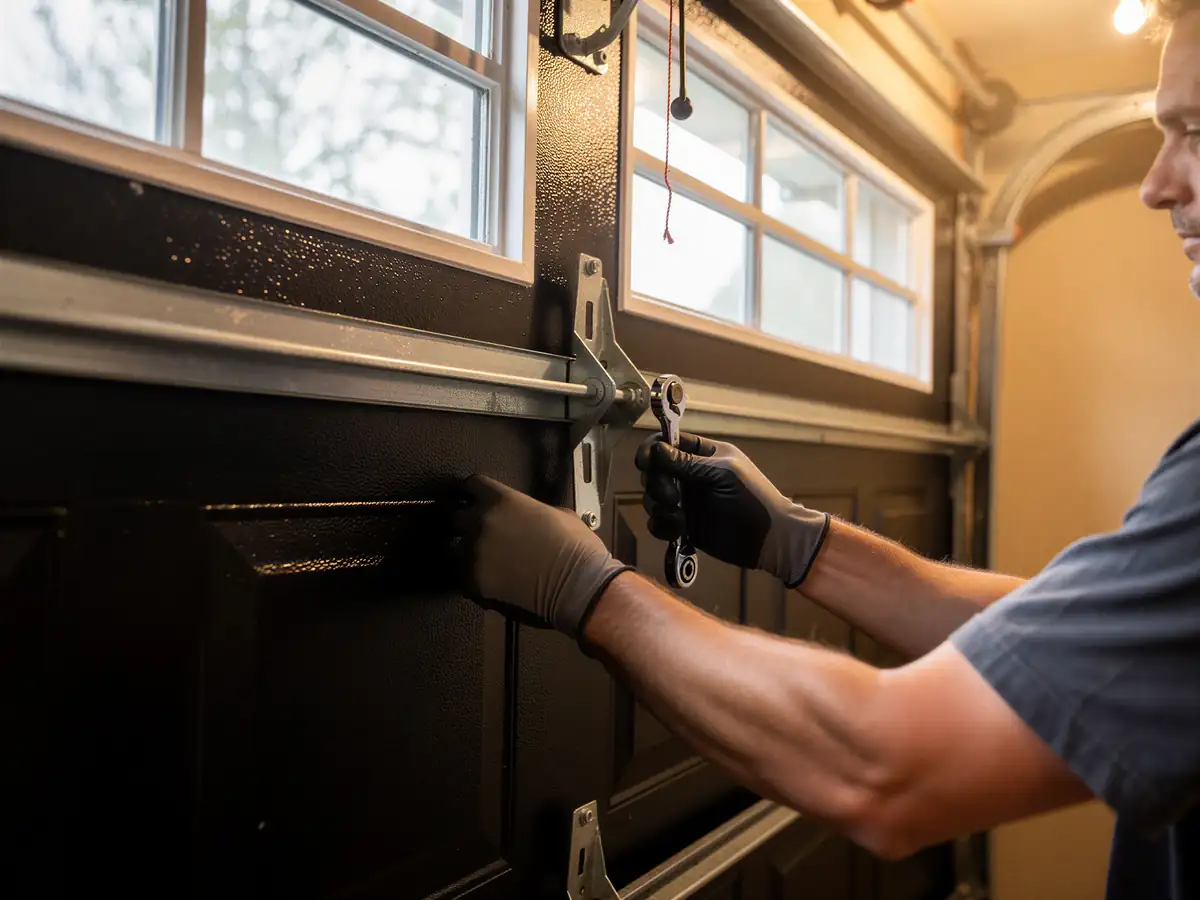
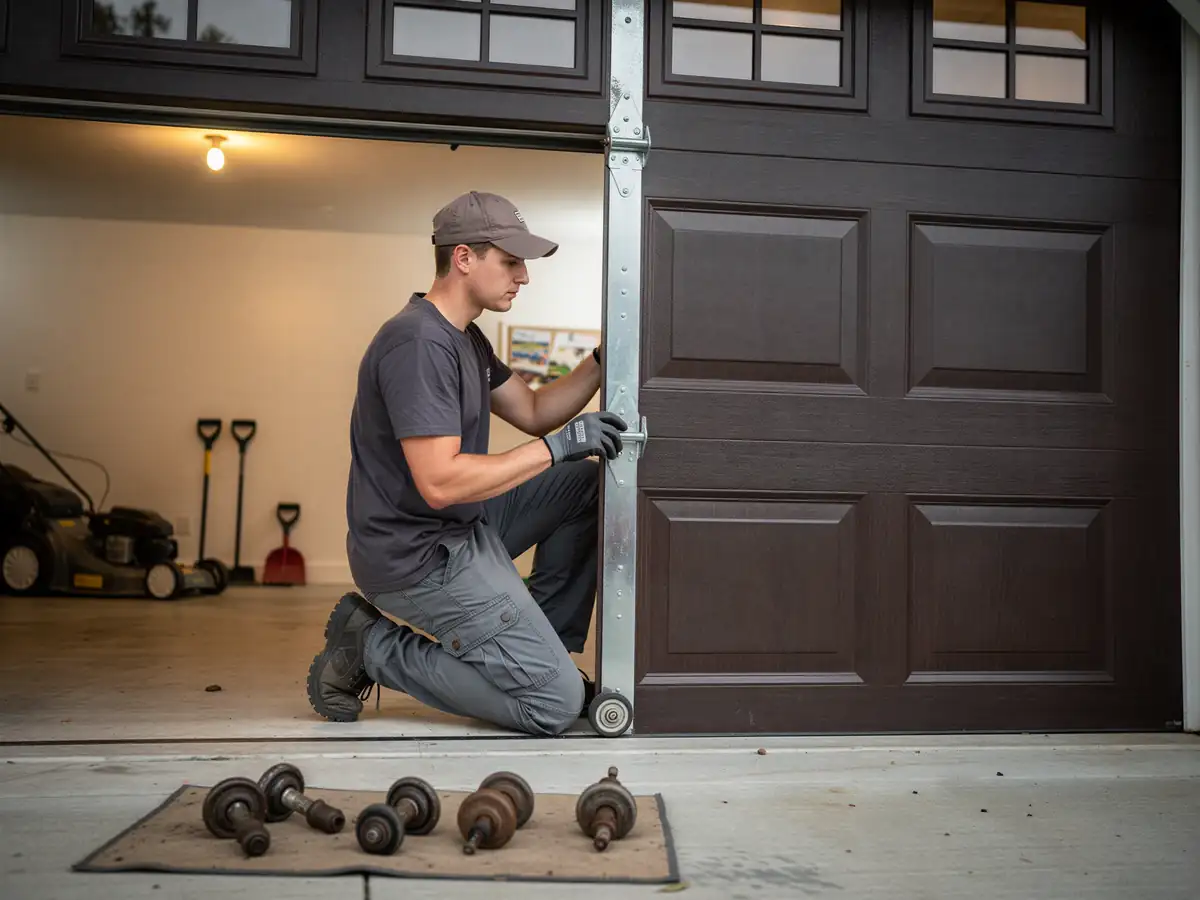
Original steel rollers from that era are noisier and wear faster than the nylon rollers used today, and on an older track that's slightly out of plumb, worn rollers bind and jump instead of rolling smooth.
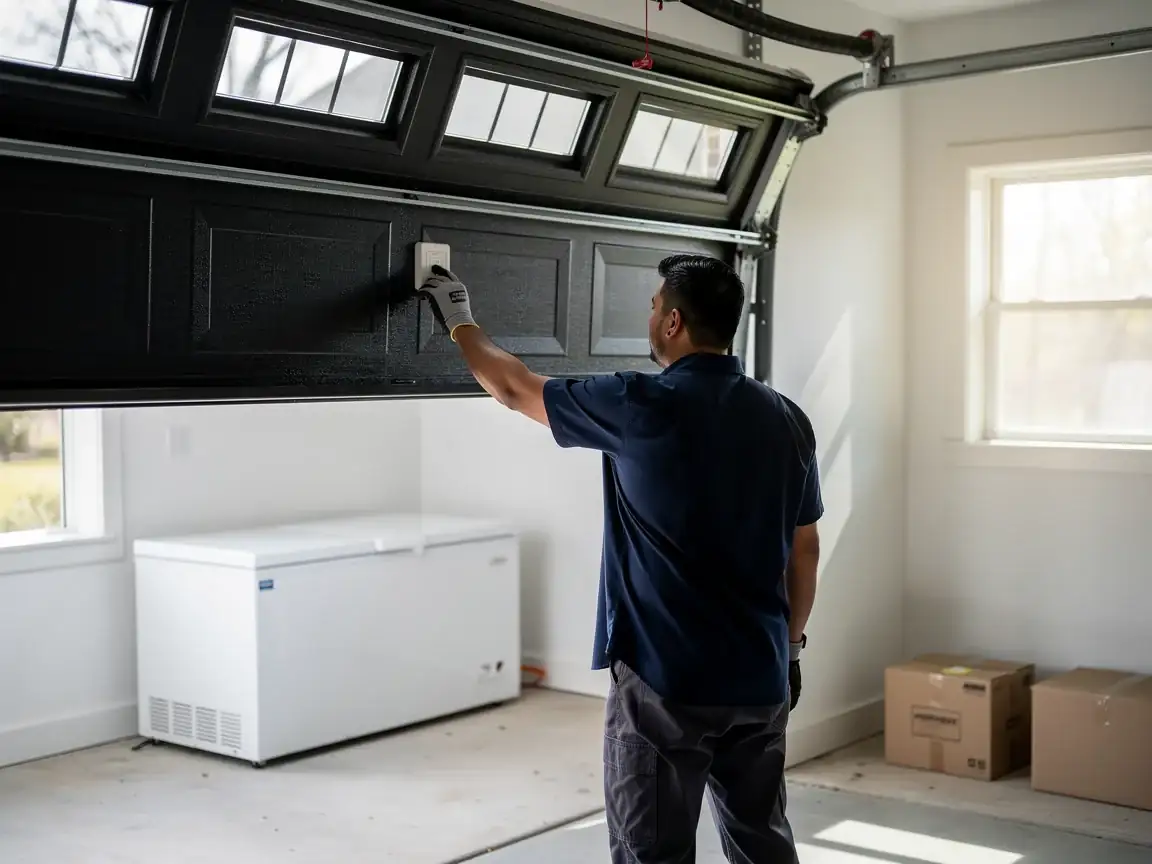
Last, test the opener's auto-reverse safety function by setting a piece of wood on the ground where the door closes
If it doesn't stop and reverse, that's not a maintenance item - that's a safety issue, and it should be dealt with before anything else on this list.
Where People Go Wrong
The most common mistake we see is replacing the opener and leaving the original spring in place because the opener was the thing that stopped working. An opener straining against a weak spring burns itself out faster, and you end up paying for the opener twice - once now, once again in a year or two when the spring finally lets go and takes the new opener's gears with it.
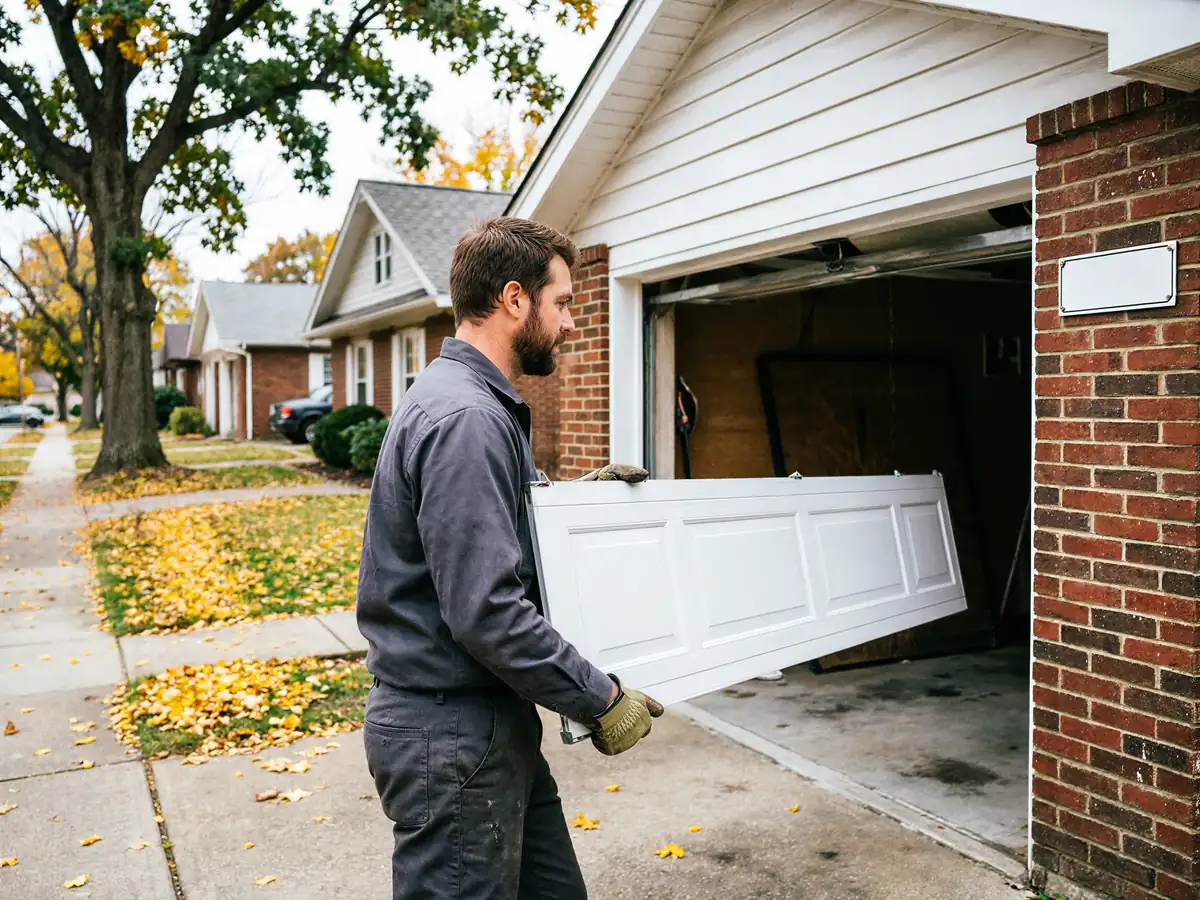
The second mistake is weatherstripping a door that's actually warped. On a steel panel door from the 1980s or 90s, years of moisture cycling can bow a panel slightly, and new seal won't fix a door that doesn't sit flat against the slab anymore. At that point you're better off replacing the door than chasing the draft with more seal.
Here's the honest limit: if your opener is one of the older chain-drive models with a part that's no longer manufactured, we may not be able to get that exact part. In that case, replacement is the real answer, not a workaround, and we'll tell you that instead of stretching out a repair that won't hold. If you're farther out - toward Saylorville, Alleman, or Prairie Trail - some of that newer construction behaves differently than the core 1990s stock, so what's true for one street isn't automatically true for another.