This Area's Housing
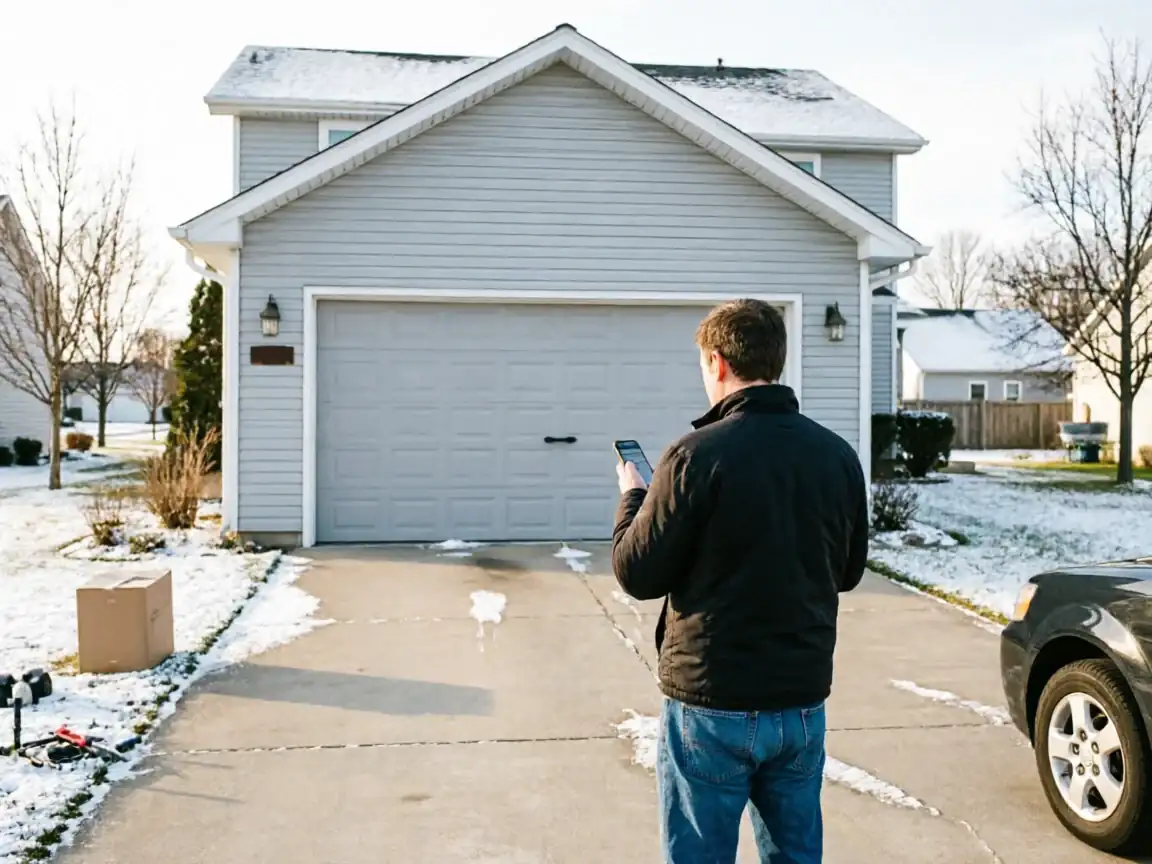
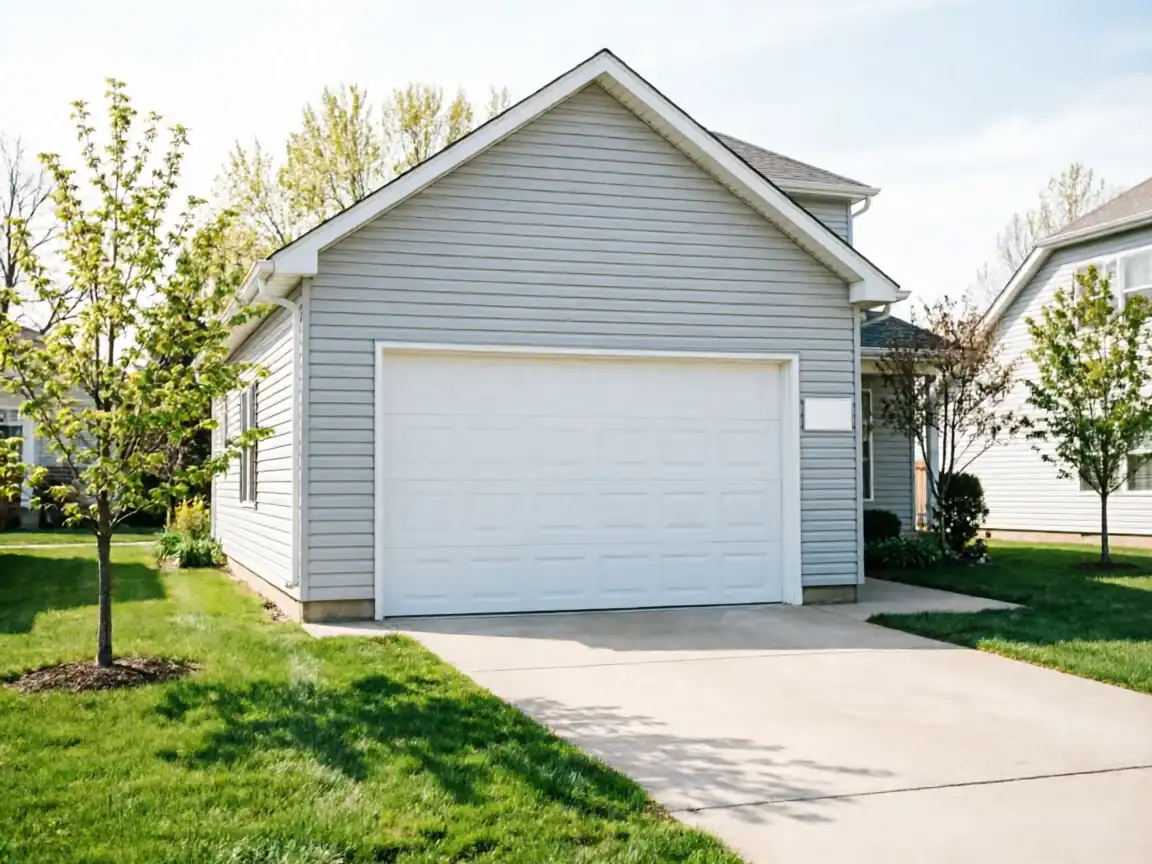
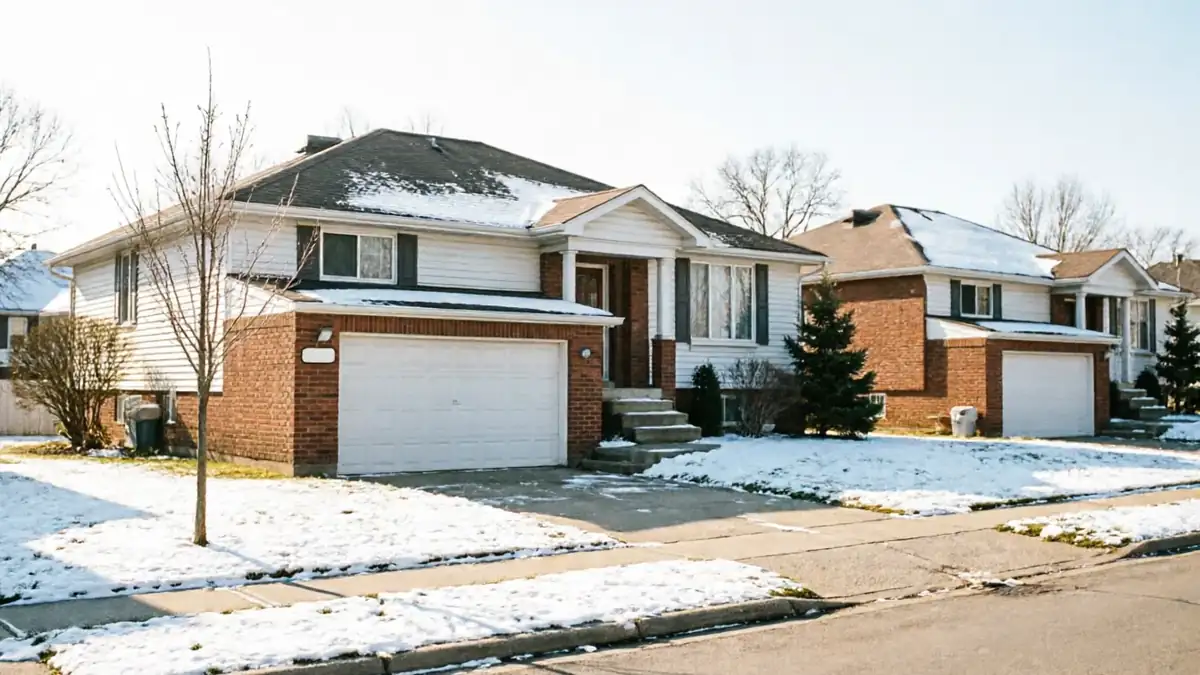
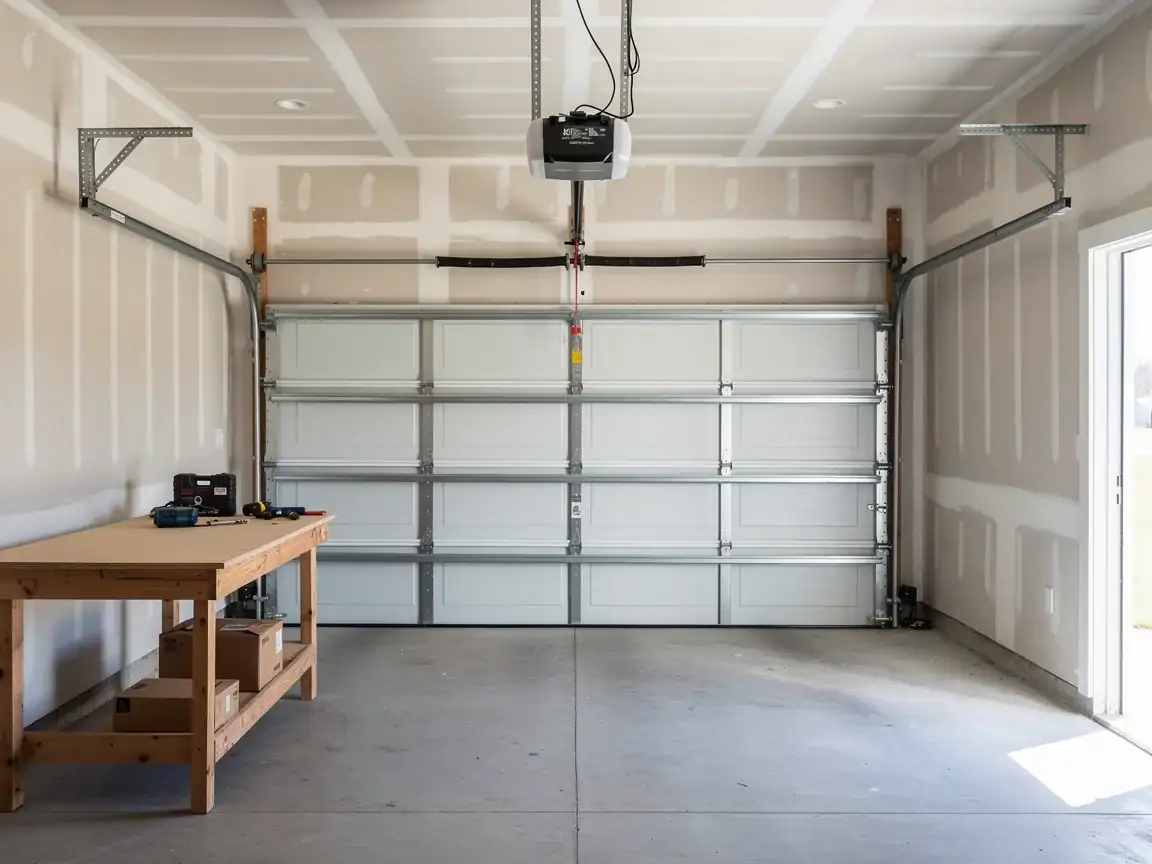
Johnston sits about 7 miles from our Ankeny base, and the houses here skew newer than a lot of the rest of our coverage area. The median year built across our wider service territory lands around 1993, but Johnston's own median is 2004 - a solid decade younger. That matters because a 2004-era build is a different animal from a 1960s or 1970s garage. You're not dealing with original hardware that's been limping along since the Carter administration. You're dealing with doors and openers that are now old enough to need real maintenance, but young enough that they were built to a more current code and with better steel than the old one-piece doors from decades back. With roughly 9,552 households in Johnston and a median income around $103,430, this is also an area where people tend to fix things properly rather than patch them, which changes how we approach a job here versus somewhere with older, lower-turnover housing stock.
What That Means for Doors
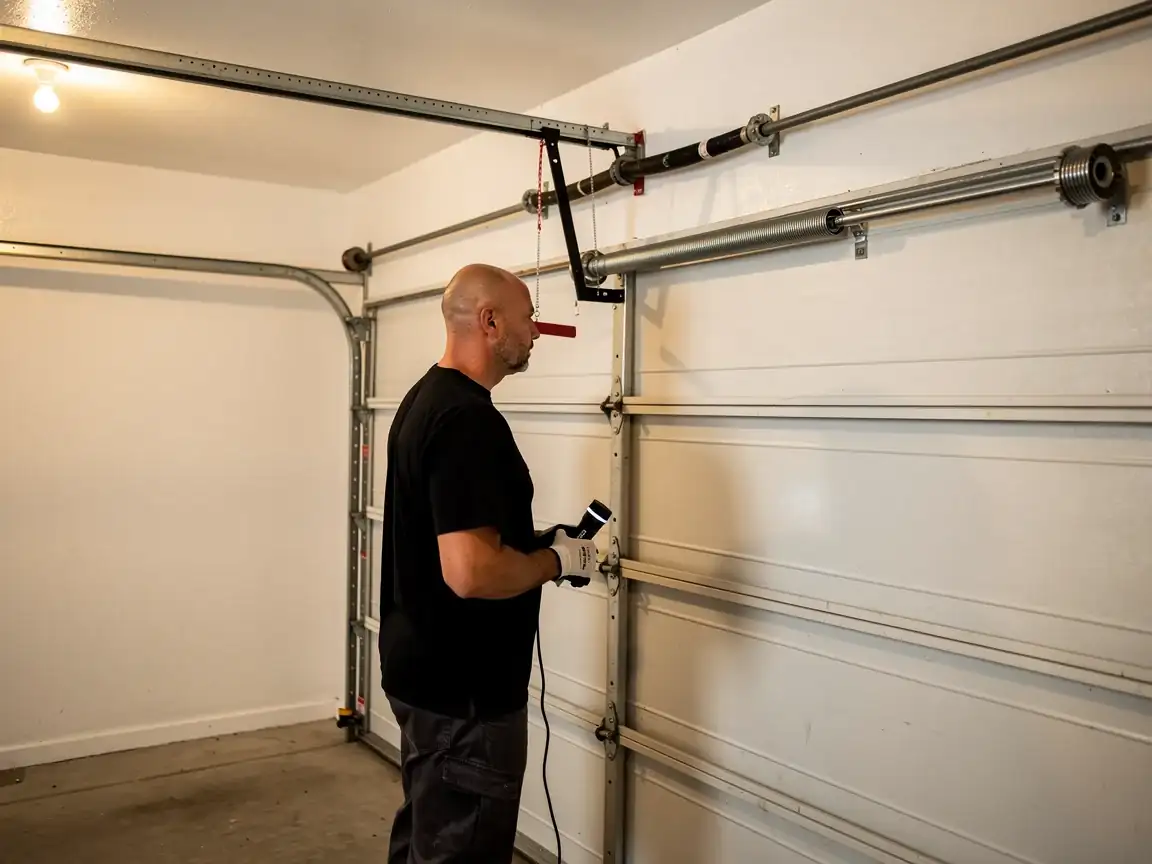
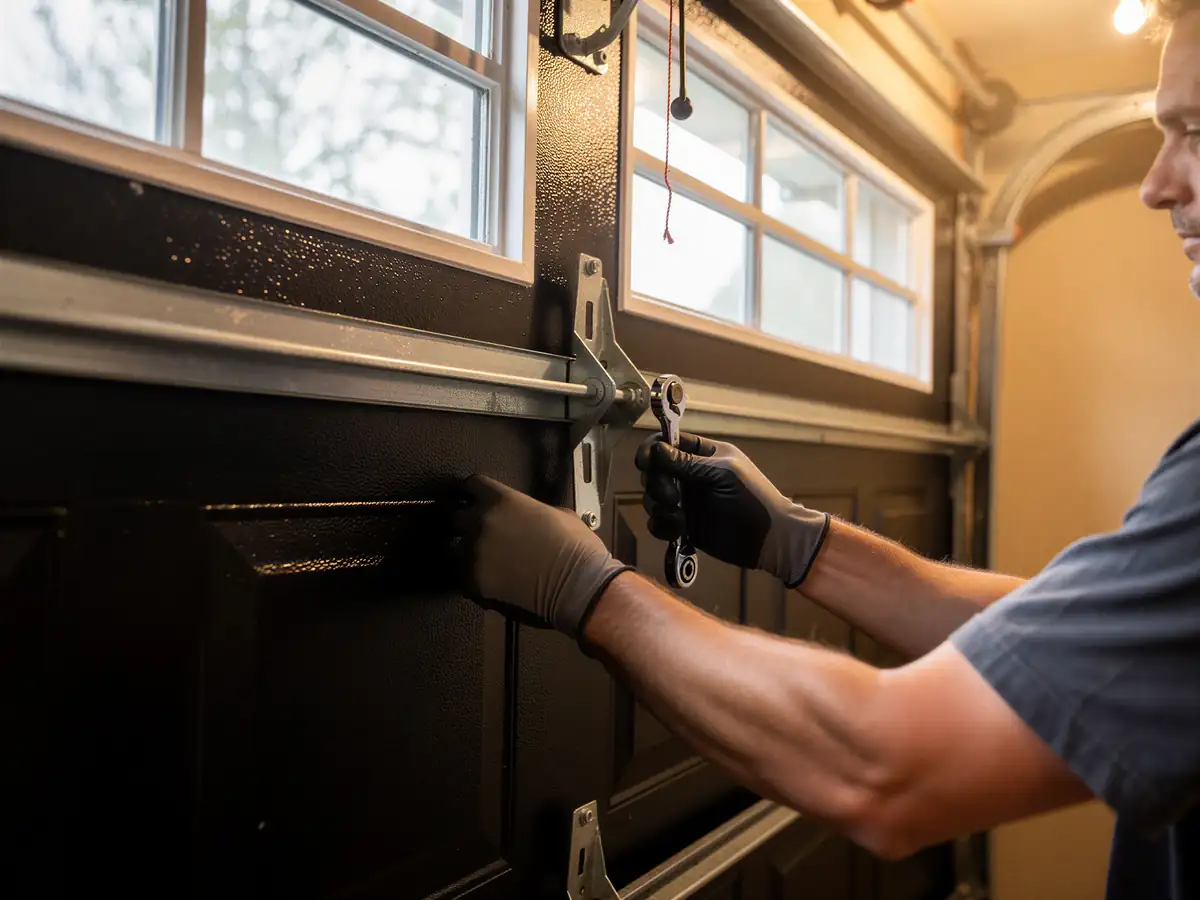
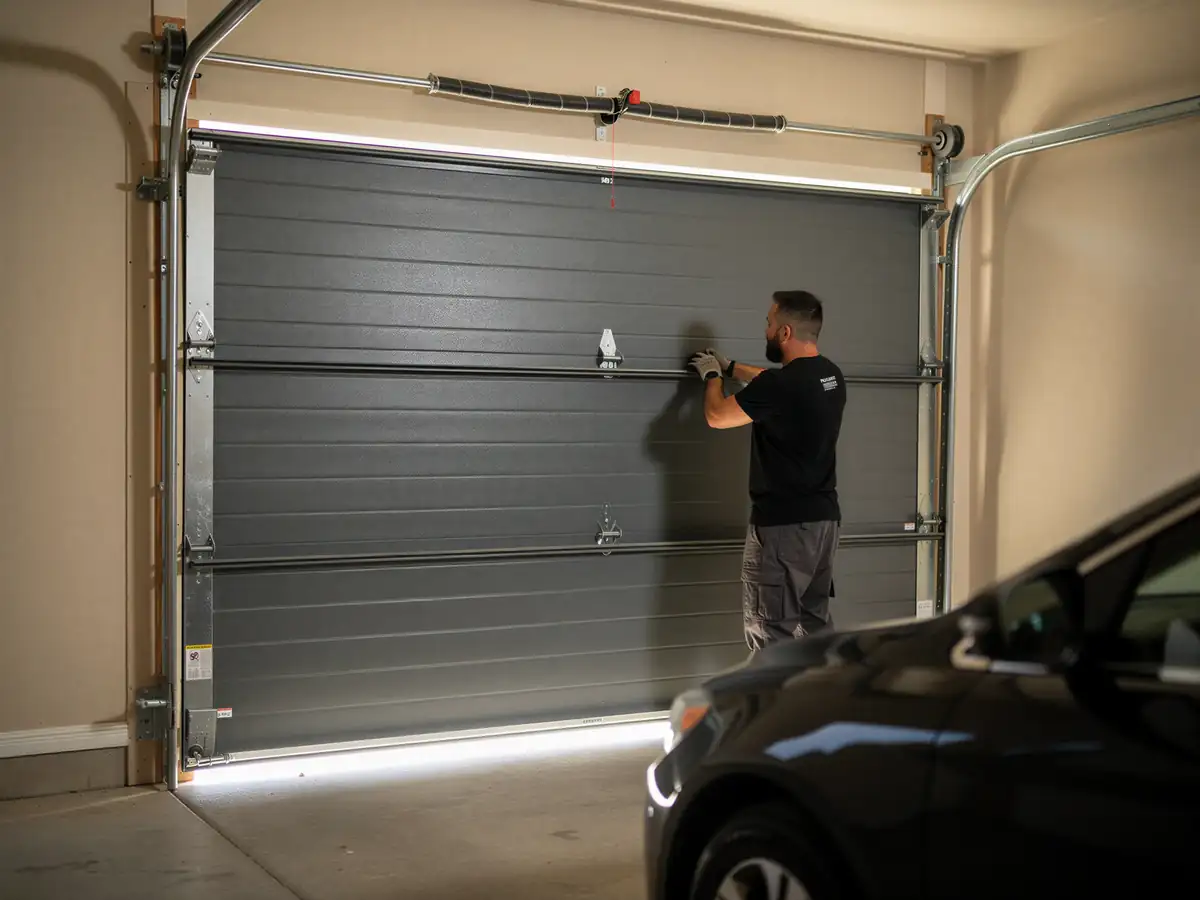
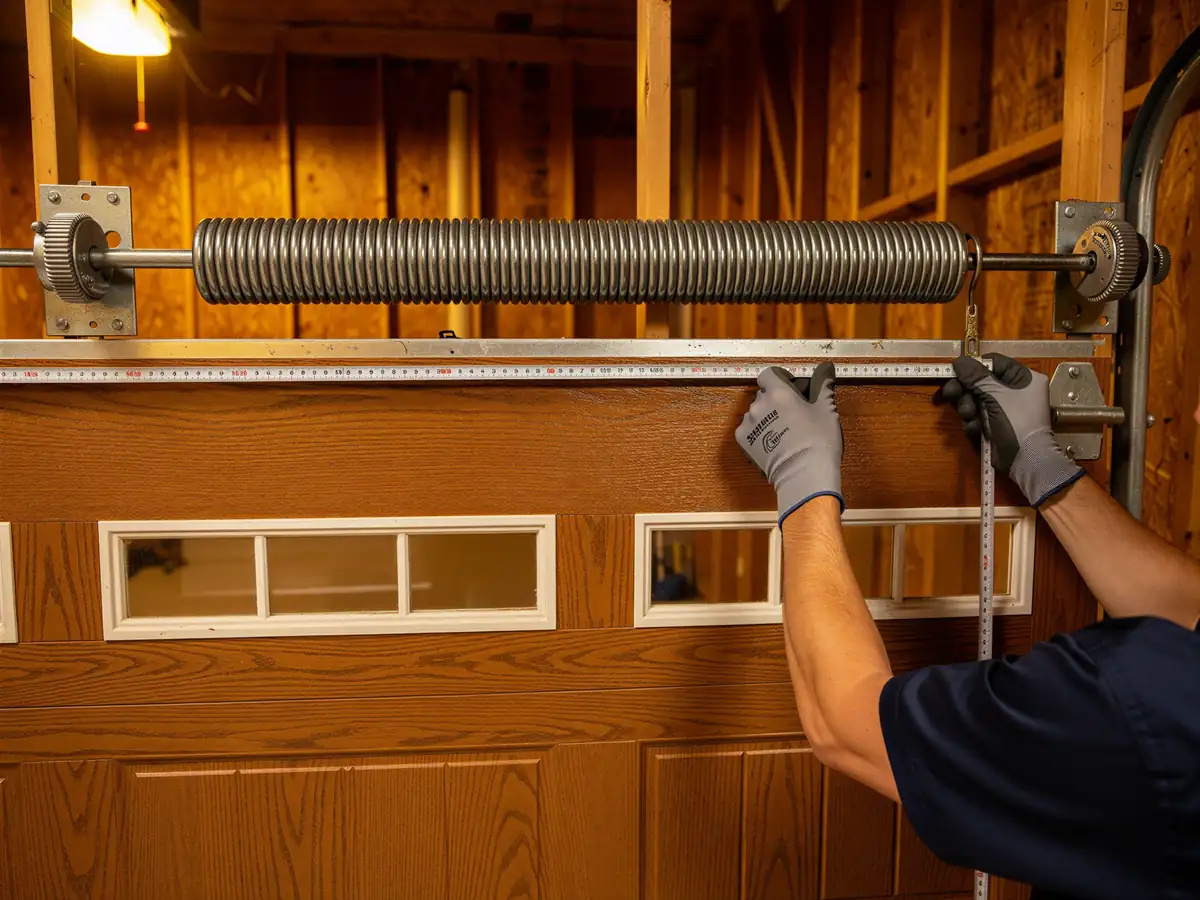
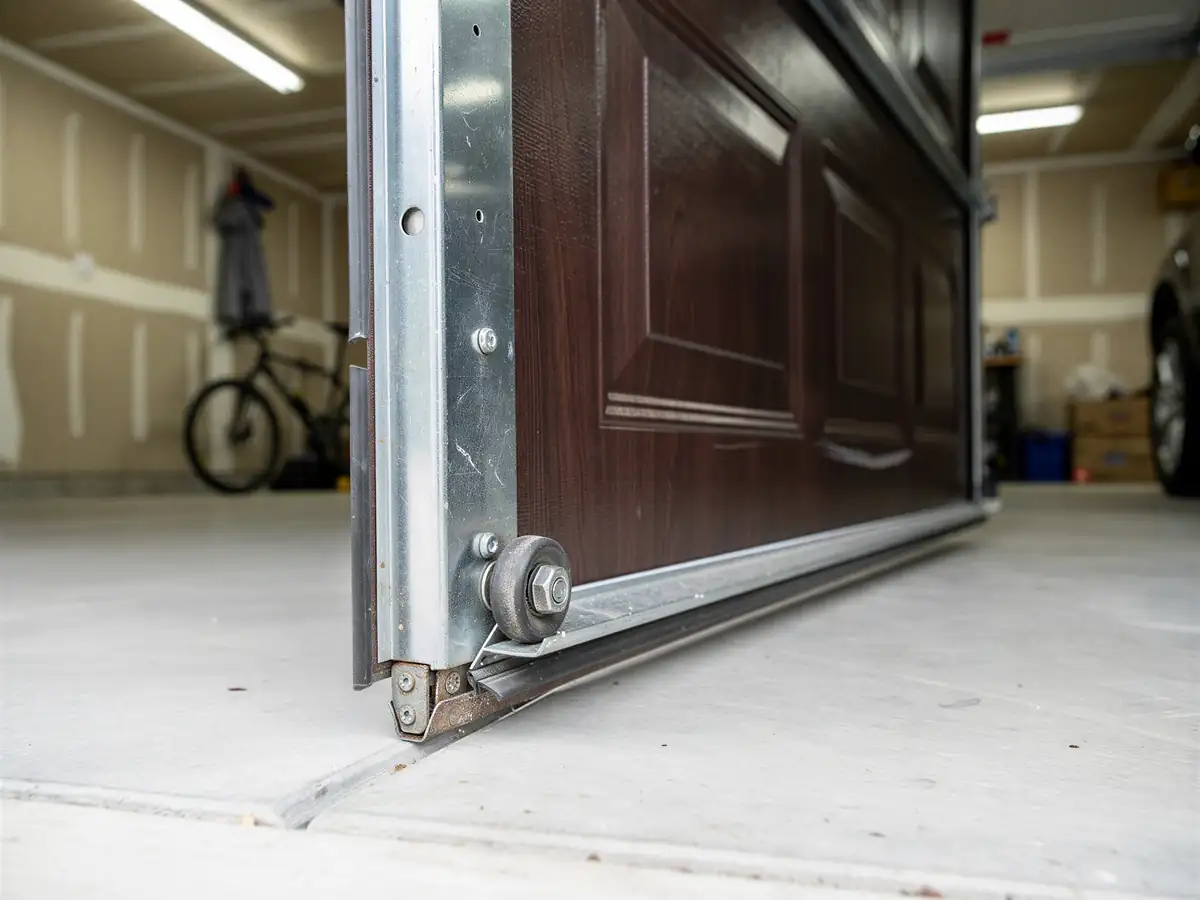
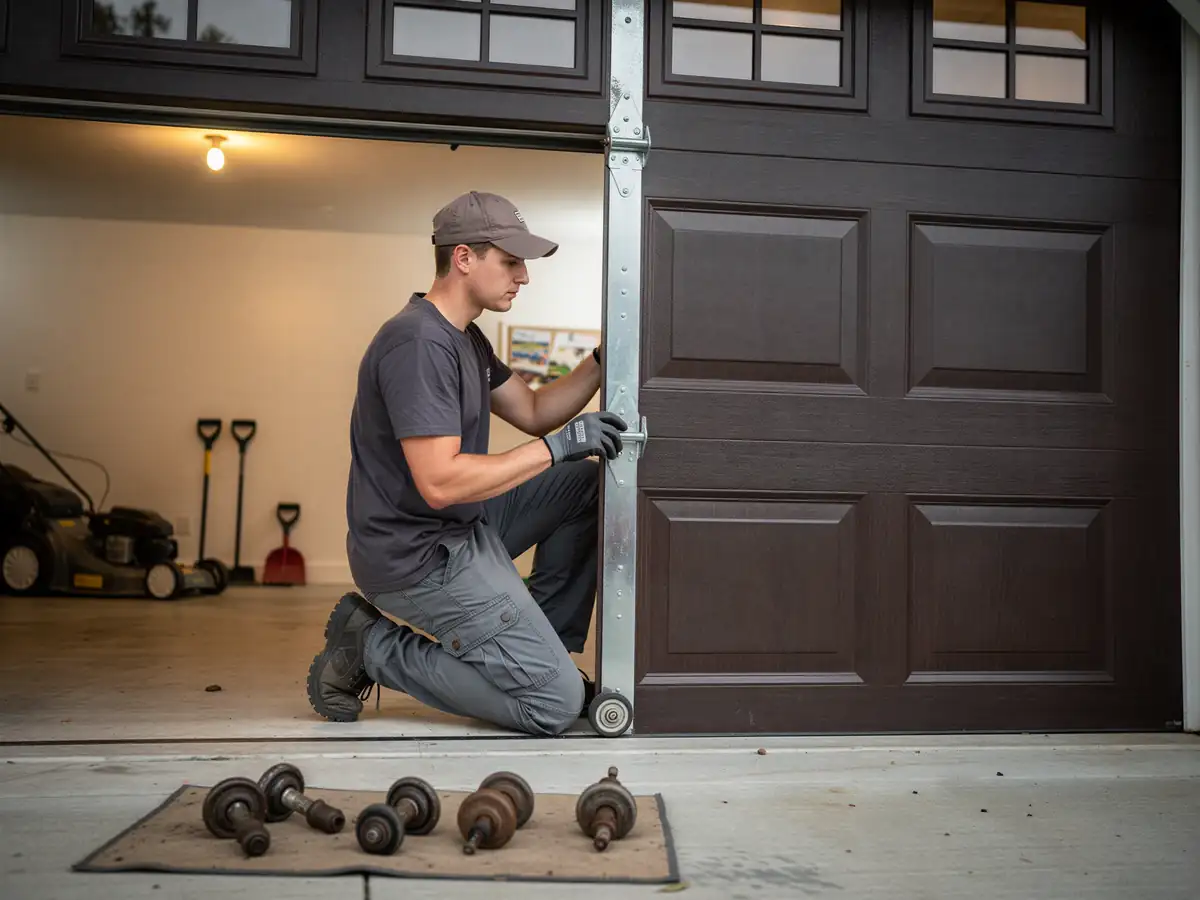
A door built around 2004 usually means sectional steel panels, extension or torsion springs rated for a 7-foot or 8-foot opening, and a chain or belt-drive opener from that generation. The failure points are predictable: springs that have hit their cycle count after close to twenty years, nylon rollers that have gone brittle, and opener circuit boards or logic units starting to fail the way electronics do after fifteen-plus years of garage temperature swings. Our climate band here is cold-moderate, so the yearly freeze-thaw cycle works on seals, torsion spring coating, and track alignment more than it does in a milder region. That's different from a crumbling 1970s door, where the problem is often the whole unit just being worn out and undersized by today's standards. In Johnston, more often than not, we're replacing a spring or opener assembly on a structurally sound door rather than recommending a full door replacement - the bones are usually still good.
What We Do Most in This Area
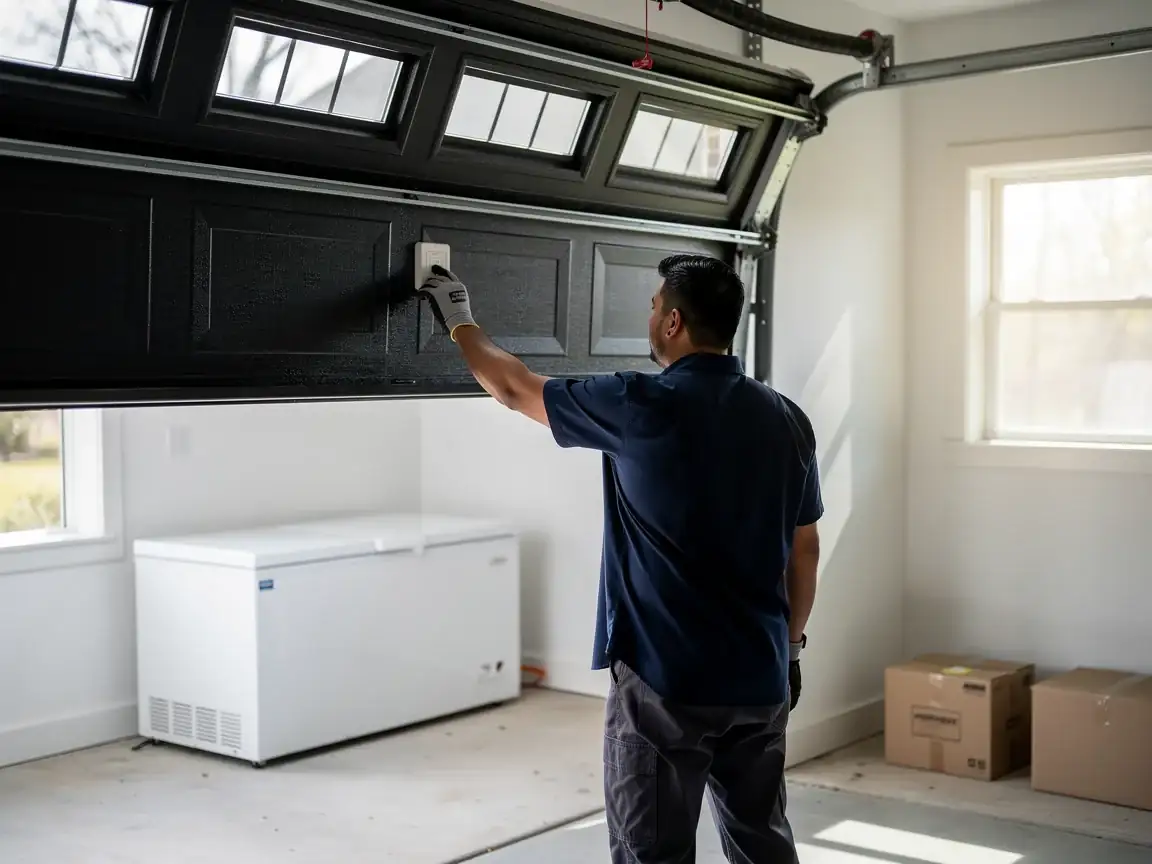
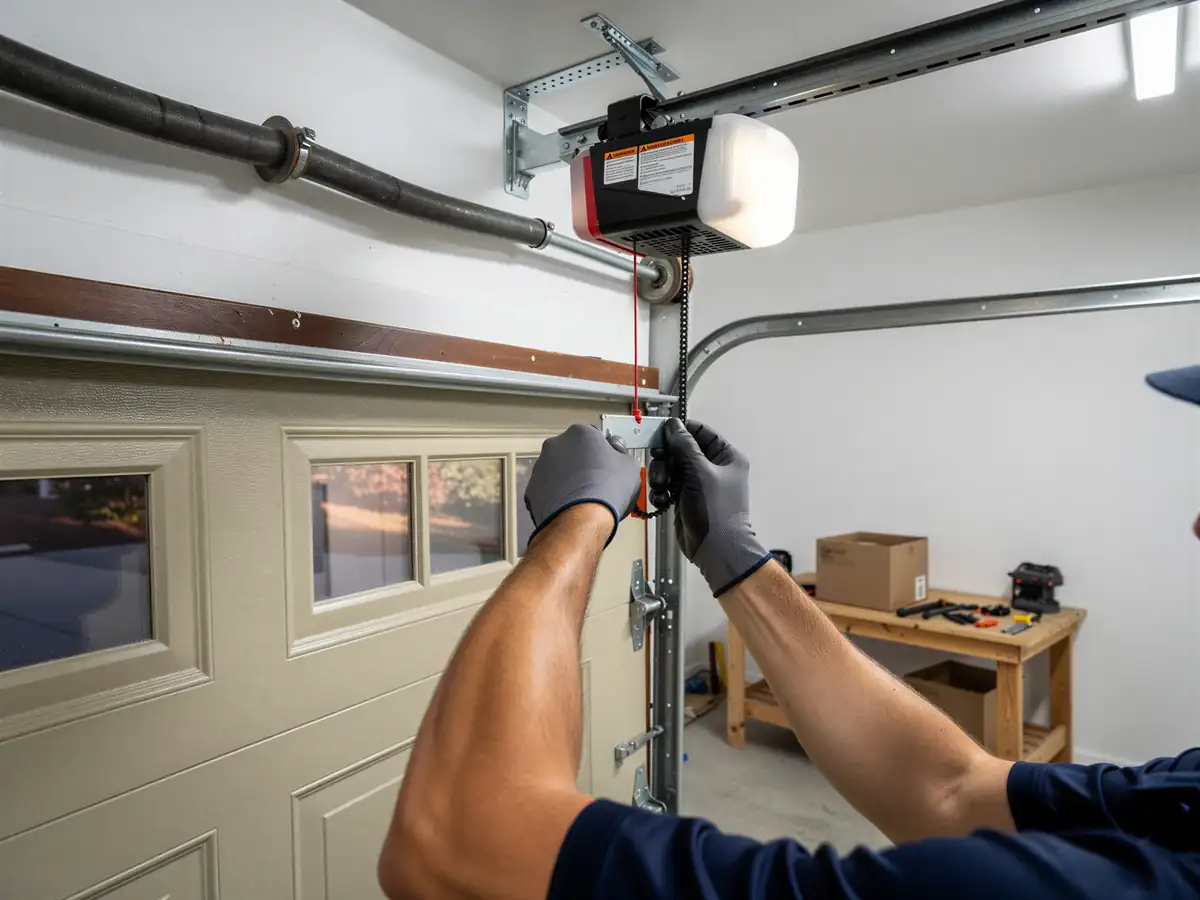
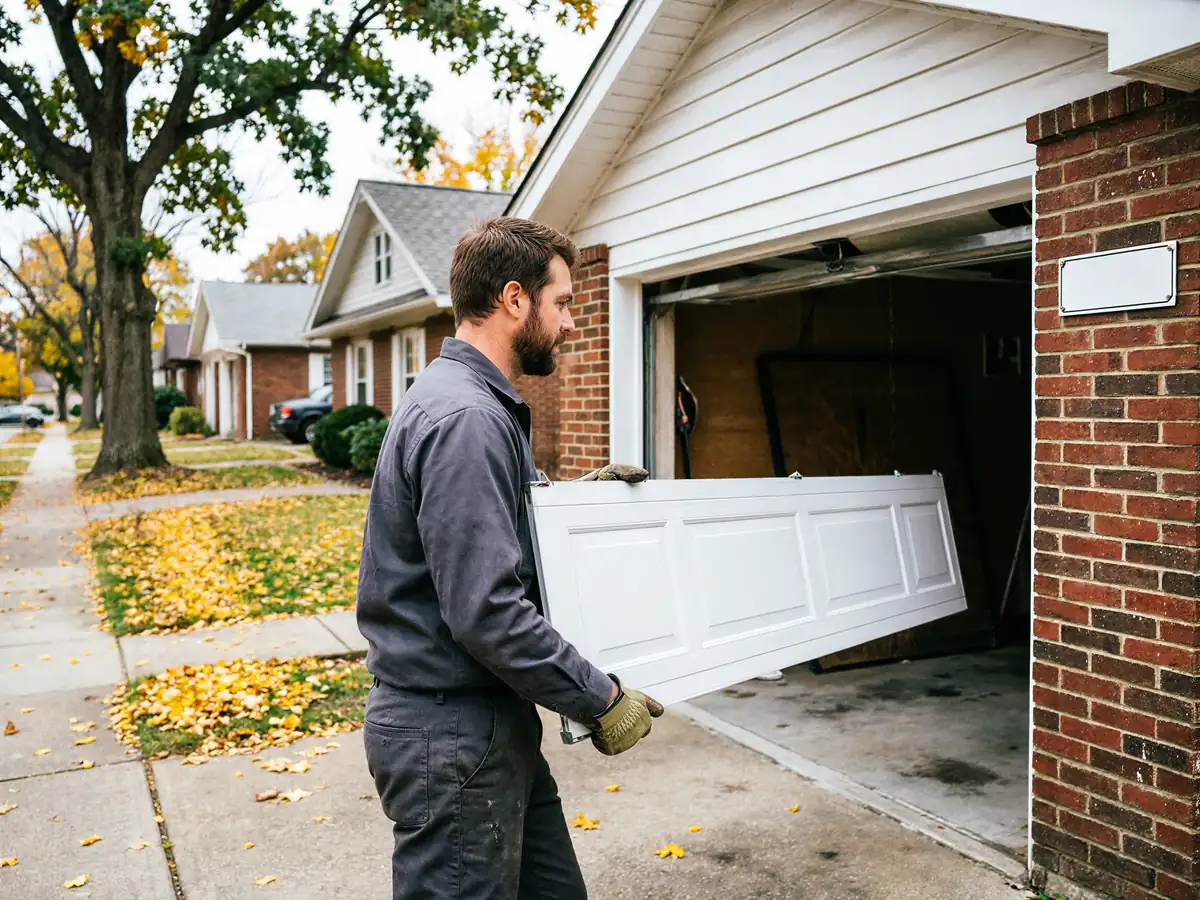
In Johnston, the calls we get most are torsion spring replacements on doors that are now old enough to have worn through their rated cycles, opener repairs on units from the early-to-mid 2000s hitting end of life, and roller and track tune-ups where cold-weather expansion and contraction has knocked things slightly out of alignment. We see fewer calls here for the kind of full-panel rust-out or warped wood door replacement that's common in older housing stock elsewhere in our coverage area - Johnston's stock is young enough that the steel and the structure are generally sound. What we're really doing most of the time is extending the working life of hardware that's entering its second decade, which is a different job than rebuilding a door that's entering its fourth.