What Can Go Wrong
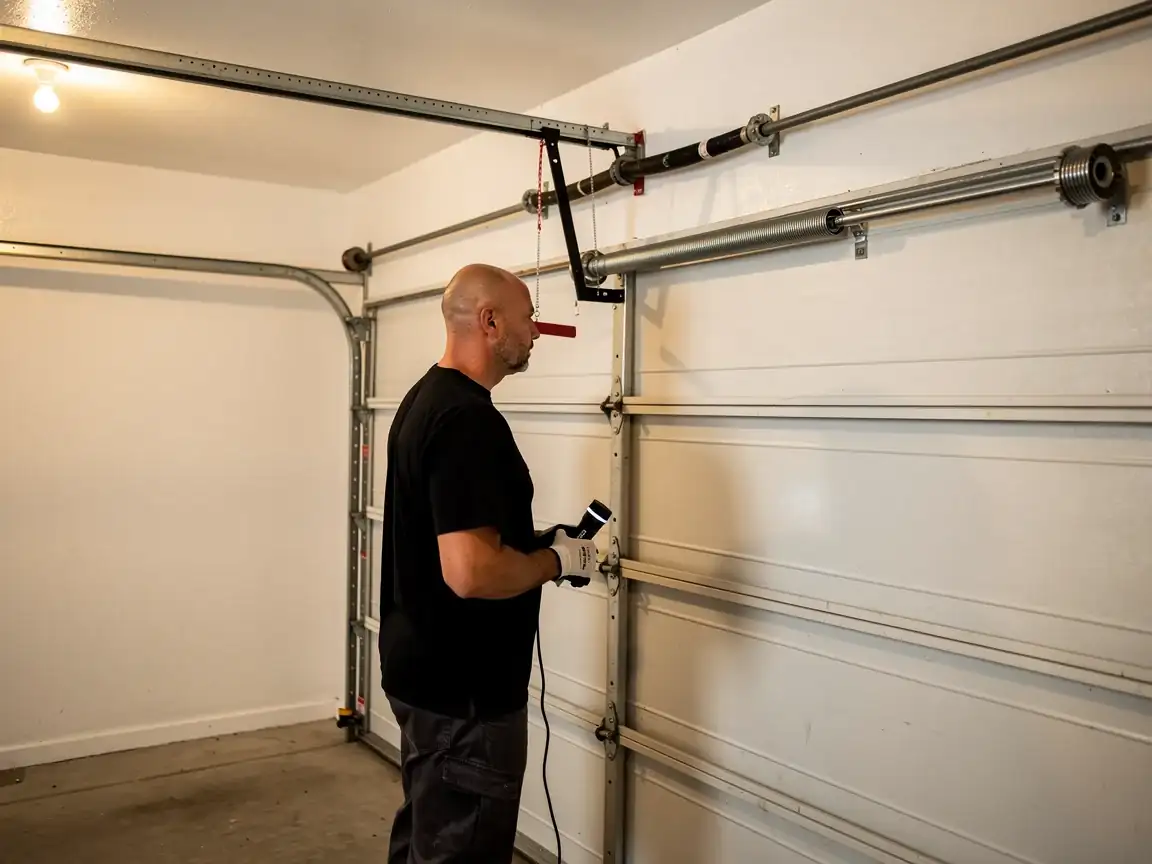
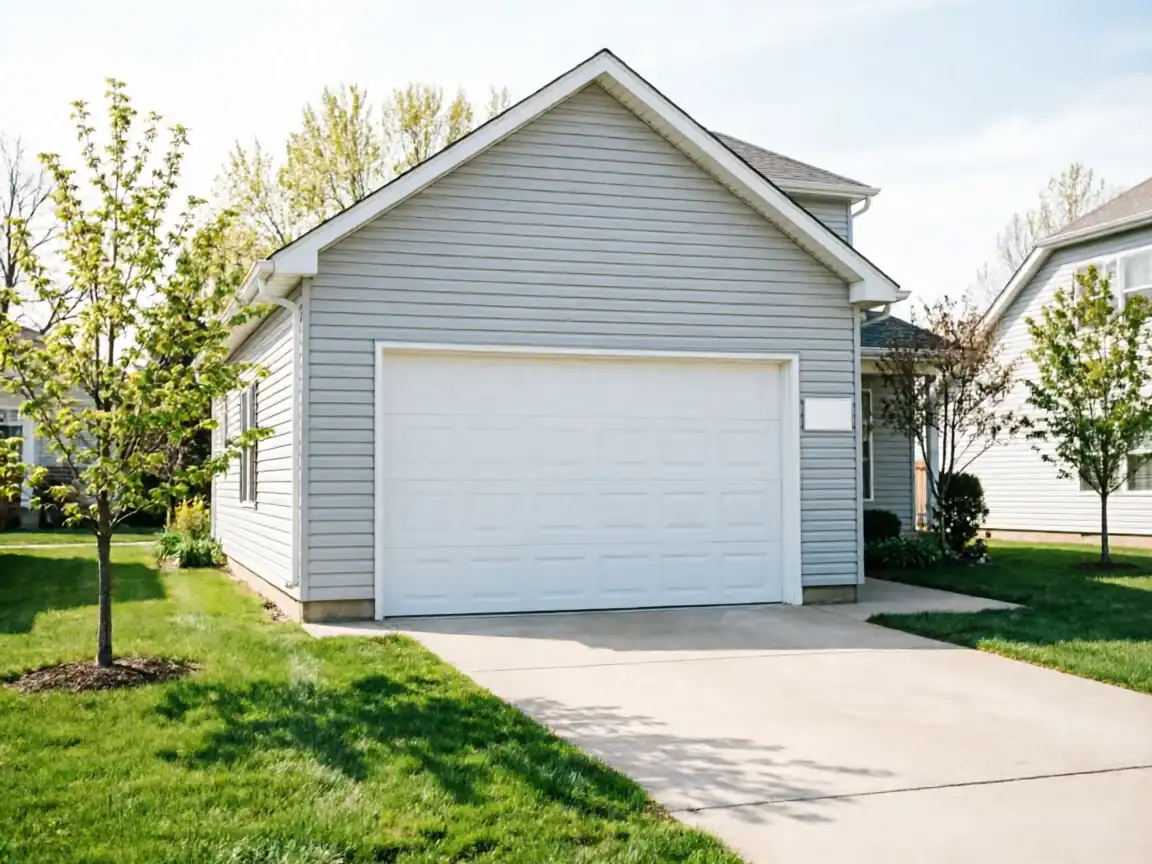
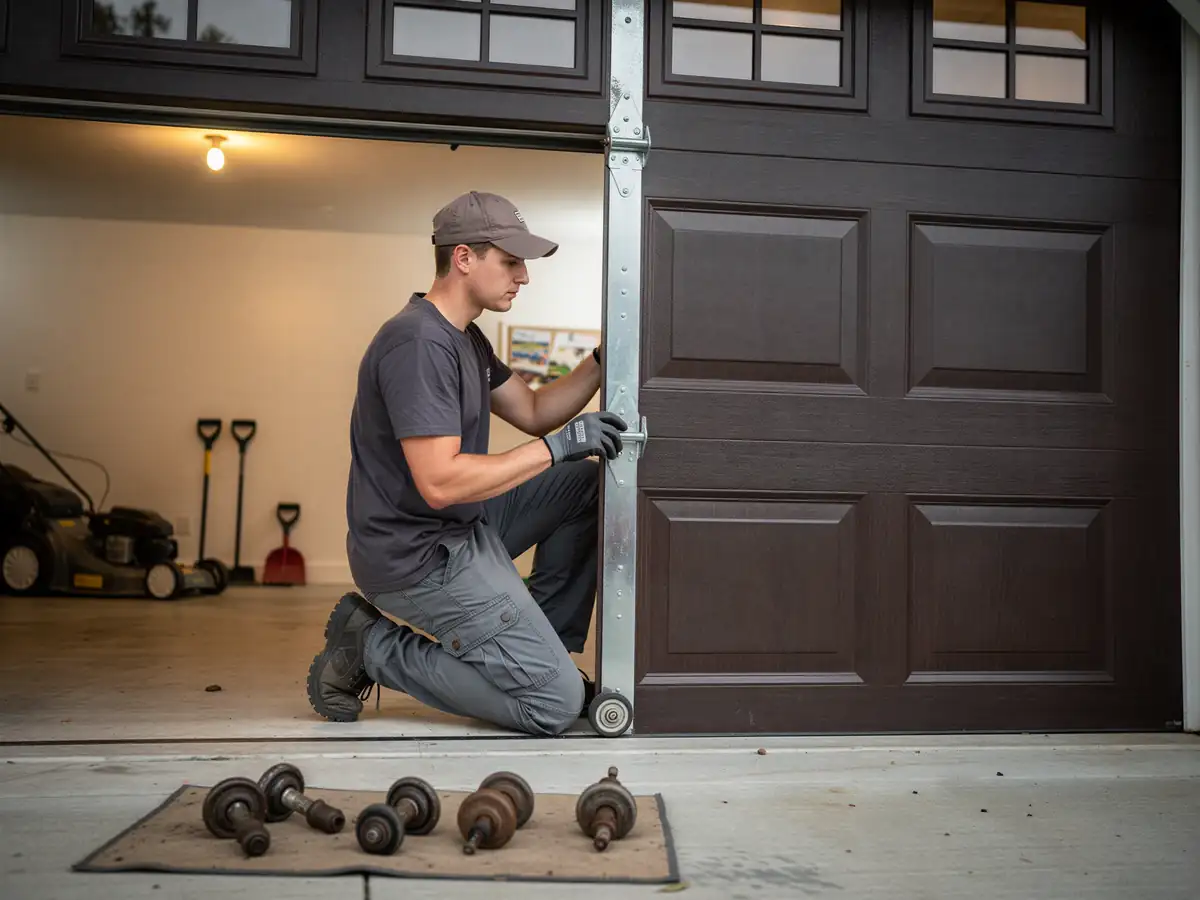
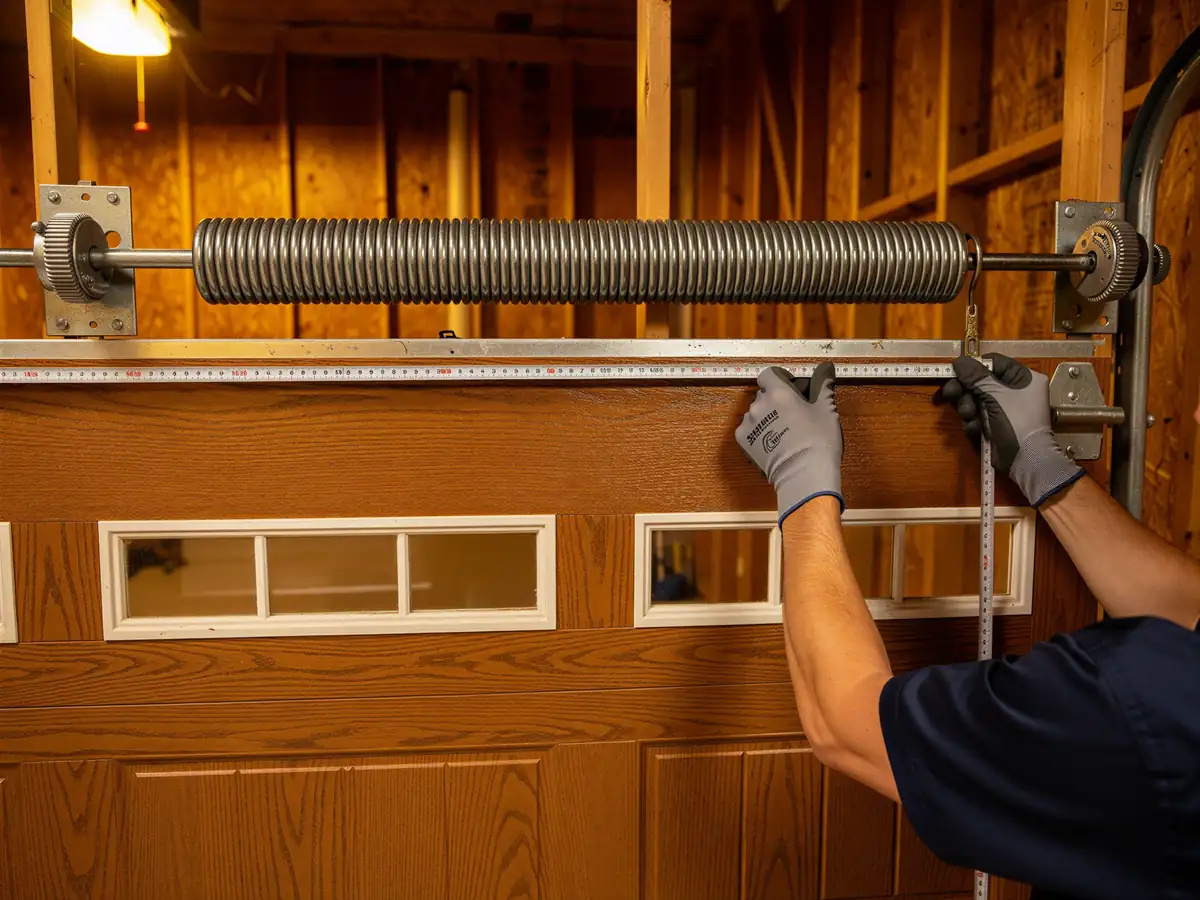
Most of Bondurant went up around 2009, which means most garage door springs here are still the builder-grade torsion springs that went in with the original door, not a replacement. Builder-grade springs are usually rated for somewhere around 10,000 cycles - that's roughly 7 to 10 years of normal use for a household that opens the door twice a day. A house built in 2009 is now well past that number. The spring hasn't necessarily snapped yet, but it's lost tension, and a spring that's lost tension makes the opener do work it was never built to do.
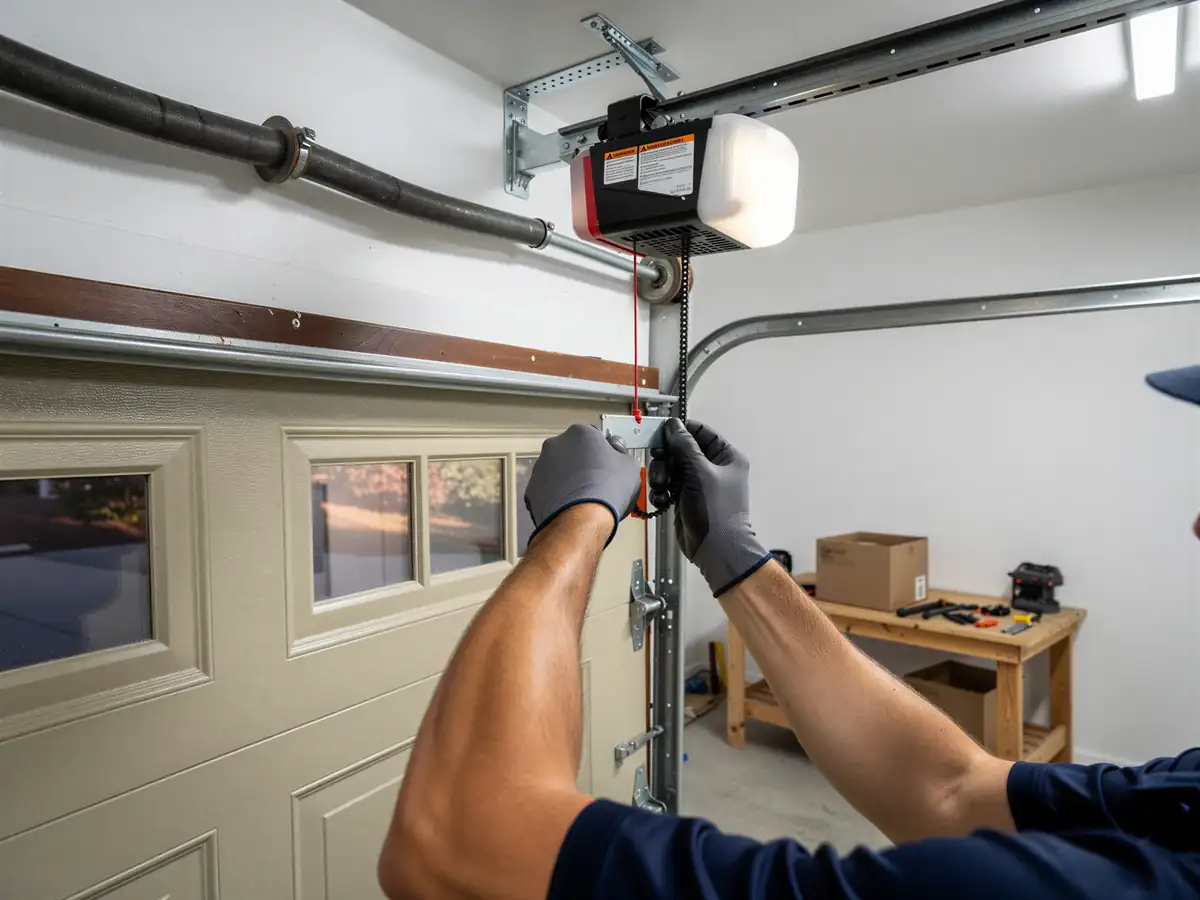
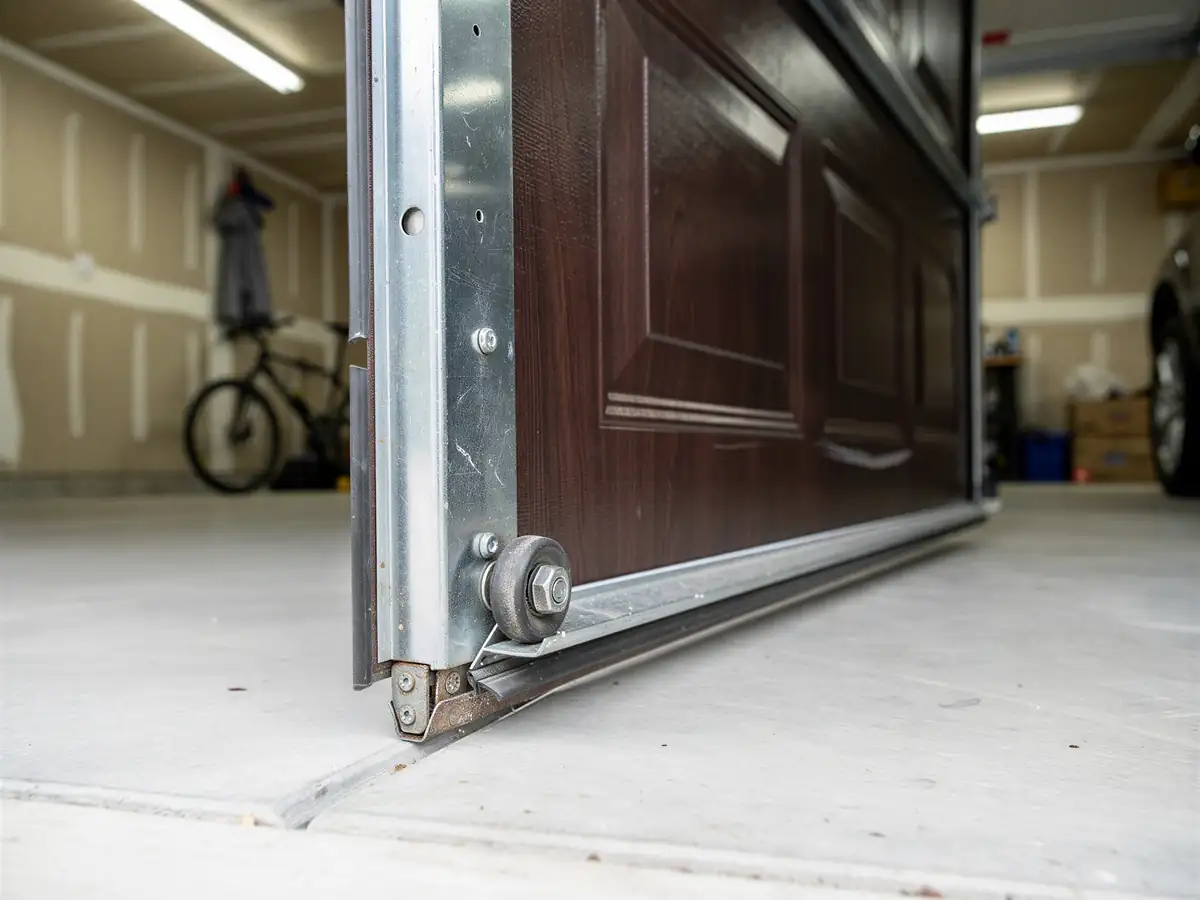
What fails first is rarely the spring wire itself - it's the end bearing plate or the cable drum that's been carrying uneven load for a year or two before anyone notices. By the time the spring actually snaps, the opener motor, the drive gear, or the top panel brackets may already be stressed from compensating. That's the part homeowners don't expect: the spring was the cheap part to replace, and it waited until the expensive parts were already wearing.
How It Shows Up
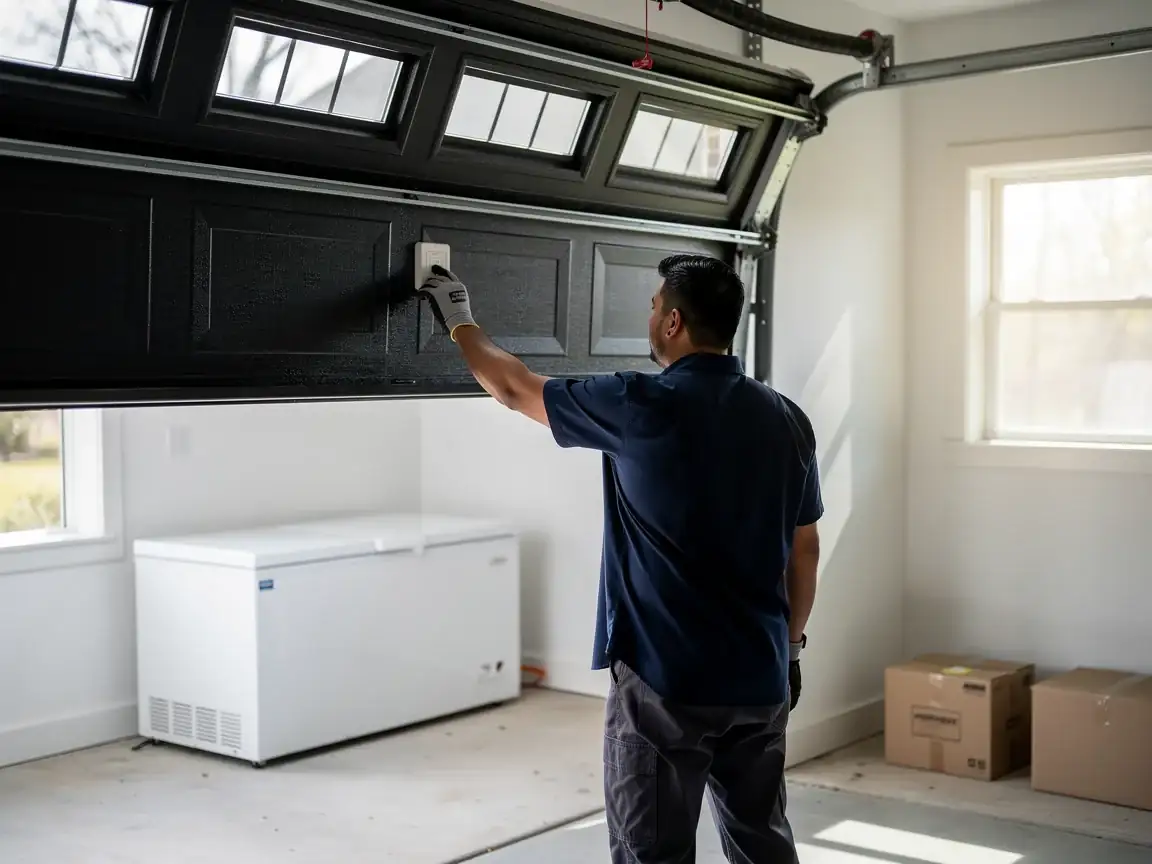
The door gets noticeably heavier to lift by hand, sometimes to the point it won't stay up on its own, which is the clearest sign the spring has lost most of its tension even before it breaks. You might hear a bang from the garage - that's the spring letting go, usually loud enough to hear from inside the house. The opener may still try to run the door and stall halfway, or run but leave the door crooked on one side because a double door's two springs rarely fail at exactly the same time.
In a house this age, the first failure is almost always the original spring doing exactly what a 15-year-old spring does. If a home here has already had a spring replaced once, it's probably sitting on a newer spring with different life left in it than its neighbor's - which is useful to know before you assume both cars are stuck.
Why This Fails Locally
Bondurant sits in a cold-moderate climate band
And temperature swings matter more to a spring that's already near the end of its rated cycle life than one that's new. Steel contracts in the cold, which stiffens the coil and adds load right when a tired spring has the least tension margin left to give. That's part of why spring failures here cluster in winter rather than spreading evenly across the year.
With roughly 2,779 households in Bondurant and most of the housing built in the same tight window around 2009
A lot of these springs are reaching the same point in their service life at close to the same time. That's a pattern we see driving in from Ankeny, 8 miles up the road - not a coincidence, just a lot of doors built the same year finally running out of cycles together.
- 2,779 households
- 8 miles
The Cost of This Job
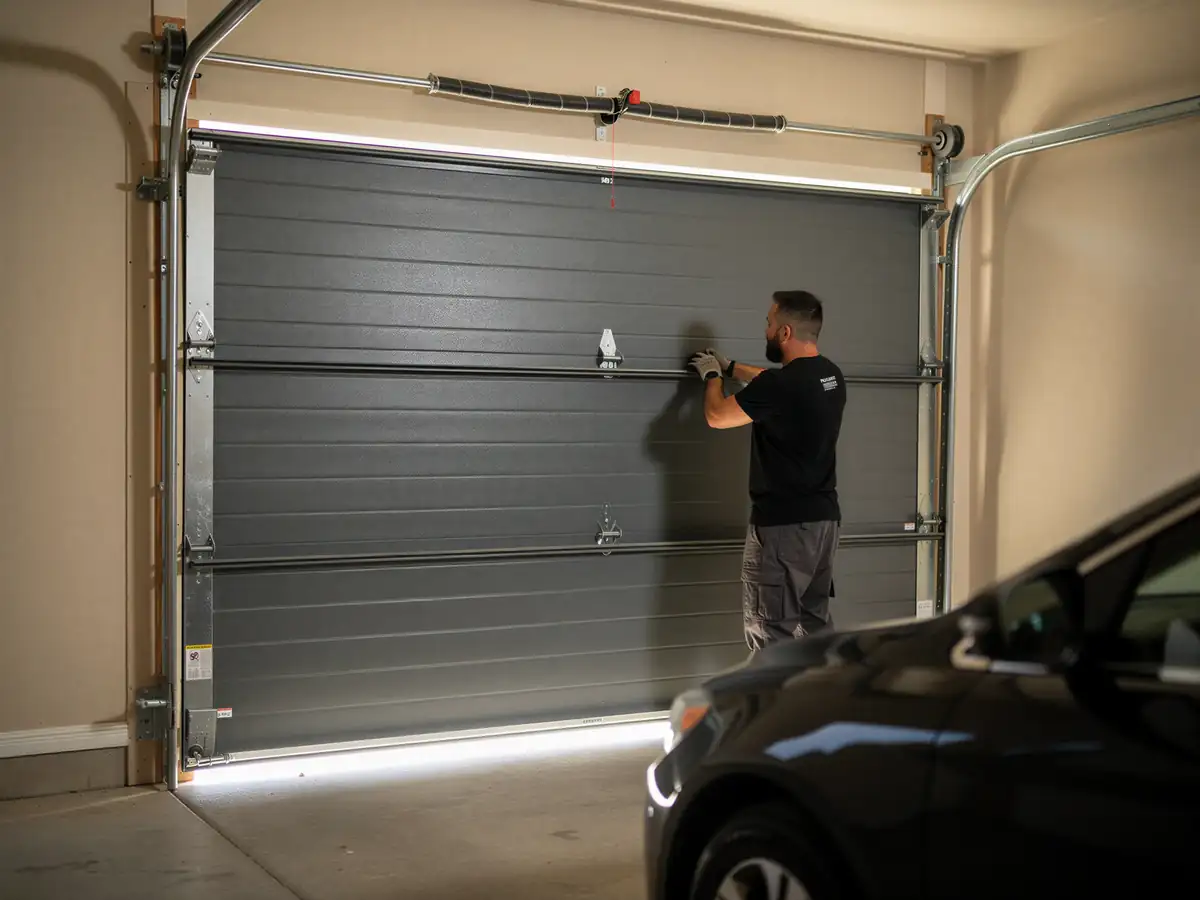
A straight spring swap on a door that's otherwise sound is a contained job - new torsion spring, correct cable and drum check, balance test. It gets more involved if the bearing plate or cable has already been compromised by months of running under reduced tension, which is common once a spring has been quietly failing rather than snapping clean.
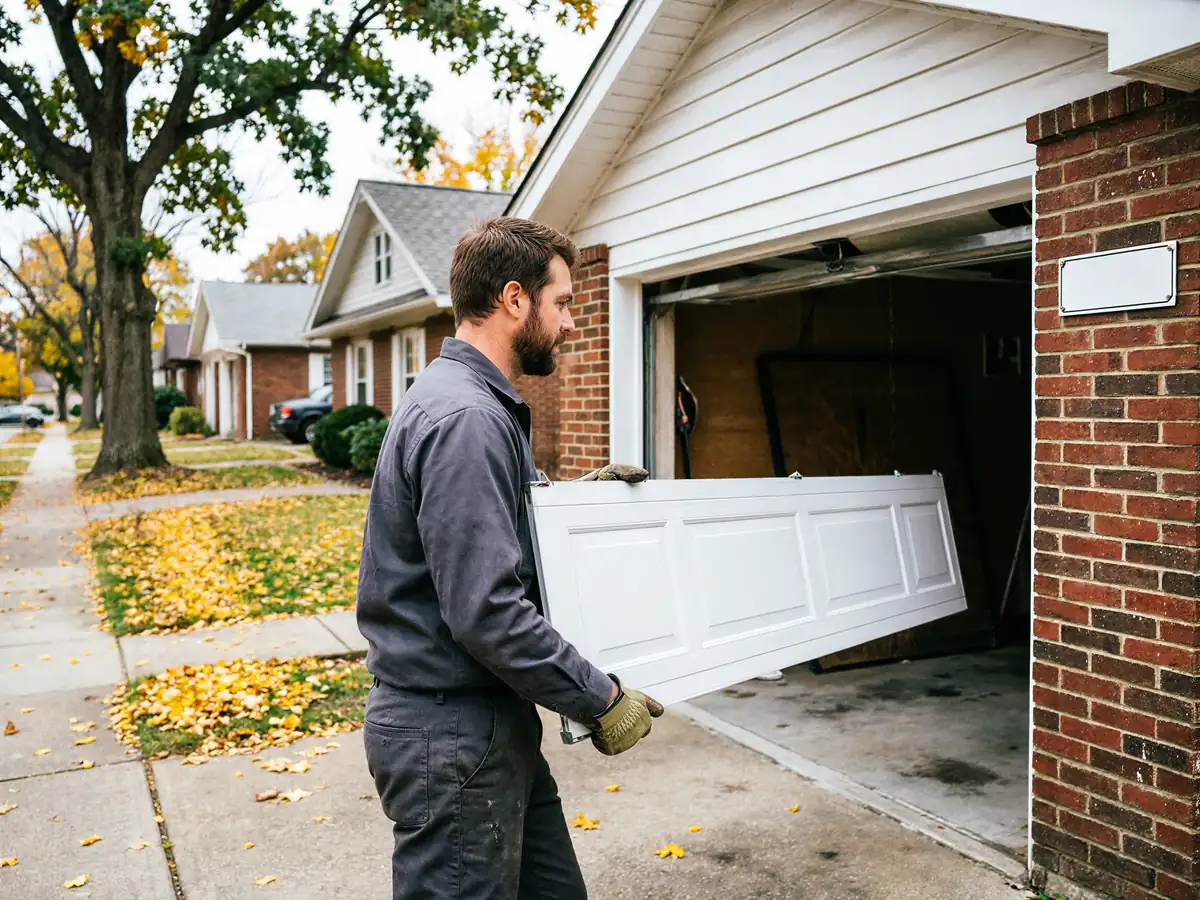
We won't try to sell a full door replacement on a 2009-era door just because the spring went - in a town built this recently, the door itself is usually still sound and worth keeping. The honest limitation: if the opener's drive gear has been grinding against a stuck or unbalanced door for a while, that's a separate repair, not something a new spring fixes on its own, and we'll tell you straight if that's what we're looking at before any work starts.