What Can Go Wrong
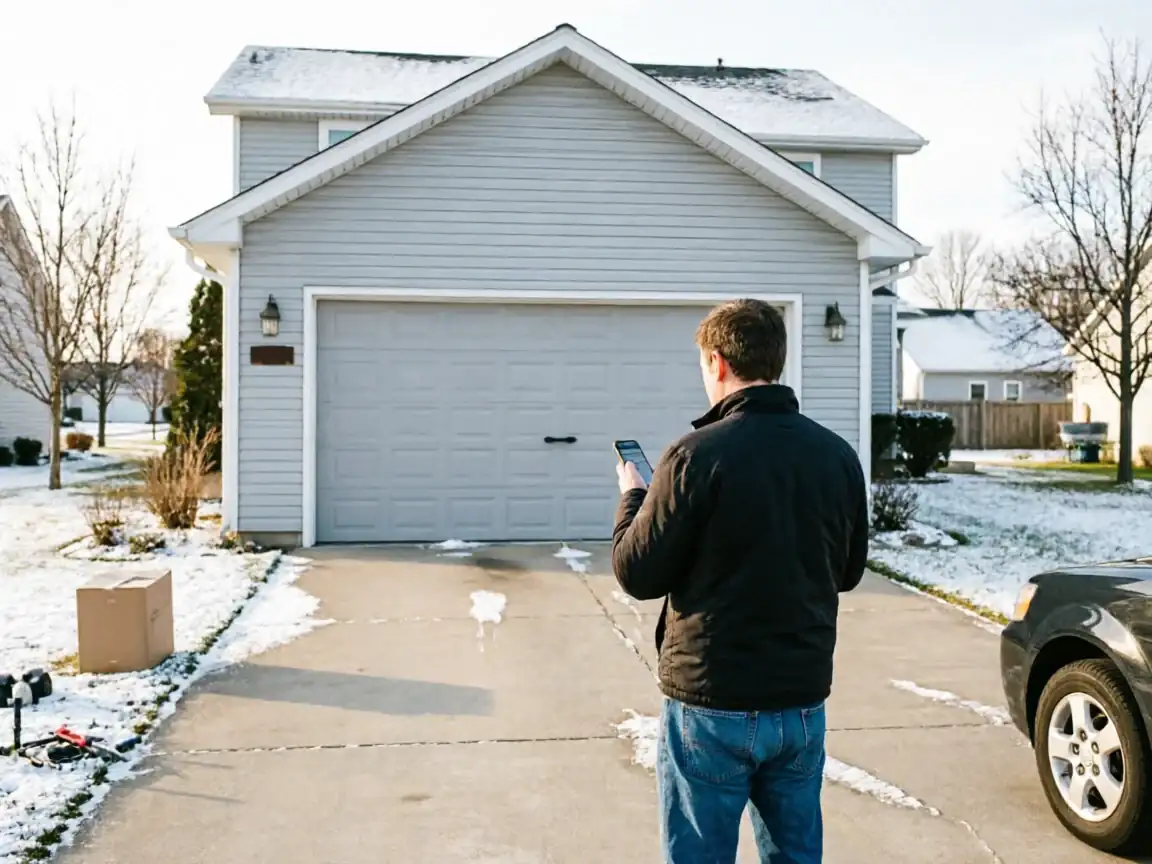
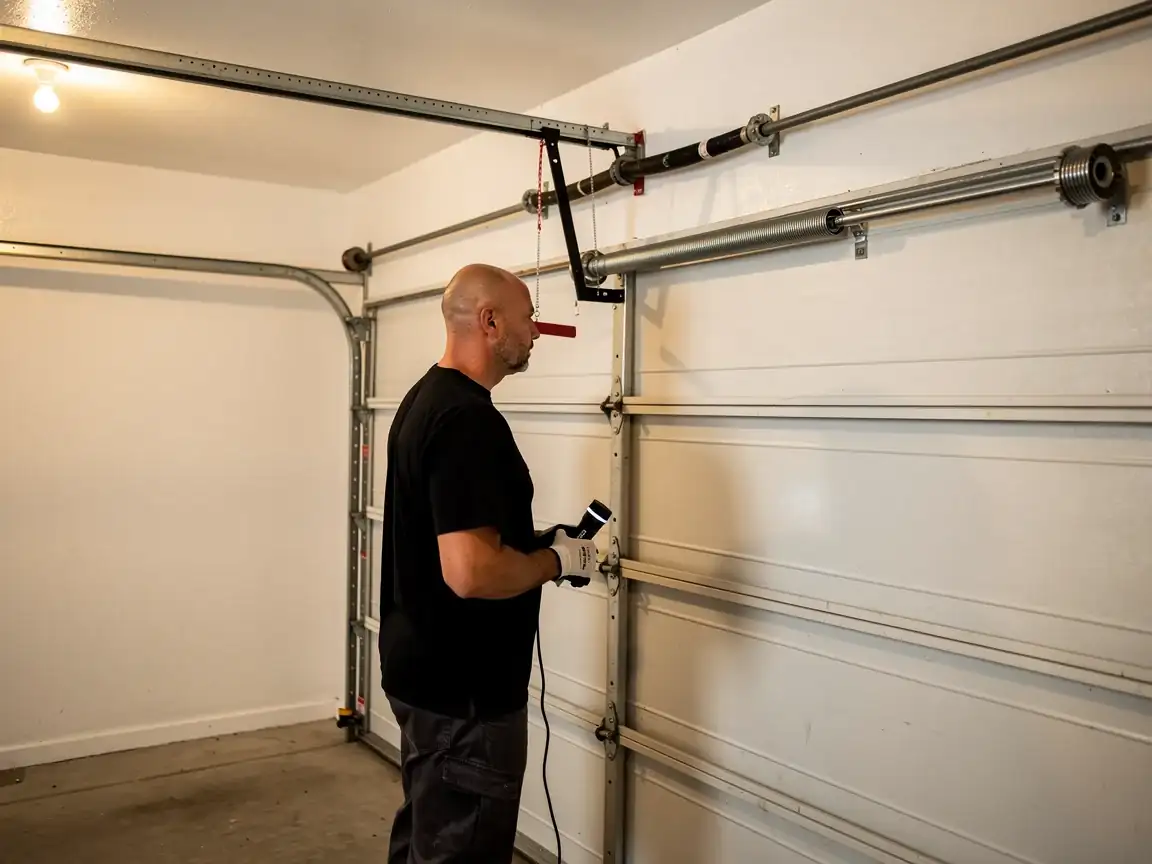
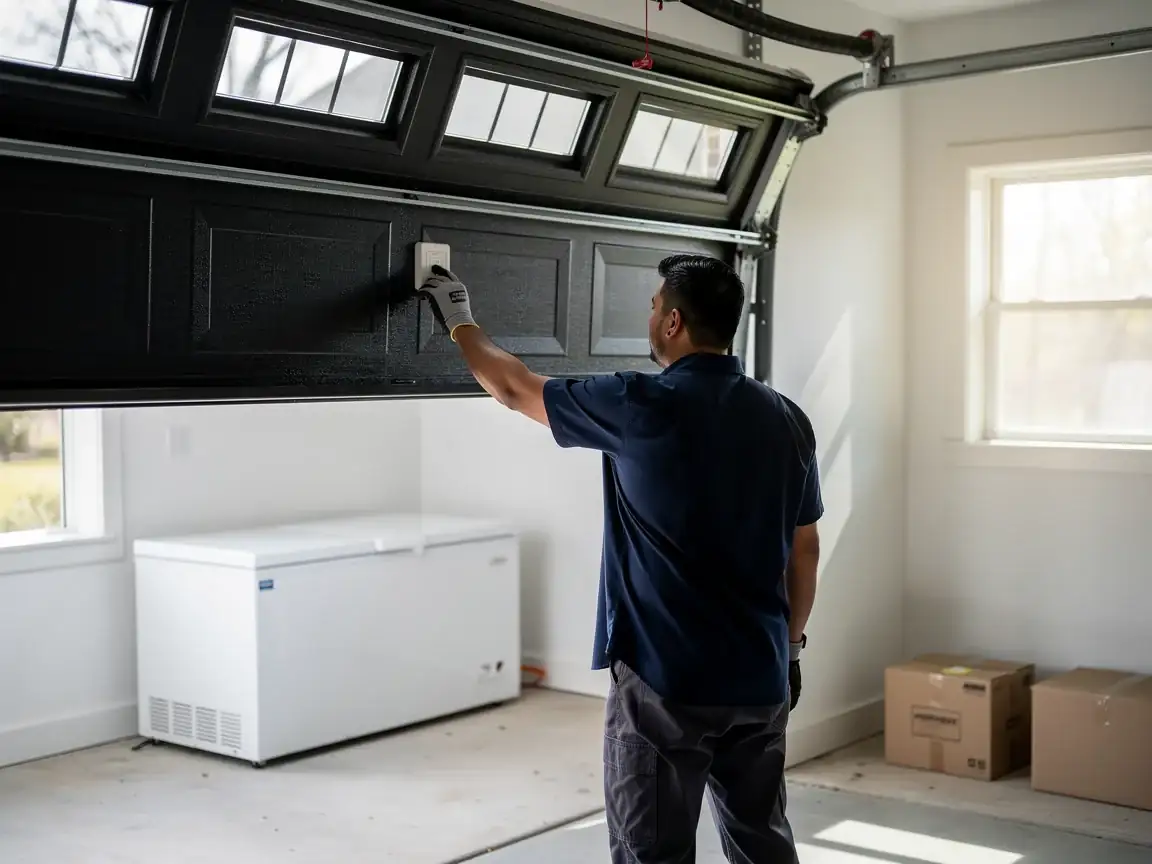
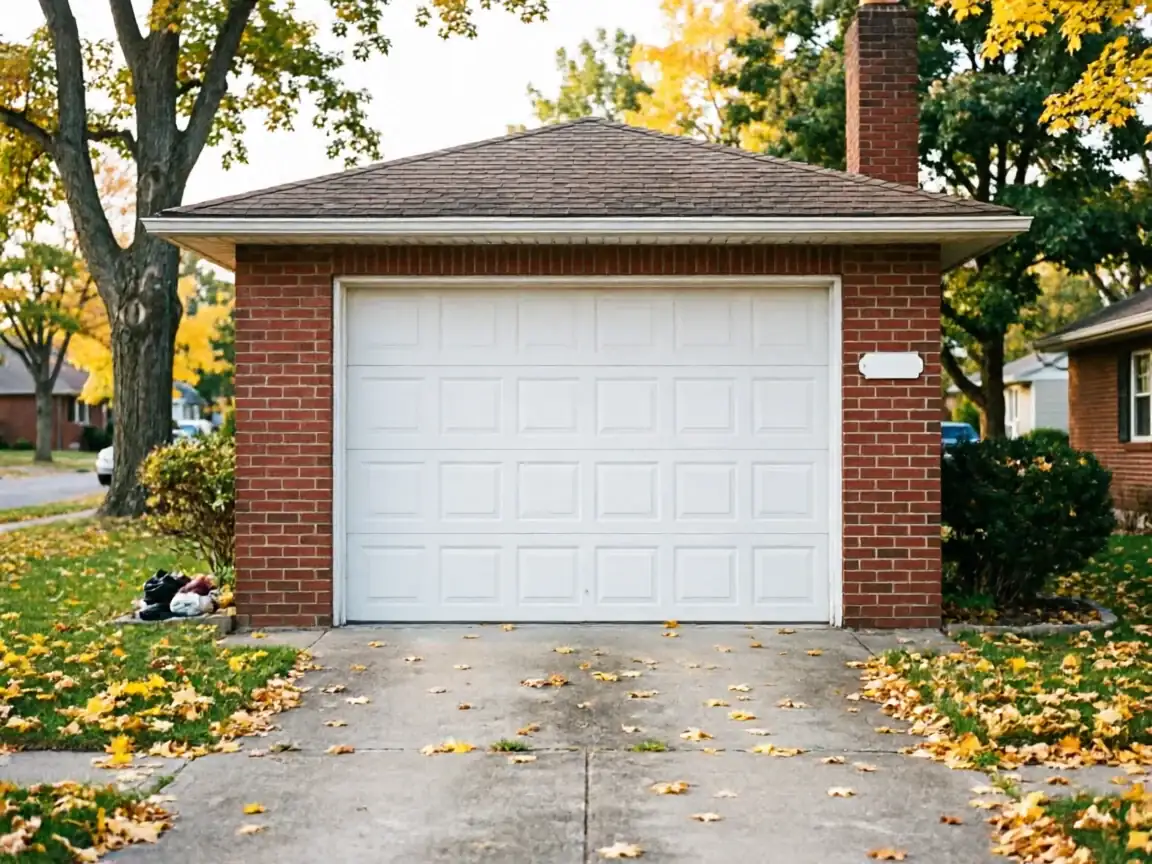
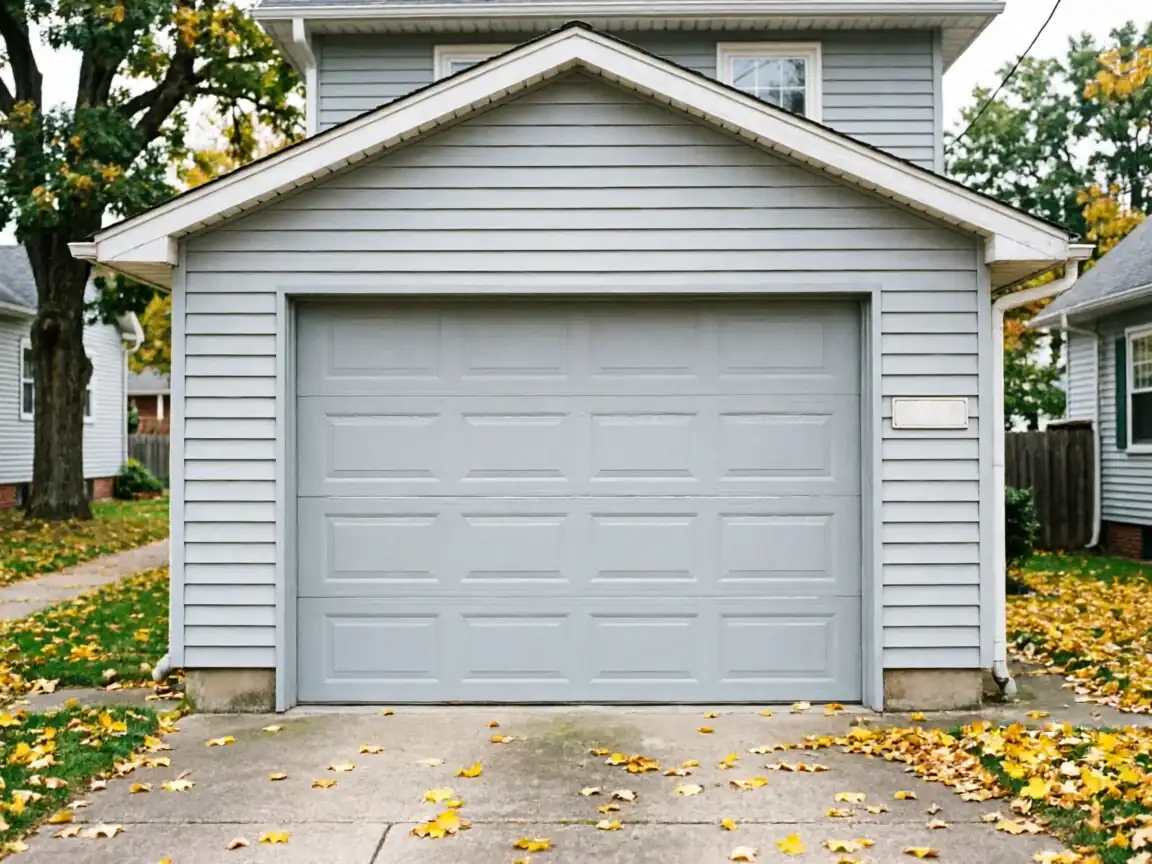
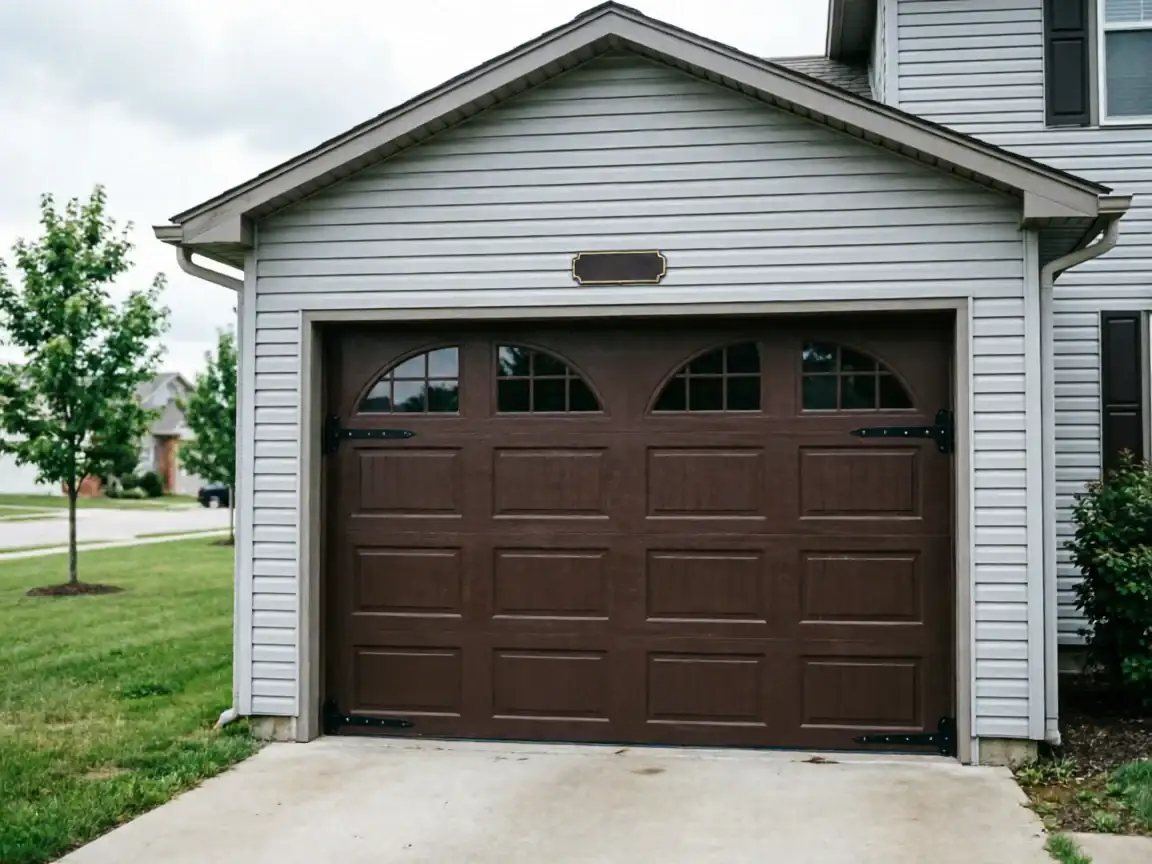
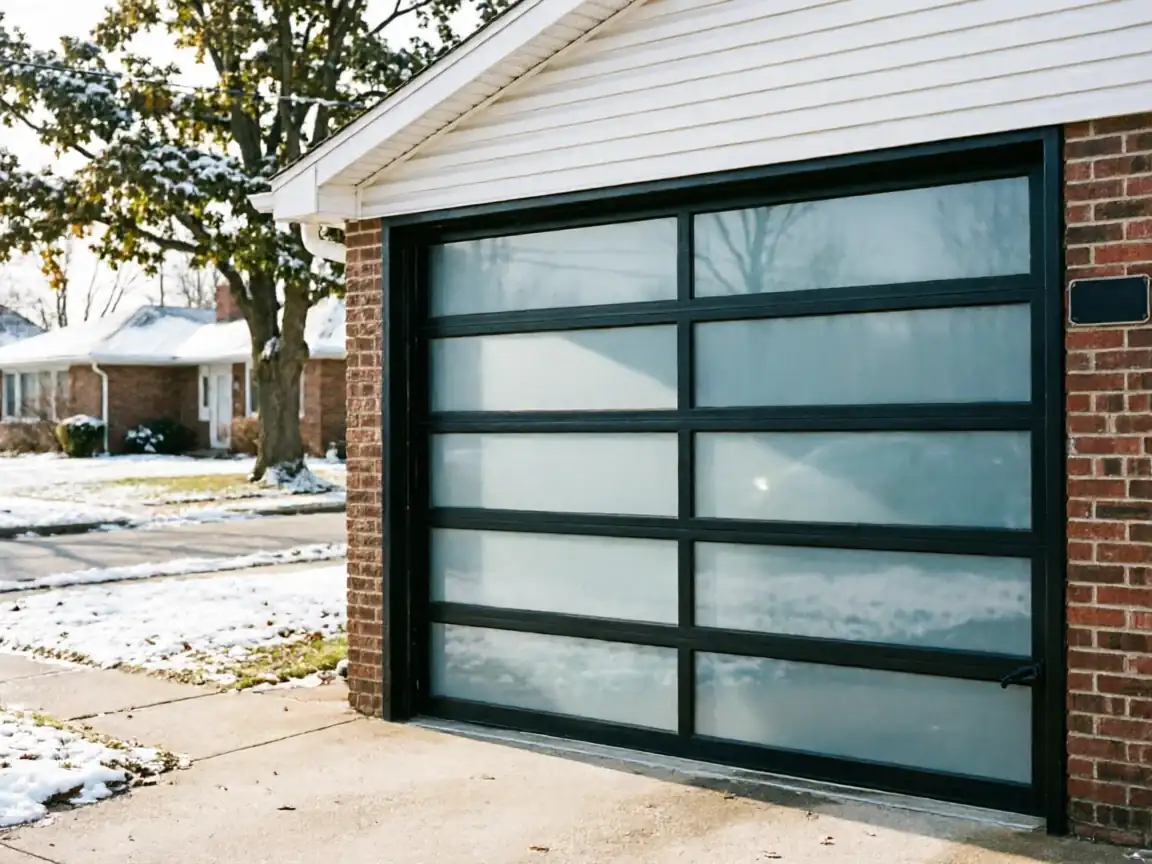
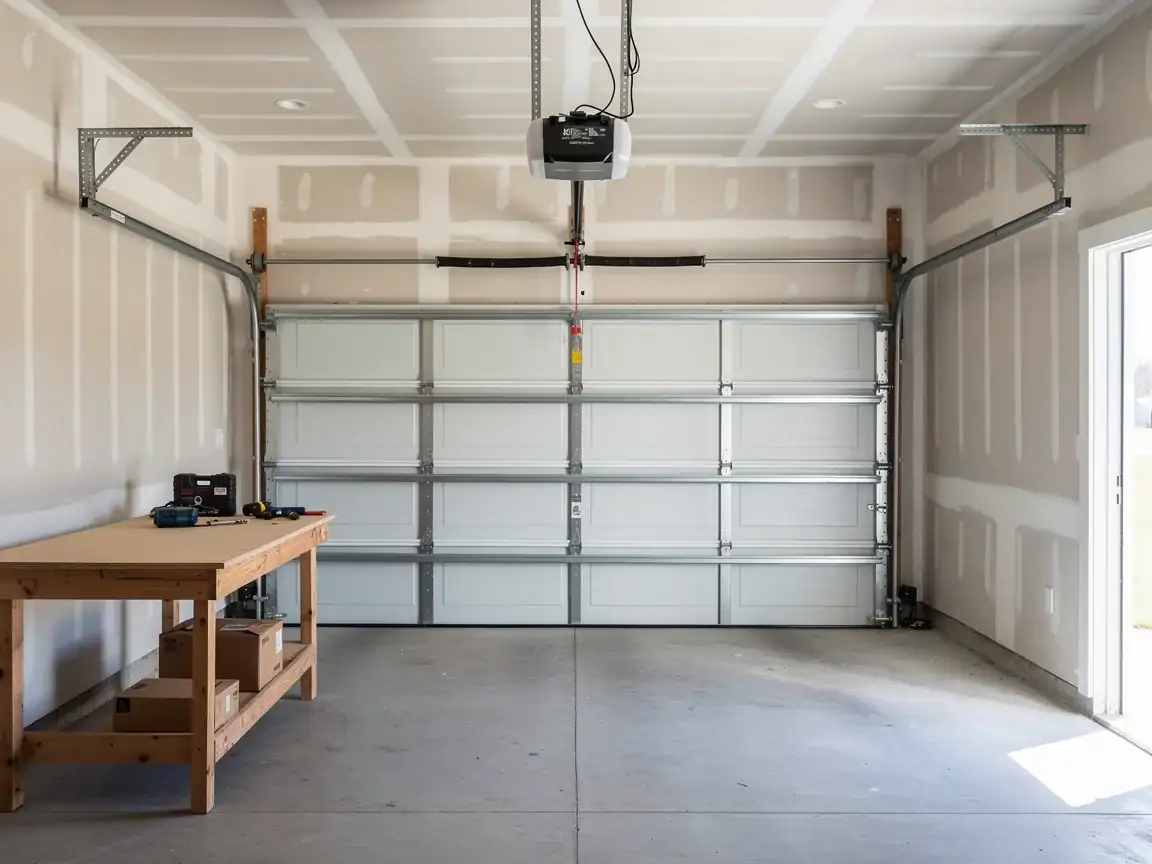
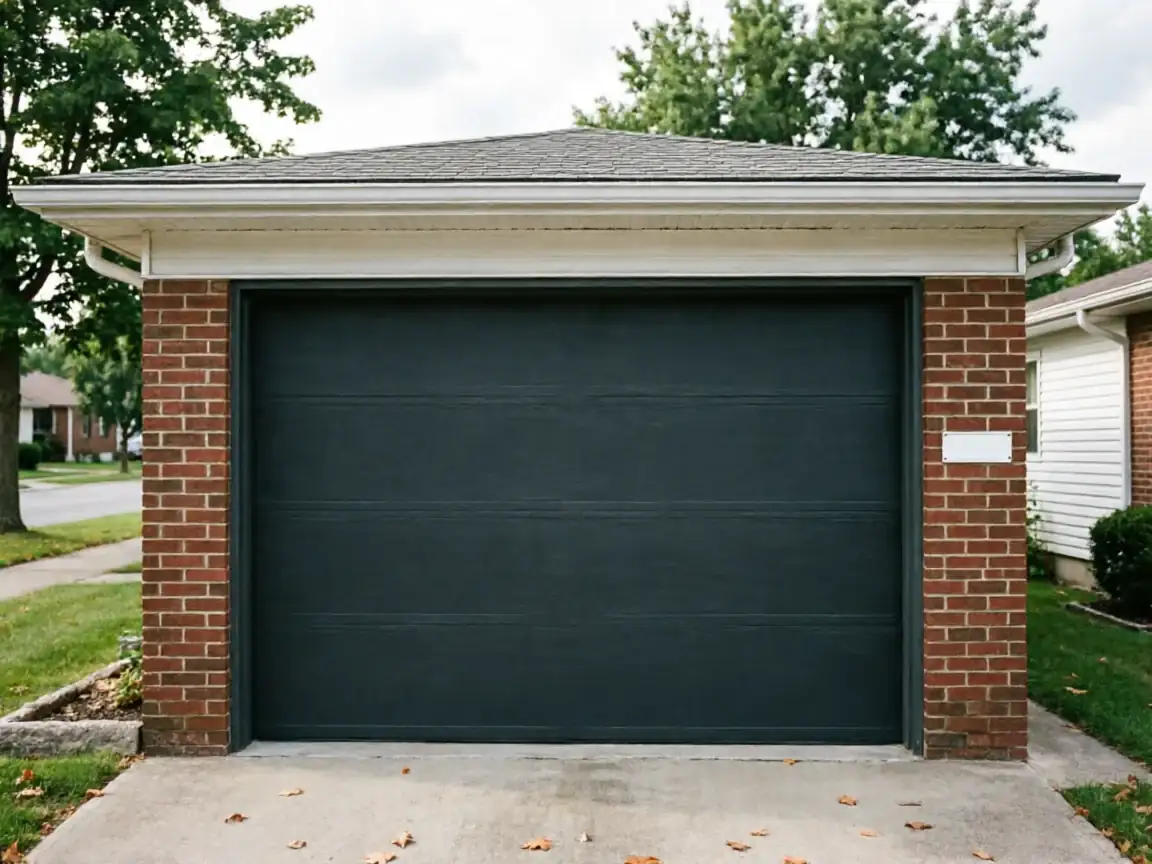
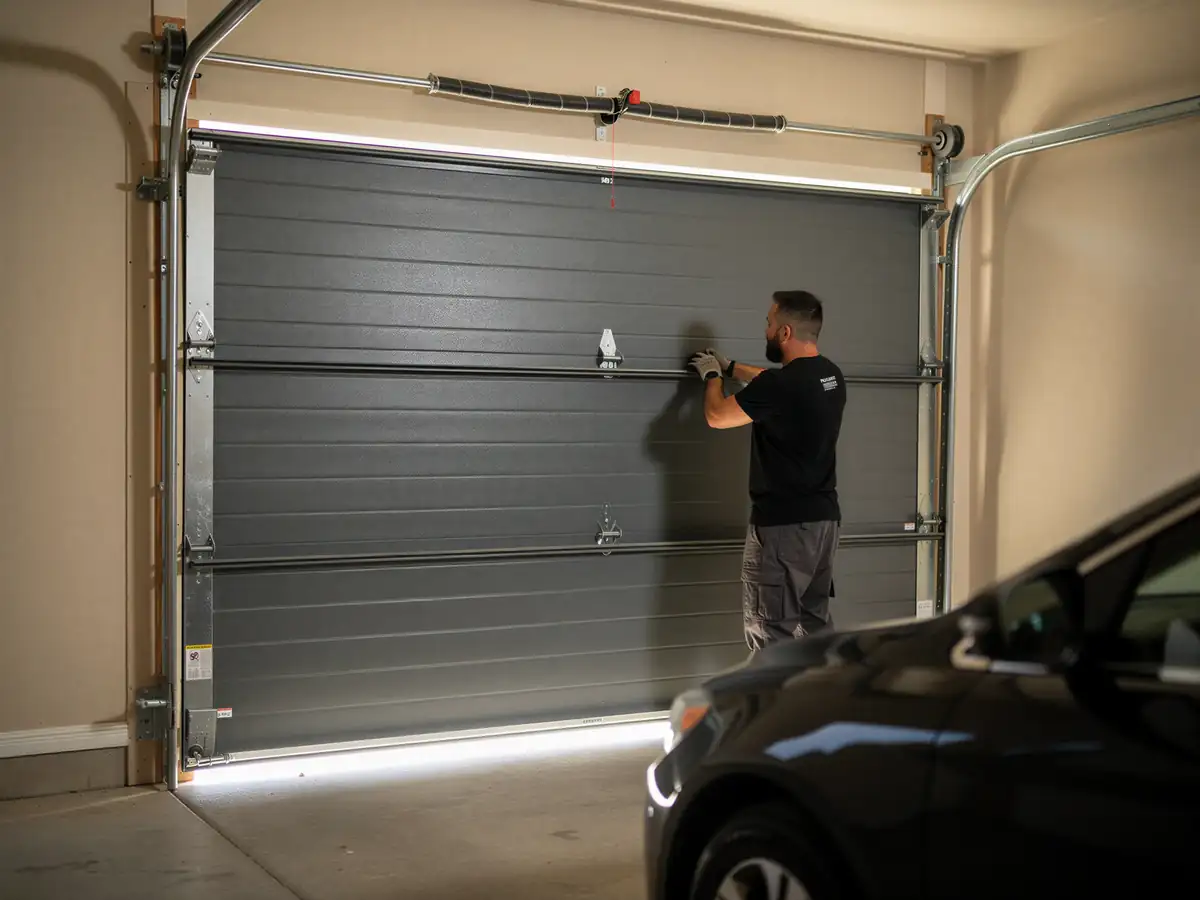
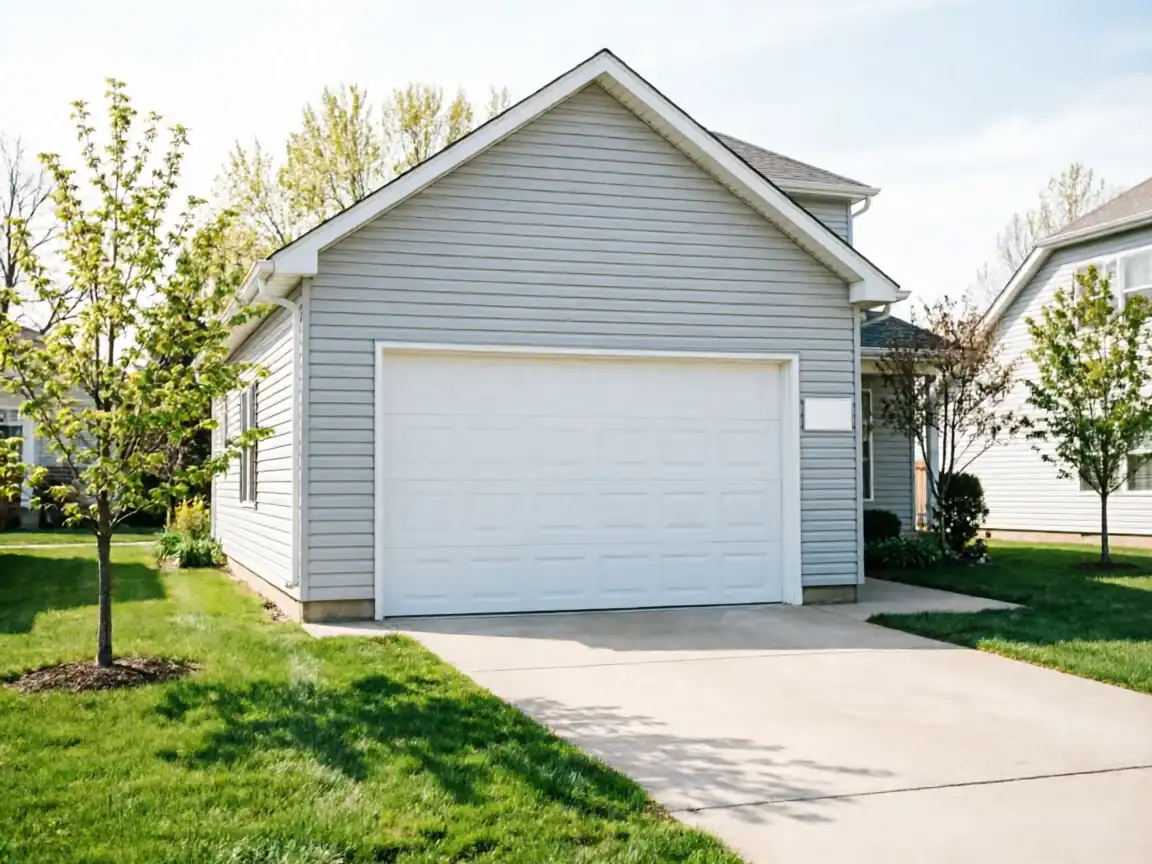
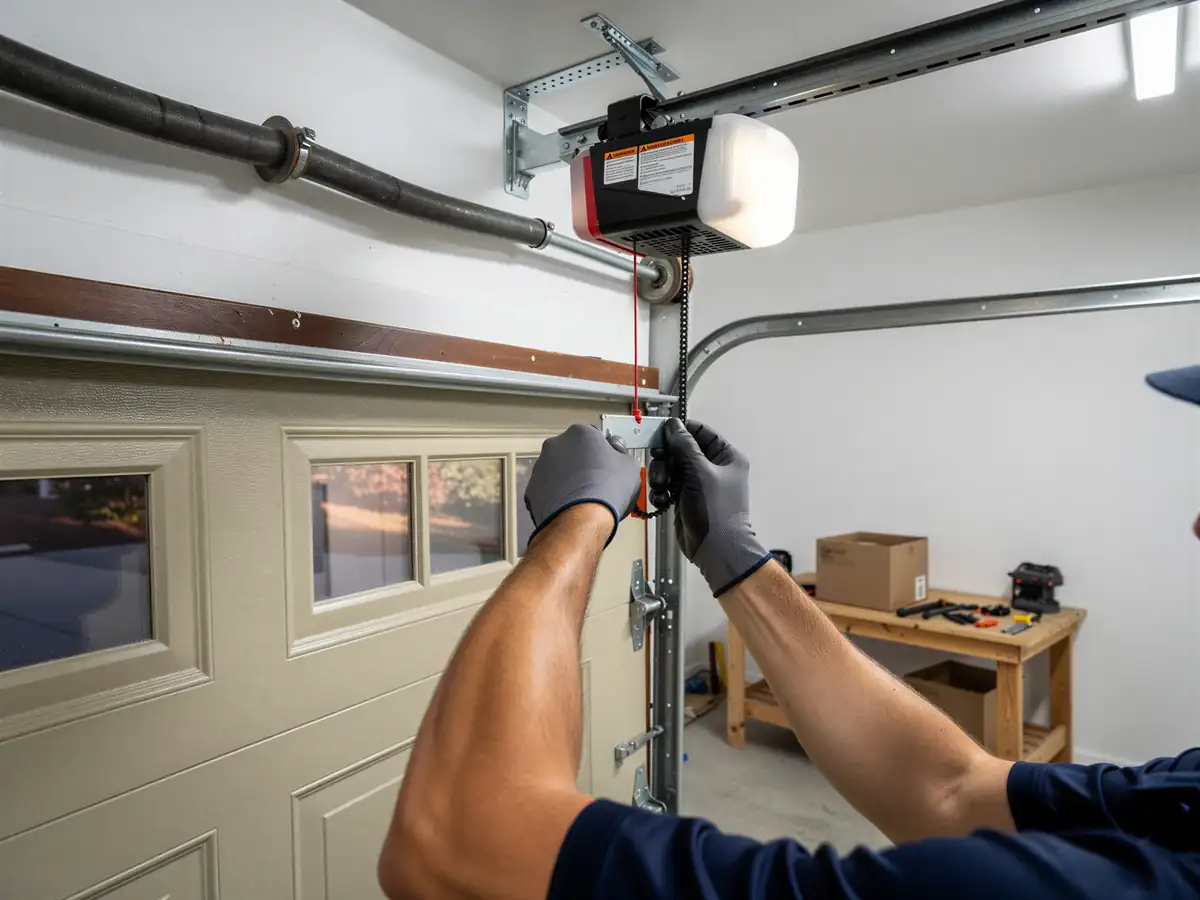
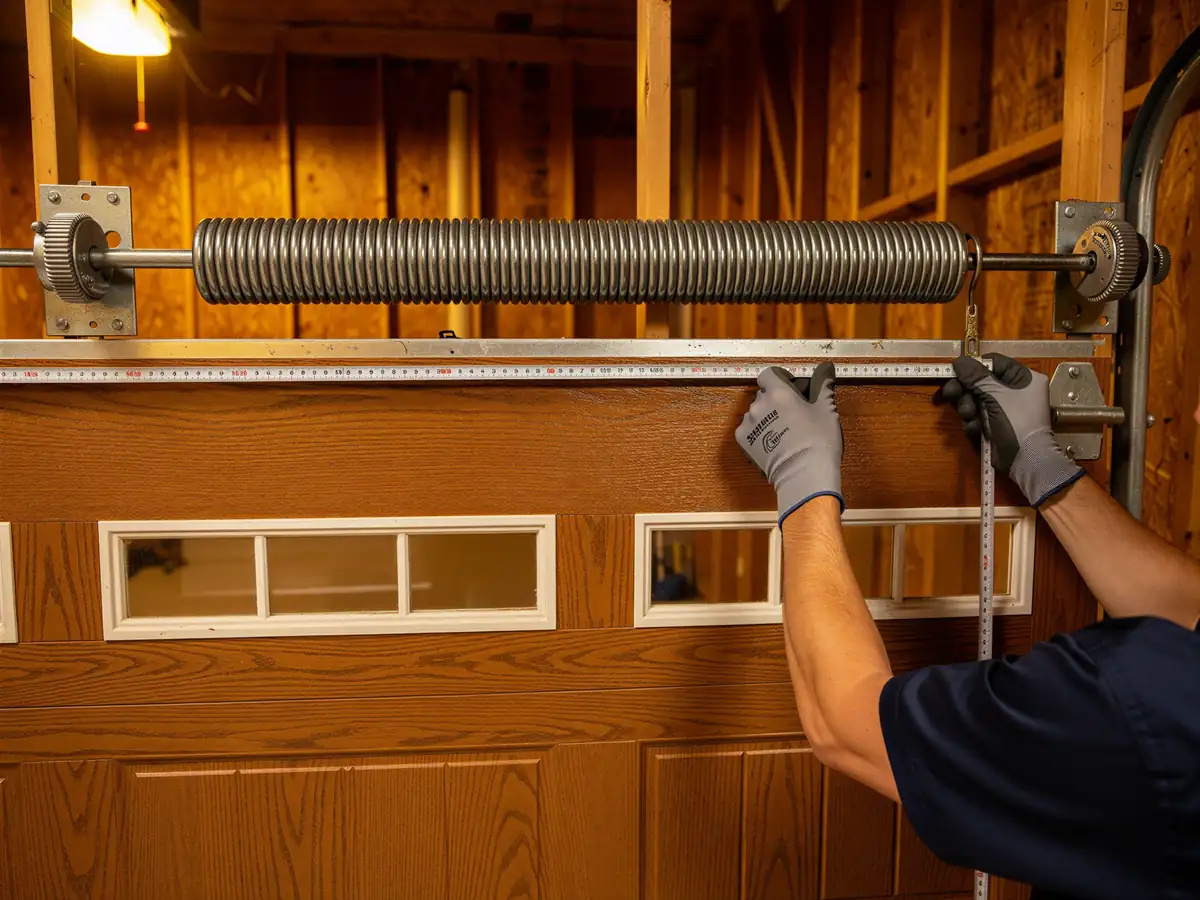
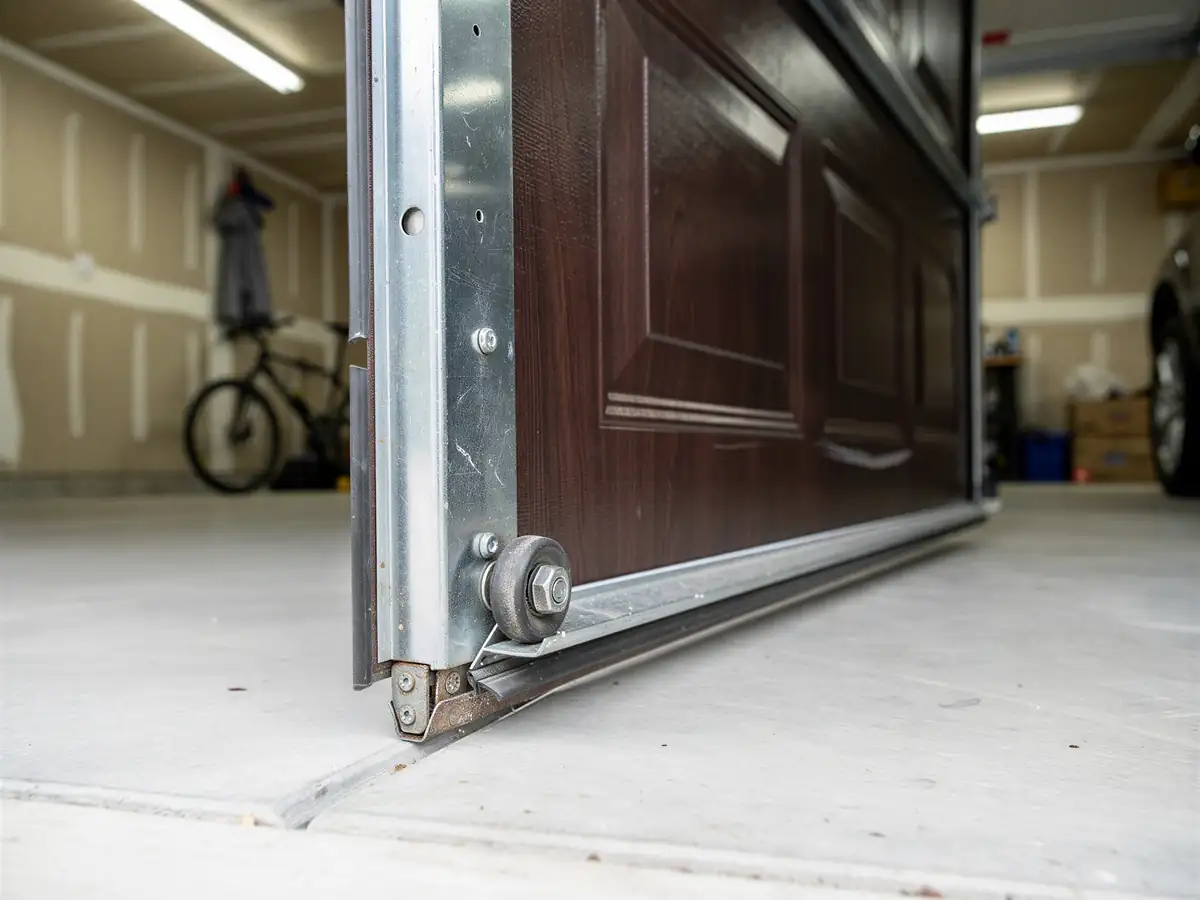
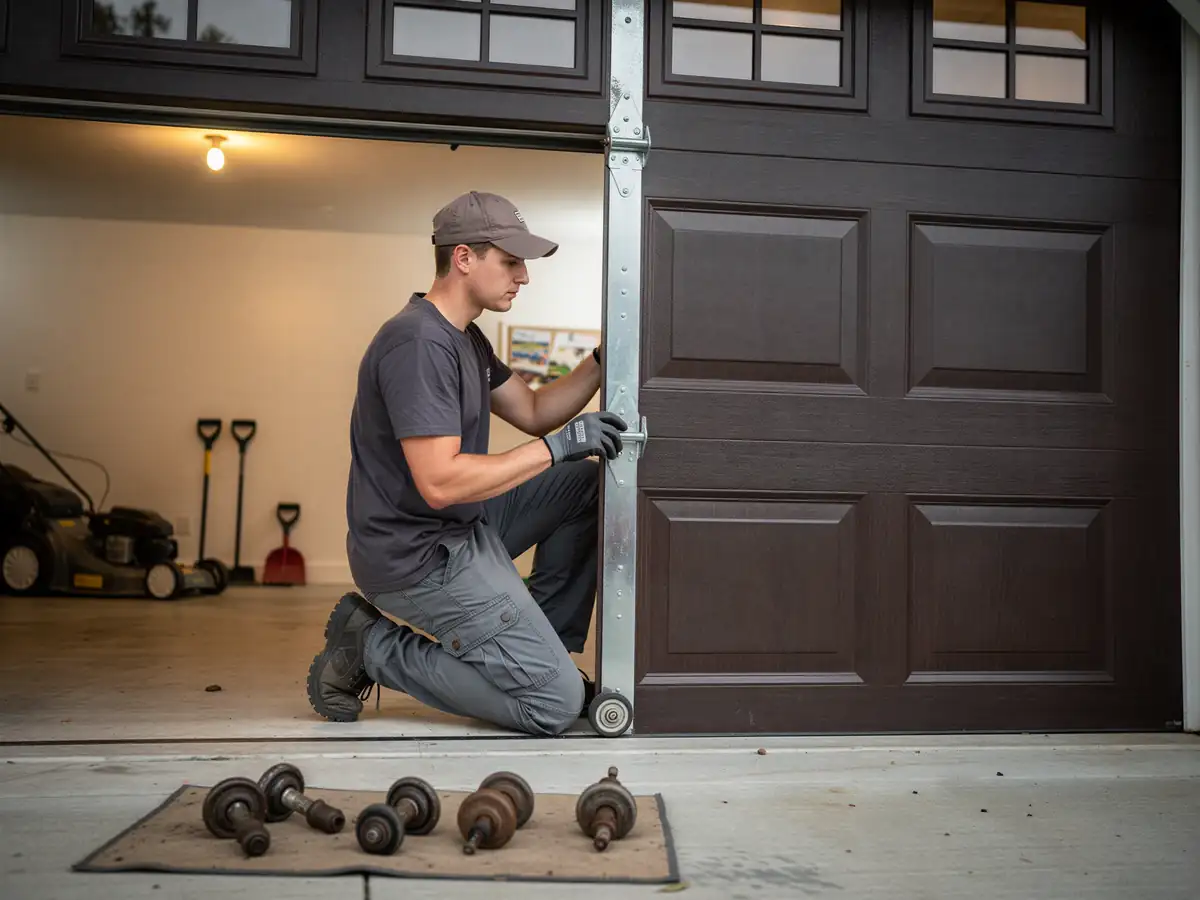
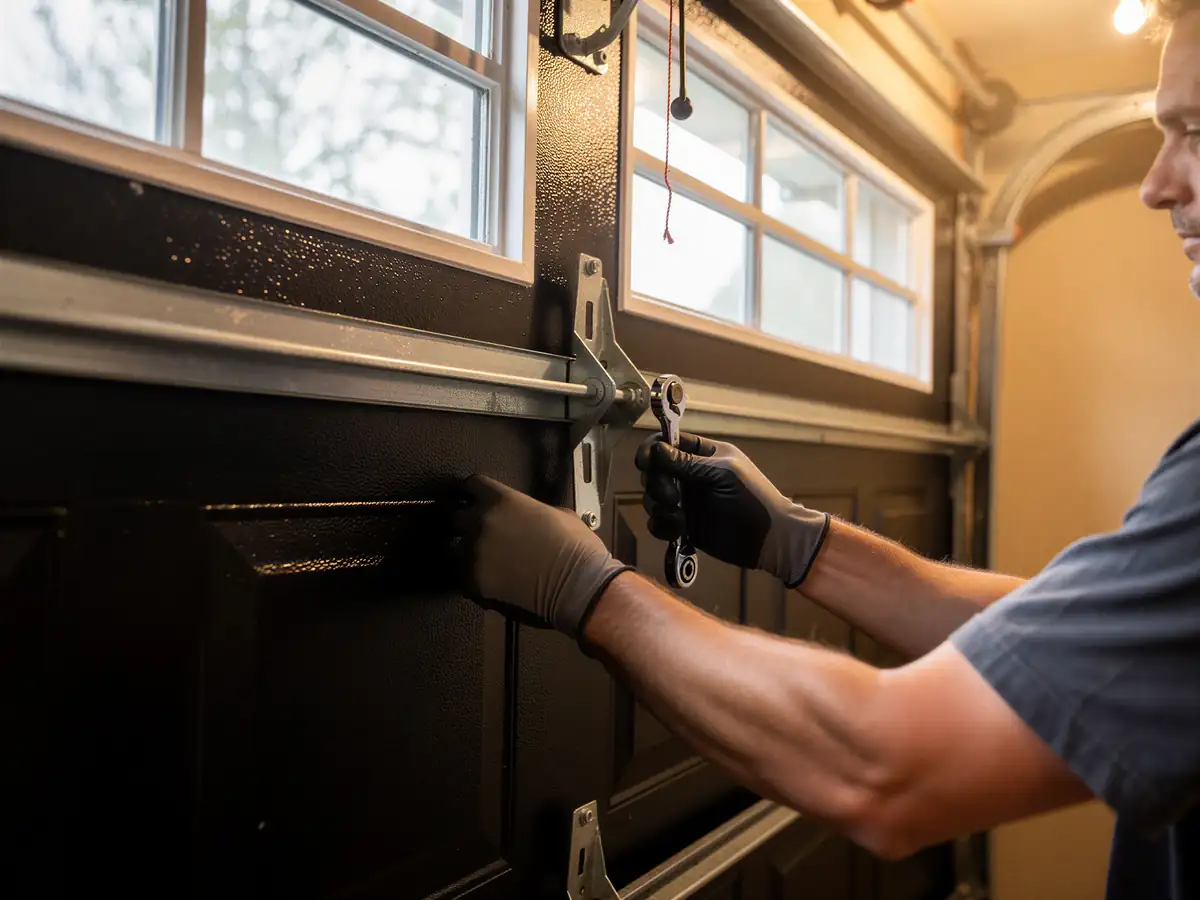
Most garages in Bondurant are going up on houses built around 2009, well past the 1941-2009 window that covers the wider service area and newer than the area's 1993 median build year. That means you're mostly looking at factory steel sectional doors, usually insulated, hung on double-wide openings sized for two full-size vehicles rather than the narrower single-car bays you'd find on older stock. The springs on these doors are torsion units mounted on a center shaft above the opening, sized to lift a heavier insulated panel than the lighter doors from decades past. When one of those springs goes, it goes hard - the door either won't budge or drops fast on one side. Rollers on newer doors are usually nylon, which run quieter but still wear out and jump the track after enough cycles. Openers on 2000s-era builds are typically chain or belt drive units with a photo-eye safety sensor pair near the floor, and a knocked-out-of-alignment sensor is one of the most common reasons a door reverses or refuses to close.
How It Shows Up
You hit the remote and the door hesitates, then grinds partway up before stalling. That's often a torsion spring losing tension unevenly, a bigger deal on an insulated panel than it would be on a lighter, older door, because the opener has to work harder to make up the difference and starts straining the drive gear. On these newer insulated doors, a dead spring sometimes shows up as a loud bang first - the spring breaking - then the door won't lift at all, not even by hand, without real effort. Cold mornings make it worse: in this climate band, overnight temperatures drag steel and lubricant into a sluggish state, so a marginal spring or a dry roller that was fine in October seizes up in January. If the photo-eye sensors on the opener are even slightly out of alignment, the door will start down and reverse itself a few inches off the floor, over and over, which owners usually describe as the door just not closing right.
The Cost of This Job
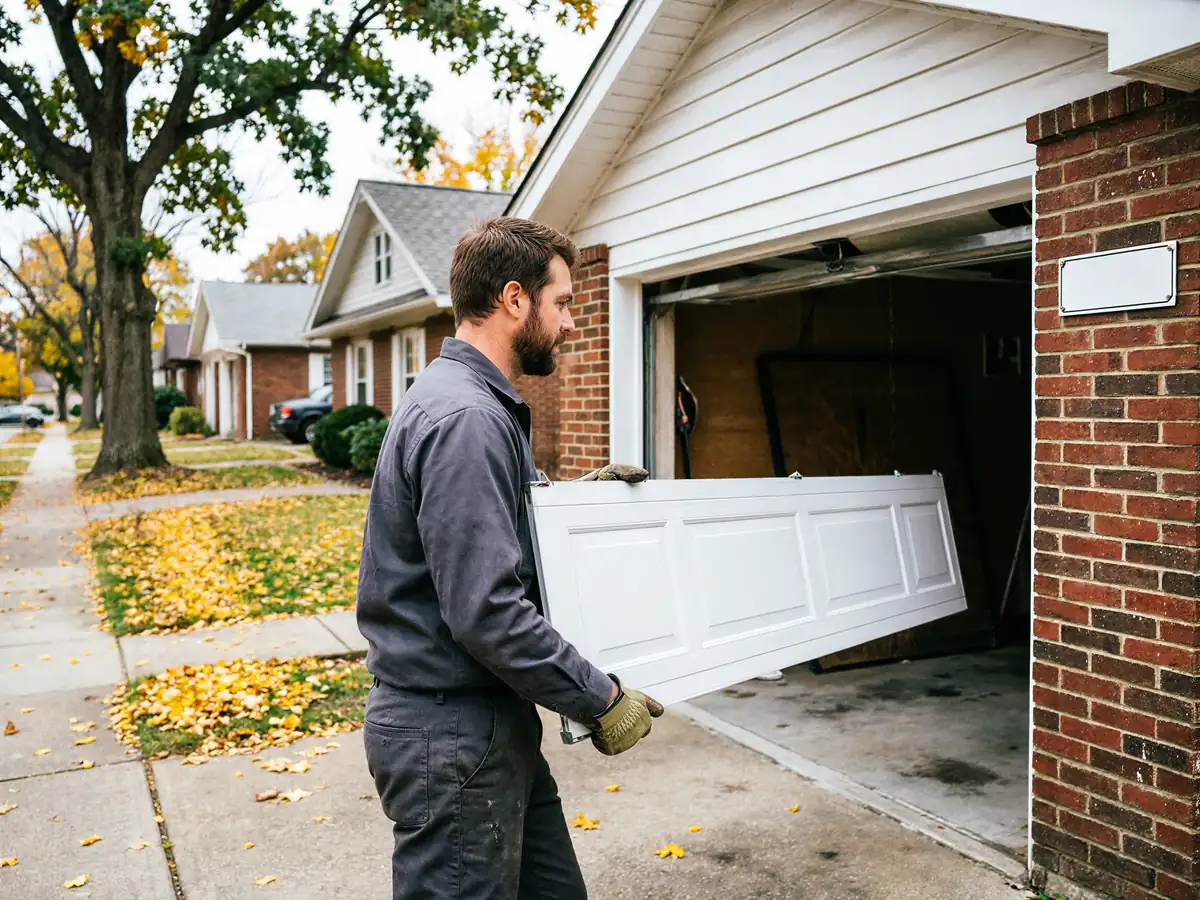
We don't have a fixed menu of prices to quote here - what a spring, roller, or opener repair runs depends on the door's size, the hardware installed, and what's actually failed, and we won't guess at a number sight unseen. What we can tell you is that Bondurant's household income runs higher than the wider service area's median, and that tends to track with newer, better-built doors rather than patched-together older units, which can mean a repair job rather than a full replacement more often than not. One honest limitation: if a part is proprietary to a builder-grade opener that's been discontinued, we may need to order it rather than carry it on the truck, and that adds a day or two. We'll tell you that up front rather than after the fact.