What Can Go Wrong
Start with the number that actually matters here: median household income in Bondurant runs $128,341, well above the $96,354 median across the wider service area we cover. That gap changes the math on a failing opener before we ever talk about belts or gears. A household at this income level is usually looking at a straight replace-it decision the first time an opener starts grinding, rather than nursing a motor through a second repair visit.
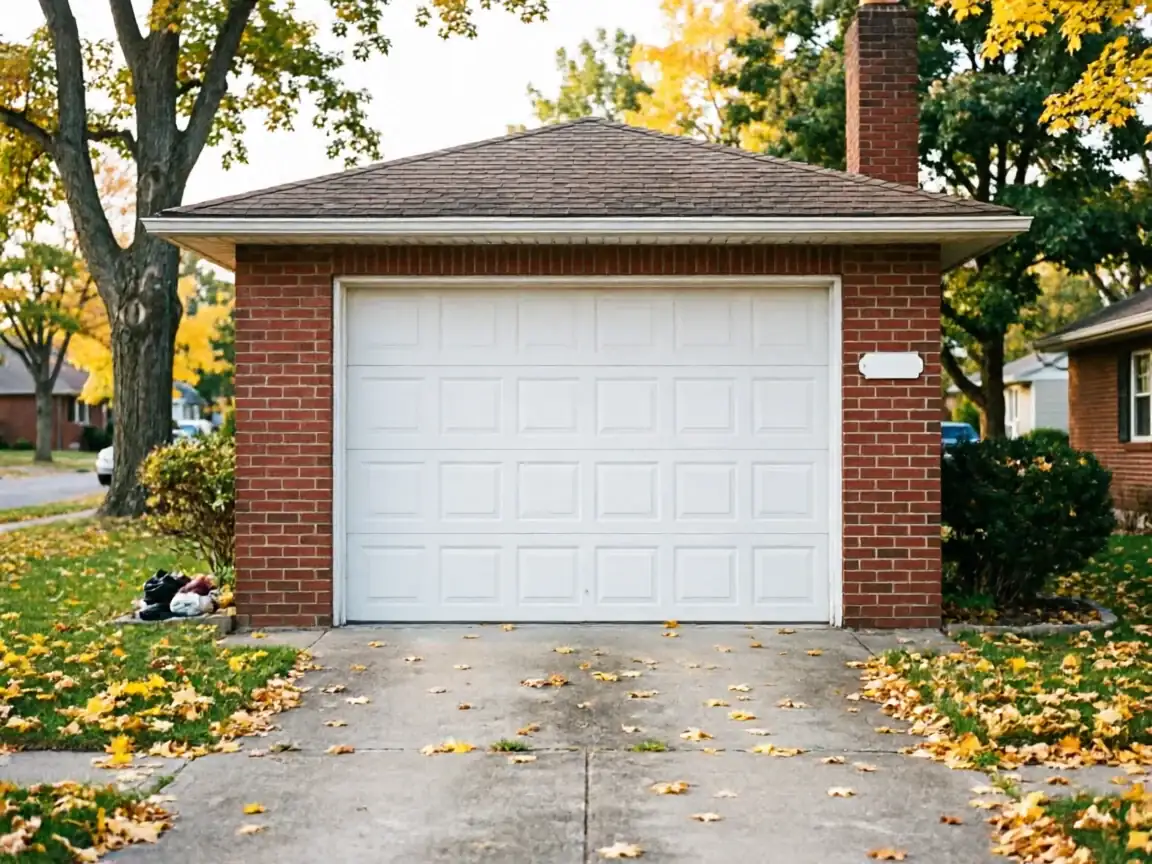
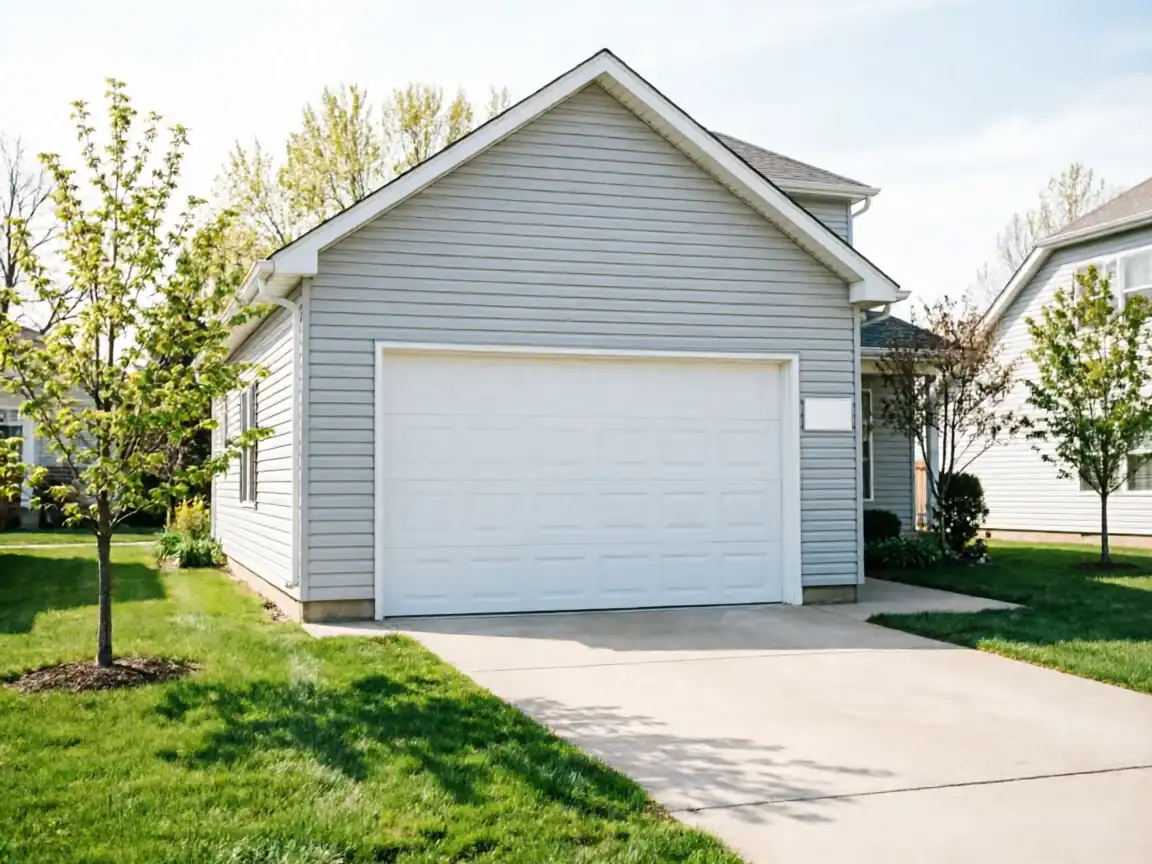
The housing stock backs this up. Bondurant's homes run newer than most of the area, with a median build year around 2009. That means most garage doors here still have their original builder-grade opener - a chain or belt unit installed when the house went up, now pushing past fifteen years old. These units were built to a price point, not to last forever, and the circuit boards and gear sets tend to fail close together rather than one part at a time. When the opener starts slipping the chain or the remote range drops to nothing, that's usually the whole unit telling you it's done, not one cheap part worth chasing.
How It Shows Up
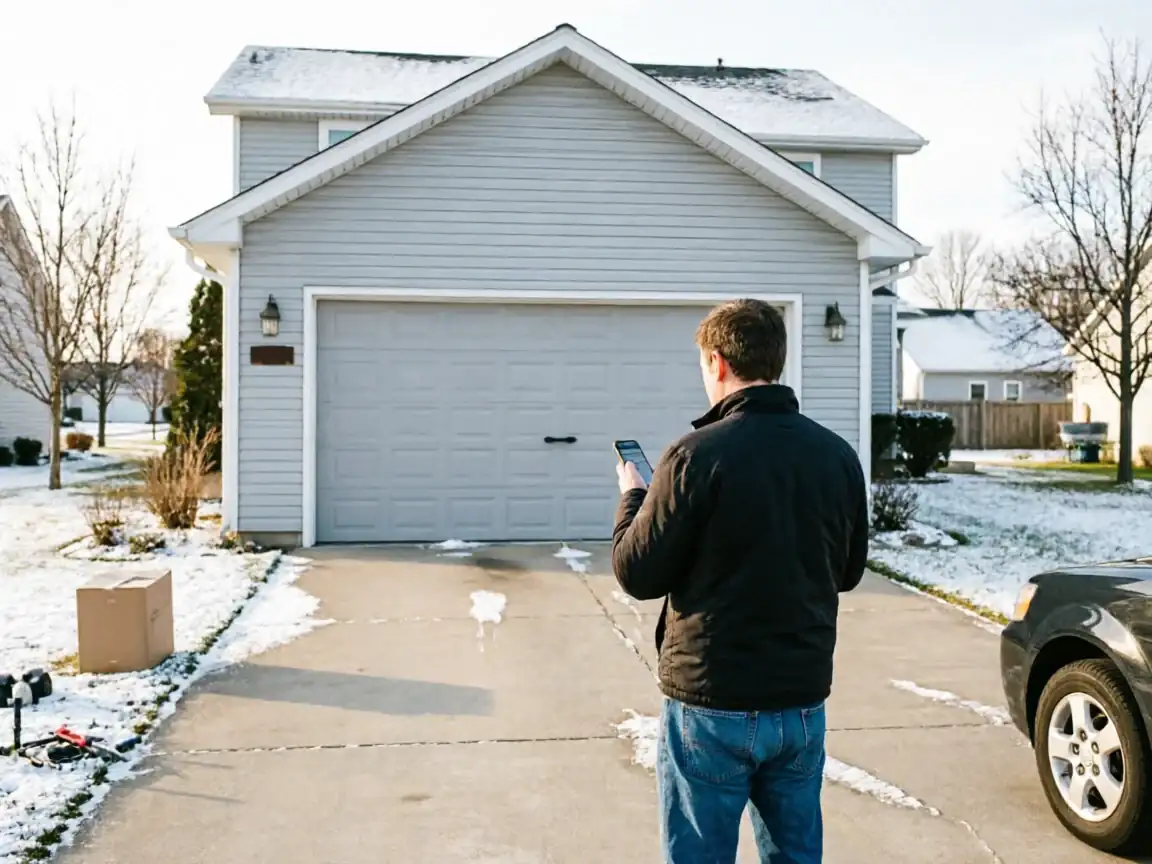
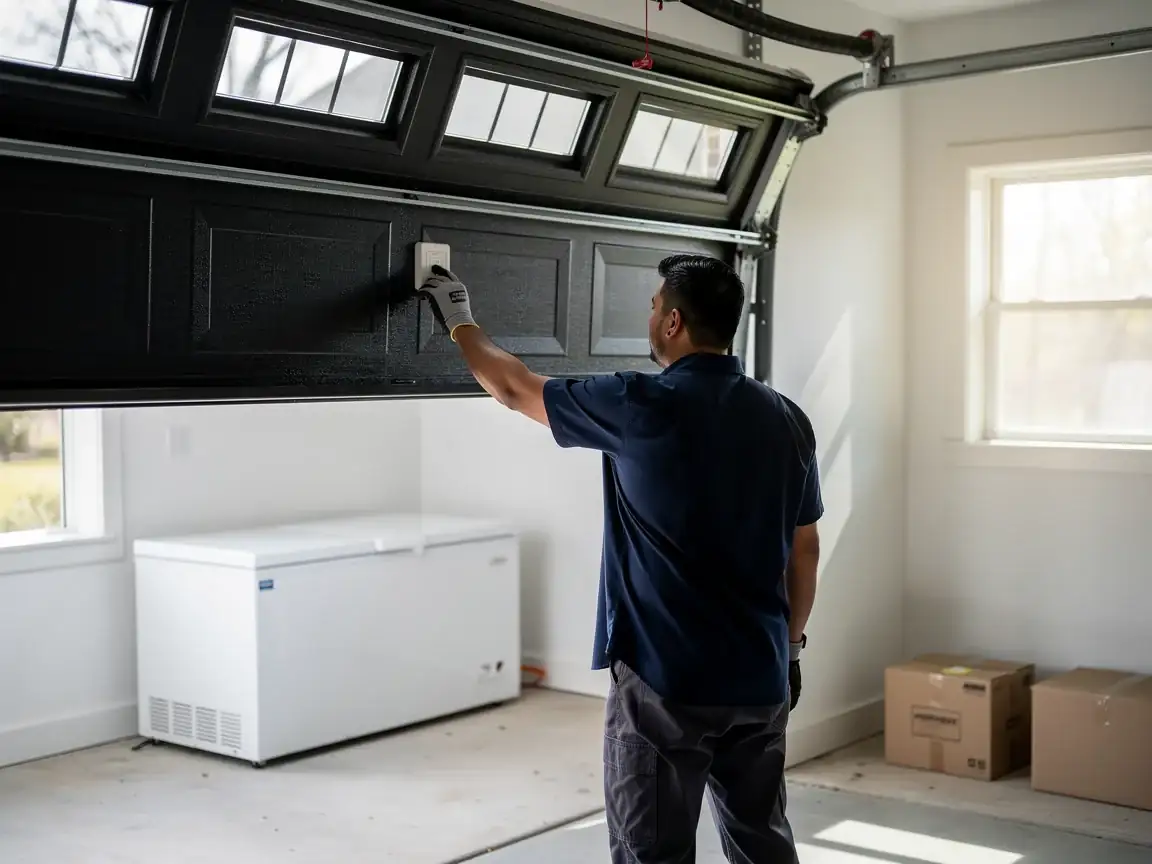
In a newer house like most of what's in Bondurant, the first sign is usually electronic before it's mechanical - a remote that works from ten feet but not from the driveway, a wall button that needs three presses, a safety sensor light that blinks instead of holding steady. These are symptoms of an aging logic board, not a bad sensor eye.
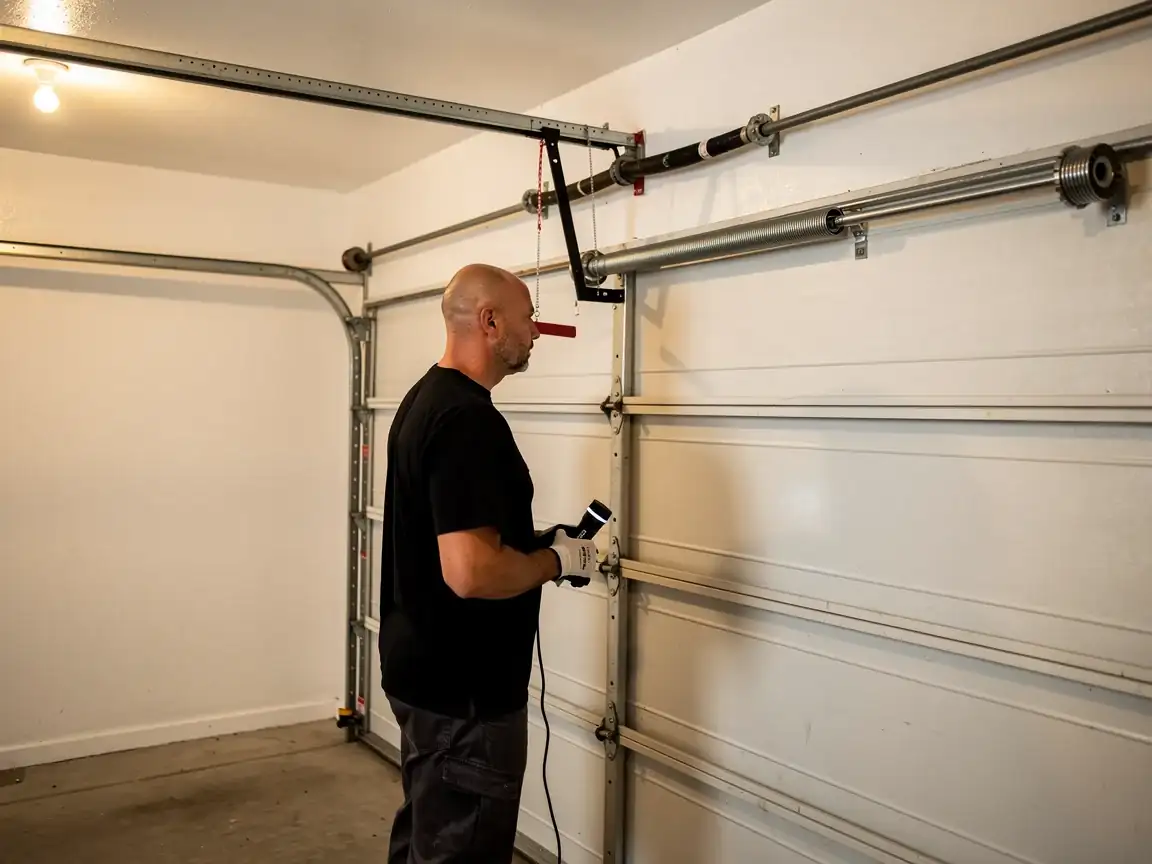
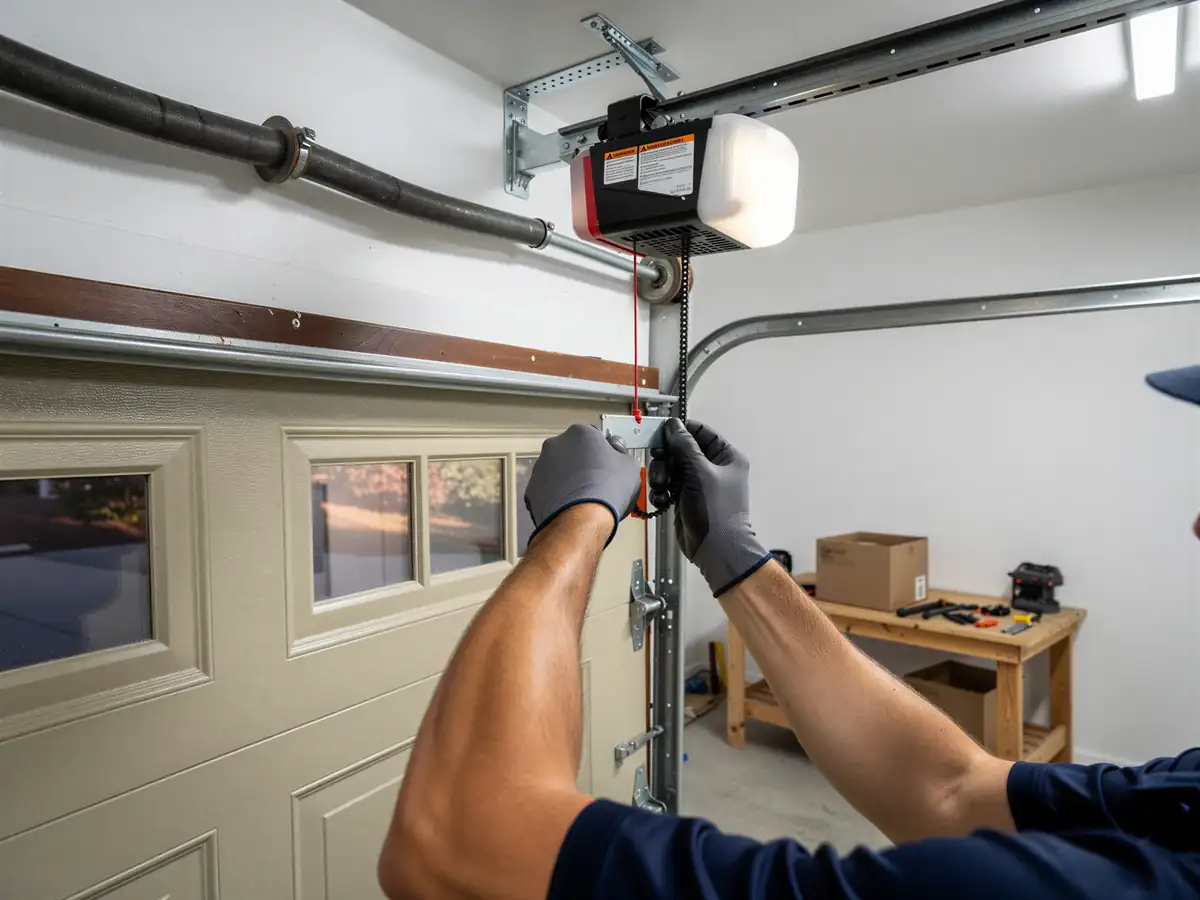
The second sign is noise that wasn't there a year ago: a grinding or clacking on the way up that gets louder each week. On a 2009-era build, that's often the nylon gear inside the opener head wearing down, which is a known failure point on builder-grade units at this age. It's not a dangerous failure the way a spring snap is, but it's the kind of thing that goes from annoying to dead over a few more months, and it rarely fixes itself.
Why This Fails Locally
Two things line up in Bondurant that don't line up everywhere in the service area
First, the housing is young by local standards - median year built 2009 - so almost every house here is hitting the same opener age ceiling at roughly the same time, rather than being spread across decades of hardware like older sections of the service area. That means when one opener in a neighborhood fails, the one two doors down is often close behind it.
Second, the income level changes what people choose to do about it
At $128,341 median household income, the calculus favors swapping in a quieter belt-drive unit with battery backup over patching a dying chain-drive opener a second time. We don't push replacement on every call - if a board or sensor is the only thing wrong and the motor's sound, we'll say so. But on a unit this age, in a house this age, a second repair rarely outlasts the first one by much.
We run this job from Ankeny, 8 miles out
So a Bondurant install gets booked as its own trip rather than squeezed between other calls - worth knowing if you're trying to pin down a same-day slot.
- 8 miles
The Cost of This Job
We're not going to print a number here we can't back up for Bondurant specifically, but the honest version of the decision looks like this: on a 2009-built house, a failing original opener is usually past the point where a single part swap is worth the labor to get to it. Across roughly 2,779 households in Bondurant, most sitting on the same era of builder-grade hardware, full replacement tends to be the call more often than repair once the unit is into its second decade.
The one real limitation worth saying plainly: we can tell you what's wrong and what it'll take to fix once we're looking at the opener in person, but we can't quote an opener swap over the phone with any honesty - mounting, bracket condition, and whether the existing rail and door are compatible with the new unit all change the job. If a sensor or board swap gets you working again cheaper, that's what we'll install.