Parts We Carry
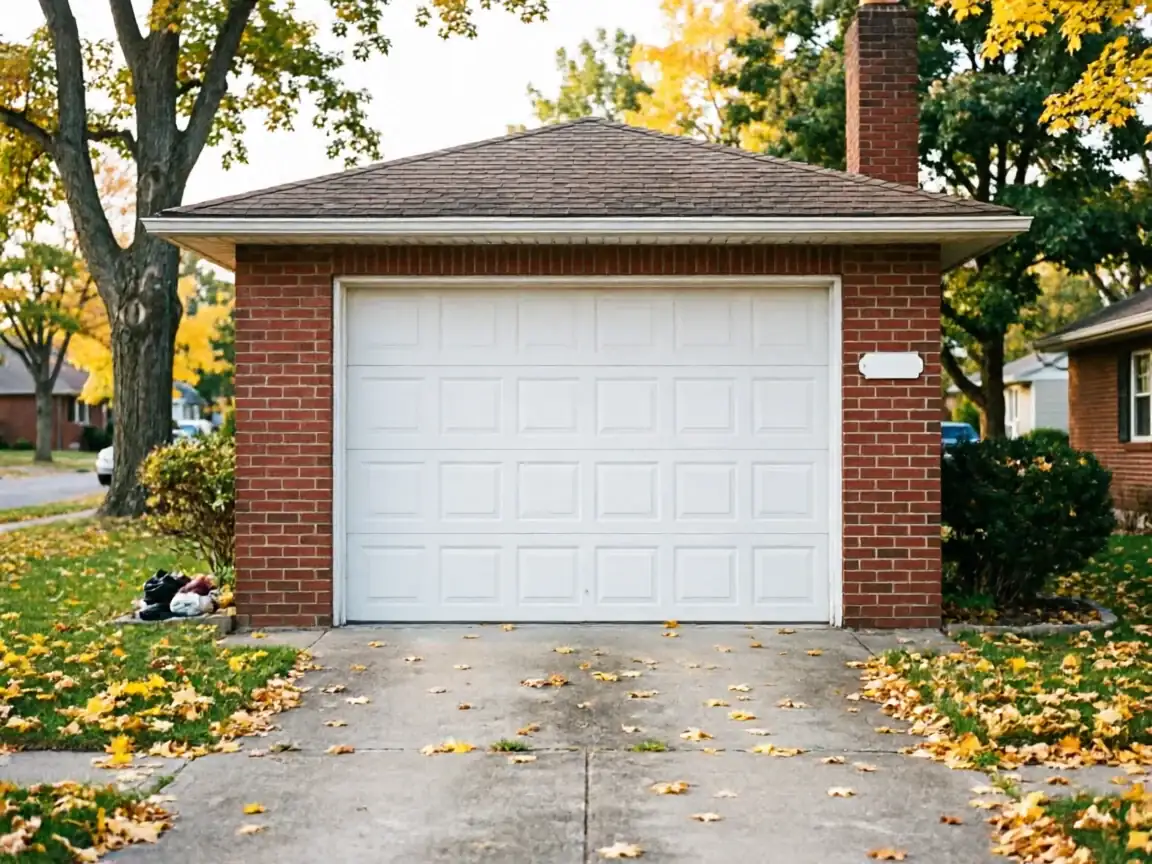
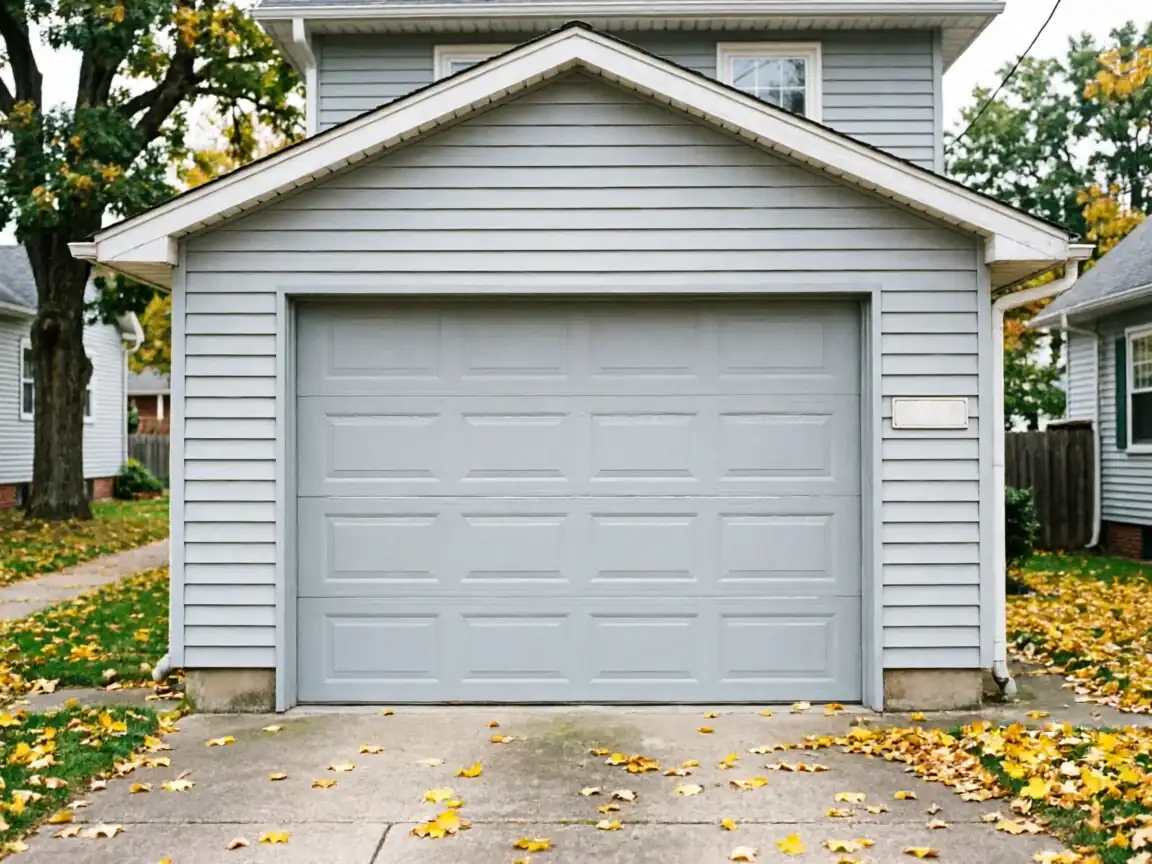
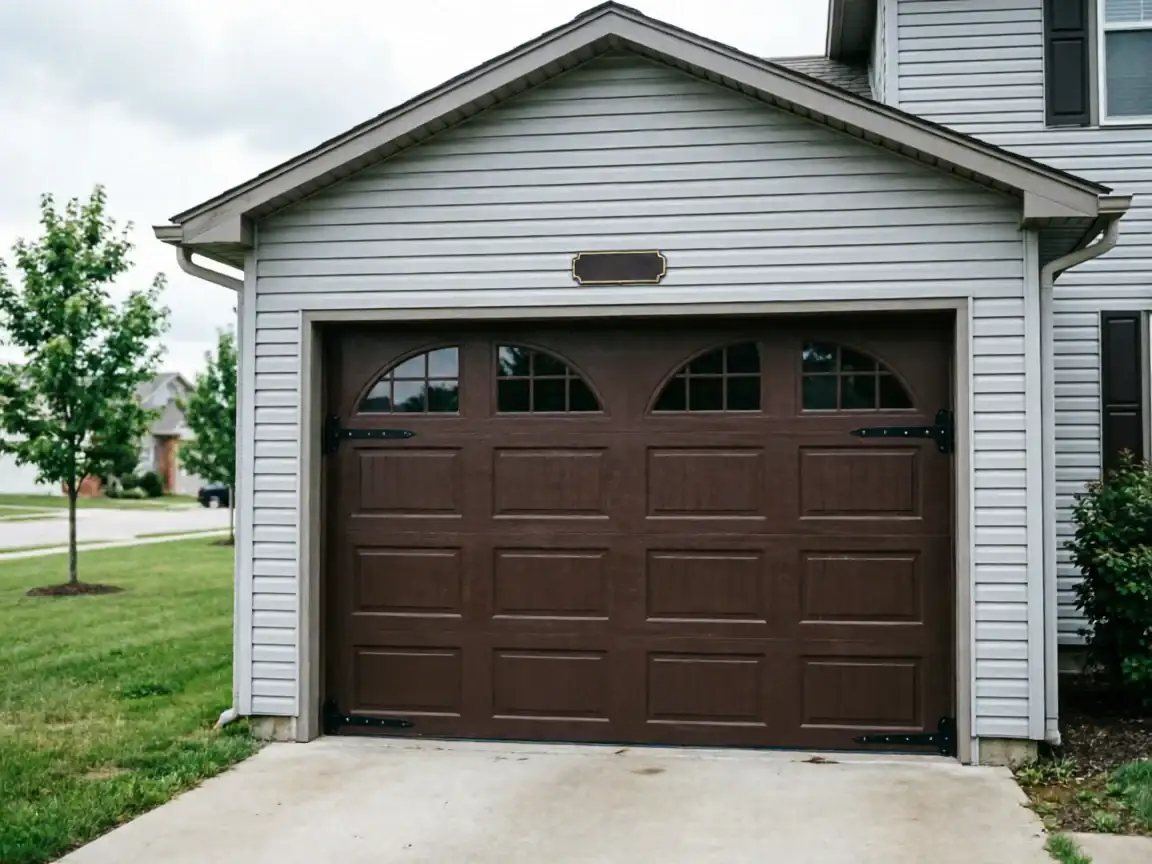
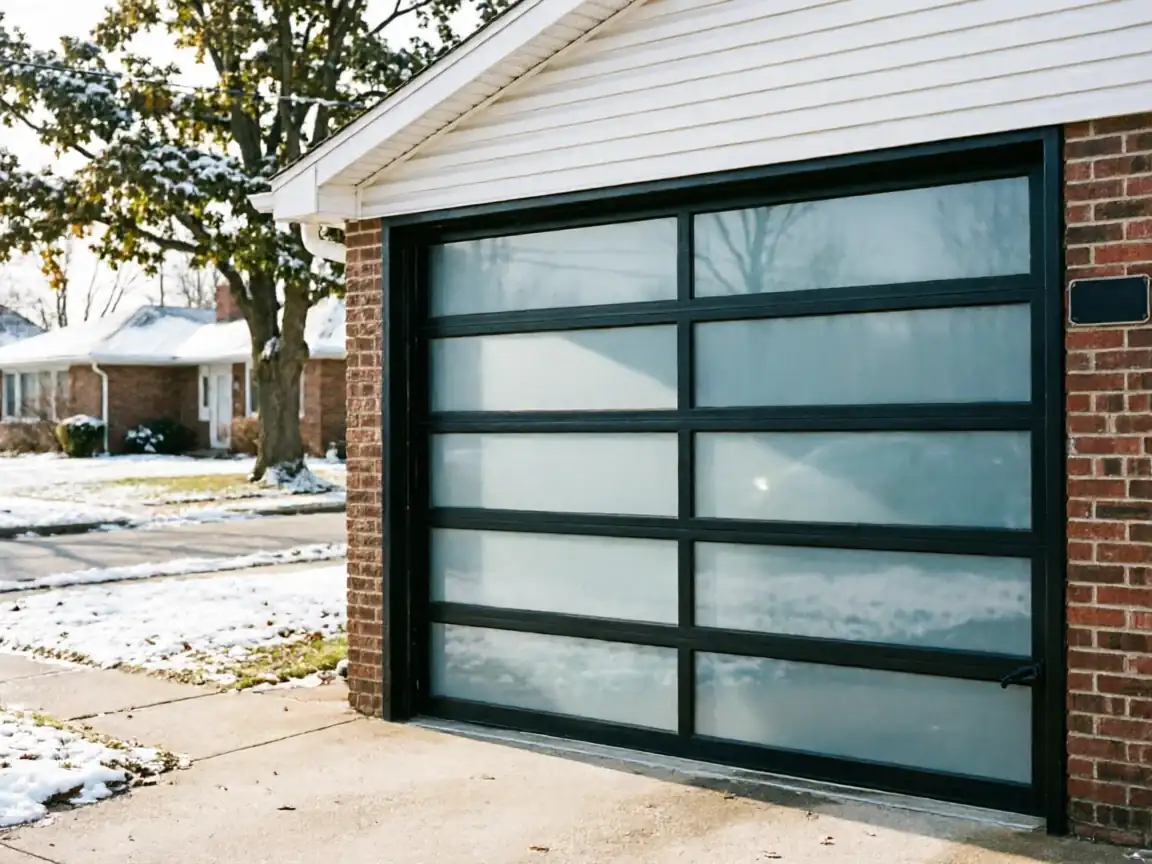
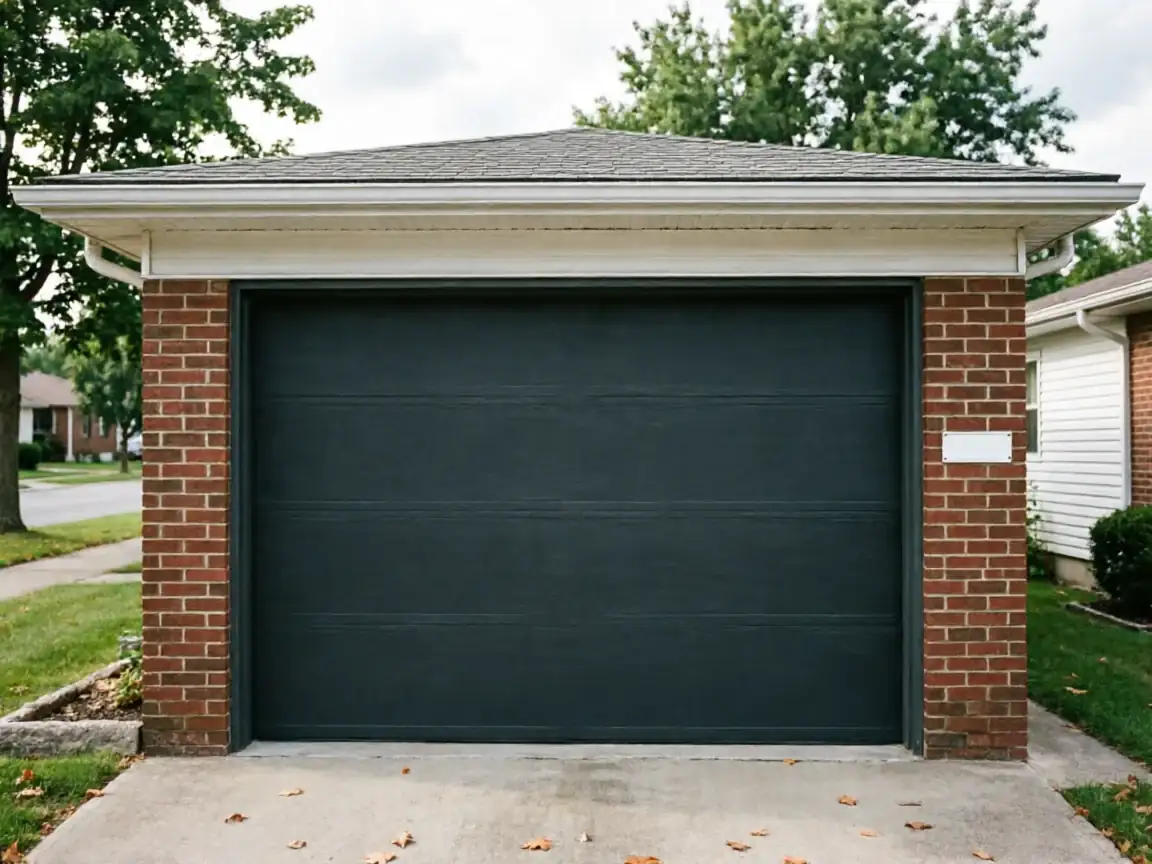
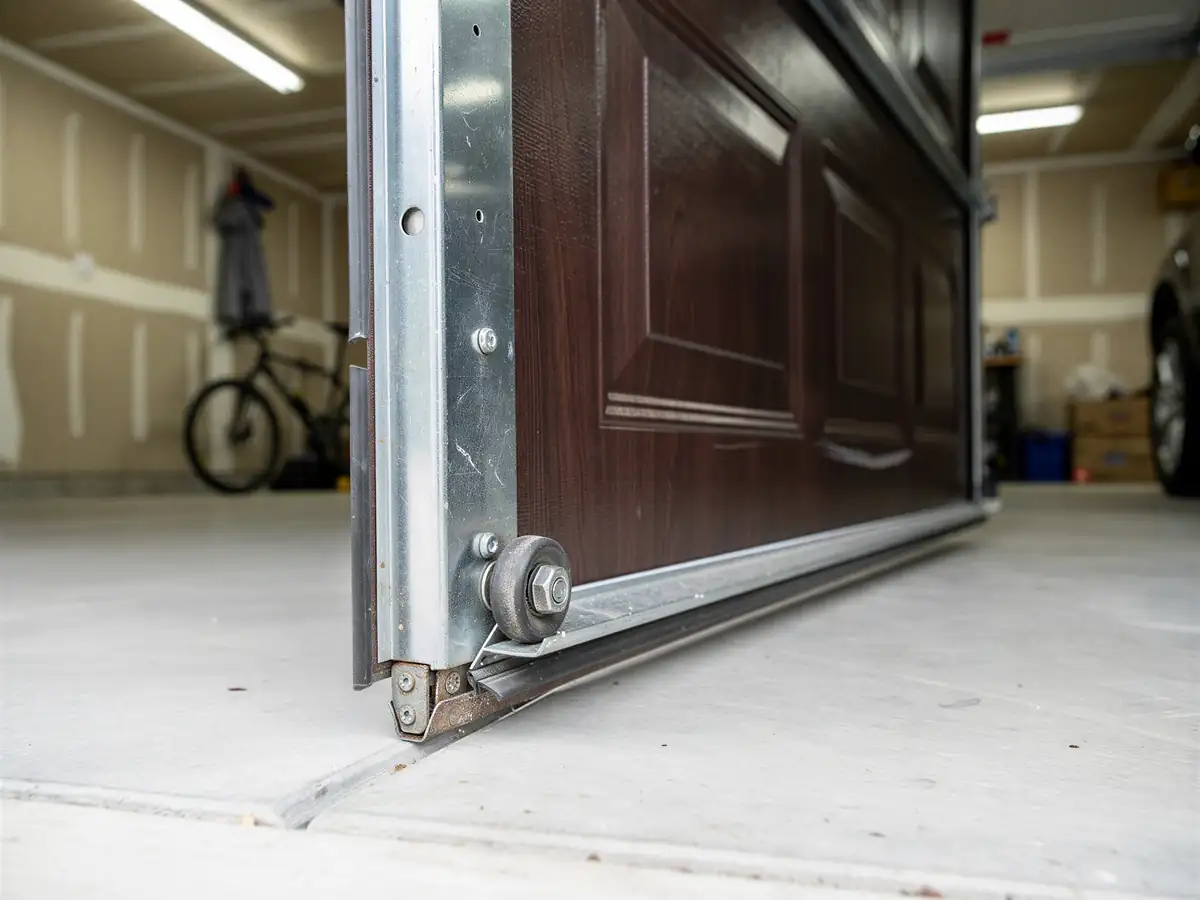
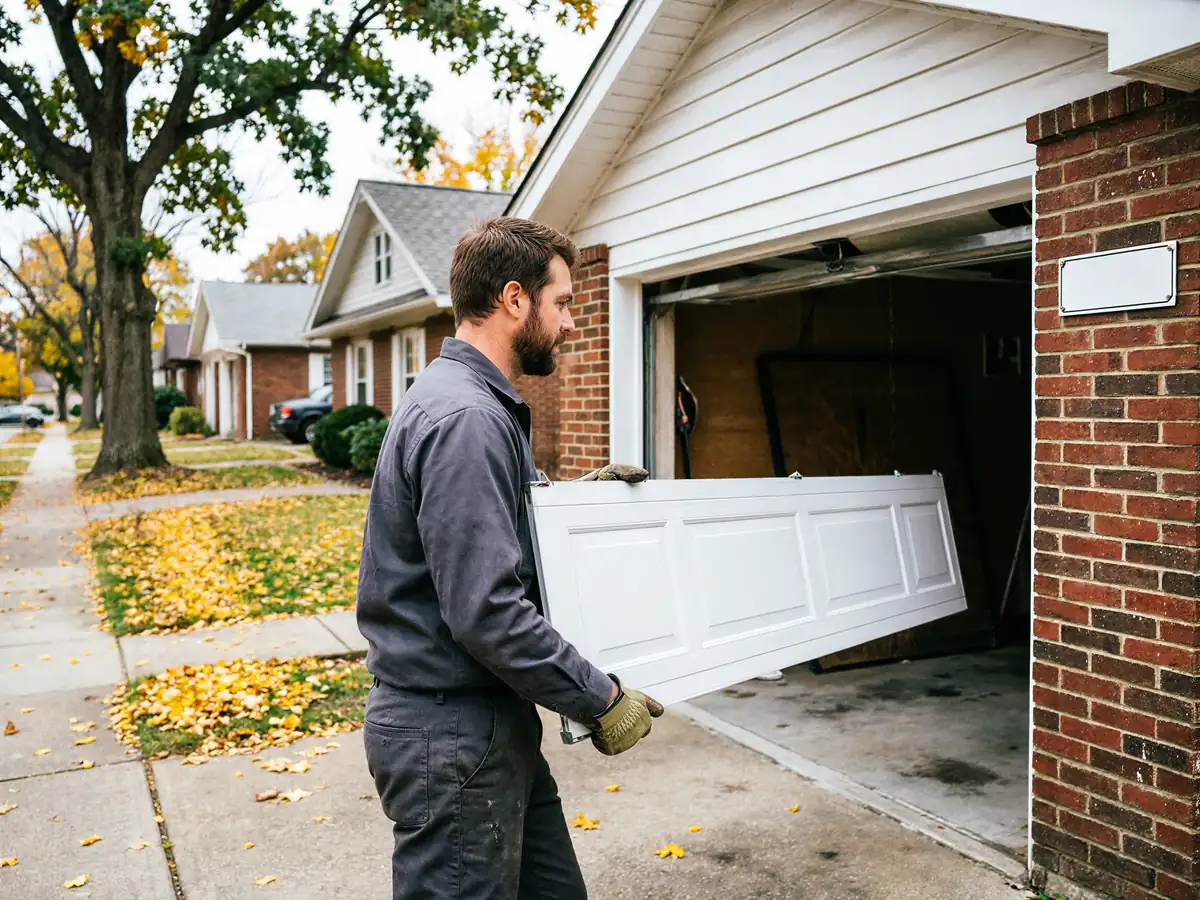
Huxley's houses mostly went up around 1999, which puts most of the town inside the window where steel raised-panel doors with standard long-panel or short-panel sectioning are the norm - not the older flat-panel wood doors you'd find in a town with a much earlier build median. That matters for a panel swap because the common widths and panel heights from that era are doors we stock sections for without having to order a one-off from a shuttered manufacturer. We carry primed steel panels in the standard run sizes, plus the end stiles and hinges that go with them. What we don't carry on the truck is anything custom - a wood-composite panel, a glass-insert panel in an odd size, or a discontinued profile from a builder-grade door nobody made after a certain year. If your door falls into that category, we'll tell you straight that it's a special order before we quote the job, not after we've shown up.
Getting It Booked In
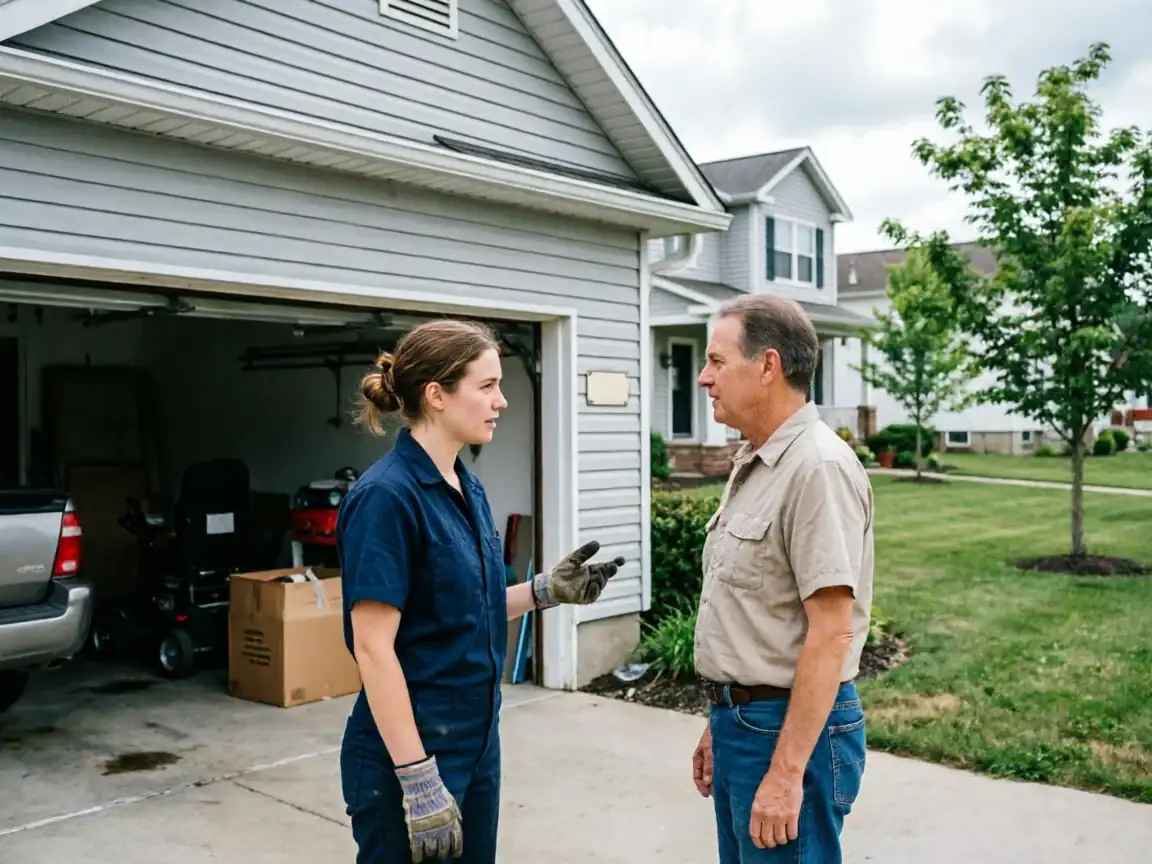
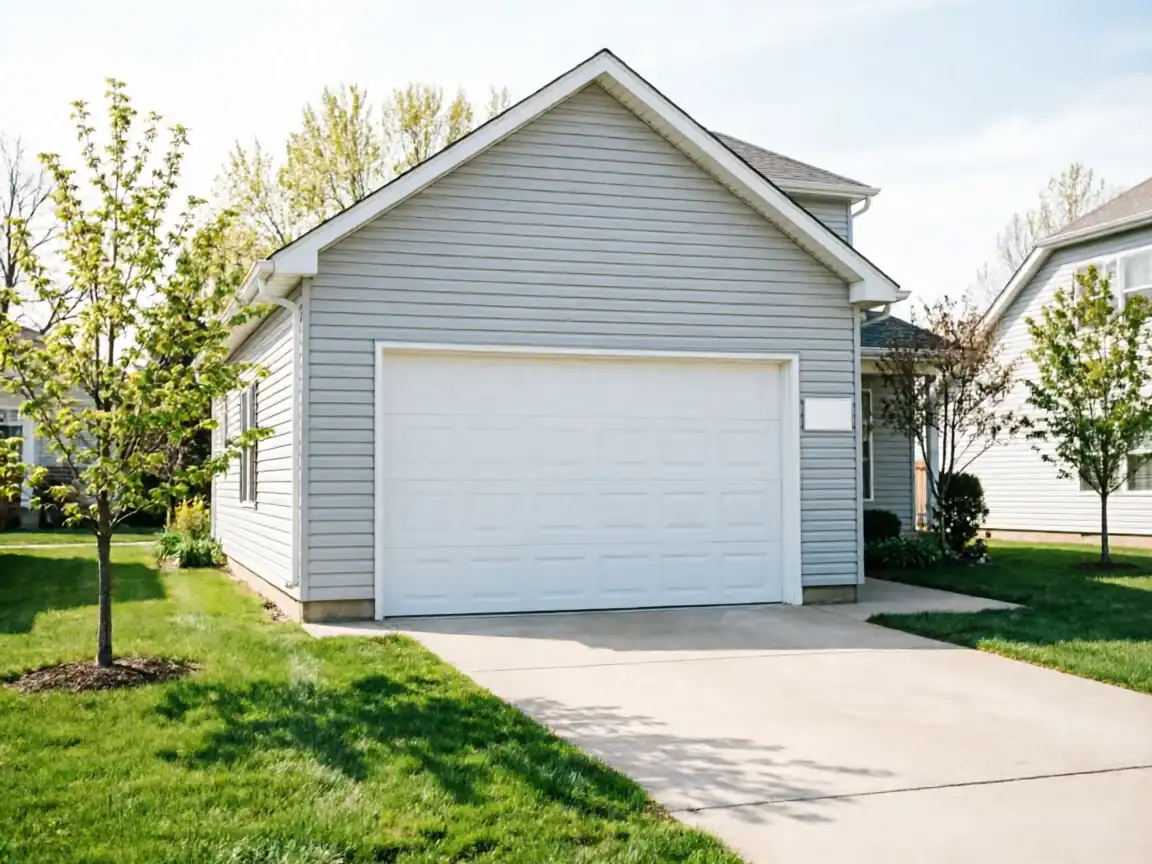
We run out of Ankeny, and Huxley is a 12-mile drive, so the call gets booked around that distance rather than treated like a job around the corner. That doesn't change the work once we're there, but it does mean we ask a few more questions up front - door brand if you can read it off the end stile, approximate age, and whether it's one panel that's dented or the whole bottom section that's rusted through - so the panel that comes with us on the drive out is the right one. A dent-only panel swap on a 1999-era steel door is usually a known part. A door from the handful of older properties mixed into Huxley's housing stock sometimes isn't, and that's worth finding out on the phone instead of standing in the driveway.
How Long It Takes
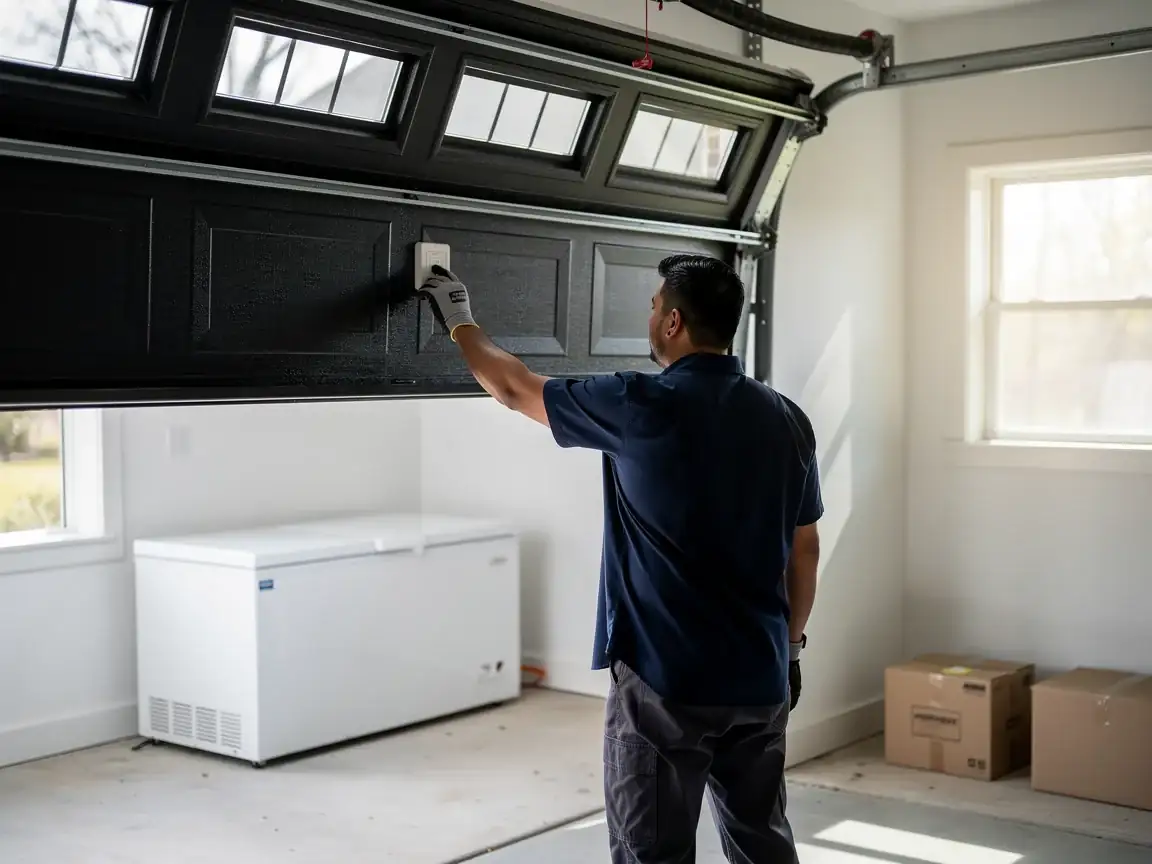
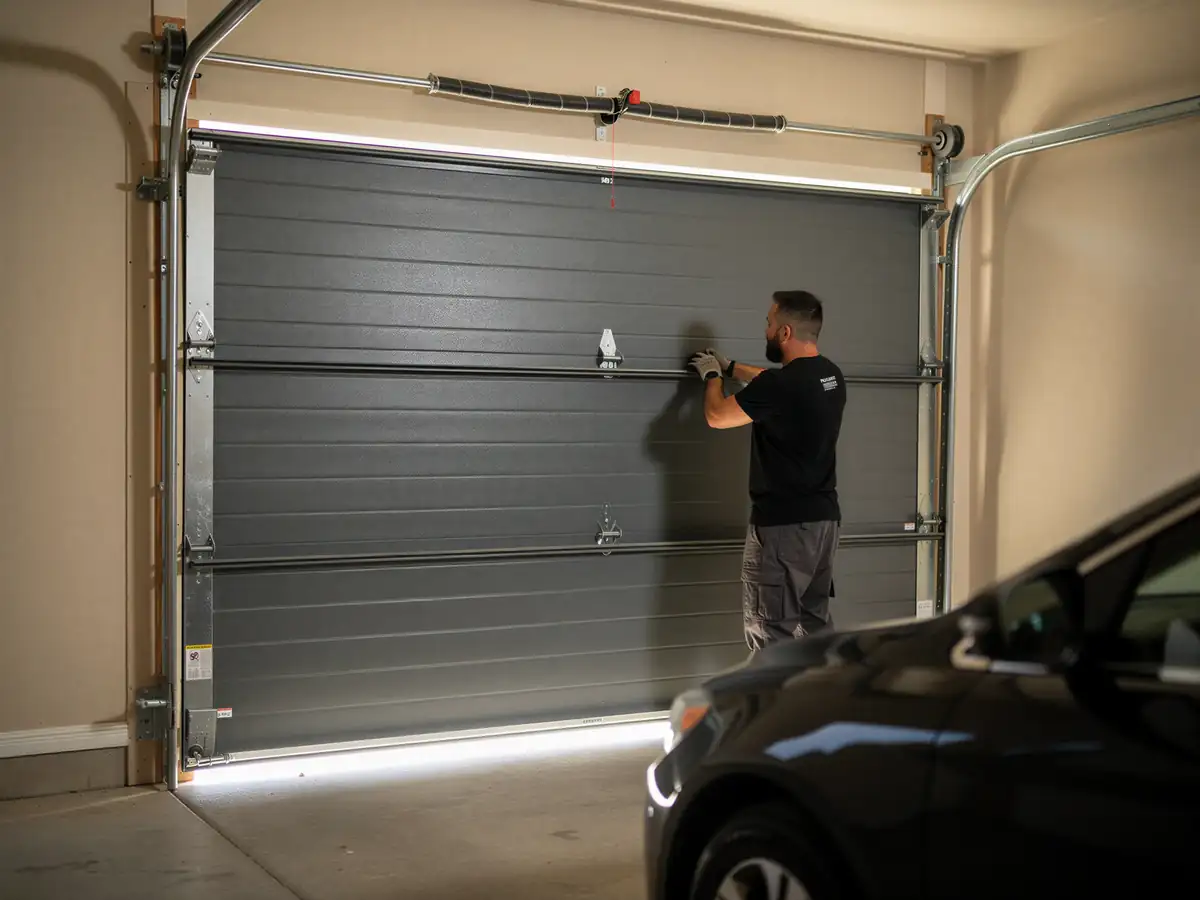
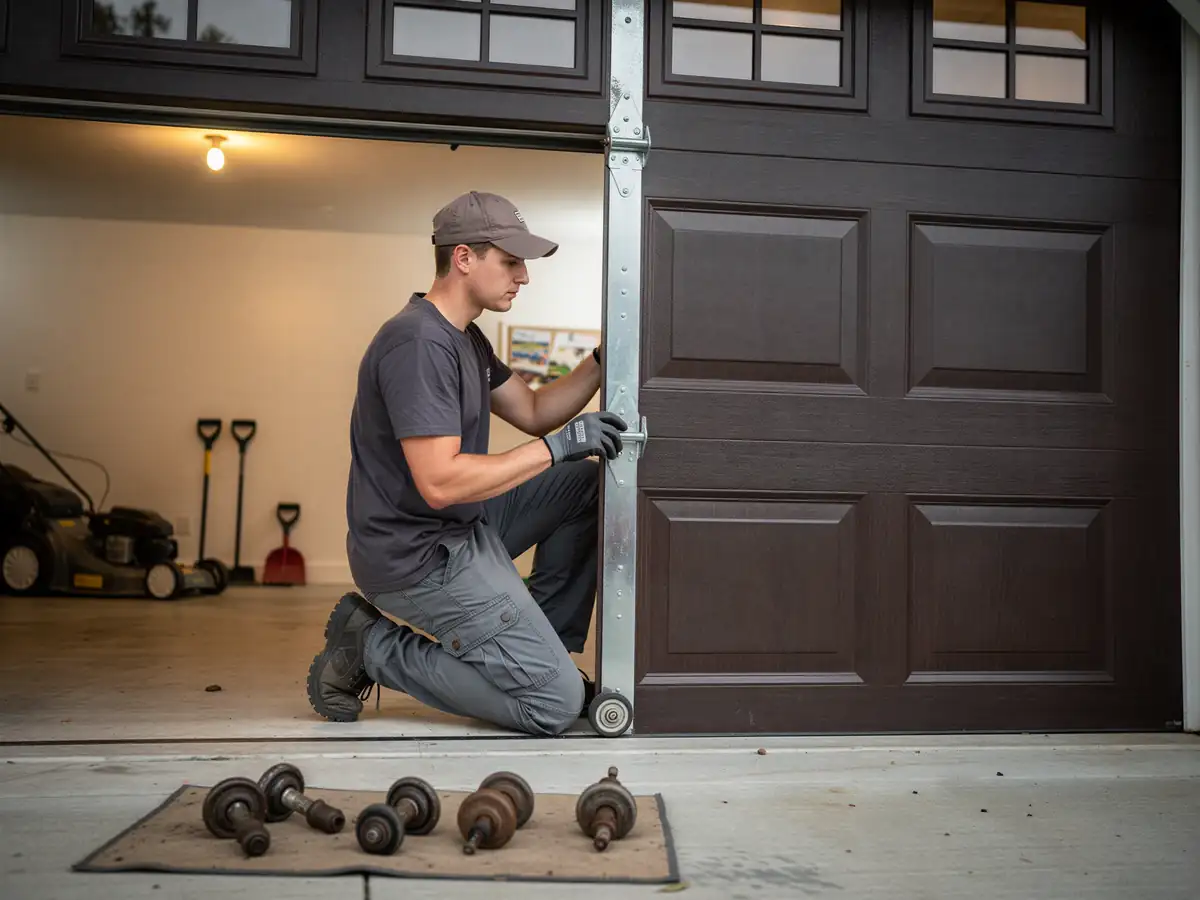
Once we're on site with the right panel, swapping a single section on a standard sectional door is typically a same-visit job - it's matching the panel and making the drive that take the planning, not the install itself. Where it runs longer is if the color has faded unevenly and a factory-fresh panel stands out next to twenty-plus-year-old siding paint, or if the opener's travel limits need resetting afterward because the door's new weight balance shifted slightly. Those are the things that stretch a one-hour job into something closer to two.
Doing It Yourself
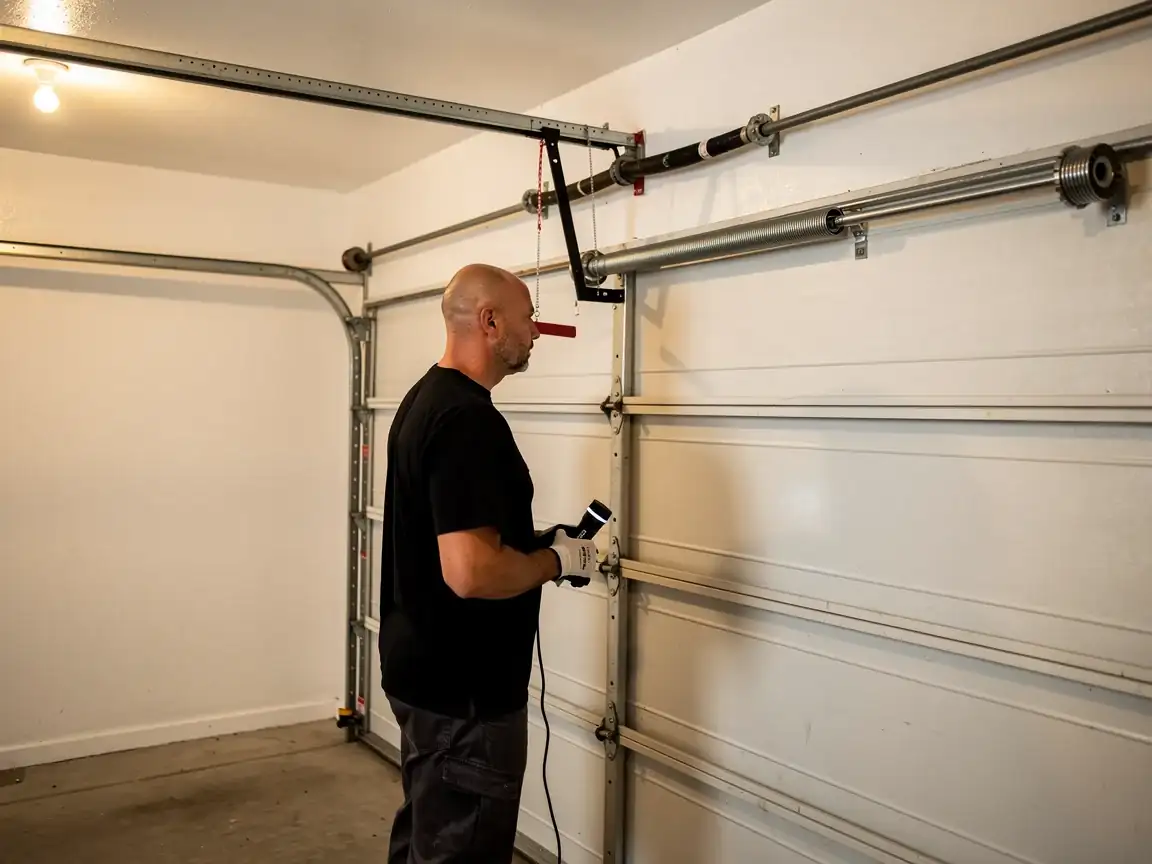
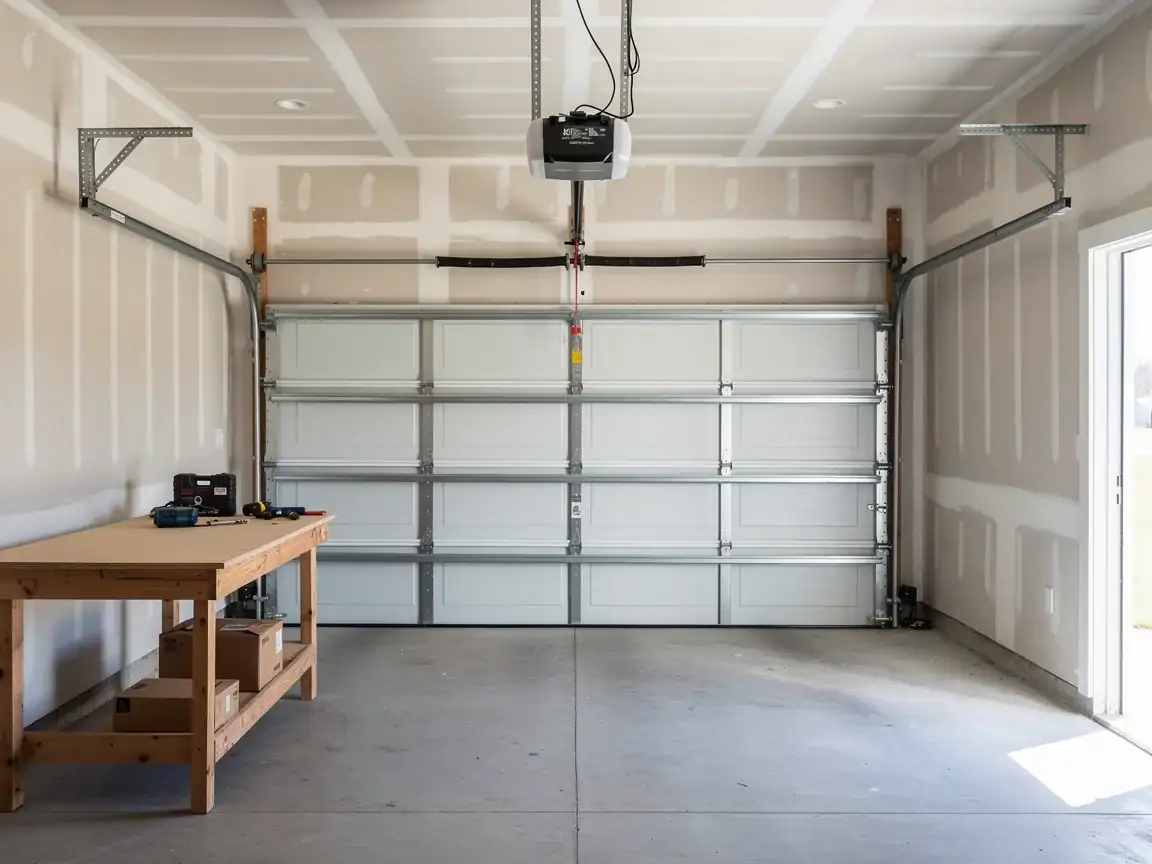
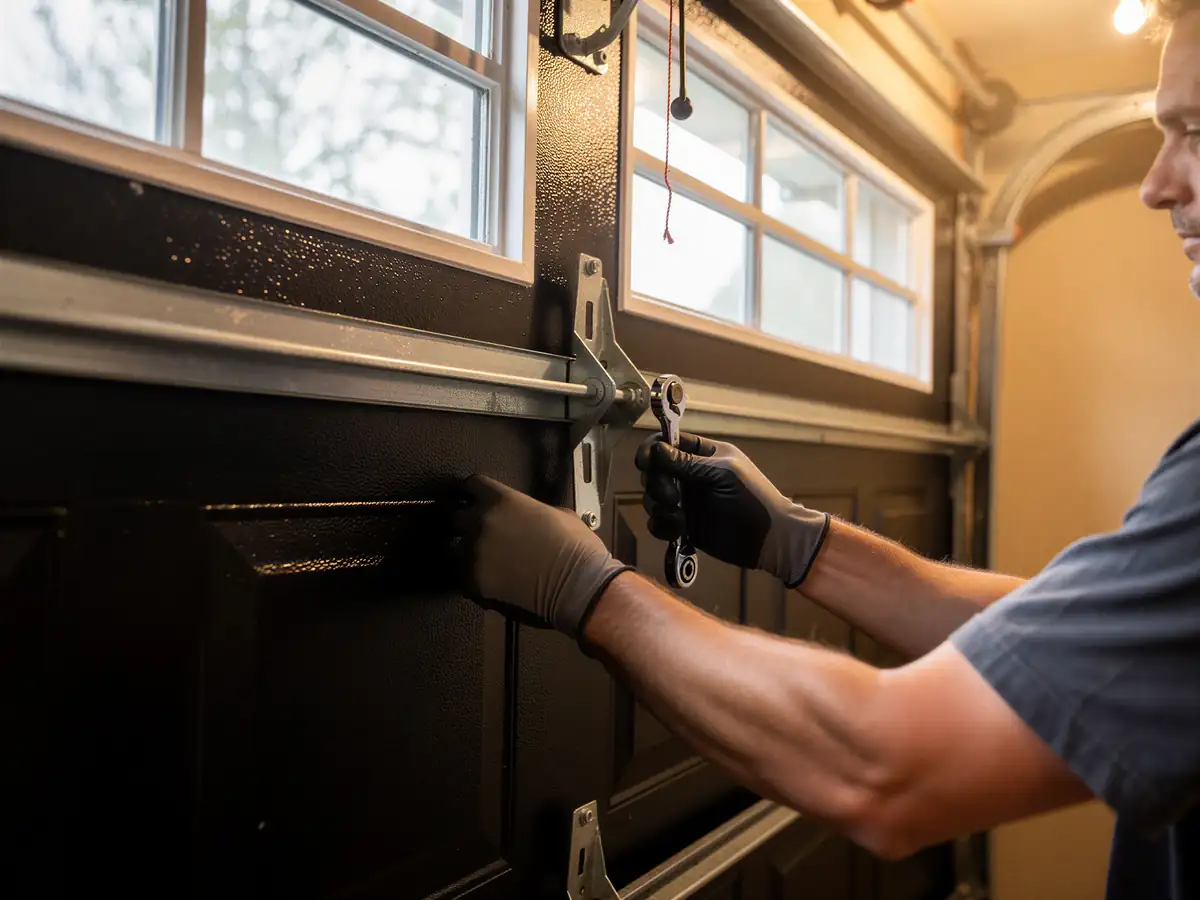
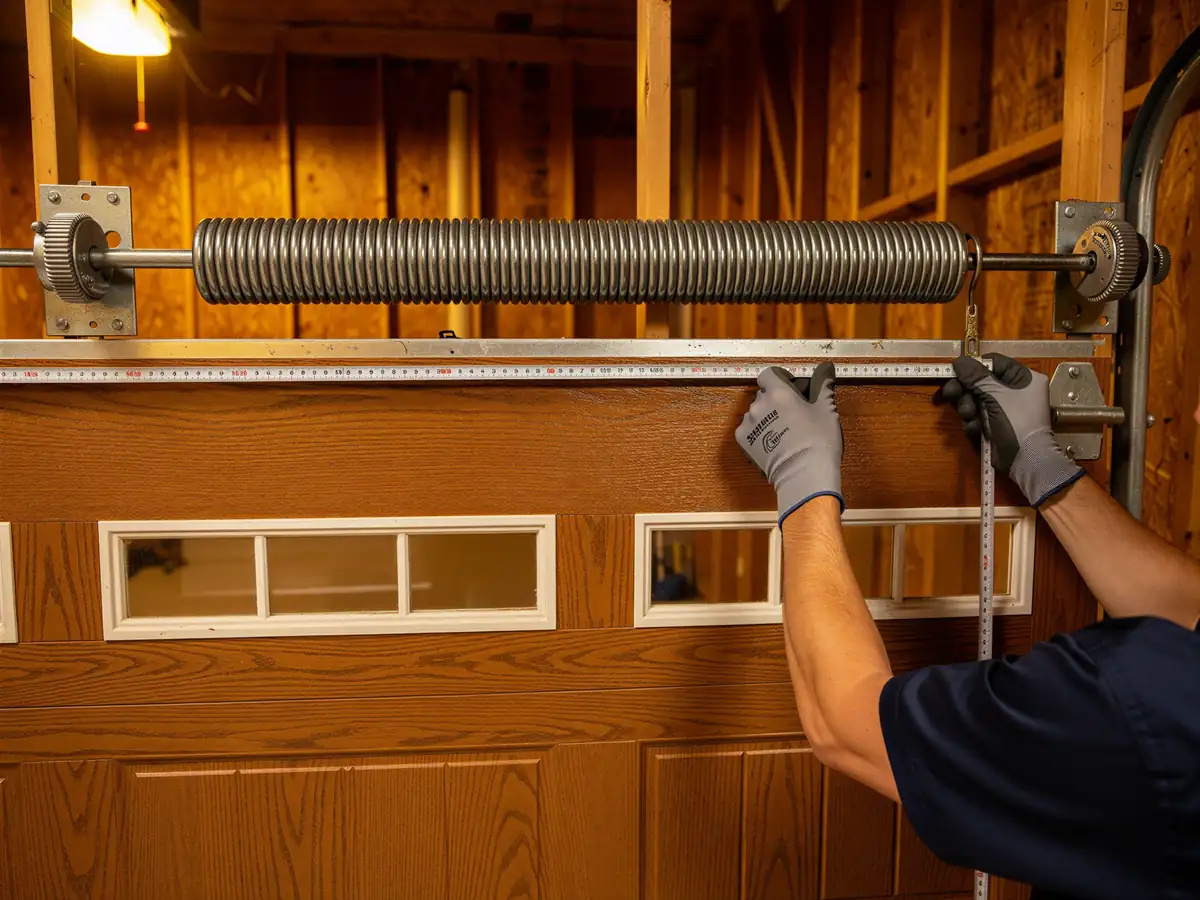
A steel panel section is held in with end hinges and sometimes a strut, and on paper it looks like a bolt-on swap. In practice the panel has to seat flush against the sections above and below it or the door binds in the track, and on a torsion-spring door the whole assembly is under tension the moment you pull a hinge bolt. If you've got a hand-crank door with no spring involved, a careful homeowner can manage a panel swap. If it's a torsion system - which is most of what's on Huxley's newer builds - we'd rather you call than find out the hard way what a loaded spring does when the panel it's braced against comes loose.